The Science and Art of Wing Surfing Explained
Intro
Wing surfing has become a dynamic sensation in the world of water sports. Combining elements from windsurfing and kiteboarding, it has created a wave of excitement that appeals to both seasoned athletes and newcomers alike. The interplay between water, wind, and a uniquely designed wing allows individuals to harness the elements in a thrilling manner, making each ride a distinct experience. As enthusiasts navigate the ever-changing conditions, they find themselves not just as riders, but as dancers with nature, communicating through their movements.
Understanding wing surfing goes beyond just learning how to float or glide across the surface. It involves grasping the intricate balance of equipment, technique, and safety practices. From the allure of the open ocean to the rhythmic pulse of controlling the wing, the sport encompasses both science and art. Each session on the water is an opportunity to improve skills, connect with the environment, and savor the freedom that comes with mastering this exhilarating activity.
Next, let's explore the landscape of gear that sets wing surfing apart from other water sports.
Foreword to Wing Surfing
Wing surfing is much more than just a passing trend; it's an exciting fusion of science, skill, and artistry. As watersports lovers, enthusiasts are constantly exploring new horizons, and wing surfing fits the bill perfectly. This sport allows riders to harness the wind's energy while gliding over the water. It's this element of freedom that attracts many, creating a unique experience distinct from traditional sporting choices.
What makes wing surfing particularly captivating is its relative accessibility compared to similar sports. With a wide range of skill levels starting from novice to seasoned rider, it creates an environment where sharing knowledge and learning from others becomes second nature.
Definition and Overview
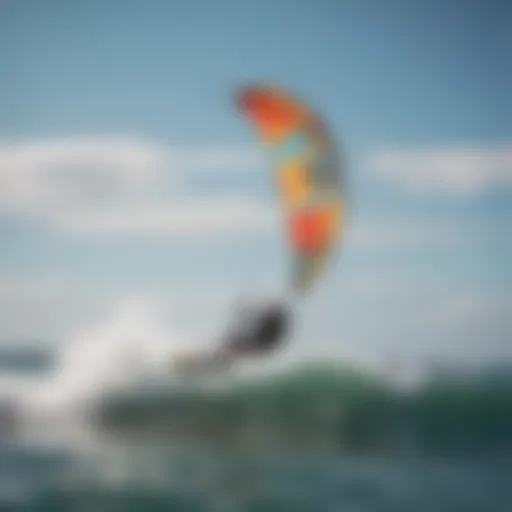
Wing surfing involves riding a board while controlling an inflatable wing that is not attached directly to the rider. The wing, held aloft by the wind, provides lift while the board skims over the water. The design of the wing allows for an impressive range of wind conditions, and riders can experience a sense of freedom while maneuvering.
There are various types of boards that can be used, from longboards to shortboards, each offering unique advantages depending on the rider's skills and the conditions of the water.
Historical Development
Wing surfing, while relatively new in comparison to other watersports, has roots in traditional windsurfing and kitesurfing. It emerged in the 2000s, with athletes seeking a new way to enjoy the wind and water. The first commercially successful wings appeared in the late 2010s, quickly capturing the gaze of water sports enthusiasts everywhere. The sport has evolved significantly since then, thanks to advancements in materials and wing designs. Today, it has carved out its own identity in the watersports community.
Comparison with Other Water Sports
A thorough understanding of wing surfing requires charting its similarities and differences to other popular activities like kiteboarding, windsurfing, and surfing.
Kiteboarding
Kiteboarding involves riding a board while being pulled by a large power kite. One distinct aspect of kiteboarding is the degree of control the rider has over speed and direction. This sport requires a fair bit of coordination and experience, which can make it more challenging for newcomers. However, once mastered, kiteboarding offers exhilarating speed and agility. A key feature is that it allows for jumps and tricks, giving riders the potential for spectacular performances. This high-adrenaline sport draws in thrill-seekers but can be off-putting for those who prefer a gentler approach to riding the waves.
Windsurfing
Windsurfing combines elements of surfing and sailing, giving it a unique charm. The board is attached to a sail which the rider uses to propel themselves. A primary characteristic of windsurfing is the requirement for a considerable amount of balance, which can be daunting for beginners. It does offer a dynamic riding experience, with the rider able to adjust the sail for various wind conditions. The sport fosters a strong connection with the water and wind, but its learning curve can be steep for those just starting.
Surfing
Surfing is perhaps the most traditional water sport and revolves around riding waves without the aid of wind propulsion. Instead, surfers paddle into waves using their arms, relying on timing and wave patterns to navigate their ride. The key trait here is the communion with nature; surfers often speak of the peaceful zen they find when riding a wave. While surfing can be a mellow experience, it can also be quite competitive. One downside is the reliance on wave conditions, meaning surfers can be hampered by flat water days, unlike wing surfers who can still make use of wind.
This understanding of other water sports is essential in appreciating the adaptability and exhilaration that wing surfing provides, truly placing it in a category of its own within the aquatic realm.
By reviewing wing surfing alongside these sports, enthusiasts can recognize it as a versatile and engaging option, appealing not just to skilled athletes, but to anyone eager to explore the joy of gliding across water.
The Equipment Needed
The equipment you choose for wing surfing plays a pivotal role in defining your riding experience. Proper gear enhances not only your safety but also your performance on the water. Knowing what each piece of equipment brings to the table is crucial for making informed decisions as you dive into this exhilarating sport.
Wings Explained
Wings form the core of your setup, acting as the main source of power. There are several types of wings, materials used for construction, and sizes to consider.
Types of Wings
Not all wings are created equal. Some are designed for specific wind conditions while others accommodate various skill levels. For instance, inflatable wings are popular due to their versatility. They supply ample lift and are easy to handle. Their lightweight structure contributes to better maneuverability, making them a go-to choice among beginners. On the flip side, solid wings often provide better performance in extreme conditions, but can be challenging for novices.
- Key Characteristics: Inflatable are light and user-friendly; solid wings excel in speed and stability.
- Advantages/Disadvantages: Inflatable wings tend to pack down easily but may not be as durable as their solid counterparts.
Materials Used
The materials that wings are made of contribute significantly to their performance attributes. Most wings are crafted from durable ripstop fabric, which is lightweight yet strong. This fabric prevents tearing, ensuring longevity while you navigate through the waves.
- Key Characteristics: Ripstop fabric is essential for withstanding the harshness of water sports.
- Advantages/Disadvantages: While durable, ripstop can sometimes be prone to fading, especially with sun exposure over time.
Size Selection
Choosing the right size wing is vital for achieving optimal performance. Larger wings are suitable for lighter winds and can help beginners take off more easily. Conversely, smaller wings offer greater speed and are ideal for those looking for high performance in strong winds.
- Key Characteristics: Size affects lift and maneuverability.
- Advantages/Disadvantages: A larger wing can be comforting for novices but may become unwieldy in stronger winds.
Boards for Wing Surfing
The board acts as your partner in crime when wing surfing. It not only carries your weight but also influences your ability to perform tricks and stunts. Choosing the right board can make an enormous difference in your experience and how you handle the water.
Shortboards vs Longboards
When it comes to boards, a choice between shortboards and longboards is often to be made. Shortboards are usually favored for their speed and agilty, making them a spectacular choice for those wanting to perform quick maneuvers. On the other hand, longboards offer stability and ease of use, making them more suitable for beginners or for cruising around.
- Key Characteristics: Shortboards are nimble; longboards are stable and forgiving.
- Advantages/Disadvantages: Shortboards allow for rapid transitions but require more skill to balance, whereas longboards can feel sluggish but are often easier to control.
Board Construction
The way a board is built impacts its performance extensively. Most boards are constructed using either foam cores or carbon composites. Foam boards are generally lighter and better suited for beginners because they float easily, making falls less intimidating. Carbon composite boards are robust and beneficial for advanced riders who prefer speed and agility.
- Key Characteristics: Board material influences floatation and durability.
- Advantages/Disadvantages: Foam boards are easier to handle, but may not be as responsive as carbon boards in the long run.
Foot Straps and Bindings
Foot straps and bindings add an extra layer of safety and control. Properly fitted foot straps keep you anchored to the board, allowing for more aggressive maneuvers. It is vital to get them right; too loose and you risk falling easily, too tight can cause discomfort.
- Key Characteristics: Straps should be adjustable to fit different sizes.
- Advantages/Disadvantages: Comfortable straps improve your confidence but require the right fitting to avoid mishaps during intense sessions.
Safety Gear and Accessories
Safety gear isn't just an afterthought; it's a necessity in wing surfing. Making sure you're equipped with the right accessories significantly minimizes risks while maximizing fun on the water.
Personal Flotation Devices
A personal flotation device (PFD) is an essential component of your wing surfing gear. These vests help keep you afloat should you find yourself in unplanned dips in the water. Not only do they enhance safety, but many models are specially designed to allow for free movement while surfing.
- Key Characteristics: Look for lightweight options that won’t restrict your movements.
- Advantages/Disadvantages: While safety is paramount, too bulky a vest can become hindering, particularly for novice surfers who are still mastering balance and control.
Helmets
Wearing a helmet while wing surfing protects your head against unpredictable falls and collisions. Even the most experienced riders can benefit from the extra layer of protection. A good helmet should be snug yet comfortable, allowing for maximum awareness of your surroundings.
- Key Characteristics: Should meet safety standards for water sports.
- Advantages/Disadvantages: Helmets are vital for safety but can feel cumbersome if not fitted properly.
Leashes and Wetsuits
Leashes are important for connecting the wing to your board, ensuring you don’t drift too far from your gear in the event of a wipeout. Wetsuits complement your safety gear by keeping you warm in colder waters, providing additional buoyancy.
- Key Characteristics: A solid leash should be durable and secure.
- Advantages/Disadvantages: While leashes prevent loss of equipment, they also create points of tangling if not used judiciously. Wetsuits offer thermal insulation but can be restrictive if poorly fitted.
By investing in the right equipment, you not only enhance your performance but also ensure your safety while indulging in the thrill of wing surfing.
For further insights regarding safety protocols and best practices, check out resources like British Maritime and Coastguard Agency and American Boating Association.
In summary, equipping yourself with the right wings, boards, and safety gear set the stage for an exhilarating journey in wing surfing. Taking time to understand each element in detail aids not just in enhancing your skills but also in appreciating the finer nuances of this dynamic sport.
Techniques and Skills
Wing surfing isn’t just about having the right equipment; it deeply relies on mastering specific techniques and skills. This is the heart and soul of the sport. Understanding how to manipulate the wing, balance on the board, and ride the wind effectively can elevate a novice’s experience into something remarkable. In this section, we'll dive into fundamental to advanced techniques that play a crucial role in optimizing performance and enjoyment during your time on the water.
Basic Riding Techniques
For anyone starting out in wing surfing, basic riding techniques serve as the building blocks for future skills. Here, one learns how to position oneself on the board, how to hold the wing, and how to harness the wind effectively. This foundational knowledge helps novice surfers maintain stability on the water and begin to develop their individual style. While it may seem straightforward, mastering these basics can take time and persistence.
One common approach is to keep your weight balanced in the center of the board. A slight shift to your toes or heels will govern your direction, so beginners should focus on gradual adjustments rather than abrupt movements. This control in weight distribution gives confidence and more fluidity to the ride.
Advanced Maneuvers
As riders gain confidence and improve their skills, they often look to incorporate advanced maneuvers into their repertoire. These moves not only showcase skill but also enhance the overall riding experience. Advanced maneuvers can include jumps, turns, and transitions.
Jumps
Jumps are a standout feature of wing surfing. They bring a thrilling edge, blending science and artistry as one leaps off the waves, propelled by skill and wind. The key characteristic of jumps is the ability to generate lift while maintaining control. This is where proper timing and body positioning come into play. Riders need to approach the wave at an angle, bend their knees, and spring up just as they hit the crest to achieve lift.
The key benefit of jumps is the exhilaration factor. They allow riders to express creativity and add uniqueness to their rides, making it a popular choice among experienced participants. However, they do come with risks. Misjudging a jump may lead to crashes, so practicing in safe conditions is crucial.
Turns
Turns are fundamental to navigating the waters with grace. This maneuver involves rotating the board in conjunction with a shift in body weight and the position of the wing. A proper turn is characterized by fluidity — a well-executed turn can transition smoothly from one direction to another without losing momentum.
Mastering turns offers significant benefits, enabling rides to remain dynamic and adapting to changing wind directions and water conditions. However, turning too sharply or at unsuitable speeds can result in an abrupt fall, which begs for practice and finesse.
Transitions
Transitions are the ability to change stance smoothly while maintaining momentum. This technique involves switching from one side to the other without significant loss of speed. The essence of transitions lies in the rider’s ability to keep the wing balanced while adjusting body weight.
The beauty of transitions is in their execution. A rider’s ability to switch seamlessly speaks volumes about their skill level, making it a sought-after maneuver. However, inconsistent transitions can lead to balance issues, thus requiring meticulous practice to ensure smooth shifts.
Balancing and Control
While skills like jumps, turns, and transitions are exciting, balancing and control over the board and wing is a fundamental aspect. Proper balance ensures safety and enables more complex maneuvers to be performed effectively.
Weight Distribution
Weight distribution is critical for effective riding. Maintaining an even weight on both feet stabilizes the board and enhances maneuverability. Front foot pressure can lift the nose of the board, while back foot pressure can stabilize the tail. It’s an in-depth dance: slight shifts can mean the difference between staying upright or taking an unexpected plunge.
This balance is especially important when conditions change, like a sudden gust of wind. An understanding of weight distribution allows riders to remain composed and stable, reducing the likelihood of falls and making it easier to execute advanced maneuvers.
Steering Techniques
Steering techniques directly impact one’s ability to control direction and speed. Riders should focus not only on the angle of the wing but also their body positioning in relation to the board. A slight tilt to one side can trigger a shift in direction, promoting smoother ascents or nosedives.
Effective steering is essential in crowded waters or dynamic conditions where quick navigation becomes necessary. However, oversteering can lead to loss of control or abrupt maneuvers that can unbalance the rider, so it’s vital to practice these techniques in diverse conditions.
Wind Awareness
Finally, embracing wind awareness is pivotal in wing surfing. Recognizing changes in wind strength and direction helps riders better anticipate the waves and shifts in their environment. Understanding local wind patterns can greatly influence choosing the right times to surf and enhances the overall experience.
Being attuned to wind conditions also aids in executing jumps and turns effectively. The downside is that atmospheric conditions can be unpredictable; thus, consistent monitoring and on-the-water observation are integral components of a rider's education.
In summary, mastering techniques and skills in wing surfing go far beyond just the basics. It is a blend of agility, weight management, keen observation, and intrinsic knowledge of one’s environment. For newcomers, the journey from basic riding to advanced maneuvers includes practice, patience, and a dash of adventure.
Training and Learning Resources
In the realm of wing surfing, having the proper training and learning resources can make all the difference between a thrilling experience and a troublesome one. Understanding how to navigate both the wind and the water with skill is essential for safety and enjoyment. The importance of education in this sport cannot be overstated; it provides learners with the foundational knowledge and practical experience needed to develop their expertise.
Finding Instruction
Kiteboarding Schools
Kiteboarding schools stand out as specialized centers that focus on imparting both theoretical and practical knowledge about wing surfing. These schools offer structured lessons that allow beginners to transition from being novices to proficient riders effectively. A key characteristic of kiteboarding schools is their experienced instructors who can teach the nitty-gritty of wing dynamics and water navigation.
One significant benefit of enrolling in these schools is the personal attention students receive, which is not easily replicated in other formats. Each student can progress at their own pace while receiving feedback tailored to their specific needs. However, one downsides might be the cost, as courses at these schools can be quite pricey.
Online Courses
Online courses have emerged as a flexible alternative for learning wing surfing techniques, accommodating those unable to attend in-person sessions due to time or logistical constraints. The beauty of online platforms lies in their accessibility; learners can engage with course material from pretty much anywhere. The self-paced nature of these courses allows participants to absorb information outside of a rigid schedule, tailoring their studies to fit into their lives.
However, while online courses are fantastic for theoretical learning, they often lack the immediate hands-on training essential for mastering practical skills. This disconnect can lead to gaps in knowledge that only physical practice can fill. Still, they remain a popular choice for aspiring wing surfers because of their affordability and adaptability to various lifestyles.
Community Workshops
Community workshops offer a unique blend of instruction, camaraderie, and hands-on experience. Usually organized by local surf clubs or water sports associations, these workshops engage participants in a more informal learning setting. A prominent aspect that sets community workshops apart is the opportunity for interaction with various skill levels. Participants can learn both from instructors and their peers, sharing valuable tips and insights.
The communal element is especially beneficial for those looking to build a network within the sport. However, the organization of these workshops can vary significantly, which means the quality of instruction isn't always guaranteed. Still, many find them to be a motivating way to learn while fostering community spirit around wing surfing.
Self-Teaching Techniques
Practice Drills
For those who prefer an independent approach, practice drills serve as a cornerstone method for improving skills. These drills can focus on specific techniques, such as balance and transitions, helping learners solidify their foundational abilities. A particular strength of practice drills is that they enable surfers to create a repeatable framework for skill improvement. They can easily be done on local water bodies without the need for formal instruction.
Nevertheless, the lack of outside feedback can hinder progress. Without guidance, a surfer might inadvertently develop bad habits, making it essential to periodically seek outside critiques to ensure that skills are being honed correctly.
Video Tutorials
Video tutorials are another beneficial self-teaching resource, allowing learners to observe techniques in action. There’s something to be said for visual learning; seeing someone execute a maneuver can make it easier to replicate. Additionally, many video tutorials are accessible for free, making this a cost-effective option. They often provide a diverse range of perspectives, showcasing different styles and techniques from various instructors.
However, these videos can sometimes be overwhelming. With countless tutorials available, it can be challenging for learners to find credible sources that suit their needs specifically. Plus, without practical application, it’s easy to get lost in the concepts discussed without implementing them on the water.
Peer Feedback
One of the most valuable assets in the learning process is peer feedback. Engaging with fellow surfers can provide not only encouragement but also constructive criticism. Having a buddy in the water allows for real-time advice and insights, which can result in quicker skill improvement than solo practice. The social aspect involved can enhance the enjoyment of learning, as making new friends during the journey is often a bonus.
On the flip side, peer feedback can sometimes be conflicting. Different surfers might emphasize various techniques or tips that can lead to confusion. It’s crucial to find a balance in opinions and figure out what works best for the individual surfer.
Tips for Beginners
- First and foremost, start with a small wing and board, which makes it easier to control at the early stages.
- Make sure to always check the wind conditions before heading out.
- Don't hesitate to ask for help or guidance from more experienced surfers; it's a sport built on community.
- Practice consistently but also allow time for rest to prevent burnout.
- Keep an eye on your gear, regular checks can save a mishap.
By thoughtfully exploring these training resources, anyone can find a path that suits their ambitions and goals in the exhilarating world of wing surfing.
Safety Considerations
Safety is paramount in wing surfing, an exhilarating sport that combines the elements of wind, water, and skill. Whether you are just starting or are a seasoned surfer, understanding the safety aspects is crucial for not only protecting yourself but also those around you. Engaging in safety measures reduces the risk of accidents and ensures a more enjoyable experience on the water.
Understanding Wind Conditions
Understanding wind conditions is foundational for wing surfing. Without a clear grasp of how wind behaves, it’s easy to miscalculate your safety during a session. Wind strength and direction can change rapidly, and knowing how to read these elements means the difference between a smooth ride and a dangerous situation.
Ideally, surfers should familiarize themselves with how wind patterns work in their chosen locations. Factors such as local geography and weather systems play vital roles. For instance, offshore winds can create enticing conditions but can quickly become treacherous if you find yourself too far from shore. On the flip side, onshore winds might seem less intimidating but can bring their own challenges in terms of sudden gusts.
Avoiding Hazards in the Water
Obstacles
In wing surfing, understanding obstacles is crucial. These can range from buoys, rocks, to shallow reefs. Colliding with any one of these could lead to severe injuries or damage to your equipment. Surfers need to be aware of their surroundings at all times.
A key characteristic of dealing with obstacles is to always keep a healthy distance, allowing for a quick escape if needed. Familiarizing yourself with your local waters helps in spotting these hazards even before you set off. Noticing less visible signs, like changes in water color or movement, can save you much trouble.
Other Water Users
It’s important to recognize and respect other water users, which include swimmers, paddle boarders, and boats. The key characteristic of sharing the water space comes down to communication. Notifying those nearby of your presence can greatly reduce the risk of collision. It's essential to maintain a safe distance from those unfamiliar with wing surfing, as they might not be aware of your trajectory or speed.
Also, it’s worth mentioning that other water users have their own set of rules and practices. As a wing surfer, being aware of these can improve the overall water interaction, making it a more enjoyable experience for everyone. Ignorance in this area can lead to unnecessary accidents, so always keep situational awareness high.
Marine Life
Marine life is rarely an aspect surfers think of, but it’s essential to consider. Encountering creatures like jellyfish or sea turtles can pose unexpected challenges. For instance, while jellyfish can be a nuisance, sea turtles are protected species; thus, it’s illegal and highly unethical to engage with them in ways that disturb their habitat.
Additionally, understanding local biodiversity can help set expectations about what marine life might be present during your surf. Being mindful of your surroundings not only promotes personal safety but supports environmental conservation efforts as well.
Emergency Procedures
No one likes to dwell on the possibility of emergencies, but they can happen even to the most cautious surfers. A strong knowledge of emergency procedures is vital. You should prepare for several scenarios, from equipment failure to personal injuries.
A key step in this segment is ensuring that you always carry a fully charged mobile phone or other communication device accessible for emergencies. If you're in a remote area, consider attaching a whistle to your gear for attracting attention when all else fails.
In addition, consider brushing up on basic first aid skills. Knowing how to treat a cut or a sting can be invaluable. Finally, don’t hesitate to establish a clear return-point with your group if you’re surfing with others, ensuring everyone can safely check in at regular intervals.
"Safety never takes a holiday in wing surfing; being prepared can make the difference between a thrilling adventure and a dangerous situation."
By taking safety into account, wing surfers enhance their enjoyment while minimizing risks. It ensures that this exciting sport can continue to be accessible for everyone.
The Environmental Impact of Wing Surfing
The excitement that comes with wing surfing is undeniable, but as participants in this exhilarating sport, we must consider its environmental implications. This segment sheds light on the often-overlooked aspects of environmental impact specifically related to gear manufacturing, local ecosystems, and sustainable riding practices. Such considerations not only pertain to the health of our planet but also to the future of wing surfing as a sport. By understanding these factors, enthusiasts can align their passion with responsibility, ensuring that the beauty of our natural playgrounds persists for generations to come.
Footprint of Gear Manufacturing
When you think about gear for wing surfing, you might not immediately align it with environmental impact. However, the truth is, the materials involved in making your wings and boards come from various sources. Most gear components, such as polyimide fabrics, plastics, and foams, often have extensive processing journeys, creating quite the carbon footprint during extraction and production. It's important for surfers to be aware of not just how fun these new toys are, but also where they come from.
- Resource Extraction: Many materials are derived from non-renewable resources, raising questions about sustainability.
- Manufacturing Processes: The procedures can be polluting, adding chemicals back into our environment.
- End-of-life: Waste disposal of gear materials can be a significant concern, emphasizing the need for recyclable options.
Understanding this piece of the puzzle makes it evident that by choosing equipment from brands that use eco-friendly processes or materials, you can lessen the impact.
Impact on Local Ecosystems
Wing surfing takes place in magnificent natural settings - beaches, lakes, and even rivers. Yet, as exhilarating as the rush of riding on these waters can be, it’s essential to recognize that these ecosystems are delicate. If the sport isn't respected, it can lead to fragmentation and pollution of local environments.
- Habitats: Surfing in sensitive areas puts pressure on marine life. Creature habitats can be disrupted if things aren't handled with care.
- Water Quality: The presence of large groups can change the balance of ecosystems, leading to issues with erosion and pollution.
- Wildlife Interaction: It's crucial to maintain distance from nesting areas or migratory routes to protect wildlife.
Being mindful of the surroundings helps ensure that these environments remain pristine for both the surfer and the native wildlife.
Sustainable Practices
Engaging in sustainable practices doesn't just better the environment; it can enhance the overall sport experience as well. Below are important practices that can amplify your commitment to sustainability!
Eco-friendly Gear
Eco-friendly gear is sometimes a bit more costly, but it pays off well in the long run for the planet. Equipment created using sustainable materials, such as recycled plastics and natural fibers, contributes positively to the sport's footprint.
- Key Characteristic: Eco-friendly gear often uses sustainable sourcing practices, which means limited harm to ecosystems.
- Unique Feature: Look for options with biodegradable materials; they can break down more easily and lessen pollution.
Making this choice aligns your love for wing surfing with a duty to protect the water and coastlines.
Conservation Efforts
Well, if we’re looking at the long term, conservation efforts are a great way to keep this sport thriving. Initiatives focused on preserving natural habitats and species help ensure that everyone gets to enjoy these locations for years.
- Key Characteristic: Many organizations are now prioritizing the restoration of coastal and aquatic environments.
- Unique Feature: They often engage local communities, promoting awareness about the importance of sustainable water sports.
Supporting or aligning with these efforts can help foster a connection between surf culture and environmental stewardship.
Responsible Riding
Lastly, let’s not overlook responsible riding. Participating in water sports means respecting local rules and being mindful of wildlife. Ensure you’ve done your research on the places you surf and follow guidelines set forth by local authorities.
- Key Characteristics: This includes keeping safe distances from wildlife and understanding seasonal breeding patterns of marine life.
- Unique Feature: Being a responsible rider not only demonstrates respect for nature but can also enhance your experience as you engage with the environment more consciously.
In the end, the synergy between keeping fun alive and taking care of our natural resources is where we find balance. By embracing sustainable practices in wing surfing, we pave a way for ourselves and those who follow in our wake.
Traveling for Wing Surfing
When it comes to wing surfing, venturing beyond your local spots can be a game changer. Traveling for this sport not only opens up access to diverse conditions, but it also enhances your riding skills. Different locations bring unique challenges and opportunities that can enrich your experience, whether you’re just starting out or have been riding the wind for years.
Selecting the Right Destination
Selecting the right destination for wing surfing requires a mix of personal preference and practicality. You want to find spots that are known for their wind conditions as well as their scenic value.
Best Locations
Choosing an appropriate location plays a fundamental role in your wing surfing experience. You wouldn’t want to end up fighting with low winds or choppy waters. Some of the best places that stand out internationally include Maui in Hawaii, Tarifa in Spain, and Cape Town in South Africa. These spots are known for consistent conditions and stunning landscapes.
Maui’s Kanaha Beach Park is famous for its warm waters and reliable trade winds, making it a popular choice for both novices and seasoned riders alike. Capetown, on the other hand, offers not just the thrill of riding but also a unique backdrop of mountains and vineyards. Such destinations enhance the overall vibe, providing not merely a sport but an experience.
Seasonality
Seasonality hugely affects your experience as well. Different times of the year can make or break your trip. If you visit Tarifa during late spring, you'll find some of the finest winds; come winter, and conditions can be less predictable. The wind patterns change with the seasons, and understanding that can save travelers a heap of disappointment and wasted opportunity.
Knowing the best months to visit a location gives you the upper hand in planning your adventure. Common wisdom suggests that spring through early fall often provides optimal conditions, giving riders the freedom to enjoy their sport while soaking in the sun.
Local Regulations
Understanding local regulations is non-negotiable for any responsible rider. Different locations have specific rules regarding where and when wing surfing is allowed. These laws not only ensure safety but also help in preserving local wildlife and ecosystems. For instance, some areas may have restrictions on times you can surf to avoid conflicts with marine life. Ignoring such regulations can lead to fines or worse, complications with local authorities.
Take Tarifa, again, as an example; its local council issues permits for water activities on certain beaches to alleviate overcrowding. Familiarizing yourself with these regulations keeps you from ruffling feathers while ensuring a smooth, enjoyable experience.
Transportation Options
Getting to your dream destination is another layer to consider in the grand adventure of wing surfing. The logistics can be a hassle if not planned correctly, yet finding the right transportation makes a world of difference.
Air Travel
Air travel is usually the quickest way to get to prime wing surfing spots. Many top destinations have international airports that connect with major cities worldwide. For example, flying into Kahului when heading to Maui allows for streamlined access to a premium surf experience. One thing to keep in mind, though, is the fees associated with taking your gear on a flight, as every airline has different policies.
In some cases, airlines like American Airlines or Delta become more accommodating for sports equipment if arrangements are made in advance. Just check those baggage policies; it can save you a headache and some cash!
Vehicle Choices
Upon arriving at your location, having the right vehicle can make the difference between an effortless setup and a frustrating ordeal. Renting a car with enough room for all your gear is ideal. Vans or SUVs are excellent as they provide ample space for your wing and board while also being sturdy enough to traverse different terrains.
Some riders even opt for camper vans, combining transport and accommodation; this can bring a level of freedom that enhances the adventure. But keep in mind that maintenance costs for van rentals can add up quickly, which might not suit everyone’s budget.
Kiteboarding Festivals
Participating in kiteboarding festivals can be more than just a fun day out; they also serve as a great way to connect with the community. These festivals often feature demo days where riders can try the latest gear. Many events are highly organized and provide an opportunity to participate in activities that elevate your skills. Keeping an eye on dates and locations for these events can lead to incredible experiences.
Festivals, like the Cape Town International Kite Festival, foster a sense of camaraderie among participants while showcasing the spirit of wing surfing. That said, larger events can draw significant crowds, so planning in advance is recommended to avoid being stuck in the back of the line for equipment!
Packing Essentials for Wing Surfing
Packing is an essential step that should not be overlooked. Knowing what to bring can make or break your experience. Here are some essentials to consider when preparing your gear for wing surfing:
- Wings and Boards: Make sure to choose the right-sized equipment for your weight and skill level.
- Safety Gear: Always include helmets and personal flotation devices.
- Wetsuit: Depending on your destination’s climate, a wetsuit may be necessary.
- Leashes: Don't forget your leashes to keep your gear secure.
- Toolkit: A small repair kit can be invaluable in the face of unforeseen issues.
Packing wisely lays the groundwork for a successful trip, ensuring you maximize your time on the water. Remember, each destination may have specific requirements or recommendations, so being prepared is invaluable.
By considering these factors and preparing in advance, you ensure that your traveling experience for wing surfing is not just enjoyable but also productive. Dive into the journey and chart your own course, because every gust of wind might just lead to an amazing adventure.
Community and Collaboration
In the realm of wing surfing, the importance of community and collaboration cannot be overstated. Engaging with fellow enthusiasts and local organizations facilitates not only skill development but also fosters a sense of belonging that is vital in any sport. This undercurrent of support allows newcomers to build their confidence and seasoned surfers to continue growing, all while enriching their experiences on the water. Let’s delve deeper into the specific elements that highlight the advantages of joining this vibrant community.
Joining Local Clubs and Organizations
Becoming a member of local clubs and organizations provides an ample platform to connect with like-minded individuals. Many enthusiasts find that joining a club enhances their learning curve significantly. In these settings, members can enjoy group outings and share tips, catering to everyone's skill levels, from novice to expert. The camaraderie built within such groups leads to shared experiences that can heighten one's passion for wing surfing.
Additionally, clubs often organize training sessions, which offer structured guidance, and sometimes even access to experienced instructors. Take the time to seek out local clubs through online platforms such as facebook.com or surfing forums on reddit.com. These avenues can lead to discovering clubs specific to your area, which may also have regular meet-ups and events.
"The ride is always better when shared."
Participating in Competitions
Engaging in competitions is not merely about winning but can vastly enhance an individual’s skills. These events often push participants out of their comfort zones, offering a unique opportunity to showcase one's abilities while also learning from observing other competitors. The energy of a competition can be electrifying, with the shared enthusiasm heightening everyone's performance.
Moreover, competitions expose participants to varied conditions and local surf cultures. Many major events allow for ample networking opportunities; they can serve as a launching pad for connecting with sponsors or professionals in the industry. Whether it's a friendly local contest or a larger national competition, the benefits of participation abound—making it an enriching experience beyond just the competitive edge.
Sharing Knowledge and Experiences
Knowledge sharing among wing surfers is crucial. Many riders who’ve navigated the learning curve wish to pay it forward. The community thrives on exchanging tips about equipment, techniques, and the best spots for surfing. Group discussions in local clubs or even online forums play a significant role in disseminating information and experiences.
Having a platform to share insights, whether through blogs, local meet-ups, or social media, enriches the sport. Newer surfers benefit from the and advice from seasoned riders, while veterans often gain fresh perspective by connecting with new generation of enthusiasts. Creating events focused on workshops or informal gatherings can further strengthen these ties, allowing everyone to contribute to the broader community while also improving their own skills.
In summary, community and collaboration in wing surfing form the backbone of its culture, creating an enriching environment for all members. By joining local clubs, participating in competitions, and sharing experiences, surfers can not only enhance their skills but also grow a profound appreciation for this exhilarating water sport.
Future Trends in Wing Surfing
As wing surfing gains traction around the globe, it opens the door to various future trends that can shape its evolution. Understanding these trends is crucial for enthusiasts, instructors, and industry players alike. Anticipating shifts in technology, community practices, and environmental awareness will ensure that practitioners are not only ahead of the curve but also equipped to adapt to an ever-changing landscape.
Technological Innovations
One cannot underestimate the impact of technology on wing surfing. Innovations in materials and designs are consistently pushing the boundaries of what’s possible on the water. For example, lightweight, high-performance fabrics have been developed that provide durability without sacrificing agility. Additionally, advancements in wing designs allow for better lift and control, making it easier for beginners to ride and for experienced surfers to perform complex maneuvers.
Moreover, the integration of smart technology is on the rise. Devices equipped with sensors can track speed, distance, and even wind conditions, providing vital feedback to users. This information allows surfers to better understand their performance and adjust their techniques accordingly. Drone technology, as well, is emerging to enhance filming and offer aerial perspectives that can be both exhilarating and instructional.
Evolving Community Dynamics
The community surrounding wing surfing continues to evolve. With its ascent in popularity, we are seeing new clubs and organizations popping up that cater to wing surfers. This growing network fosters collaboration and knowledge-sharing among participants at all skill levels. It allows for a platform where novices can learn from seasoned pros, creating a rich atmosphere for personal growth.
In addition, social media plays a significant role in shaping how the community interacts. Platforms like Facebook, Instagram, and TikTok are buzzing with videos, tutorials, and discussions that inspire people, no matter where they are. This tech-centric evolution is making wing surfing more accessible and inclusive, inviting people from diverse backgrounds to join the sport.
"As the wind catches the wing, it catches the spirit of adventure among those willing to ride its waves."
Environmental Awareness Initiatives
The conversation around environmental sustainability is becoming increasingly important in the water sports community, and wing surfing is no exception. As popularity grows, so too does the responsibility of practitioners to protect the environments they enjoy. Initiatives promoting eco-friendly practices, such as using sustainable gear, are gaining momentum.
For instance, brands are now focusing on recyclable materials for their wings and boards, thus minimizing the ecological footprint associated with manufacturing. Additionally, community-led clean-up events are on the rise, where surfers come together to remove waste from beaches and waterways, allowing the natural beauty of these spots to flourish.
It's vital for both newcomers and seasoned surfers to engage in these sustainability practices. Not only do they benefit the environment, but they enhance the experience of wing surfing itself, allowing everyone to appreciate nature in its purest form.
Keeping in mind these trends ensures that the sport of wing surfing not only preserves its integrity but flourishes in a responsible manner.