Mastering Wind and Weather Meters for Kiteboarding

Intro
Kiteboarding is a vibrant and exhilarating sport that merges the elements of wind and water. To navigate these elements effectively, kiteboarders rely on precise data about wind and weather conditions. This necessity is where wind and weather meters come into play. These tools transcend mere gadgets; they are bastions of information that can dramatically enhance your kiteboarding voyages.
In this discussion, we will strip back the layers of functionality offered by these devices. From understanding different types of meters to appreciating the critical parameters they measure, this guide offers kiteboarding enthusiasts the insight they need to make informed decisions. Along the way, we will address gear recommendations, practical applications, safety considerations, and techniques to optimize each session on the water.
By grasping the capacity of these meters and using them correctly, kiteboarders can elevate their skills, enjoy safer rides, and relish every moment out on the waves.
Gear Insights
Understanding your gear is the cornerstone of kiteboarding success. With different models and features flooding the market, sifting through the options can be a head-scratcher. Here's what you need to know to make the right choices.
Latest Gear Reviews
- Kestrel 5500 Weather Meter – Renowned for its accuracy, this meter provides wind speed, direction, temperature, and barometric pressure readings. With its compact design, it's easy to tuck into your pocket while you hit the surf.
- Vaavud Wind Meter – A smartphone-compatible meter that’s simple yet effective, the Vaavud offers real-time wind data directly to your mobile. Ideal for those who value convenience without compromising performance.
- Anemomaster – For those looking for advanced features, the Anemomaster combines a traditional handheld anemometer with meteorological sensors, providing a suite of measurements that are vital for serious kiteboarders.
Essential Gear for Beginners
For newcomers stepping into the thrilling world of kiteboarding, understanding weather data can feel overwhelming. Here are essentials to consider:
- Basic Wind Meter: Start with a straightforward anemometer that measures wind speed and direction. This is key for learning when to hit the water.
- Weather Apps: Utilize smartphone apps like Windy or Windfinder. These provide wind forecasts and real-time conditions at your favorite spots.
- Helmet with Communication: If you're learning with friends or an instructor, having a helmet that allows for communication can refine your techniques and keep you safe.
Techniques and Tips
Having the right gear is just part of the battle; applying that knowledge effectively makes all the difference.
Advanced Tricks and Techniques
Once you've grasped the basics, consider the following:
- Jump Height and Wind Angle: Understanding how to leverage wind direction for jumps can open up a new world of tricks.
- Downwind Riding: Practice riding downwind to master your balance and kite control.
- Backrolls and Kiteloops: With confidence, start incorporating spins and loops, utilizing wind data to gauge timing and positioning.
Safety Practices for Kiteboarders
In kiteboarding, safety must be a priority. Here’s how to stay safe while enjoying the thrill:
- Always Wear a Life Vest: It’s your best friend if you find yourself in a pickle out on the water.
- Check Conditions: Always check local weather reports and use your wind meter to ensure the conditions are safe for your skill level.
- Buddy System: Bring a friend along, especially when trying something new. Two heads are better than one.
Regularly updating your gear and having a reliable wind meter not only enhances performance but also plays a significant role in safety.
Prologue to Wind and Weather Meters
In the realm of kiteboarding, having a grip on weather conditions can make or break an exhilarating ride. This article will dissect the intricacies of wind and weather meters, which are indispensable tools for kiteboarding enthusiasts. Accurately measuring conditions like wind speed, humidity, and temperature doesn’t just enhance enjoyment; it could also be vital for safety.
Understanding how these meters work and their roles can significantly elevate a kiteboarder's experience. For instance, knowing precise wind conditions allows riders to pick the perfect day to challenge themselves or even avoid those days when the wind bites a little too hard.
Importance of Accurate Weather Data
Accurate weather data serves as the backbone of kiteboarding strategies. Relying on comprehensive and real-time weather updates can transform one’s approach to the sport. Here's why it matters:
- Safety: Incorrect assumptions about weather can lead to dangerous situations. Riding in unpredictable wind can result in serious accidents.
- Performance Optimization: Knowing the wind’s behavior helps in adjusting the kite’s angle, enhancing both maneuverability and speed.
- Session Planning: By analyzing past data and current conditions, kiteboarders can determine the best times and locations for their sessions.
Many seasoned kiteboarders swear by their weather meters, claiming that consistent tracking has improved their skills immensely. When they’re out on the water, they can focus on the ride instead of fretting about shifting conditions.
How Wind Affects Kiteboarding
Wind is the lifeblood of kiteboarding, but not all winds are created equal. Understanding the subtle differences can fine-tune the rider's approach:
- Wind Speed: Whether it's a gentle breeze or a robust gust, recognizing how wind speed translates into lift and control can redefine a ride. Too little won't get your kite off the ground; too much can flip even the most experienced rider upside down.
- Wind Direction: Cross-shore, offshore, or onshore winds all have distinct effects on performance. For example, onshore winds may boost stability but also create choppier waters, while offshore winds require more caution for safety.
- Changes in Wind Patterns: Winds can shift unexpectedly, especially near shorelines. Keeping an eye on meter readings can help anticipate such changes, ensuring riders stay one step ahead.
Understanding these facets isn’t just academic; it’s practical. Gearing up knowing you’ve evaluated the wind can build confidence. It turns riding from a mere pastime into a calculated adventure.
A little knowledge can empower a kiteboarder to not just participate but to excel.
Types of Wind and Weather Meters
When it comes to enjoying kiteboarding, having a solid grasp of the wind and weather is critical. Understanding the different types of wind and weather meters is like having a compass in the wild. Each tool operates with its own unique function, serving to ensure that kiteboarding enthusiasts can make informed decisions out on the water. Here, we break down the widely used types of meters, detailing how they can enhance your kiteboarding experience.
Anemometers: Measuring Wind Speed

An anemometer is your go-to tool for gauging wind speed, a crucial factor in kiteboarding. These devices come in various designs, such as cup, vane, or digital models.
- Cup Anemometers: Characterized by three or four cups that rotate with the wind, they efficiently capture speed.
- Vane Anemometers: These have blades that rotate and face into the wind, providing an easy readout of wind speed.
- Digital Anemometers: Equipped with advanced electronics, these can give precise measurements and often feature back-lit screens for easy reading.
Understanding wind speed can help kiteboarders choose the right gear and adjust their techniques as needed. A good rule of thumb is that wind speeds between 10-15 mph generally provide a comfortable experience. On the flip side, speeds exceeding 25 mph can be risky.
Barometers: Understanding Atmospheric Pressure
A barometer measures atmospheric pressure changes. It’s a vital meter for any kiteboarder trying to predict weather changes. Essentially, a drop in atmospheric pressure often signals incoming storms or unstable conditions.
Most barometers showcase:
- Rising Pressure: A good sign for favorable conditions.
- Falling Pressure: Indicates that bad weather might be on its way.
By keeping an eye on barometric trends, kiteboarders can avoid unanticipated weather surprises. Regularly checking this meter can help ensure that you’re not caught in a squall out at sea.
Hygrometers: Monitoring Humidity Levels
Humidity has a substantial role in kiteboarding performance. A hygrometer measures the moisture in the air, thus giving insight into how buoyant or heavy the wind feels. High humidity can affect kite handling and even make the air feel less stable.
- Percentage Readout: Most hygrometers are simple, presenting humidity in percentage format. Generally speaking, a humidity level above 80% can often lead to cloying sensations, affecting how you ride.
Knowing how humidity impacts wind flow helps kiteboarders adjust their sails and speed accordingly.
Thermometers: Temperature Insights
Temperature can influence wind behavior significantly. A thermometer measures the air temperature; it’s fundamental to grasp how different temperatures can affect wind speed and direction.
- Hot Air: Tends to rise, leading to potential updrafts when you're kiteboarding.
- Cold Air: Can contribute to steadier wind flows, but it can also generate stronger winds when mixed with warmer air masses.
Maintaining awareness of temperature is essential, as it can affect overall comfort and performance on the water. A sudden drop or rise in temperature can frequently coincide with shifts in wind patterns.
Weather Stations: Integrated Solutions
A weather station is an amalgamation of various weather instruments rolled into one unit. Often, they combine anemometers, barometers, hygrometers, and thermometers for holistic weather monitoring. This tool provides a comprehensive view of current conditions, giving kiteboarders a reliable forecast at a glance.
- Real-Time Data: Many modern weather stations can sync with smartphones, providing updates directly to your device.
- Location Specific: Some units are adjustable based on a specific kiting location, offering more precise readings than general forecasts.
Having access to a full array of weather metrics is invaluable for kiteboarders who wish to thrive in their environment.
Understanding these types of wind and weather meters can empower kiteboarders to optimize their sessions. Choosing the right equipment ensures safer, more enjoyable outings. As winds change and weather patterns flow, the right meter can be the difference between a fantastic session and a troublesome one.
Key Parameters Measured
Understanding wind and weather meters is critical for kiteboarding enthusiasts aiming to optimize their experience. The precise measurement of various parameters directly impacts the safety and enjoyment of sessions on the water. Accurate data about wind speed, direction, temperature, humidity, and pressure trends is the backbone of deciding when and where to kiteboard. A kiteboarder ignoring these readings is like a sailor setting sail without checking the compass—heading straight into potential trouble.
Wind Speed: Units and Significance
Wind speed is measured in units like meters per second (m/s) or miles per hour (mph). The significance cannot be overstated. Knowing whether the wind is a gentle breeze or a howling gale alters a kiteboarder's choice of equipment, techniques, and even safety protocols. For instance, a wind speed of around 12 to 20 mph is often ideal for beginners to intermediate riders, while more advanced kiteboarders might thrive in speeds exceeding 25 mph.
Continuous monitoring of this parameter helps kiteboarders avoid conditions that are too calm—leading to frustration—and extremes that could result in accidents.
Wind Direction: Understanding Variability
Wind direction can be a fickle friend. Measured in degrees, it tells you where the wind is blowing from, which is key for navigating the water effectively. Kiteboarders should know their launch and landing spot in relation to the wind direction; being aware can mean the difference between a successful day and a dangerous situation.
Changes in wind direction, also known as wind shifts, can happen unexpectedly. It’s prudent to look for reliable methods to track these changes using both charts and meters. After all, as the saying goes, “A sailor is only as good as his last wind.”
Temperature: Its Role in Wind Behavior
Temperature influences not just comfort levels but also the wind's behavior itself. Warm air rises, creating pockets that can affect wind patterns. A day that starts humid and warm could shift dramatically as afternoon storms approach, changing the wind's intensity and direction.
Thus, being conscious of temperature readings gives kiteboarders insight into what lies ahead, helping them plan stops or switches in technique. Knowledge here could prevent an uncomfortable or dangerous situation when battling chilly gusts that occur unexpectedly.
Humidity Effects on Wind and Performance
Humidity affects kiteboarding in subtle but crucial ways. High levels of humidity can contribute to a sluggish feel, diminishing performance, while low humidity might lead to a sharper experience on the water. The sensations of lifting off and gliding can vary significantly in different humidity levels.
Kiteboarders should frequently check humidity metrics to gauge how it might affect their day on the water. Recognizing your comfort zone regarding humidity can enhance both performance and enjoyment while kiteboarding.

Pressure Trends: Predicting Weather Changes
Barometric pressure plays a larger role than many realize. Falling pressure generally indicates stormy weather ahead, while rising pressure signifies clearer skies. Noting pressure readings allows kiteboarders to forecast changes well before conditions shift. It’s especially useful for those planning multi-hour sessions, as suddenly rising winds can become troublesome.
Kiteboarders may choose to keep an eye on pressure trends using dedicated applications or personal weather stations for dynamic updates. As they say, “A stitch in time saves nine,” meaning preemptive action can secure a safe and enjoyable experience.
Accurate weather measurements guide kiteboarders in making educated decisions about their gear and techniques, ensuring enjoyable and safe sessions.
Staying informed and aware of these parameters is vital for kiteboarders looking to elevate their skills and experiences. In the world of kiteboarding, knowledge is indeed power.
Selecting the Right Meter for Kiteboarding
When stepping into the thrilling world of kiteboarding, precision is the name of the game. Selecting the right wind and weather meters can make the difference between a thrilling ride and a rough, potentially hazardous experience. Kiteboarders must choose wisely to ensure they have accurate data for their sessions. The tools you use not only impact performance but also your safety. Let's deep-dive into critical factors that should guide your choice.
Factors to Consider
Portability and Durability
Portability and durability are fundamental characteristics when it comes to selecting a weather meter. Since kiteboarding often happens in various locations—sand, grass, or even rocky beaches—having a lightweight meter that you can easily toss in your bag is a major advantage. Additionally, the durability of the device ensures that it can withstand the occasional drop or harsh winds without skipping a beat.
A key point to remember about portable meters is that they often come designed for rugged use. They could be made of shock-resistant materials that handle bumps and falls pretty well. Likewise, a water-resistant rating can be a lifesaver; after all, who wants to ruin a meter because of sudden splashes of sea water?
The best meters in this category blend portability with resilience seamlessly, ensuring you have a meter that’s convenient yet tough enough to handle an adventurous lifestyle.
Range and Accuracy
Range and accuracy are pivotal when assessing the performance of your weather meter. You need a device that measures wind speeds accurately for the best performance. A meter that can read wind speeds from zero to over 50 knots might seem appealing, but it’s not just about range; the accuracy in various wind conditions is paramount.
Some meters boast sensors that can provide real-time data, allowing kiteboarders to gauge conditions dynamically. This feature can be invaluable when making split-second decisions while out on the water. A good weather meter will not only let you know how fast the wind is blowing but also how steady it is—important for ensuring a smooth ride.
Be mindful, though; a higher range usually comes with a higher price tag. Weigh the pros and cons based on your specific needs and experience level. If you're simply starting out, you might not need that ultra-expensive option.
Ease of Use
When you’re out on the water, the last thing you want is to struggle with complex tools. Ease of use should be a top priority for any kiteboarder when selecting a weather meter. Simplicity in design allows users to quickly interpret data, which is crucial when dealing with rapidly changing weather.
User-friendly interfaces, such as intuitive screens and straightforward calibration settings, elevate the experience. Some models even come with Bluetooth connectivity to sync with mobile apps, providing real-time notifications directly to your phone. This way, you get the information you need without having to fuss with your meter.
However, do bear in mind that the most user-friendly models may sacrifice some advanced features for simplicity. If you're someone who loves geeking out over weather patterns, you might want to strike a balance between ease and functionality, ensuring you don’t miss out on valuable insights.
Top Brands and Models
Selecting a good wind and weather meter also involves knowing the brands leading the industry. Well-regarded names like Baron, Kestrel, and Brannan stand out due to their reputation for quality and performance. Many of these brands offer a range of options tailored to every budget and specific need.
For instance, Kestrel’s portable meters are often favored by serious kiteboarders for their top-notch accuracy and versatile features. Baron is known for its cutting-edge technology that encompasses both beginner-friendly and advanced models. Brannan offers rugged meters suitable for the outdoor enthusiast who doesn't shy away from rough conditions.
As you survey the options, spend some time in forums like Reddit or specialized kiteboarding groups on Facebook to get firsthand accounts from other enthusiasts. Evaluating real-life experiences can provide a clearer picture of what might fit your individual style the best.
Remember, making an informed decision is key to enhancing both your safety and enjoyment when kiteboarding.
Using Weather Data for Kiteboarding Decision Making
In the world of kiteboarding, being out there making the most of the waves is just one part of the equation. Recognizing how important it is to use weather data effectively can transform an average session into an exhilarating adventure. With so many variables at play—wind speed, direction, temperature—using the right information can tilt the odds in your favor, ensuring not only a better ride but also enhancing safety on the water.
Interpreting Data Accurately
Understanding the data your weather meter produces is crucial. Whether you’re looking at readings from a digital anemometer or interpreting trends from a weather app, taking these figures at face value isn’t enough. Each reading needs context. For instance, a wind speed of 15 knots may sound tempting. But what if the gusts are unpredictable?
Accurate interpretation requires a little bit of experience.
- Know your meter: Make sure you’re familiar with how your device calculates wind speed and direction. Some anemometers can provide average readings while others may highlight peak gusts, which is key in deciding how to set up your gear.
- Consider local geography: A windy spot can vary significantly based on hills, buildings, and other natural barriers. Different spots on the same beach might yield different readings. Don’t forget to add a bit of local knowledge into the mix.
- Stay aware of changing conditions: Weather changes faster than you can blink, especially out on the water. Regular checks can help you stay ahead of the curve.
It's often said that “the devil is in the details,” and when it comes to interpreting wind data, this couldn’t be more true.
Timing Your Session Based on Conditions
Timing is everything in kiteboarding. Just because the wind is blowing doesn’t mean the conditions are right for an exhilarating day out. Being methodical about timing can be a game-changer.
- Use forecasts: Leverage weather forecasts that give a heads-up about changing conditions throughout the day. If it’s predicted to get windier in the afternoon, you might want to hold off until then.
- Check real-time updates: Mobile apps can provide real-time updates. These can sometimes save you a trip if conditions have turned unexpectedly.
- Observe: Take a moment to watch others before heading out. If experienced riders are coming back in, that may be a clue that conditions are less favorable than initially thought.
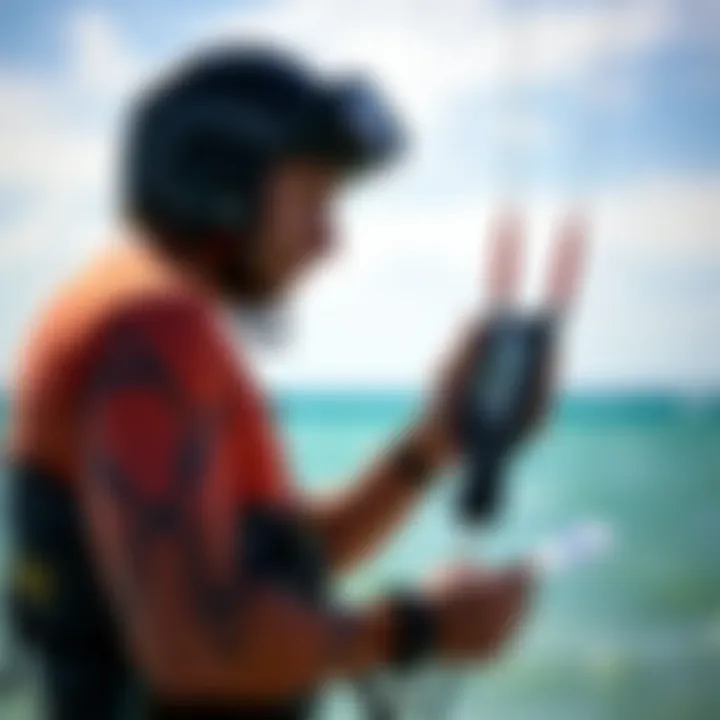
Ultimately, it’s the fine balance between reading the wind and observing its behavior that dictates the perfect time for you to hit the water.
Adjusting Techniques to Embrace Conditions
Once you've determined the right timing based on weather data, the next step is adjusting your technique to make the most of the conditions. Not every wind condition caters to every rider’s style, but being flexible can lead you down an enjoyable path.
- Change your stance: Different wind speeds can necessitate a shift in stance. In lighter winds, a wider stance can help catch more power, while in higher winds, a more compact posture might be safer and more effective.
- Alter your gear: Sometimes, your regular kite might not do the trick. Adjusting the size of your kite based on current wind conditions can make a significant difference.
- Experiment with techniques: Windsurfing styles and behaviors can change depending on what’s blowing. Embrace the unpredictability. Techniques you usually rely on might not be optimal for the current wind patterns, so adapting is key.
Conclusion? Being a kiteboarder means you have to dance with the wind. By using accurate weather data to time your sessions and adjusting your techniques, you can turn potential challenges into highlights. Remember, every ride is an opportunity to learn and grow as a sailor on the waves, making each session infinitely more enjoyable.
Safety Considerations in Wind Measurement
Understanding wind limits and the associated meteorological alerts is paramount for kiteboarders who wish to navigate the open water safely and effectively. Kiteboarding, being an inherently dynamic sport driven by wind conditions, requires awareness not only of the favorable aspects of wind but also its potential dangers. This section focuses on how safety considerations in wind measurement can significantly impact a kiteboarder’s experience and wellbeing.
Understanding Wind Limits for Safe Riding
When venturing out onto the water, kiteboarders need to have a solid grasp of the wind limits for their skill level and the capabilities of their equipment. Wind limits are not just numbers on a meter; they represent the breadth of experience and safety.
- Assessing Personal Skill Level: It's crucial for kiteboarders to honestly evaluate their own skills in various wind conditions. A seasoned expert might navigate gusts of 25 knots without breaking a sweat, while a novice might struggle significantly in winds as low as 15 knots.
- Equipment Limitations: Every kite and board has its limitations as well. Understanding these limits is akin to knowing when to fold 'em; pushing gear beyond its capabilities can lead to equipment failure and potential accidents.
- Environmental Influences: Wind conditions can shift unexpectedly due to geographical factors such as cliffs, buildings, or even shifting weather patterns. Keeping an eye on how the wind interacts with the local terrain is vital for a smooth session.
"Always respect the wind; it can be both a friend and a foe."
By familiarizing themselves with wind limits, kiteboarders can better predict when a session might turn from exhilarating to risky, allowing them to make informed choices about whether to hit the water.
Meteorological Alerts and Notifications
In this technology-driven age, staying informed about weather conditions is easier than ever. Utilizing meteorological alerts can mean the difference between a safe session and a dangerous one. Here’s why it’s essential for kiteboarders:
- Real-time Data: Accessing real-time data through apps or weather stations allows kiteboarders to make proactive decisions. This includes being notified of sudden changes in wind speed, storms, or other conditions that can arise unexpectedly.
- Effective Communication: Many modern apps and weather services provide alerts that can be shared among friends. This means a group of kiteboarders heading to a spot can collectively make informed decisions based on the same data, enhancing safety.
- Understanding Alerts: Familiarity with what different weather alerts mean (such as small craft advisories or severe thunderstorm warnings) can shape a rider’s choices, so understanding the sources and implications is key.
To sum up, incorporating knewledge of wind limits and staying current with meteorological alerts and notifications not only augments the overall kiteboarding experience but also prioritizes safety for all. Kiteboarding is a sport meant to be enjoyed; by educating oneself on weather data and its implications, enthusiasts can help ensure that every session on the water remains both thrilling and safe.
Real-life Applications of Weather Meters
When it comes to kiteboarding, the winds are your best friend and sometimes your worst enemy. Having the right weather meters can significantly change the game for enthusiasts. These instruments not only measure vital data, but they also help kiteboarders make informed decisions. In windy, challenging environments, understanding weather patterns can mean the difference between a thrilling ride and a dangerous experience.
Case Studies from Experienced Kiteboarders
Let's look at how real kiteboarders have harnessed the capabilities of weather meters on their adventures. Take Tom, for instance—a seasoned kiteboarder in Florida. He uses a portable anemometer to gauge wind speed before hitting the waves, ensuring he picks the right day for a session. On one occasion, he found that the wind was much lower than he anticipated, but updated readings indicated a gust on the horizon. Timing his session perfectly allowed him to ride the waves with safety and excitement.
Another example is Carla, who often kiteboards along the rugged coast of Cape Town. With unpredictable winds, her barometer has become the cornerstone of her kiteboarding prep. One particularly blustery afternoon, Carla noticed a drop in atmospheric pressure, signaling a weather front. She chose to postpone her session, avoiding what could have been a perilous experience with sudden squalls. These stories underscore the real-time, decision-making power of weather meters in kiteboarding.
Impact on Performance and Enjoyment
Accurate weather readings not only keep kiteboarders safe but also enhance their overall performance. Optimal conditions, as dictated by precise data, can lead to an exhilarating experience on the water. When equipment is correctly matched to environmental conditions, riding becomes more fluid.
Using a high-quality hygrometer, a kiteboarder might discover that higher humidity levels increase lift and reduce drag. This knowledge can help them choose specific kite sizes more effectively, amplifying the thrill.
Moreover, being aware of temperature trends can also influence decisions on gear. Cooler air may require thicker suits for mariners venturing out early in the day. Understanding all these variables—speed, direction, pressure, and humidity—provides not just a safer context but a more enjoyable environment. Riding in sync with nature fosters that magical connection every kiteboarder seeks.
"Kiteboarding isn’t just about the ride. It’s about everything leading up to it—the preparation, the anticipation, and the beautifully chaotic unpredictability of nature."
In essence, the real-world applications of weather meters extend well beyond mere statistics. They offer kiteboarders a way to truly connect with their environment, enhance their performance, and ensure a safer experience on the water.
Epilogue
The importance of understanding wind and weather meters in kiteboarding cannot be overstated. These devices serve as the compass and the safety net for enthusiasts who wish to elevate their experience on the water. Having reliable weather data directly impacts decision-making, enabling kiteboarders to choose the right conditions to minimize risks and enhance enjoyment.
The Future of Wind and Weather Monitoring
As technology continues to evolve, the future of wind and weather monitoring holds much promise. Recent advancements indicate that these tools are becoming more sophisticated and user-friendly. From compact, portable anemometers that can fit in a pocket to advanced mobile apps that provide real-time meteorological updates, kiteboarders can expect to enjoy the benefits of greater accuracy and ease of use.
Incorporating AI algorithms, some modern devices can analyze historical weather patterns and deliver forecasts tailored not just for areas, but specific water conditions. This predictive capability is a game changer. Rather than simply relying on current wind speeds and directions, kiteboarders will have insights into how conditions might evolve, allowing them to better prepare for upcoming sessions and even avoid dangerous situations.
"Data has become as essential as the gear itself; the better the data, the better the ride."
Embracing Technology for Enhanced Experiences
Kiteboarding is as much about the thrill as it is about understanding the environment in which the activity takes place. Embracing modern technology represents a significant leap forward for the kiteboarding community.
Users can now sync wearable devices with weather meters to receive tailored alerts for optimal kiteboarding conditions. This seamless integration means that enthusiasts can focus more on enjoying their time on the water while relying on technology to keep them informed.
Moreover, social platforms like Reddit and Facebook groups serve as active communities where kiteboarders can share real-time data, favorite spots, and safety tips. By integrating collective wisdom with real-time data, kiteboarders can significantly enhance their experiences while fostering a sense of community.
In summary, by making the most of current technology and future advancements, kiteboarders not only increase their safety but also unlock new dimensions to their adventures. Understanding how to effectively use wind and weather meters opens up a world of possibilities. This not only promotes better performance but nurtures a more enjoyable and responsible kiteboarding culture.