Exploring Wind Surfing Dynamics in Aruba


Intro
Aruba, a gem tucked away in the southern Caribbean, offers more than just sun-soaked beaches and crystal-clear waters. The island boasts steady trade winds, making it an ideal playground for enthusiasts and beginners alike in the world of wind surfing. Each gust turns into a thrilling ride, echoing the natural synergy between the ocean and the wind.
In this guide, we will peel back the layers of what makes wind surfing in Aruba not just a sport, but a way of life. From the best spots to gear up your experience, to insights on mastering techniques that elevate your skills, we will cover it all. We’ll also touch on the cultural footprint of wind surfing in Aruba and how it intertwines with local tourism and ecology.
By diving into the factors that shape the wind surfing scene here, this article will provide a comprehensive look at everything related to wind surfing on this vibrant island.
Gear Insights
When it comes to wind surfing in Aruba, having the right gear can make a world of difference. The unpredictable nature of the wind means that what's essential for one surfer may not fit another's needs. Here, we will explore the crucial equipment and recent innovations that can enhance the wind surfing experience.
Latest Gear Reviews
In the rapidly evolving world of wind surfing, gear gets updated regularly. New boards, sails, and accessories come onto the market, each promising performance enhancements. A few notable items that have made waves recently include the Starboard 2023
- Futura Windsurf Board: This board is noted for its versatile design, catering to both speed and maneuverability for riders across skill levels.
- Neil Pryde Evo X: A sail that's lightweight and packed with tech, allowing for efficient wind capture and control in various conditions.
These products have received praise from seasoned surfers for reliability and performance.
Essential Gear for Beginners
For those just dipping their toes into the wind surfing waters, knowing what to pack can feel a bit overwhelming. Here’s what you’ll want to have in your arsenal:
- Beginner Board: Look for a larger, more stable board that offers good buoyancy to ease the learning curve.
- Sail Size: A sail between 4.5 and 6.5 square meters is ideal for starters, providing a balance of power and ease of control.
- Harness: An adjustable harness that fits comfortably will allow for better control and less strain on your arms.
In Aruba, local shops often offer rental packages that include the necessities, making it convenient for newcomers.
“With the right gear and mindset, Aruba’s winds can turn any humdrum day into one of exhilarating adventure.”
Techniques and Tips
Once you're well-equipped, the next level of mastery involves understanding techniques that can help you navigate the waters like a pro. Wind surfing is not just about the wind and water; it’s about connecting with your surroundings and feeling the rhythm of nature.
Advanced Tricks and Techniques
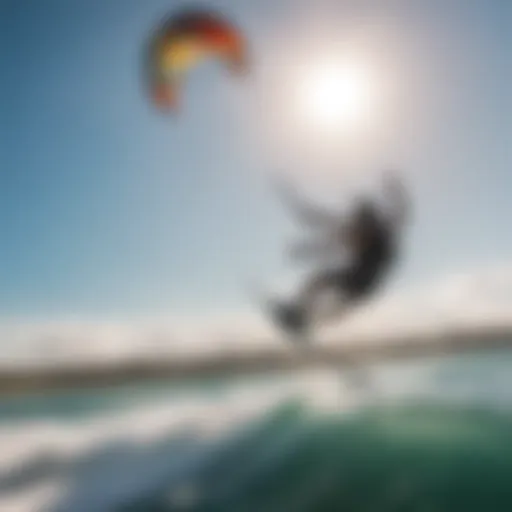
As you gain confidence on the board, you might feel tempted to spice things up. Tricks like the Jump involves popping off the water to catch some air, while the Back-loop is for those looking to impress.
Keep these techniques in mind as you practice:
- Foot Placement: Properly positioning your feet on the board, depending on whether you are turning or going straight, can greatly affect your control.
- Sail Position: Pulling on the sail too hard or not enough can lead to imbalances. Find the sweet spot where you feel connected and balanced.
- Wind Awareness: Read the wind patterns and adjust your movements accordingly. Mastering this aspect takes time but results in a more enjoyable experience.
Safety Practices for Kiteboarders
Safety should never take a back seat, especially in an unpredictable element like the sea. Here are key safety measures to pay attention to:
- Wear a Life Jacket: Never underestimate the importance of a life vest, especially for beginners.
- Know Your Limits: Understand your skill level and avoid conditions that could be too challenging.
- Stay Aware of Surroundings: Always keep an eye on other water users and possible hazards.
Taking these precautions helps ensure a fun yet safe wind surfing adventure, allowing you to fully immerse yourself in Aruba’s breathtaking landscapes while respecting the ocean and its quirks.
With the right gear and techniques, every wind surfer can find their rhythm in Aruba, transforming the island's breezy days into unforgettable journeys on the water.
Prelims to Wind Surfing in Aruba
Wind surfing in Aruba isn’t just a pastime; it’s a rite of passage for both locals and visitors. Imagine gliding over crystalline waters, propelled by steady trade winds, the vibrant colors of the Caribbean surrounding you. This section aims to illuminate why wind surfing in Aruba holds such a unique place for adventurers.
Firstly, Aruba's geographical blessing plays a pivotal role in this sport. With its location just above the equator, the island enjoys consistent winds that make it ideal for wind surfing almost year-round. Unlike many destinations where conditions fluctuate wildly, Aruba offers predictable patterns that cater to all skill levels. Whether you’re a rookie trying to find your sea legs or a seasoned pro looking to catch air, the conditions here ensure that you won’t be at sea level for long.
Furthermore, engaging in wind surfing doesn’t just tick a box on a travel itinerary; it fosters a deep connection with the ocean and the local culture. Surfers quickly discover the keys to navigating these waters while interacting with fellow enthusiasts, thus creating a community that spans continents. This bond not only enriches the sailing experience but encourages sustainable practices aimed at preserving the natural beauty of the island.
There are also personal transformations that happen when one takes to the waves. The thrill of harnessing wind, the balance between control and chaos, and the sheer joy of racing across the ocean can be a profoundly liberating experience. These elements make wind surfing much more than a sport; it becomes an exhilarating escape, a lifestyle choice embraced by many.
Moreover, this activity provides an accessible way to embrace a healthy and active lifestyle, one that invites participants of all ages to suit up and join the fun.
"Wind surfing in Aruba is where adventure meets serenity, a dance between the human spirit and nature's elements."
At the end of the day, wind surfing in Aruba is not just about the adrenaline; it's about the memories created, the lessons learned, and the enchanting backdrop that this island offers. This article will explore every nook and cranny of wind surfing here, from geographical advantages to essential gear, ensuring that whether you’re just dipping your toes in or you’re ready to dive head-first, there’s plenty to absorb.
Geographical Advantages of Aruba
The geographical nuances of Aruba are not merely a backdrop; they play a pivotal role in shaping the wind surfing experience. This island, with its unique positioning in the Caribbean, is a hidden gem for wind sports enthusiasts. The combination of favorable location, climate, and other elements creates a wind surfing paradise unlike any other.
Location and Climate
Aruba is located off the coast of Venezuela, just above the equator, which bestows it with a tropical climate that is characterized by warm temperatures year-round. This essentially means that anyone eager to hop on a wind surf board does not have to wait for ideal weather patterns. The island enjoys an average temperature of around 82°F, which is a treat for water sports lovers.
Additionally, Aruba's proximity to the ocean is not just for show; it also aids in maintaining stable and predictable wind patterns. The geography of the island includes flat terrains along with gentle slopes that lead to the beaches, allowing for easy access to the water. The rugged east coast of Aruba contrasts with the calmer western shores but all contribute to a wind surfer’s playground.
"If you're looking for consistent sunny days with a backdrop of blowing sails, Aruba might just steal your heart."
Perfect Wind Conditions
Perhaps one of Aruba's most significant advantages lies in its wind conditions. The island is blessed with steady trade winds that blow at speeds ideal for wind surfing. These winds typically average between 15 to 25 knots, providing just the right push for both novice and expert surfers. As the season changes, these winds remain fairly reliable, allowing for excellent surfing conditions almost all year round.
The eastern section of Aruba, particularly known for its wind intensity, serves as a magnet for wind surfing aficionados. Locations like Boca Grandi provide not only breathtaking scenery but also winds that would make any wind surfer’s heart race. The natural layout of the island helps to funnel these winds, making certain spots particularly favorable.
For novices, the consistency of the winds means that learning to master the craft becomes less daunting. Learners find themselves improving rapidly, as they can practice often without the hassle of unpredictable weather.
In summary, the geographical advantages of Aruba set it apart as a destination for wind surfing. Its unique location, stable climate, and perfect wind conditions create a perfect environment for both serious competitors and casual adventurers alike.
Popular Wind Surfing Spots in Aruba
Wind surfing in Aruba offers not just an exhilarating sport; it opens up a portal to some of the most captivating landscapes the Caribbean has to offer. The choice of spots significantly impacts the experience, making it essential to know where to go for the best sessions. Each location factors in the natural wind conditions, safety, and the enjoyment level, making them prime spots for both beginners and seasoned surfers. Here, we will explore three of the most popular wind surfing spots: Palm Beach, Baby Beach, and Boca Grandi.
Palm Beach
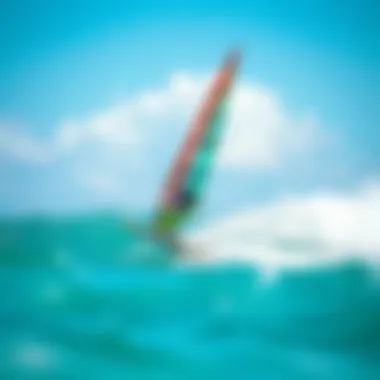
Situated on the west coast, Palm Beach is nothing short of a quintessential paradise for wind surfers. The warm azure waters coupled with white sandy shores set the scene, but it is the steady trade winds that truly make this spot shine. The wind usually blows between 12 to 25 knots, particularly from December to July, which is ideal for all skill levels.
For beginners, the gently sloping sandy bottom makes launching and retrieving quite manageable. Meanwhile, experienced surfers can take advantage of the stronger winds further out to perform jumps and tricks. Moreover, the proximity of various wind surfing schools helps those looking to get lessons or rent gear easily.
Tip: Arriving early helps avoid the crowds, pushing out into the water with fewer distractions.

Baby Beach
Moving towards the southern tip of Aruba, Baby Beach presents a more relaxed atmosphere, perfect for those looking to wind surf at a leisurely pace. The water is shallow, with a gradient that makes it exceptionally safe for beginners. The onshore winds blowing at moderate speeds create conditions conducive to a slow learning curve without feeling overwhelmed.
While Baby Beach may not offer the challenges of Palm Beach, it is beautiful in its own right. The scenery is stunning, and the vibe is laid-back. It is not uncommon to witness families picnicking nearby while surfers glide over the gentle waves. This is also a great spot for those who wish to combine windsurfing with social gathering, making it popular for tourists and locals alike.
Boca Grandi
For those who crave a more thrilling adventure, Boca Grandi is where to head. Located on the southeast coast, this spot is known for its powerful winds, frequently reaching up to 30 knots. Boca Grandi provides surfable waves and a bit of challenge, catering mainly to advanced surfers seeking an adrenaline rush. It’s advisable to have solid skills and a good grasp of wind direction before attempting to windsurf here, as the conditions can change rapidly.
Boca Grandi is frequently less crowded, which allows experienced surfers to have more solo space for practice and exploration. The spot is often favored for its raw beauty, where rugged cliffs frame the surf zone, creating a picturesque backdrop. It’s not just about the surf; it’s about the journey there as well—this location represents the wild side of Aruba, contrasting with the tranquility of Palm and Baby Beach.
In summary, Aruba’s windsurfing spots cater to a range of skill levels, preferences, and experiences. Each has its unique charm and challenges, making the island a veritable haven for anyone passionate about windsurfing.
Understanding the Local Winds
Understanding the winds in Aruba is crucial for anyone looking to immerse themselves in the sport of wind surfing. The winds dictate not only the conditions on the water but also the overall experience for both novices and expert surfers alike. Knowledge of how these winds interact with the local geography can enhance performance and safety on the water. Having a grasp on local winds can equate to more thrilling rides, making it essential for surfers to pay attention.
Trade Winds Explained
The trade winds that sweep across Aruba are a surfer’s best friend. Generally blowing from the east, these winds provide a reliable and steady breeze throughout much of the year. The average speed typically sits around fifteen to twenty knots, which is ideal for windsurfing. But it goes beyond just speed; the consistency and direction of the winds benefit every windsurfer regardless of skill level.
These winds are more than just a random occurrence; they are a result of larger atmospheric patterns. The air heats up near the equator and rises, leading to a continuous cycle of air movement. When you're out on the water, you will often feel these winds just as they are meant to be felt—constant and predictable. This predictability allows surfers to plan their sessions, knowing that the winds can be counted on during specific times of the day. Some say the best time to ride these winds is early in the morning or late afternoon, when the trade winds tend to be at their peak.
Wind Patterns Throughout the Year
Wind patterns in Aruba can vary from season to season, but they largely follow a few predictable trends that every surfer should be aware of. During the winter months, particularly from December to February, the trade winds often blow more consistently and at higher speeds. Many surfers regard this as the peak season for windsurfing. The winds can reach speeds up to twenty-five knots, which can turn an ordinary session into an exhilarating experience.
As the year progresses into spring and summer, winds may become a little more variable. The winds still blow, but their strength and consistency can fluctuate more dramatically. In the summer months, occasional calms can be experienced, making it a mix of thrill and patience for the determined windsurfer. Understanding these variations can help surfers adjust their techniques; for instance, being ready to handle stronger winds or waiting for the right moment when the breezes kick back up.
Another crucial aspect to remember is that local topography influences wind patterns. The lagoons and beaches act as natural barriers, often creating gusts that can surprise the unprepared. Gaining insights into how local features interact with the winds can help you anticipate changes and navigate accordingly.
"Good wind isn’t just a blessing; it’s the heartbeat of the sport."
With this knowledge of trade winds and seasonal patterns, surfers can better plan their windsurfing adventures in Aruba, ensuring they make the most of their time on the water. Not only does understanding the winds enhance performance, it can also add an enjoyable element of strategy to what is already an exciting sport.
The Best Times for Wind Surfing
When considering windsurfing in Aruba, the timing can make all the difference between a heavenly experience and a turbulent one. Whether you are a seasoned pro or just stepping onto the board for the first time, knowing the best times for wind surfing can influence your enjoyment and effectiveness out on the water. Factors like wind strength, weather conditions, and even the time of year convolute the experience, painting a dynamic picture that both beginners and veterans must appreciate.
Winter Season Dynamics
The winter months from December to March are often heralded as the prime windsurfing season in Aruba. During this time, the island becomes a hub, attracting enthusiasts from all corners of the globe. The consistent trade winds during these months hover around a satisfying 20 to 30 knots, allowing both beginners and experts to ride comfortably.
But it’s not just about the wind; the weather plays a huge role too. Clear skies and warm temperatures, usually resting around 80°F (27°C), ensure that riders are not just battling the waves but enjoying the sun. Not to mention, this season tends to have fewer rain showers, making it a safer bet for a full day on the water.
“It’s like being part of a windsurfing symphony, with every gust knitting together an exhilarating ride!”
Still, it’s good to consider that Aruba is a popular spot during winter. Crowds can be hefty, especially around festive holidays. Thus, planning your trip ahead of time or aiming for less traveled beaches could make for a more enjoyable adventure.
Summer Winds Variability
As summer rolls around, approximately from June to November, the winds can be a bit more fickle, presenting both challenges and opportunities for wind surfers. While the average wind speeds dip to about 15 to 25 knots, they can vary wildly based on daily weather conditions. This time of year experiences the occasional tropical storm, influencing wind and surf conditions dramatically.
Even with the unpredictable winds, serious enthusiasts often seize the chance to hone their skills or try new maneuvers. The hot sun and lower water traffic provide a wonderful backdrop for exploration and practice. Plus, the vibrant local culture and festivities during this period add to the overall experience.
In summary, summer may not be the predictable paradise that winter promises, but those who venture out can still discover unexpected thrills. Riders looking to navigate the nuances of the summer winds might just walk away with tales of sun-soaked adventures and daring exploits.
This intricate tapestry of climate, wind, and local life reveals just how essential timing is in the windsurfing scene of Aruba. By aligning your visit with either the reliable winds of winter or the adventurous spirit of summer, you'll enhance your experience and truly embrace everything this beautiful island has to offer.
Essential Equipment for Wind Surfing
Wind surfing demands not just skill but also the right equipment. Having the proper gear can mean the difference between gliding seamlessly over the water and struggling against the elements. The essentials fall into a few categories: boards, sails, and safety gear. Each plays a vital role in ensuring that a wind surfer can perform at their best while prioritizing safety.
Choosing the Right Board
Selecting a board is one of the most crucial decisions for any windsurfer, be it a novice or a seasoned rider. Boards come in various shapes and sizes, each tailored to specific styles of windsurfing, like slalom or freestyle. Considerations like width, length, and volume are essential when picking out a board.
- Beginner Boards: These tend to be wider and more buoyant, making it easier to balance and learn basic techniques. A wider board reduces the chances of tipping over while a larger volume provides better floatation.
- Intermediate to Advanced Boards: As skills improve, surfers may choose narrower boards for enhanced speed and maneuverability. These are typically designed for specific conditions or styles. If you're aiming to perform tricks or race against the wind, specialized boards will better suit those ambitions.
In Aruba, where the winds can be quite reliable, having a board that aligns with the local conditions will elevate the surfing experience. Choosing the right board is not just about comfort; it's about enhancing performance.
Selecting Appropriate Sails
Sails significantly influence the way a board handles in the water. They come in different styles and sizes based on wind conditions and skill level. Small sails work best in high winds, while larger sails provide more power in lighter breezes.
- Material: Look for sails made of durable materials like monofilm or mylar. They should be lightweight but also withstand the wear and tear that comes from frequent use.
- Rigging and Setup: Ensure that the setup is straightforward, especially for beginners. A user-friendly rig will make it easier to hit the water without a lengthy preparation time.
- Consult Local Know-How: Don’t shy away from seeking advice from local surf shops or schools about which sails perform best in Aruba's unique wind conditions. Each sail can bring out different performance characteristics, especially when matched with the right board.
Safety Gear Recommendations
Safety gear is an often-overlooked aspect of wind surfing, yet it’s indispensable for a fun experience. Without the right equipment, wind surfing can quickly become hazardous. Here are some essential safety gear items:
- Impact Vest: This helps to safeguard against injuries caused by falls or collisions. It provides buoyancy while also offering protection.
- Helmets: Wearing a helmet might seem unnecessary for a casual day on the water, but it becomes crucial in more rigorous conditions where the risk of falling or head injuries increases.
- Foot Straps: These assist in maintaining better board control, especially when performing jumps or tricks. They are vital for both comfort and safety.
"Investing in quality gear is not just about enhancing performance; it’s also about ensuring safety and enjoying your time on the water to the fullest."
Techniques for Beginners
Understanding the techniques for beginners in wind surfing is essential for those who are just starting out on this thrilling water sport. These techniques serve as a foundational framework that allows newcomers to safely navigate the waters while developing their skills. By honing these basic skills early on, wind surfers can enjoy a more fulfilling and safer experience, transforming what could be a challenging endeavor into a smoother ride.
Fundamentals of Balancing
Balance is the cornerstone of wind surfing. To maintain stability on the board, one must learn to distribute their weight properly.
- Stance - Stand with feet shoulder-width apart. Keeping your knees slightly bent can help absorb the movements of the board. Adjusting your stance accordingly aligns your center of gravity with the board, making it easier to manage.
- Weight Shifting - Leaning your body slightly forward engages the sail, providing more power. Conversely, when you tilt back, it helps to slow down.
- Core Engagement - A strong core stabilizes your body as waves and wind challenge your balance. Focus on tightening your abdominal muscles while maintaining a relaxed posture. This awareness can make all the difference when dealing with unexpected gusts.
"Balance isn’t just about standing on the board; it’s about synchronizing your movements with the forces of nature."
Practicing these fundamentals can turn an overwhelming experience into one of confidence. Try practicing on land first; even standing on a balance board can help develop the muscle memory needed.
Basic Maneuvers
Once you've got balancing down, it's time to dive into basic maneuvers. Mastering these moves not only enhances your control but also prepares you for more advanced techniques.
- Tacking - This maneuver is essential for changing direction against the wind. Shift your weight as you turn the sail, bringing it from one side to the other. By bearing off and then moving into the wind, you can gain ground in a headwind.
- Jibing - This is a stylish move that involves turning downwind. As you shift your weight to the new side of the board, the sail needs to follow suit. The goal is to keep the sail filled with wind. Timing is key for a successful jibe.
- Stopping - Learning how to stop effectively is crucial. To do this, simply shift your weight backward while pulling the sail in closer to your body. The board will gradually lose momentum, allowing for a smooth halt.
By focusing on these basic strategies, beginners can build a solid foundation, increasing their comfort and enjoyment in the sport. Remember, persistence is key; every expert was once a beginner, learning the ropes one wave at a time.
For more tips and personal insights, check out resources like Britannica or engage with fellow windsurfers on platforms like Reddit.
These communities often host discussions that can help novice surfers find their footing while learning to navigate the challenges of open water.
Advanced Techniques for Enthusiasts
Wind surfing in Aruba is not just a pastime; it's an exhilarating dance between rider, board, and wind. For those who have surpassed the initial learning curve, the real excitement lies in mastering advanced techniques. This section sheds light on how such skills can enhance performance and enjoyment, setting apart the seasoned wind surfer from the novice.
Carving and Jumps
Carving is an essential technique that brings excitement and grace to wind surfing. It's the art of turning sharply on the water, performing smooth arcs that can make a surfer appear as if they're gliding effortlessly across the surface. To carve effectively, a wind surfer needs to shift their weight judiciously, leaning into the turn while maintaining tension on the sail. Here are a few pointers on perfecting this technique:
- Weight Distribution: Adjust your weight as you initiate a turn, placing your body closer to the tail of the board. This helps to sink the rail into the water, facilitating a tighter turn.
- Sail Handling: As you turn, pull in the sail slightly to maintain speed while edging against the wind. The sail should act as a counterbalance to the centrifugal force experienced during the turn.
- Practice Makes Perfect: Begin practicing carving in mild winds. Feel the differences in balance and control, then progress to more challenging conditions as your confidence grows.
Jumping takes things to another level. Proper execution of jumps, or "pop-ups" as some call them, opens the door to freestyle tricks and adds an aerial dimension to your windsurfing adventures.
- Speed and Technique: To jump, you need to build up enough speed. Right before liftoff, use your legs to push down on the board while simultaneously pulling the sail upwards. This dynamic movement will provide the lift necessary to get airborne.
- Landing: As you come down, focus on keeping your knees bent to absorb the impact. Aim for the tail of the board to enter the water first, reducing the chance of a hard landing.
Whether you’re carving beautifully through a turn or floating in mid-air during a jump, these advanced maneuvers enhance the thrill of wind surfing and increase skill levels dramatically. They also allow for personal expression, letting individual style shine through in every ride.
Wind Awareness
Understanding the nuances of wind is fundamental for any advanced wind surfer. Wind awareness combines reading the conditions and making instantaneous decisions to optimize performance.
- Reading Wind Patterns: Take time to observe the wind's behavior before venturing out. Look at the tree tops, flags, and the water's surface to gauge wind direction and intensity.
- Local Knowledge: Each windsurfing location, such as the beaches of Aruba, has unique wind patterns influenced by geographical features. Spend time learning how these elements interact. For instance, in Aruba, coastal cliffs can cause gusty conditions that require immediate adaptation in techniques.
- Adaptation and Reaction: As one rides, conditions will vary. The ability to adjust speed, angle, and sail tension on the fly makes for a better experience. The more one practices reading wind conditions, the sharper that instinct becomes.
"In windsurfing, the rider-wind relationship is like a duet: a perfect balance may lead to harmony, while any misstep can result in a dissonant disaster."
For further insights into windsurfing techniques, you may refer to reputable resources such as Britannica or engage with communities on Reddit.
With dedication and practice, every wind surfer can elevate their game, finding new ways to enjoy the crystalline waters of Aruba.
Environmental Considerations
When exploring wind surfing in Aruba, one cannot overlook the significance of environmental considerations. The natural beauty around the island, with its crystal-clear waters and vibrant ecosystems, makes it a prime location for this exhilarating sport. However, the interaction between wind surfers and the delicate marine environment calls for a deep understanding of how to enjoy the sport responsibly.
Impact on Local Ecosystems
Wind surfing does not just harness the power of the wind; it influences the ecosystems in which it takes place. The coral reefs surrounding Aruba are vital for marine life, serving as habitats for various fish species and other sea creatures. When wind surfers interact with these environments, whether through direct contact or by generating wake turbulence, there are potential risks involved. Heavy foot traffic in certain areas could damage fragile reef structures, and careless practices can lead to increased sedimentation, which ultimately affects water clarity and the health of corals.
"A moment of carelessness can turn a beautiful surfing experience into a hazard for our local ecosystems."
It’s essential to choose designated surfing spots that have minimal impact on marine life. Using proper equipment and techniques can make a notable difference in ensuring that wind surfing activities do not disturb the natural habitats. Respect for the marine environment not only preserves the beauty but enhances the overall experience for surfers. Some ways to minimize impact include:
- Keeping a safe distance from reef areas.
- Avoiding shallow waters to prevent damaging the seabed.
- Observing local wildlife and maintaining a respectful distance from sensitive species.
Sustainable Practices
Engagement in wind surfing across Aruba should also encompass sustainable practices. The ethos of sustainability in wind surfing aligns with the growing awareness of environmental preservation. Over the years, many local organizations and surf schools have promoted initiatives aimed at reducing the ecological footprint of the sport.
For instance:
- Eco-Friendly Gear: Surfers can opt for equipment made from sustainable materials, such as biodegradable or recyclable items. This choice not only supports local artisans and businesses but also lessens the amount of plastic waste entering the ocean.
- Waste Management: Ensuring that all trash is properly disposed of or recycled is a fundamental practice. Many surfing schools and rental shops emphasize this responsibility to their customers.
- Community Involvement: Joining local clean-up initiatives can create a positive impact. Many surfers volunteer for beach clean-up days, fostering a sense of community and environmental stewardship.
Incorporating sustainability into the fabric of wind surfing in Aruba not only protects the natural environment but also enhances the experience, making it more enriching for both the surfers and the communities involved. As we navigate the waves, let’s remember that the health of Aruba’s ecosystems ultimately enriches our adventures on the water.
Cultural Significance of Wind Surfing
Wind surfing in Aruba isn't just a sport; it's interwoven into the very fabric of the island’s culture and ethos. From the buzzing beaches to spirited community events, the activity serves as a unifier, bringing people together across generations. The thrill of riding the waves might call to adventurers, but it also resonates deeply with the collective identity of Aruban society.
Local Festivals and Events
Aruba hosts a variety of festivals that celebrate wind surfing, drawing participants and spectators from far and wide. Each event is a vibrant spectacle of color, music, and camaraderie.
- Annual Aruba Windsurfing Championship: This competition sees international competitors showcasing their skills, igniting local pride. Surfers from all walks of life gather, not just to battle it out on the water, but also to share stories and techniques. Many locals view this event as one of the highlights of their calendar, boasting great excitement and community spirit.
- The Aruba Surf Carnival: This festival, held every summer, combines wind surfing with music and cultural exhibitions. It's more than just about the sporting aspect; it promotes Aruban heritage through food, art, and performance. Surfers and non-surfers unite here, experiencing a rich tapestry of Caribbean culture.
An iconic moment during these festivals is when locals and visitors alike participate in informal competitions. These casual races, where the priority is fun rather than skill, foster friendly rivalries, turning strangers into friends.
Community Involvement
Community participation is crucial in shaping the windsurfing culture on the island. The locals engage in numerous ways that support both the sport and the surfers.
For example:
- Volunteer Groups: Numerous organizations team up to maintain local beaches, ensuring they are clear of debris and safe for surfing. This not only promotes safety but also encourages a sustainable approach to enjoying the environment.
- Workshops for Youth: Many local surf schools conduct workshops for the younger generation, instilling a love for the sport and skills early on. This initiative nurtures local talent and helps kids build confidence while fostering a deeper connection with their surroundings.
- Collaboration with Environmental Groups: In a bid to protect marine ecosystems, several windsurfing groups collaborate with environmental organizations. They participate in clean-up drives and educational sessions, spreading awareness about the importance of preserving Aruban waters and wildlife.
The essence of wind surfing in Aruba transcends the thrill of the ride; it's a celebration of community, culture, and conservation.
Through these events and initiatives, windsurfing becomes more than a pastime; it encapsulates a way of life that binds the islanders together—creating a rich culture steeped in respect for nature, joy in competition, and an embrace of diverse experiences.
For more details on Aruba’s cultural festivals, visit Aruba Tourism Board or check out local insights on reddit.com for the latest happenings and community stories.
Personal Experiences and Narratives
Personal experiences and narratives play a significant role in capturing the essence of wind surfing in Aruba. They illuminate how this exhilarating water sport connects individuals not just with the wind and waves, but also with each other and the local culture. Each shared story serves as a thread that weaves together the fabric of a community united by a love for the sea and the thrill of surfing.
These narratives are often marked by a range of emotions, adventures, and realizations experienced by both locals and traveling enthusiasts. Sharing such experiences offers insight into the joys, challenges, and unique memories that form part of wind surfing adventures. This section underscores the value of personal stories as a key component that enriches the journey of enthusiasts of all levels, enhancing their approach to the sport and its environment.
Moreover, these accounts can serve as a source of inspiration for newcomers, highlighting what they might encounter as they embark on their own surfing voyages. Hearing local tales can create an emotional connection to the destination, transforming mere visitors into part of the local narrative. In essence, stories from both locals and travelers shed light on the communal aspect of wind surfing, which can sometimes be overlooked in the broader discussions of technique and environment.
Stories from Locals
Hearing from those who have made wind surfing a part of their daily lives adds depth to the narrative of the sport in Aruba. Locals often recount their first experiences on the water, filled with nervous excitement and anticipation, as they jump on their boards for the first time, feeling the wind tug at them.
One local, Diego, shared his tale of navigating the waters off Palm Beach during a particularly grueling competition. He describes the day as a mix of adrenaline and camaraderie, as friends rallied to support each other amidst the challenges. The wind that day proved unusually strong but thrilling, resulting in moments of both triumph and miss. Diego's story underscores that while individual skill is important, the support of fellow surfers often makes all the difference.
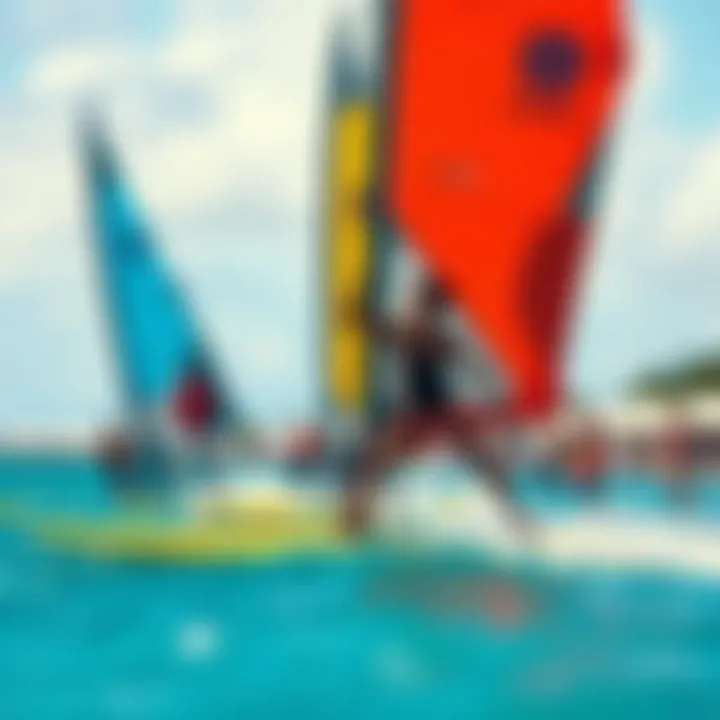
These personal accounts also delve into the evolution of the sport in Aruba, where generations have passed down techniques and traditions. Family legacies intertwine with the surfboards and sails, leading to a rich tapestry of experiences from distinct perspectives.
Travelers' Testimonials
Testimonials from travelers who venture to Aruba to engage in wind surfing offer a fresh perspective distinct from the local narratives. They often describe their journeys with a sense of wonder and discovery, detailing how the breathtaking landscapes and azure waters set the stage for unforgettable experiences.
For instance, Sarah, a tourist from Canada, vividly remembers her first experience at Baby Beach. She mentions, "The feeling of being pulled by the wind as I skimmed across the turquoise water was something else! It felt like flying. I can’t believe I had waited so long to try wind surfing—it changed my vacation completely." Such testimonials highlight the transformative power of wind surfing, not just as a sport, but as a vehicle for personal growth and exploration.
Travelers often emphasize not only the thrill of riding the waves but also the opportunity for connection with both other surfers and the land. Many report forming friendships with locals and fellow travelers, all of whom share a common passion that transcends language and cultural barriers. These connections lead to enriching experiences that deepen their understanding of Aruba’s culture and natural beauty.
In leveraging these rich stories and personal experiences, future wind surfers can glean invaluable insights that textbooks may not provide. Curious adventurers will find both guidance and inspiration in the narratives of those who have experienced wind surfing in Aruba, reminding them of the profound adventure that awaits on the horizon.
Safety Guidelines for Wind Surfing
Wind surfing in Aruba can be an exhilarating experience, but like any adventure sport, it comes with its own set of risks. The key to enjoying this thrilling activity is understanding and adhering to safety guidelines. Ensuring safety not only protects the individual wind surfer but also contributes to the well-being of the local marine ecosystem and those sharing the waters.
Understanding Weather Conditions
Before stepping onto the board, it's vital to have a grasp on local weather conditions. Aruba is predominantly known for its trade winds, which can vary significantly. Wind surfers should always check the daily wind reports from reliable resources or local surf shops. Pay attention to both the wind speed and direction.
Key Elements to Consider:
- Wind Speed: Ideal wind speeds for beginners hover around 10 to 20 knots. Anything above 25 knots can be quite challenging, even for seasoned surfers.
- Water Conditions: Take note of the sea state. Choppy waters can increase the likelihood of accidents.
- Weather Changes: Be alert for sudden changes such as rain showers or shifting winds which may indicate an approaching storm.
- Local Forecast Resources: Websites like Wunderground.com offer localized, real-time weather information that can help in planning a safe wind surfing outing.
It’s also a good practice to talk to local surfers or instructors. They often have insights into the day's conditions that aren't evident from just looking.
Emergency Procedures
Even the most cautious wind surfers can encounter unexpected situations. Therefore, knowing proper emergency procedures is crucial for everyone involved.
"Prevention is always better than cure. Staying prepared helps you enjoy the ride."
Steps to Follow in Case of Emergency:
- Establish communication lines: Make sure your fellow surfers or instructors know where you are at all times. Carry a whistle or a waterproof communication device, like a VHF radio, that can call for help if needed.
- Know your rescue options: Familiarize yourself with the closest rescue services and local authorities. Knowing whom to call in case of an emergency can save valuable time.
- Practice self-rescue techniques: If you find yourself in trouble, being able to self-rescue is essential. This can include knowing how to swim back to shore and using your board to assist in flotation if necessary.
- Wear appropriate gear: A personal floatation device (PFD) or impact vest can make all the difference in ensuring your safety should the unexpected occur.
- Regular drills: Conducting safety drills with your windsurfing group can help everyone be prepared and respond effectively in case a real emergency arises.
Safety should never be an afterthought in wind surfing. By being weather-aware and knowing emergency procedures, wind surfers can navigate the waves with not just excitement, but assurance. Whether you're a novice or an expert, prioritizing safety ensures that everyone can enjoy the beauty of Aruba's waters thoroughly.
Wind Surfing Schools and Training
Wind surfing holds a special place in Aruba's vibrant water sports scene. Yet, the thrill of gliding over the waves isn't solely a matter of riding the winds; it's also about mastering the skills that keep you safe and enhance your enjoyment. That's where wind surfing schools and training programs come into play. These institutions offer beginner and advanced courses focusing on essential techniques, safety protocols, and equipment knowledge. They provide a structured environment where aspiring wind surfers can build their confidence and hone their abilities under the guidance of experienced instructors.
Within this framework, learning becomes a community affair. It’s not just about the lessons but also about engaging with like-minded individuals who share a passion for the ocean. Finding a good school can shape a novice's experience and significantly impact their journey in wind surfing, ensuring that one learns the right skills the first time around.
Recommended Schools in Aruba
Aruba boasts several wind surfing schools that cater to all skill levels. Here are some top picks for anyone looking to hit the waves:
- Surfside Aruba offers a friendly atmosphere that welcomes everyone, from absolute beginners to seasoned sailors. Their instructors focus on personalized attention to help you get the most from your learning experience.
- Sandsurf is known for its extensive fleet of equipment and well-structured courses. They provide both group classes and individual sessions, ensuring that each student receives attention tailored to their progress.
- Aruba Windsurfing School, with its seasoned instructors, emphasizes safety above all. They’re committed to both fun and learning, making the process enjoyable and educational.
- Windsurfing Aruba features a unique program that combines lessons with social events, offering classes that pave the way to new friendships and experiences on the water.
These schools not only teach wind surfing techniques but also immerse you in the local culture, making it an enriching experience.
Certification Programs
For those seeking to deepen their skills or pursue wind surfing as a serious hobby, attending a certification program can be incredibly beneficial. Many schools offer internationally recognized certification courses, such as those from the International Windsurfing Association (IWA) or the American Windsurfing Association (AWA).
Attaining a certification can be a rewarding step. Here are some points to consider:
- Credibility: Having a certification can bolster your confidence and demonstrate your skills to potential rental shops and schools worldwide.
- Skill Development: Participating in these programs often enhances your proficiency, covering advanced techniques and safety procedures essential for independent wind surfing.
- Networking Opportunities: Getting certified can introduce you to a wider community of enthusiasts, enabling connections that make your time on the water even more enjoyable.
The emphasis on structured learning in wind surfing schools, paired with certification programs, positions Aruba as a haven for both budding and seasoned wind surfers, ensuring everyone has the opportunity to ride the waves safely and effectively.
Local Legislation and Regulations
Wind surfing serves not just as a leisure activity but also shapes the socio-economic fabric of Aruba. To ensure a seamless blend between tourism, local wellbeing, and marine conservation, understanding the local legislation surrounding wind surfing is critical. These rules are crafted to regulate how the sport is practiced, securing both the surfers' rights and the environment's welfare. In essence, they draw the line between fun and responsibility, defining our shared use of natural resources.
Waterway Usage Rights
In Aruba, waterway usage rights are paramount. They evolve from rich historical precedents that recognize the public's right to access beaches and enjoy the sea. However, they are balancing acts between fostering tourism and protecting local community interests. Here are a few salient points on this aspect:
- Designated Areas: Specific zones around the island are marked for wind surfing. These areas ensure that water sports enthusiasts don't clash with swim zones or areas reserved for fishermen, thereby promoting harmonious coexistence.
- Permits and Regulations: Depending on the season and the intensity of wind surfing activities, permits may be required. This helps authorities manage crowding and ensures that safety practices are maintained.
- Conflict Resolution: Open channels for communication and dispute resolution between surfers and local residents help to mitigate potential conflicts regarding waterway usage. In this way, surfers can feel the freedom of the waves while respecting the locals' concerns.
Understanding these rights not only enhances your personal surfing experience but also ensures that the delicate balance within the community is preserved.
Environmental Protections
Environmental protections are fundamental in preserving Aruba’s stunning natural beauty. Wind surfing can impact marine life and coastal ecosystems if not practiced responsibly. Here are the essential considerations that surround environmental protections relating to wind surfing:
- Sustainable Practices: Surfers are encouraged to adopt sustainable practices, such as avoiding natural reefs and fragile areas to minimize damage. Simple changes like choosing equipment that reduces environmental impact can go a long way.
- Conservation Initiatives: Many surfing schools and organizations work in tandem with local authorities in conservation efforts. Programs that include beach clean-ups or coral reef protection can harness the enthusiasm of surfers towards beneficial environmental action.
- Awareness Campaigns: Regulatory bodies often conduct awareness campaigns aimed at promoting the dos and don’ts for wind surfers in regards to marine life. These campaigns inform about respecting wildlife and understanding local regulations that enforce minimal disturbance to delicate ecosystems.
The balance between thrill and conservation is delicate. Wind surfers must be mindful of their impact, preserving Aruba’s natural beauty for future generations to enjoy.
Complying with these regulations is not just about following the law; it's about ensuring that wind surfing in Aruba remains a vibrant, respected, and sustainable activity for years to come. Ultimately, the local legislation reflects a collective responsibility to embrace both adventure and environmental stewardship.
Closure: The Future of Wind Surfing in Aruba
As we gaze into the crystal ball of wind surfing in Aruba, it's evident there's a bright future ahead. The island’s unique wind conditions, stunning beaches, and vibrant local community create an idyllic setting for both novices and seasoned wind surfers alike. With the sport growing in popularity, the continued development of infrastructure and facilities is crucial to accommodate an influx of enthusiasts.
Embracing Sustainability
One of the important aspects of this evolution lies in sustainability. As wind surfing gains traction, there’s a pressing need to ensure that the natural beauty of Aruba is preserved. Collaboration among local stakeholders can pave the way for sustainable practices, enabling the sport to flourish without compromising environmental integrity. This can include initiatives like beach clean-ups and educational programs about local ecosystems.
Educational Opportunities
Furthermore, the expansion of wind surfing schools and training programs remains a cornerstone of the future landscape. By investing in quality education, potential wind surfers can learn the ropes in a safe and structured environment. The local schools could offer a variety of courses, catering to all skill levels. Instructors can impart valuable knowledge about local wind patterns, equipment care, and safety guidelines. This builds a solid foundation not just for the sport but for fostering a community of informed participants who care about their surroundings.
Community Events and Competitions
Annual competitions and events, already part of Aruba’s cultural fabric, can further bolster wind surfing’s position on the island. Hosting both local and international events invites attention while engaging visitors and residents alike in the excitement of the sport. As wind surfing continues to grow, these events can serve as platforms for showcasing local talents and promoting Aruba as a prime destination for wind surfing.
"Aruba is more than just a spot for thrill-seekers; it’s about building connections and cherishing the shared love for the ocean."
Encouraging Tourism
Moreover, the confluence of tourism and wind surfing presents ample opportunities. As travelers seek out adventure holidays, Aruba can capitalize on its pristine waters and favorable winds. By promoting packages that include accommodations, lessons, and gear rentals, the island can attract a diverse range of tourists; from the curious beginner to the skilled rider seeking the ultimate break.
Culmination
Ultimately, the future of wind surfing in Aruba is promising yet demands collective effort. By prioritizing sustainability, enhancing education, hosting events, and boosting tourism, Aruba can solidify itself as a leading destination for wind surfing. The island’s natural beauty, combined with the spirit of the sport, will surely entice many to ride the waves and catch the wind in the years to come.