Travel Kiteboarding: Your Guide to Adventure


Intro
Picture this: the salty breeze on your face, the sound of waves dancing beneath you, and the vibrant colors of your kite filling the sky.
When you set out on this adventure, it’s not merely about the rides; it’s about connecting with local communities, immersing in regional traditions, and the pure joy of exploring novel spots. This journey requires careful consideration of gear, safety practices, travel logistics, and understanding cultural nuances that enhance your kiteboarding experiences.
This article will serve as a go-to guide for enthusiasts eager to delve into the myriad elements that shape the world of travel kiteboarding. From the essential gear you’ll need, pivotal safety protocols, effective travel logistics, and insight into the top kiteboarding hotspots, we’ll cover it all. So, whether you plan to glide across the glassy waters of Tarifa or chase the winds in Cape Town, this narrative sets the stage for an unforgettable adventure.
Prelims to Kiteboarding Travel
Travel kiteboarding merges the freedom of exploration with the thrill of riding the wind, making it more than just a sport—it's a lifestyle. Enthusiasts of this exhilarating activity find themselves drawn to various corners of the globe, seeking perfect winds and breathtaking landscapes. This article aims to illuminate the path of travel kiteboarding, offering insights into its essence, appeal, and the synergy between globetrotting and this adventurous sport.
What is Kiteboarding?
Kiteboarding is a water sport that draws its thrills from harnessed wind power. Riders stand on boards and use a large kite to propel themselves across the water's surface. The sport's roots touch various traditions, ranging from windsurfing to surfing. Yet, it offers an exhilarating twist—riders can leap into the air, performing tricks that seem to defy gravity. Essentially, it's a dance with nature, involving a delicate balance of skill, and judgment, and understanding wind patterns.
For many, kiteboarding isn't merely a hobby; it can be as addictive as a sweet candy fix. Each outing brings new challenges, whether it's mastering a new trick or simply enjoying an unforgettable sunset from a board. It’s the kind of experience that sticks in the mind, often leading to a desire to explore new locales that are ideal for kiteboarding.
The Appeal of Travel Kiteboarding
The allure of travel kiteboarding goes beyond the adrenaline rush. Many kiteboarders are drawn to the sense of adventure, the thrill of exploring undiscovered locations. The atmosphere is unique; with each destination comes a diverse culture, fresh faces, and an opportunity to forge connections with fellow enthusiasts.
- The freedom of the open seas invites a sense of escape from daily routines.
- Cultural immersion enhances the experience—kitesurfers often find themselves surrounded by locals eager to share their traditions.
- Learning from international kiteboarding communities helps hone skills while fostering friendships.
A simple beach day can morph into a deeper connection with landscapes if you extend your horizon. You can swap stories with people from different walks of life, picking up tips and tricks along the way that improve your performance on the water.
Combining Travel and Sport
Travel kiteboarding is the sweet spot where exploration meets athleticism. Each journey can serve dual purposes: discovering stunning regions while sharpening one’s kiteboarding skills. However, it's imperative to recognize the underlying challenges. For instance, not every beach is kite-friendly—knowing local spots means doing your research ahead of time. Weather patterns can dramatically shift; one moment, the sun shines, and the next, storms roll in like an uninvited guest.
Kiteboarders must consider their travel plans carefully. This includes taking gear logistics seriously, such as packing the right equipment and understanding the transportation rules of your destination. Some locations may require you to rent gear, while others offer fantastic conditions to bring your own.
In essence, the connection between travel and sport enriches one’s life experiences, transforming ordinary trips into memorable adventures. It’s a symbiotic relationship where every wave rides a story worth telling.
Essential Gear for Traveling Kiteboarders
Kiteboarding, at its core, is about harnessing the wind to ride across water, and the right gear is crucial for making this experience both enjoyable and safe. When heading out to a new destination, selecting suitable equipment can heavily influence your ability to perform and, more importantly, your safety. Traveling kiteboarders must be well-prepared, as local weather conditions and water types can vary widely.
Investing in high-quality gear will pay dividends in performance and reliability. Whether you’re a novice or have a few thousand hours on the water, understanding how to properly choose and manage your kiteboarding essentials is paramount.
Choosing the Right Kite and Board
Selecting the appropriate kite and board is foundational to your experience. The type of kite you need largely depends on the wind conditions typical for your chosen destination.
- Kite Types: There are mainly two types of kites to consider - inflatable and foil kites. Inflatable kites are generally better for beginners as they're stable and offer a wide range of sizes, making it easier to navigate through varying winds. On the other hand, foil kites are lighter and pack down smaller, which is perfect for traveling but may require a steeper learning curve.
- Board Options: The choice of board can also vary. Freestyle boards are typically lighter and designed for tricks, while freeride boards are more versatile and are good for different water conditions. A larger board can help with stability during light winds, while a smaller board is better for speed and maneuverability in strong winds.
You need to think ahead about the local conditions. Another traveler might find a different setup works wonders for them, but that doesn't mean it’ll suit you. Having a good travel bag to carry your gear not only protects it but keeps you organized, too.
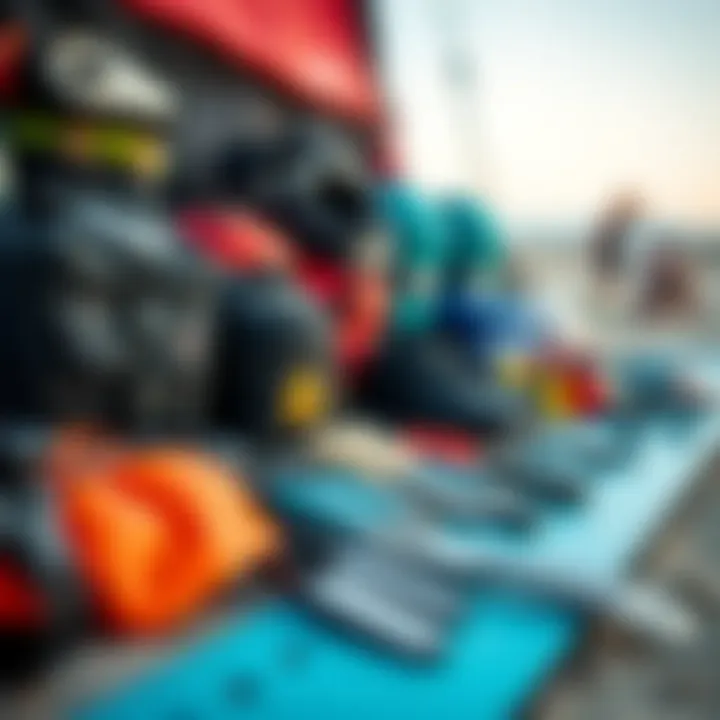
Safety Equipment and Accessories
When it comes to kiteboarding, safety gear isn't an optional extra; it's a vital part of your kit. Here’s a selection of critical safety equipment that every kiteboarder should have:
- Impact Vest: This provides protection should you fall, especially in rough waters.
- Helmet: It’s essential for protecting your head against potential impacts with the board or other obstacles.
- Safety Leash: Connecting you to the kite, this device ensures that if you lose control, the kite will not fly away.
- Personal Flotation Device (PFD): Depending on the area and the strength of the current, a PFD can be a lifesaver, especially if you’re new to the sport or unfamiliar with local waters.
Additionally, carrying a first aid kit may not seem crucial, but it could make a significant difference in emergencies. Even minor injuries can become troublesome if not addressed quickly, especially in isolated locations.
Packing and Transporting Gear
Efficient packing and transporting your kiteboarding gear is as important as the gear itself. Proper organization reduces the likelihood of damage to your equipment and ensures you don’t forget any essential items. Here are concise tips on how to do this:
- Use Gear Bags: Invest in good quality gear bags that are padded. This helps protect your kites and boards during transport.
- Roll Not Fold: When packing your kite, rolling it instead of folding it minimizes creases and possible damage to the fabric.
- Leave Room for Extras: Don’t cram your bag full. Leave some space for things you might pick up at your destination, like snacks or extra accessories.
- Check Airline Regulations: Before you fly, check the regulations for baggage as most airlines have specific rules regarding items like boards and kites. Knowing what to expect can save you from unpleasant surprises at the airport.
The effort you put into selecting, packing, and safeguarding your kiteboarding gear will definitely enhance your adventure, allowing you to focus on enjoying the thrill of the wind and waves.
Top Kiteboarding Destinations Worldwide
When venturing into the world of travel kiteboarding, choosing the right destination might be one of the most crucial decisions you’ll ever make. The perfect spot can elevate your experience, turning an ordinary trip into a thrilling adventure. World-class destinations offer a blend of consistent winds, breathtaking landscapes, and vibrant cultures that resonate with every kiteboarder’s spirit. They facilitate not just exhilarating rides but also memorable experiences that linger long after the kite is stowed away. In the following sections, we'll explore some of these ideal spots, each with unique offerings and considerations.
The Caribbean: A Paradise for Kiteboarders
The Caribbean stands proud as a kiteboarding sanctuary, boasting turquoise waters and gentle trade winds. Places like Cabarete in the Dominican Republic or Cay Bay in the British Virgin Islands are more than just beautiful; they are Meccas for kite enthusiasts.
Favorable weather conditions year-round draw travelers from all over, providing nearly 300 days of wind a year. Beyond the perfect kitesurfing conditions, the Caribbean's local culture enhances the experience. Enjoy local cuisine, music, and festivals like kiteboarding competitions, which bring together riders from various backgrounds. This connection to the environment and community infuses your travels with rich experiences.
"Kiteboarding in the Caribbean isn't just a sport; it's a lifestyle, where every ride takes you a step closer to nature's wonders."
European Coastal Gems
Europe also boasts its share of kiteboarding destinations, offering a diverse range of climates and settings. Whether it’s the flat, shallow waters of Lake Como in Italy or the wind-swept beaches of Tarifa, Spain, the continent provides kiteboarding options that cater to all levels.
In Tarifa, for instance, the wind is a constant companion, creating exceptional conditions for both beginners and seasoned riders. Its vibrant community is both welcoming and competitive, where many find their passion igniting into something more. Additionally, ample resources such as schools and gear rental shops abound.
Exotic Locations Worth Visiting
For those who thrive on adventure, consider locations that aren’t necessarily on the well-trodden path. Destinations like Sri Lanka and Morocco burst with opportunities. Sri Lanka, with its pristine beaches and warm waters, serves as a hidden gem, perfect for both exploring new spots and enjoying traditional culture. Rent a board, meet local riders, and soak up everything the region has on offer, from kiteboarding sessions to authentic local dishes.
Morocco, on the other hand, especially places like Essaouira, brings together thrilling kitesurfing experiences and rich history. The stunning coastline and vibrant markets mean you’ll never lack activities to fill your downtime. The local food, lavish markets, and unique hospitality will deepen your appreciation for the destination but remain the essential kiting experience paramount.
Emerging Kiteboarding Hotspots
And then there are the emerging hotspots, where the kiteboarding community is starting to establish its footprint. Locations such as Vietnam and Brazil are rapidly gaining traction. In Vietnam, the Mui Ne region emerges as a rapidly developing kiteboarding locus, with its consistent winds and warm waters.
Brazil’s north coast, particularly Jericoacoara, offers incredible landscapes that not only serve for kiteboarding but also provide a unique cultural dive; where you can engage with locals who have an intimate knowledge of the sport and the land. These emerging areas promise not only thrilling sessions on the water but also the discovery of new friendships, cultures, and pristine environments.
When it comes down to it, each of these destinations presents an inviting canvas for kiteboarders of all expertise levels. The wind, the sea, and the culture combine to provide everything from world-class conditions to unforgettable memories. Deciding on a location can shape your entire travel kiteboarding experience, so choose wisely and prepare to expand both your skills and horizons.
Travel Considerations for Kiteboarders
Traveling as a kiteboarder can be exhilarating, but it also comes with its set of challenges. Navigating through various travel considerations is essential to ensure a smooth and enjoyable experience. Kiteboarding requires specific conditions, so understanding the local regulations, finding appropriate schools, and knowing weather patterns can significantly enhance your trip. Let's delve into these important elements that can transform your weekend getaway into a seamless adventure.
Visa and Entry Requirements
Before you set your sights on that blue lagoon, it’s critical to check the visa policies of your desired destination. Each country has its own set of rules concerning who can enter and for how long. Some places might require you to obtain a visa in advance, while others offer visa-free travel or visas on arrival. For instance, destinations like Brazil are relatively lax, allowing many nationalities to enter without extensive paperwork. On the other hand, countries such as India may have stricter controls.
Here’s a brief process you might follow:
- Research Visa Policies: Visit official government websites or resources like travel.state.gov for the most accurate information.
- Apply for a Visa: If necessary, gather your documents and apply as early as possible to avoid last-minute stress.
- Check Passport Validity: Ensure your passport remains valid for at least six months beyond your expected return date.
Understanding these entry requirements will keep you well-informed and travel-ready, so you can focus on what really matters – riding those waves!
Finding Local Kiteboarding Schools
Once you arrive at your kiteboarding destination, seeking out local schools or instructors can make a huge difference. These establishments usually provide invaluable knowledge about the local conditions, customs, and safety regulations. Whether you’re a novice or a seasoned rider, tapping into the expertise of pros can elevate your experience.


Look for schools that have good reviews on platforms like TripAdvisor or KiteWorld, which provide firsthand accounts of other travelers’ experiences. Connections formed here could lead you to future travel buddies or just locals who share your passion.
When contacting schools, consider asking the following questions:
- What are the local conditions like?
- Do they have rental equipment available?
- What sets them apart from other schools in the area?
Understanding Local Weather Patterns
Weather plays a significant role in kiteboarding, and knowing the local weather patterns is not just advantageous but essential for safety. Pay attention to the wind conditions, as this sport is entirely dependent on it. Certain areas may have reliable wind seasons, while others may be quite unpredictable.
You can use resources like windfinder.com or windguru.cz to check local forecasts. Pay specific attention to:
- Wind Speed: Look for consistent wind speeds between 12-25 knots.
- Weather Alerts: Stay informed about potential storms or severe weather changes.
- Seasonal Changes: Different regions experience vastly different seasons, so research when to visit.
Anticipating weather changes can maximize your time on the board and minimize risks, ensuring that your kiteboarding adventure is not only thrilling but also safe.
"Understanding the environment can mean the difference between a perfect day and a missed opportunity to ride the waves."
In summary, by paying attention to visa requirements, locating local schools, and keeping weather patterns in check, you can turn your kiteboarding trip into a memorable experience. Happy travels!
Connecting with Local Kiteboarding Communities
Establishing connections within local kiteboarding communities can enhance one’s travel experience significantly. Kiteboarding isn’t just a sport; it’s also a unique culture that thrives on camaraderie and shared passion. Locals often know the best spots, the hidden gems that aren’t in the guidebooks, and the little nuances that can elevate your kiteboarding adventure from good to exceptional. Engaging with these communities opens up doors to new friendships, local knowledge, and real insights into the kiteboarding scene of any destination.
Joining Events and Competitions
Participating in local events and competitions is a great way to immerse yourself in the kiteboarding culture. These gatherings are not merely about competition; they foster a sense of community among kiteboarders. You can meet seasoned riders, participate in skill-building workshops, and even showcase your own skills in a friendly atmosphere. Plus, many of these events have social components that allow you to mingle comfortably with both locals and other travelers. Be on the lookout for events that are widely advertised at local schools or on community boards. Attending a kiteboarding festival or contest can also serve as an instant icebreaker, making it easier to strike up conversations and build rapport with fellow enthusiasts.
Online Forums and Social Media Groups
The internet offers a plethora of avenues for reaching out to kiteboarding communities. Platforms like Reddit and Facebook have dedicated groups where kiteboarders share advice, experiences, and tips about destinations worldwide. Joining these online communities before your trip can provide a wealth of information on local conditions, suggested kiteboarding spots, and even personal recommendations for places to stay. One can also ask specific questions about gear, weather conditions, or even safety tips. Keep in mind the user-generated content in these forums is often quite honest and realistic, providing valuable insights you might not find in your usual travel guides. Just remember to contribute and share your own experiences to enrich the community!
Building Lasting Relationships
While kiteboarding serves as a perfect icebreaker, the relationships forged through the sport can become genuinely enduring. After all, there's something about sharing a thrilling experience, like soaring through the waves or catching a powerful gust, that tends to forge bonds. You might meet someone who inspires you to try a new trick or someone who offers to host you during your next trip. Keeping in touch with fellow kiteboarders you've met while traveling can enrich your future travels, leading to a network of friends around the globe.
Consider using messaging apps or social media platforms to keep the connections alive. Exchanging contact details after a memorable day on the water could lead to further adventures down the line. The kiteboarding community is vast but intimate, and with a bit of effort, you can find familiar faces no matter where your travels take you.
"Joining a kiteboarding community, be it local or virtual, often leads to the best travel stories and connections you never knew you needed."
Navigating Safety and Risk Management
When it comes to kiteboarding, the thrill of the wind in your hair and the rush of gliding across the water can often overshadow the importance of safety. However, understanding safety and risk management is essential for anyone planning to embark on kiteboarding adventures. This aspect of kiteboarding not only protects you but also ensures that your experience is enjoyable and injury-free. With a bit of foresight and knowledge, you can minimize potential risks while maximizing the adventure you’re seeking.
Pre-Trip Safety Planning
Before you even set foot on a kiteboarding destination, proper safety planning is key. Think of it like packing for a big family trip—if you forget essentials, you might end up in a pickle. Here’s what to consider:
- Research Your Destination: Look into local regulations, weather conditions, and potential hazards specific to the area you’re visiting.
- Consult Local Experts: Reach out to local kiteboarding schools or seasoned riders for advice on safety practices and recommended spots.
- Create a Checklist: Jot down a list of essential gear, safety equipment, and emergency contact numbers, making sure you have your bases covered before arrival.
- Discuss Plans with Fellow Riders: Communicating your plans with other kiteboarders can help create a network of safety, allowing each person to contribute insights or even tag along.
Understanding the Environment
Knowing the environment where you'll be kiteboarding is like armor against unpredictable challenges. Each spot has its own personality, shaped by factors such as wind patterns and local wildlife. Here’s how to navigate these complexities:
- Weather Patterns: Familiarize yourself with predicted wind speeds and directions. This can drastically affect your kiteboarding experience.
- Tides and Currents: Be aware of local tide schedules. Understanding how tides can influence currents and water conditions prevents mishaps, like being swept out to sea more quickly than you planned.
- Wildlife Awareness: Some areas may have protected species or hazardous wildlife. Research local fauna to keep yourself and nature safe.
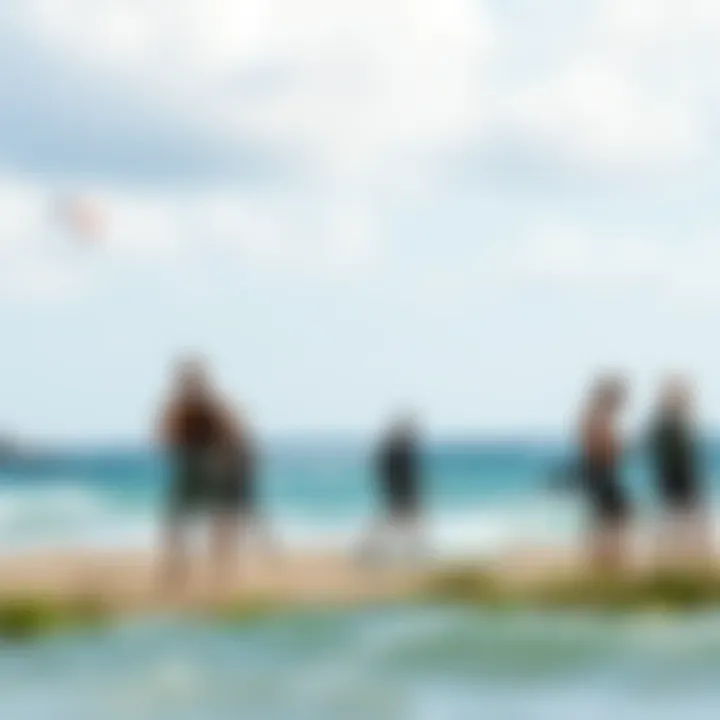
- Safety Zones: Identify clear areas for launching and landing your kite. Avoid congested spaces that may increase the risk of injury to yourself or others.
Emergency Protocols and Local Regulations
In the thrilling world of kiteboarding, understanding what to do in case of an emergency can be as vital as the thrill itself. Local regulations often dictate how you should conduct yourself on the water, but here are key protocols to keep in mind:
- Know the Directions: Familiarize yourself with local emergency contact numbers and who to reach out to if something goes wrong. Having this information handy, or programmed in your phone, could save precious time in critical moments.
- First Aid Knowledge: Brush up on basic first aid practices, especially those specific to water sports accidents. Knowing how to act can make all the difference.
- Distress Signals: Learn the common distress signals and gestures recognized by kiteboarders globally. This allows you to communicate effectively with others if you're in trouble.
- Local Regulations: Respect local laws and regulations regarding kiteboarding. Breaking these can lead to fines, and worse, unwarranted dangerous situations. Knowing what’s expected of you helps maintain the sport’s integrity while also keeping you safe.
"Safety isn’t just a kit; it’s a mindset that every kiteboarder should adopt.
Navigating safety and risk management may not sound as exhilarating as catching that perfect wave, but it's what keeps kiteboarding an enjoyable and life-affirming experience. With the right preparation and awareness, every journey on the water can enrich your journey into the breathtaking world of travel kiteboarding.
Budgeting for Kiteboard Travel
Traveling kiteboarders know that managing finances is crucial for an enjoyable experience. Without proper budgeting, it’s all too easy for costs to spiral, turning a dream trip into a financial burden. In this section, we'll explore key aspects of budgeting for your kiteboarding adventures, from gear costs and accommodation to savvy travel tips, ensuring you can catch those waves without breaking the bank.
Cost of Gear and Equipment Rentals
Let’s be real—kiteboarding gear isn’t cheap. The initial investment for a kiteboard setup can run anywhere from several hundred to thousands of dollars. If you’re planning on international travel and are not keen on lugging heavy equipment, consider the option of renting gear.
- Kites: Rental prices can range, so do a little homework. Some places may charge about $50 per day, while others might offer packages that reduce daily rates significantly.
- Boards and Harnesses: Look for shops that have quality boards and harnesses as part of their rental fleet. Often, they’ll include maintenance checks, which is a huge plus.
- Insurance: Check if your travel insurance covers gear rentals. Some providers offer specific plans for extreme sports equipment that can save you unexpected expenses in case of damages or loss.
Accommodation and Travel Expenses
When you blend travel and kiteboarding, where you stay can have a big impact on your pocketbook. Accommodations can greatly vary from luxury beachfront resorts to more wallet-friendly hostels. Here’s a breakdown of what to consider:
- Location: Staying close to popular kiteboarding spots can save you transportation costs. Opt for places that are within walking distance to the beach or ride sites.
- Booking Deals: Use websites like Airbnb or Booking.com; they often have competitive rates and discounts for longer stays. Sometimes, the best bang for your buck is a colorful beach bungalow or a cozy room in a local guesthouse.
- Transport: Don’t forget to factor in expenses for rental cars, public transport, or taxis. If you're in a foreign land, public transport may show you a different slice of life, which is always worth exploring—just keep an eye on your funds.
Budget-Friendly Travel Tips
Who says you have to spend a fortune to enjoy perfect kiteboarding weather? Here are some savvy strategies to keep your expenses in check:
- Travel Off-Peak: Popular kiteboarding spots get crowded during peak season. Traveling slightly off-peak not only grants you better rates but also more space on the water.
- Pack Smart: Limit your luggage to essentials. By taking only the necessary gear or even sharing with your kite buddies, you can cut down on airline baggage fees. Encourage your friends to travel light too.
- Local Eateries: Eating at local joints can not only be cheaper, but also a chance to taste authentic dishes. Food carts or family-owned restaurants often provide the most budget-friendly meals.
- Group Discounts: If you’re traveling with friends, seek out group deals on accommodations and even rentals. Many places offer discounts for larger groups, which can stretch your budget further.
"Planning and budgeting for kiteboarding can enhance your experience, allowing for a smoother adventure on the water. Don’t let costs lead to a bumpy ride!"
By following these pointers, your kiteboarding adventures can remain thrilling without setting you back financially. Keeping an eye on costs and seeking out value can lead not just to better experiences but also allow you to explore more destinations over time.
The Future of Travel Kiteboarding
As the landscape of travel kiteboarding evolves, it's crucial to take a closer look at what the future holds for this thrilling sport. The convergence of technology, environmental considerations, and emerging locations shapes not only the experiences of kiteboarding enthusiasts but also the very essence of the sport itself. Understanding these aspects provides insight into how kiteboarding can keep flourishing while addressing contemporary challenges.
Technological Innovations in Equipment
The pace at which kiteboarding gear is innovating is nothing short of remarkable. Brands are pushing boundaries to develop kites that are lighter yet stronger, ensuring that riders enjoy enhanced performance without sacrificing control. For instance, advancements in materials like Dyneema for lines provide a balance between durability and lightweight design. New shapes and sizes of boards cater to various skill levels and conditions, making the sport increasingly accessible. Moreover, with the rise of electric inflatables, setting up for a session is now a breeze. Riders can expect:
- Smart Sensors: Devices that provide real-time feedback on wind conditions, enabling riders to make informed decisions.
- Wearable Tech: GPS-enabled watches that track speed, jumps, and location, making it easier to monitor progress.
- Eco-friendly Materials: An uptick in sustainable manufacturing practices that lessen the environmental footprint of kiteboarding gear.
Sustainability in Kiteboarding
Sustainability is not merely a buzzword; it's a necessity in today's world, and kiteboarding is no exception. With pristine beaches and marine environments serving as playgrounds, preserving these locations is paramount for future generations. Kiteboarders and manufacturers alike are embracing strategies to minimize impact:
- Recyclable Materials: Initiatives to produce boards and kites from materials that can be recycled at the end of their lifespan are emerging.
- Conservation Efforts: Collaborations with local environmental groups to maintain beach habitats and educate the community about the importance of preserving coastal ecosystems.
- Eco-Conscious Travel: Many kiteboarding destinations are starting to promote eco-friendly travelers, encouraging riders to choose local accommodations and transport options that reduce their carbon footprint.
Utilizing sustainable practices not only safeguards the environment but also enhances the overall experience by connecting travelers to the beauty of nature.
"Kiteboarding isn't just about the thrill; it's also about ensuring that our playgrounds remain intact for the next generation to enjoy."
Emerging Trends in Travel Destinations
The world is bursting with fresh kiteboarding locations, and trends indicate that kiteboarders are increasingly seeking off-the-beaten-path spots. Traditional locations like Cabarete and Tarifa still attract many, yet lesser-known venues are carving out their niche. Places such as Brazil's remote lagoons or the hidden beaches of Southeast Asia are gaining popularity among adventurous kiteboarders looking for unique experiences. What’s driving this trend?
- Cultural Immersion: Travelers are interested in connecting with local communities, engaging in cultural exchanges beyond just riding the waves.
- Reduced Crowds: Lesser-known spots offer the opportunity for more peaceful sessions away from bustling tourist areas.
- Accessibility of Remote Areas: Advances in travel infrastructure and affordability of global transportation make these unique spots more attainable.
As the sport continues to evolve, so too does the desire for experiences that go beyond just kiteboarding. Enthusiasts are marrying the thrill of riding with the joys of exploration, making each trip a multifaceted adventure.