Real-Time Wind Speed Insights for Kiteboarders


Intro
Kiteboarding is more than just a sport; it’s an exhilarating dance with nature, where wind becomes both a friend and a foe. For those who venture into this adrenaline-pumping activity, real-time wind speed is the heartbeat of the ride. Understanding how wind speed impacts kiteboarding can greatly influence not only the thrill of the experience but also the safety of the rider. This guide aims to demystify the world of real-time wind measurements, outlining why they matter and how to leverage data for enjoyable sessions on the water.
Gear Insights
Having the right equipment is paramount. It’s important to understand not just what gear you should have, but how it connects back to your kiteboarding experience, especially in relation to wind speed. Choosing suitable gear can set the stage for either a fantastic day or a frustrating one.
Latest Gear Reviews
Keep your eyes peeled for new tech hitting the market. For instance, the Ozone Edge V11 Kite has been making waves thanks to its innovative design that enhances responsiveness under various wind conditions. Reviews often highlight how this kite maintains stability, even in gusty conditions—ideal for kiteboarders looking to push limits. Also worth checking out is the North Reach which is praised for its versatility, making it a great fit for a range of skill levels.
Essential Gear for Beginners
If you’re new to kiteboarding, necessities include a reliable harness, a quality kite, and a board tailored to your height and weight. When selecting a kitesurf harness, comfort is key. Look for one that fits snugly but allows for movement. Many seasoned riders recommend starting with the Cabrinha Cutlass, noted for its stability and ease of use.
"A good kite will feel like an extension of your body; it should respond to your movements without hesitation."
Techniques and Tips
Equipped with the right gear, let’s dive into techniques that will make your ride more exhilarating and safe. Knowing how to handle your equipment in changing winds is as crucial as the gear itself.
Advanced Tricks and Techniques
Once you’re comfortable, advancing your skill set might mean tackling more complex tricks such as flips or jumps. Timing becomes vital here; knowing how wind speed affects lift can mean the difference between landing that perfect maneuver or eating the water. Keeping an eye on gust patterns can enhance your performance, as subtle shifts in wind can dramatically change your approach.
Safety Practices for Kiteboarders
Safety can't be overstated. Understanding how to read wind conditions is a crucial skill for kiteboarders. Always check your local wind forecasts via reliable sources, such as Windy.com or SailFlow. Wear a leash; it's a small investment that can save your life. If the wind speed exceeds your comfort levels, pause and reassess your plans. When in doubt, don’t venture out.
Epilogue
In kiteboarding, knowledge truly is power. By embracing the importance of real-time wind speed data and investing in the right equipment, you set the stage for a safer, more thrilling experience on the water. As you plunge into your next adventure, let understanding wind mechanics guide you. Remember, every ride is an opportunity to learn, adapt, and enjoy. Stay safe, and may the winds be ever in your favor!
For further insights on wind conditions: Wikipedia on Wind Speed and National Oceanic and Atmospheric Administration (NOAA).
Prologue to Wind Speed in Kiteboarding
When it comes to kiteboarding, understanding wind speed isn't just a nice-to-know; it’s essential. Kiteboarders, whether they are newbies or seasoned pros, rely heavily on the wind to get that exhilarating lift off the water. Thus, grasping how wind speed affects performance can make all the difference between a smooth ride and a turbulent one. By diving into the factors that contribute to optimal wind conditions, this section sheds light on why kiteboarders need to keep their finger on the wind's pulse.
The Role of Wind in Kiteboarding
Wind is the lifeblood of kiteboarding. Without it, the kites won’t fly, and riders won’t glide across the water. The varying wind speeds dictate everything: from the choice of equipment to overall performance. When the wind is just right, kiteboarders can achieve thrilling heights and impressive maneuvers; however, too much wind can risk safety, pushing even the most experienced riders to their limits. Conversely, insufficient wind can leave one floundering, literally.
The key takeaway here is the importance of understanding how wind conditions directly impact one’s kiteboarding experience.
For instance, many riders will favor a steady wind speed of around 15 to 25 knots for an ideal session. Knowing these preferences not only supports better performance but also enhances overall enjoyment.
Defining Real-Time Wind Speed
In the kiteboarding realm, real-time wind speed refers to the current wind conditions that can change from moment to moment. This fleeting aspect is what makes kiteboarding both thrilling and challenging. Real-time data allows enthusiasts to make quick decisions — whether to launch, adjust their technique, or even pack up and call it a day.
Wind speed isn't just a static number that means everything; it fluctuates due to various factors, including terrain, weather fronts, and local microclimates. Hence, knowing the real-time conditions can help kiteboarders adapt promptly and safely.
With modern technology, kiteboarders have access to real-time wind speed through apps, local weather stations, and other tracking devices. These tools can make a world of difference in accessing up-to-date, accurate data right before hitting the water, ensuring a more informed and enhanced kiteboarding experience.
"The wind is what lifts you up, but knowing its behavior keeps you grounded."
By understanding real-time wind speed, kiteboarders can tailor their rides, keeping both safety and performance at the forefront of their sails.
Understanding Wind Speed Measurements
Understanding wind speed measurements is fundamental for kiteboarders as it directly influences safety and performance on the water. Kiteboarding heavily relies on wind conditions; knowing how to interpret these measurements can make all the difference between a thrilling ride and a perilous situation. Kiteboarders can maximize the enjoyment of the sport by understanding how wind speed is expressed, measured, and used in making informed decisions. This section emphasizes various units of measurement and methods utilized, shedding light on their importance and contributions to the kiteboarding experience.
Units of Measurement
Wind speed can be expressed in several different units, each providing unique insights into the wind's potential effects on kiteboarding activities. In the realm of kiteboarding, understanding these units is crucial for assessing conditions before hitting the water.
Kilometers per hour
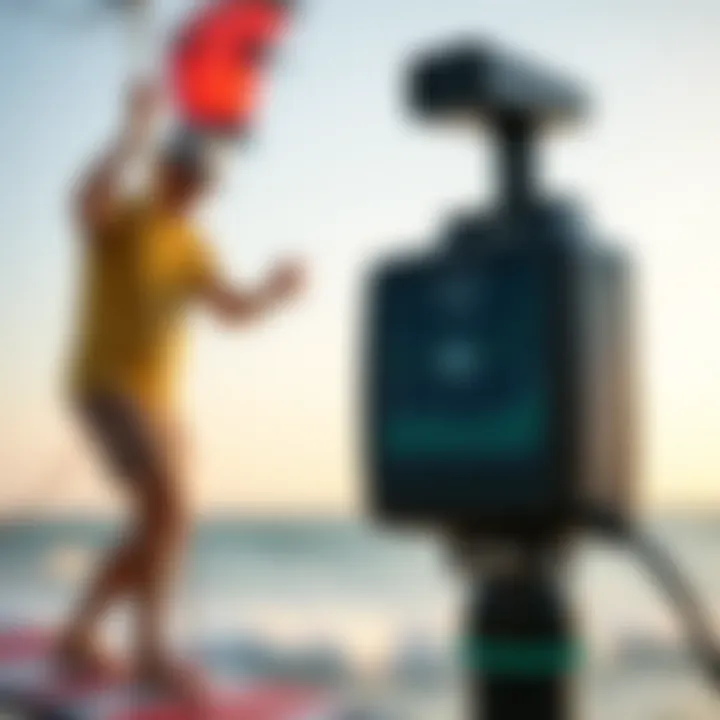
Kilometers per hour is a widely used metric for measuring wind speed, especially in many countries outside the United States. This unit is advantageous for kiteboarders due to its alignment with various weather reports and applications that furnish forecasts. When interpreting wind speeds of, say, 20 kilometers per hour, enthusiasts can make informed choices about their kite size and technique.
A key characteristic of kilometers per hour is that it provides a straightforward understanding of speed, making it easier for kiteboarders to gauge conditions at a glance. One unique feature is its common use in international weather services, making it beneficial for travelers and kiteboarders in diverse regions. However, inexperienced kiteboarders might find it less intuitive than miles per hour if they’re accustomed to other units.
Miles per hour
Miles per hour is predominantly used in the United States and serves as the standard for many local weather stations. For kiteboarders, understanding wind speed in miles per hour is essential when considering localized weather data.
The key characteristic of miles per hour is its familiar application in everyday life, making it inherently relatable. This can be particularly helpful for novice kiteboarders who might already have a grasp of distances and speeds in this format. However, when comparing conditions internationally, reliance on miles per hour could lead to adjustments and conversions that may complicate decision-making.
Meters per second
Meters per second, while perhaps less common for the average person, offers precise measurements that are especially favored by meteorologists and researchers. When kiteboarding, interpreting wind speeds in meters per second can provide an accurate assessment of the wind’s potential impact.
A notable feature of meters per second is its alignment with scientific principles, lending credibility to data interpretations. For advanced kiteboarders or those engaged in competitive environments, understanding this measurement can lead to optimized performance decisions. However, this unit may appear esoteric to beginners, making it less accessible compared to kilometers per hour or miles per hour.
Methods for Measuring Wind Speed
Various methods are employed to measure wind speed, each providing different levels of accuracy and applicability for kiteboarders. Understanding these methods helps kiteboarders evaluate real-time data and make choices that enhance both enjoyment and safety.
Anemometers
Anemometers are devices specifically designed for measuring wind speed, offering real-time data that is indispensable for kiteboarding. These instruments can vary from simple handheld versions to more sophisticated digital setups. The key characteristic of anemometers is their ability to provide instant feedback, allowing kiteboarders to adjust kite size and technique on the fly.
One unique feature of certain anemometers is their portability, making them ideal for on-location readings. However, they may require battery life management and calibration, posing a challenge for casual users who may not be familiar with their upkeep.
Weather stations
Weather stations are comprehensive devices that measure wind speed along with various other atmospheric conditions. These stations can provide valuable data over extended periods, helping kiteboarders understand trends and anticipate conditions.
A key characteristic of weather stations is their robust data collection, which can enhance planning for kiteboarding excursions. Equipped with multiple sensors, these stations tend to offer accurate readings. However, the disadvantage lies in accessibility and cost; not all kiteboarders may own or have consistent access to a personal station.
Smartphone applications
In the age of technology, smartphone applications have revolutionized how kiteboarders access wind speed information. These apps can deliver real-time forecasts, alerts, and detailed analyses directly to users, making them an appealing choice.
Their key characteristic is convenience, as these apps can aggregate multiple sources of data in an easy-to-read format. A unique feature is their ability to provide personalized notifications based on user preferences, enhancing the kiteboarding experience. However, reliance on cellular or Wi-Fi connections can limit usability in remote areas where kiteboarding is often enjoyed.
Technological Advances in Wind Measurement
The ever-evolving landscape of technology continues to reshape how kiteboarders gather critical wind data. These advancements not only enhance the accuracy of measurements but also improve accessibility, allowing enthusiasts to make better-informed decisions. Understanding these technologies is essential for maximizing both safety and performance while on the water.
Emerging Technologies
IoT devices
Internet of Things (IoT) devices have made significant strides in the realm of wind measurement. These gadgets are equipped with sensors that can capture and transmit real-time data straight to your smartphone or other connected devices. This immediacy is exactly what kiteboarders need, as it allows them to quickly assess wind conditions before heading out.
One key characteristic of IoT devices is their interconnectivity. These devices often work in tandem with weather stations and personal gadgets, forming a network that can give a broader view of local wind patterns. As a beneficial choice for kiteboarders, IoT devices can deliver updates on both average and gust wind speeds, which is crucial for making decisions.
However, there are also some drawbacks to consider. For instance, while IoT devices can provide immediate measurements, their accuracy might vary based on distance from the nearest hub or station. In areas where terrain is variable, like near cliffs or buildings, their readings may be skewed. It's important to combine this data with personal observations to get a complete picture of the wind conditions.
Drone-based measurements
Another innovative method comes from the use of drone-based measurements. Drones equipped with anemometers can fly at different altitudes to gather data on wind speeds, bringing a level of precision not easily attainable through traditional methods. This technology allows kiteboarders to understand how wind speed changes at various heights, which is particularly useful in determining whether to use a larger or smaller kite.
The remarkable versatility of drones is a standout feature, capturing data across different terrains and conditions without the limitations faced by stationary equipment. This makes them a valuable tool for kiteboarders to grasp real-time wind dynamics over a broader area.
However, the use of drones isn't without its challenges. Regulatory restrictions in certain locales can limit their operational use, making it essential for kiteboarders to check local regulations regarding UAVs beforehand. Additionally, while flying a drone provides unique benefits, the initial cost—along with potential maintenance expenses—can be a deterrent for some enthusiasts.
Real-Time vs. Historical Data
In the context of kiteboarding, distinguishing between real-time data and historical data is pivotal. Real-time data offers immediate insights into current wind conditions, allowing for prompt decision-making. Conversely, historical data can provide context and trends, which can highlight optimal conditions through patterns observed over time.
Both datasets serve crucial functions. For kiteboarders wanting immediate updates on changing wind conditions, real-time data is indispensable. However, analyzing historical data can also predict forthcoming conditions based on patterns observed in annual wind behavior. By blending these two data types, kiteboarders can adopt a more nuanced approach to their sailing adventures.
The Importance of Real-Time Wind Data for Kiteboarders
Kiteboarding relies heavily on wind conditions. Real-time wind data plays a critical role in enhancing both safety and performance on the water. By understanding the wind's behavior in real-time, kiteboarders can make crucial decisions. These decisions can range from selecting the right kite to choosing optimal times to hit the water. For kiteboarders, this data isn’t just numbers; it’s the thread that weaves together safety, skill, and enjoyment of the sport.


Safety Considerations
Avoiding hazardous conditions
It's vital that kiteboarders steer clear of dangerous winds. High gusts can cause a sudden loss of control. By monitoring real-time wind data, riders can avoid jumping into conditions that aren’t safe. For instance, a dash in wind speed from 10 to 25 knots can signify changing weather patterns. If kiteboarders wait too long, they might find themselves battling unpredictable currents or worse, getting tossed about like a rag doll.
Key characteristics of avoiding hazardous conditions:
- Quick thinking: Having real-time data allows for split-second decisions.
- Safety gear: Ensures that riders are prepared for potential mishaps.
By relying on accurate measurements of the wind, kiteboarders reduce risks significantly. The danger of suddenly encountering high winds can be mitigated, which makes kiteboarding more appealing.
Understanding gust patterns
Gusts can be fickle and sporadic. Recognizing their patterns can make or break a kiteboarder’s experience. If someone is aware of how gusts typically behave in a specific location, they can anticipate when to kite and when to stay on shore. Knowledge of gust patterns can also inform a rider about optimal positioning and tricks, directly influencing performance.
This subject’s importance:
- Being aware of gust patterns enhances control.
- Skill improvement is possible when patterns are understood.
With real-time data, the adventure becomes more than pointing and going. Kiteboarders can read the wind like a book. However, a limitation here is that not all devices will accurately capture these subtle wind shifts, which is where expertise in interpreting data comes into play.
Performance Optimization
Kite selection
Picking the right kite isn’t just about personal preference; it’s a fine balance of wind conditions. Each kite has its capabilities, designed for certain wind speeds. Real-time wind speed data allows for precise kite choice, matching the kite type to current conditions.
For example, a larger kite might be appropriate for lighter winds but becomes cumbersome in high winds. This ability to match one’s equipment with the elements serves to maximize both safety and enjoyment.
Unique features of kite selection include:
- Tailored choices: Real-time data helps avoid mismatches between kites and wind strengths, ensuring performance is optimized.
- Varied designs: Different kites allow kiteboarders to explore a wider range of experiences on the water.
However, if the right kite isn’t selected, it can lead to struggles on the water. Using real-time data is beneficial, lest one finds themselves under-equipped for the winds that sweep across their local kiteboarding spot.
Technique adjustment
Adapting one’s riding technique to real-time wind conditions can result in heightened performance. For instance, if the wind picks up suddenly, adjusting stance and weight distribution can enhance stability on the board. Knowing how to react according to the current wind speed can lead to better maneuvers and overall skill improvement.
Key elements related to technique adjustment include:
- Dynamic positioning: Adjusting body position according to wind data leads to better control.
- Skill progression: Experienced kiteboarders can learn to harness even the most erratic winds effectively.
Yet, this real-time adjustment is sometimes pushed aside by less experienced riders who don’t see its immediate importance, risking a drop in their overall skill level. With the right use of wind data, every ride can be an opportunity to learn and grow.
Understanding wind conditions isn't just vital; it’s what distinguishes the good kiteboarders from the great ones. Real-time data makes all the difference in the world.
Integrating Real-Time Wind Speed into Your Kiteboarding Routine
When it comes to kiteboarding, understanding the nuances of real-time wind speed can make all the difference between an exhilarating ride and a risky experience. The advantages of integrating this knowledge into your routine are plentiful. It not only enhances safety measures but also boosts performance, transforming every session on the water into a more enjoyable one. Thus, adopting real-time wind monitoring is not just a novelty; it’s a necessity for any serious kiteboarding enthusiast.
Choosing the Right Tools
Device comparisons
Choosing the right equipment is essential in ensuring accurate wind measurements. Among the options available, you’ll find handheld anemometers, wrist-worn devices, and portable wind meters. Each gadget has its merits, but let’s look closer at handheld anemometers, which are often favored by kiteboarders. These devices provide real-time readings and can be quite pocket-friendly.
Their key characteristic is portability, making them ideal for on-the-go assessments. Unlike fixed weather stations, handheld models allow you to measure wind speed right where you’re about to launch. A unique feature of these devices is their ability to record maximum wind speed during a session, which aids in analyzing your performance after your kiteboarding activity. However, they may require manual calibration, leaving room for human error.
Mobile apps for kiteboarders
On the other hand, mobile applications designed specifically for kiteboarders have surged in popularity. One attractive feature of these apps is their ability to gather data from multiple sources, including nearby weather stations, providing a broader view of wind conditions. The advantage here is convenience; with just a couple taps on your screen, you can access detailed wind reports, local forecasts, and even community tips about your favorite riding spots.
However, the caveat is that smartphone apps depend on internet connectivity and GPS accuracy, which can vary in remote areas. If your adventure takes you to lesser-known beaches, be prepared for potential limitations. Still, many kiteboarders find that these apps complement their gear perfectly, offering a quick reference point.
Interpreting Data Effectively
Understanding wind patterns


With the right tools in your hands, interpreting the collected data becomes equally important. Understanding wind patterns allows kiteboarders to predict changes during a session. The key characteristic of this knowledge is its power. Recognizing gusty conditions versus steady winds can drastically affect your kiteboarding strategy.
For example, persistent winds consistent in speed may suggest a comfortable riding environment, while gusty winds might demand more adaptability. The unique feature here lies in honing your intuition over time; the more you understand your local surroundings, the better you can gauge what those wind readings imply for your ride.
Adjusting strategies accordingly
Ultimately, adjusting your kiteboarding strategies based on real-time data solidifies the integration of wind information into your routine. Whether opting for a different kite size or altering your launch angle, the ability to respond to current conditions can dramatically improve your experience.
The characteristic that stands out here is agility; being able to pivot your approach in real-time separates seasoned kiteboarders from novices. While it might mean that you'll have to learn through experiencing different scenarios, the advantages of increased performance and safety make investing time into this skill worthwhile. Remember, what worked on a calm day might not apply during a tempestuous afternoon ride.
"Real-time wind data is your best friend on the water; knowing how to use it can keep you safe and elevate your game."
Closure
Incorporating real-time wind speed data into your kiteboarding routine requires careful consideration of tools and effective interpretation strategies. By choosing the right devices and utilizing apps tailored to your needs, you put yourself in prime position to tackle the elements confidently. As the winds shift, make sure you’re ready to adjust and adapt, unlocking the full potential of your kiteboarding escapades.
Challenges in Real-Time Wind Speed Tracking
In the realm of kiteboarding, the significance of gauging wind speed in real-time cannot be overstated. But, while technology has made vast strides in monitoring real-time conditions, several challenges persist. These issues must be examined closely to understand how they can affect kiteboarders from safety to performance.
Technical Limitations
Real-time wind speed tracking often falls prey to technical limitations, creating a disconnect between what’s presented on-apps and actual conditions on the water. For example, many devices involve complexities in calibration and data transmission. Anemometers, while useful, can miscalculate due to malfunctions or environmental interference, resulting in figures that may not align with the kiteboarder's experience.
Moreover, not all anemometers are the same. Some are designed to work well in open areas, while others might struggle in the close quarters of a beachside environment where buildings or trees block the airflow. This leads to inaccuracies, especially for kiteboarding enthusiasts who navigate different terrains. Even smartphone applications, though convenient, depend on network coverage and the quality of the sensors available in handheld devices—factors that might dilute the accuracy of the wind data.
Environmental Factors
The intricacies of the environment can also play a pivotal role in wind speed readings.
Terrain Variations
Different terrains can dramatically impact how wind behaves as it moves across the landscape. For instance, riding in an area with diverse geographic features, like hills, valleys, or even dense forests, can cause turbulence, leading to inconsistent wind speeds. Kiteboarders venturing into such areas might find that what appeared as a steady breeze can quickly shift into gusts or lulls, potentially jeopardizing both safety and performance. Understanding these terrain variations is crucial for kiteboarders. Some areas might seem thrilling because of their varied landscape, yet they pose significant risks, illustrating the necessity to choose launching spots wisely.
Microclimates
Microclimates represent another environmental factor, creating localized weather patterns due to natural features or human-made structures. For example, in a urbanized coastal area, buildings may shield certain parts from wind, causing dramatic shifts in wind speed just a short distance away. These localized changes can confuse even the most seasoned kiteboarders, leading to miscalculations. The beauty of riding at a location with microclimates lays in its unpredictable nature, but for maximizing kiteboarding safety and performance, kiteboarders must remain aware of these fluctuations. A spot that seems ideal at one point could quickly turn inhospitable, and having a grasp on microclimates can help in making informed decisions.
Key Takeaway: Staying attuned to the challenges of real-time wind speed tracking—both technical and environmental factors—empowers kiteboarders to navigate conditions more skillfully. Being informed enhances not just safety but also overall enjoyment on the water.
Future Trends in Wind Measurement
The world of wind measurement is shifting rapidly, driven by advancements in technology and the growing passion for outdoor activities like kiteboarding. Understanding what lies ahead in this field is crucial, not only for enthusiasts but also for manufacturers and service providers. Future trends in wind measurement will likely pave the way for smarter tools and techniques that enhance both safety and performance in kiteboarding.
Innovations on the Horizon
The adoption of innovative technologies is reshaping how wind speed is measured and interpreted. Key developments include:
- Smart Sensors: These devices are becoming more portable and accurate. Equipped with advanced algorithms, they can provide real-time data that adjusts based on environmental changes. This means kiteboarders can receive swift updates about wind conditions, ensuring they’re always prepared.
- Artificial Intelligence: AI is being utilized to forecast wind patterns based on historical data and current measurements. Imagine a future where an app not only tells you the current wind speed but predicts gusts and lulls, allowing for optimized kiteboarding sessions. Personalized wind forecasts could become standard, tailored specifically to your local spots.
- Wearable Technology: Companies are introducing wearable devices that monitor not just wind speed but also body metrics. Integrating wind data with personal performance metrics could help kiteboarders adjust their techniques in real-time, further fine-tuning their experience on the water.
- Remote Monitoring Networks: Building on the Internet of Things (IoT), these networks will connect multiple devices, aggregating data from various sources. Kiteboarders could access a comprehensive view of wind conditions in their area, helping them make better-informed decisions before hitting the waves.
With these technologies on the verge of becoming commonplace, the kiteboarding community stands to gain significantly, with increased safety and improved performance.
Implications for Kiteboarding
The implications of these advancements can’t be overstated. As kiteboarders begin to embrace enhanced measurement tools and data, several benefits emerge:
- Improved Safety: With accurate, real-time measurements, kitesurfers can avoid risky conditions. Knowing when winds are too strong or when a storm is approaching can prevent accidents and injuries.
- Enhanced Performance: Better wind data enables kiteboarders to select the appropriate gear swiftly. By understanding the wind dynamic, they can adjust their technique for maximum efficiency; the difference between having an average ride and one that feels like flying could very well hinge on knowing the wind patterns.
- Localized Expertise: As remote monitoring networks grow, they could foster a spirit of community. Local kiteboarders could share insights and experiences based on their unique spots, which better educates newcomers and enhances everyone's rides.
- Environmental Awareness: With a greater focus on wind measurement, kiteboarders might become more attuned to changes in their local environments, promoting a culture of stewardship and sustainable practices.
"The future belongs to those who prepare for it today."
Engaging in kiteboarding tomorrow means embracing today’s innovations in wind measurement.
Closure
The significance of understanding real-time wind speed cannot be overstated for kiteboarding enthusiasts. Throughout this guide, we have explored various aspects of wind speed, from its definition to measurement techniques and the technology behind it. These elements work together to create a safer and more enjoyable experience for kiteboarders of all skill levels.
Summarizing Key Takeaways
- Real-time wind data is essential. Kiteboarding is inherently tied to wind conditions. Being aware of the current wind speed can prevent dangerous situations and enhance overall performance.
- Measurement methods vary. Understanding the differences between anemometers, weather stations, and smartphone apps can equip you with the tools necessary to collect accurate data, tailored specifically to your kiteboarding needs.
- Technology is advancing. With innovations such as IoT devices and drone measurements, accessing real-time wind data is becoming easier, making the sport more accessible.
- It's not just about safety. Real-time data also optimizes performance. Choosing the right kite and making technique adjustments based on current conditions can lead to a better riding experience.
- Future trends point to better integration. Keeping an eye on upcoming technologies can give kiteboarders a competitive edge, ensuring they stay ahead in a rapidly evolving sport.
Encouragement to Utilize Real-Time Wind Data
Kiteboarders of every stripe should embrace the wealth of information that real-time wind speed data provides. Rather than relying solely on guesswork or historical averages, tapping into live data can enhance not just your safety, but also your performance on the water. Whether you’re riding at a familiar spot or exploring new locations, having up-to-the-minute wind information helps you make informed decisions.
Don't underestimate the power of this data. To maximize your kiteboarding experience, integrate these tools into your routine, stay vigilant, and allow data to guide your sessions. Remember, the wind can be unpredictable, but being prepared with the right real-time information makes you more resilient and adaptable.
Access platforms like Windy or Kiteboarding.com for reliable wind data. Engage with communities on Reddit to share insights and tips with fellow enthusiasts. With knowledge and preparation, you can take full advantage of wind conditions and truly enjoy the thrill of kiteboarding!