Radar Insights for Kiteboarding at Panama City Beach
Intro
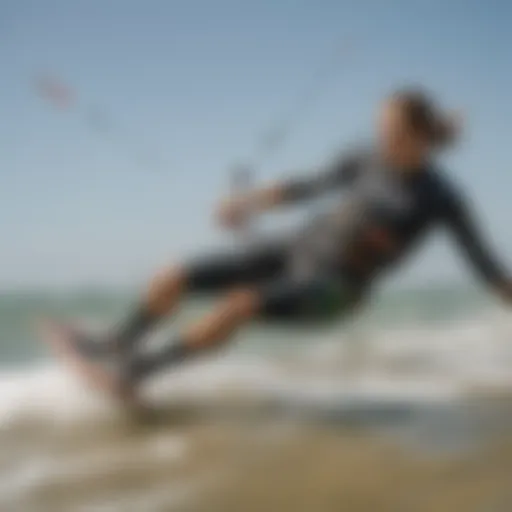
When kiteboarding in Panama City Beach, the thrill of harnessing wind and waves can be unbeatable. However, as with any water sport, understanding the environmental conditions is key to ensuring a safe and enjoyable experience. Here, radar technology plays a pivotal role. It helps enthusiasts decipher local weather patterns, monitor conditions in real time, and make informed decisions before hitting the water.
In the upcoming sections, we’ll delve deeper into how radar technology functions specifically for kiteboarding, the crucial climate factors at Panama City Beach, and how to leverage real-time data.
Gear Insights
Latest Gear Reviews
The kiteboarding scene constantly evolves with new gear designed to enhance performance and safety. Here’s a look at some standout products making waves in Panama City Beach.
- Slingshot RPM Kite: Known for its versatility, this kite adapts well to various wind conditions. Many riders appreciate its stability, especially during gusty winds.
- Naish Pivot: With a reputation for explosive lift and precise handling, this kite is favored by many advanced riders looking for that extra edge.
- Cabrinha Drifter: Ideal for wave riding, this kite offers seamless drift and an impressive range, perfect for those who enjoy coastal conditions.
When considering gear, it’s vital to assess your skill level and intended use. A beginner may benefit from a reliable, easy-to-control kite, while seasoned riders might seek something that allows for more trickery and aerial maneuvers.
Essential Gear for Beginners
Starting kiteboarding means gearing up wisely to ensure safety and enjoyment. For newbies, here’s a list of essentials:
- Kite: Start with a stable, user-friendly kite suitable for lighter winds.
- Harness: A comfortable harness helps distribute the pull of the kite across your body, making it easier to manage.
- Board: A wider board provides stability for new riders.
- Safety Leash: Always wear a safety leash to maintain control from the kite in case of an emergency.
- Helmet and Impact Vest: While they may seem like basic gear, they are critical for your safety.
Investing in the right gear can significantly affect your learning curve and enjoyment. Take time to research and possibly even demo equipment before committing to a purchase.
Weather Factors Affecting Kiteboarding
Weather plays a huge part in kiteboarding, especially in Panama City Beach, where local climate patterns create unique sailing conditions.
Local Climatic Patterns
Understanding how temperature, humidity, and wind patterns interplay can make or break a session. Here are some important climatic aspects:
- Sea Breezes: As the sun heats up the land, you'll often experience strong sea breezes in the afternoon, ideal for kiteboarding.
- Storms: Be wary of sudden weather changes, as storms can brew quickly along the coast, bringing strong winds and rain.
- Seasonal Variations: The best months for kiteboarding in Panama City Beach tend to be late spring and summer when consistent winds are more prevalent.
Safety Tip: Always check radar data before heading out. Understanding real-time wind and weather conditions can save you from potential hazards on the water.
Ending
Equipped with the right knowledge and tools, kiteboarding at Panama City Beach can be a fulfilling pastime. By leveraging radar technology and understanding local weather patterns, kiteboarders can enhance their experiences and ensure they're sailing through safe and enjoyable conditions.
Preamble to Panama City Beach
Panama City Beach is renowned for its stunning vistas and favorable conditions, especially for kiteboarding enthusiasts. This section aims to underscore why understanding this locale is crucial for both seasoned kiteboarders and newcomers alike. The combination of favorable geography, climate, and cultural significance creates an engaging backdrop for kiteboarding adventures.
Geographical Overview
Nestled along the Gulf of Mexico, Panama City Beach boasts miles of soft, powdery white sand and turquoise waters. The area stretches across 27 miles of coastline, presenting an array of spots ideal for kiteboarding. Notably, its geographic position helps in harnessing coastal winds that are essential for this thrilling sport.
The landscape is flatter near the shore, with gentle inclines further inland, allowing for scenic views of the Gulf while positioning kiteboarders to take full advantage of wind patterns. With the sun shining more than 300 days a year, kiteboarders can expect ample opportunity to hit the water. Clear skies paired with predictable seasonal winds make this beach a prime kiteboarding destination.
The area's unique geography further contributes to varied wind conditions, which can change based on time of the day or season. Understanding these patterns through radar technology is vital to planning successful kiteboarding outings.
Cultural Significance for Kiteboarding
Kiteboarding in Panama City Beach is not just a sport; it's a lifestyle. The beach is a hub for various water sports, yet kiteboarding holds a special place in the local culture. It brings together surfers, adventurers, and thrill-seekers, fostering a vibrant community passionate about harnessing the wind and waves.
Throughout the year, numerous events and tournaments draw in kiteboarders from all over, creating opportunities for fun and camaraderie. Local businesses and schools often promote kiteboarding lessons for those looking to learn, contributing to the beach's reputation as a go-to destination.
Moreover, the cultural significance extends to how residents and visitors perceive this exhilarating sport. It's not uncommon to see families gathered on the sand, watching as kiteboarders soar across the water, displaying their skills, artistry, and finesse. This communal enthusiasm enhances the experience for everyone involved, making it a shared journey of growth and excitement.
In summary, the geographical layout and cultural elements make Panama City Beach a key location for kiteboarding. By grasping the interplay of its geography and cultural context, kiteboarding enthusiasts can leverage radar technology to navigate the waters more effectively. This understanding lays the foundation for all subsequent discussions on how radar plays a pivotal role in improving safety and experience for kiteboarders.
Overview of Radar Technology
Radar technology plays a pivotal role in understanding the weather, especially in an unpredictable environment like Panama City Beach. For kiteboarding enthusiasts, accuracy in weather forecasting determines not just the quality of their day on the water, but their safety as well. Radar systems provide data that helps kiteboarders make informed decisions about when and where to kiteboard.
The benefits of using radar technology are multifaceted. They allow for real-time weather monitoring, enabling kiteboarders to avoid sudden storms or gusty winds that could turn their adventure into a hazardous situation. Furthermore, radar systems help identify and track wind patterns, which are crucial for kiteboarders as they seek the best conditions for their activities. Accurate data from radar can transform a typical day on the beach into an extraordinary one by minimizing risks and optimizing conditions for lifting off the water.
How Radar Systems Operate
Radar systems operate on a fairly simple principle: they send out radio waves and listen for their reflections. When these waves encounter various objects, like raindrops or other atmospheric conditions, they bounce back and provide crucial data about the environment. This process involves several stages:
- Transmission: The radar unit emits a pulse of radio waves.
- Reflection: These waves hit an object in their path, such as precipitation.
- Reception: The radar receives the reflected waves, and by measuring the time taken for them to return, it can determine the distance and velocity of that object.This method of detection can reveal everything from the size and density of rain to the speed and direction of winds. For kiteboarders, this means they can gauge whether they're facing a rain squall or a calm breeze.
Types of Radar Used in Meteorology
Meteorology employs several radar types, each serving different purposes, which can be particularly useful for kiteboarders in Panama City Beach. Here are a couple of the most significant:
- Doppler Radar: This radar measures not only precipitation but also the movement of the wind. It’s crucial for identifying storm systems and local wind patterns, making it a favorite among kiteboarding experts.
- Weather Surveillance Radar (WSR): This standard radar focuses on the overall weather patterns including systems that may affect kiteboarding, such as frontal systems or tropical cyclones.
The utilization of these radar types allows kiteboarders to make real-time decisions. With radar insights, they can adapt their plans based on the conditions around them, allowing for a safer and ultimately more enjoyable experience on the water.
"Radar technology is like having a weather window that looks right through the clouds and shows you what lies ahead."
Using radar effectively means understanding its output and integrating that knowledge into kiteboarding practice. It’s not just about when to go out; it’s also about understanding what conditions might lead to a fantastic session or a perilous outing. With this in mind, harnessing radar data lets every kiteboarding adventure be navigated with a sense of security and savvy awareness.
Understanding Weather Patterns
When kiteboarding at Panama City Beach, grasping the nuances of weather patterns is absolutely critical. Not only does it directly affect your performance, but it also influences safety. The wind, waves, and even temperature fluctuations play pivotal roles in determining when, where, and how you can kiteboard effectively. Understanding these patterns sets the stage for informed decision-making, thereby enhancing the overall kiting experience.
Local Climate Influences
Panama City Beach boasts a subtropical climate that engenders varied weather influences throughout the year. The warm Gulf waters generally lead to a consistent wind pattern, making it a hotspot for kiteboarding enthusiasts. Winds from the southeast are prevalent, especially during late spring and summer, creating ideal conditions for riding.
A few notable aspects of local climate influences include:
- Temperature Variability: In summer, temperatures can soar to the 90s Fahrenheit, while winters might dip to the 50s, affecting both rider comfort and gear choices.
- Humidity Factors: High humidity can impact kite performance. When it's muggy, the air density changes, influencing lift and control.
- Precipitation Patterns: Quick rain showers, often driven by sea breezes, can pop up unexpectedly. Familiarity with local rain patterns can steer kiteboarders away from muddy landings or sudden gusts.
Understanding these elements provides valuable foresight for planing your next ride. The better you know the local climate, the more adept you'll become at reading the sky and sea.
Seasonal Variations in Wind and Weather
Each season brings distinct changes that directly affect kiteboarding conditions at Panama City Beach. A seasonal understanding helps kiteboarders prepare for different wind strengths and weather trends, enabling them to maximize their time on the water.


- Spring (March to May): This season welcomes a shift toward warmer temperatures and generally consistent winds. As the season progresses, winds typically pick up to an average of 15-20 knots, creating a kiteboarding paradise.
- Summer (June to August): Heat and humidity peak, with temperatures often hitting the 90s. Afternoon thunderstorms can develop, so keeping an eye on radar data becomes even more important. The winds remain steady, yet the air can feel thicker due to moisture. Time your sessions early or later in the day to dodge storms.
- Fall (September to November): This period marks a transition. Winds can become more variable, but the sea remains warm, providing comfortable riding conditions. It's a fantastic time to catch the tail end of hurricane season, as amplified winds can stir up exhilarating conditions, but these also come with increased risks.
- Winter (December to February): Kiteboarding takes a backseat for some riders as cooler weather sets in. Winds can be less predictable, and chilly temperatures make for a different kind of experience. However, some enjoy the solitude of winter riding, requiring warm gear and aggressive wind reading skills.
Knowing how these seasonal wind and weather variations affect conditions can help you select the best times to kiteboard, allowing you to maximize your outdoor experience. Embracing local patterns ensures that riders will not only stay safe but also take full advantage of the vibrant kiteboarding scene at Panama City Beach.
Practical Applications of Radar Data
The utilization of radar data plays a significant role in enhancing kiteboarding experiences at Panama City Beach. Understanding how to effectively apply this data can be the difference between an exhilarating day on the water and one fraught with hazards.
Real-Time Data Interpretation
Harnessing real-time radar information is crucial for kiteboarders navigating the unpredictable nature of coastal weather. Radar systems provide immediate feedback on wind speed, direction, and precipitation, which are critical factors in planning a kiteboarding session.
- Wind Speed and Direction: By accessing live radar feeds, kiteboarders can gauge prevailing wind conditions. For instance, a sudden wind shift, indicated by radar, allows a rider to make quick decisions—whether to stay in the water or to head back to the shore.
- Precipitation Alerts: Rain can significantly affect the quality of kiteboarding conditions. Real-time radar helps in tracking rainstorms, enabling kiteboarders to avoid unexpected downpours that can disrupt their activities.
In short, having access to real-time radar data empowers kiteboarders to make informed choices, ensuring their safety and enjoyment while engaging in this sport.
Forecasting Trends for Kiteboarding
Identifying and anticipating weather trends through radar technology allows kiteboarders to enhance their planning and sessions. Understanding these trends is not just about the current day's conditions but extends to long-term insights that can inform optimal kiteboarding days throughout the season.
- Seasonal Patterns: Kiteboarding enthusiasts can leverage radar data to better understand seasonal wind patterns. For example, during spring, radar might reveal an uptick in favorable wind conditions, making it the ideal time to hit the waves.
- Predicting Weather Fronts: The radar’s capability to visualize weather systems serves kiteboarders well in predicting whether favorable or unfavorable conditions are on the horizon. By analyzing past radar data, riders can discern which days are likely to provide the best kiteboarding experiences.
"Harnessing radar data doesn’t just improve safety; it elevates the entire experience by allowing kiteboarders to ride the waves with foresight and strategy."
The amalgamation of real-time data interpretation and forecasting trends underscores the practical applications of radar in kiteboarding. It opens new avenues for safety, enjoyment, and skill development. The consistent engagement with radar data will undoubtedly play a pivotal role in shaping the future of kiteboarding at Panama City Beach and beyond.
Safety Considerations in Kiteboarding
Kiteboarding is an exhilarating sport that comes with its share of thrill but also risks. Safety is paramount—both for seasoned kiteboarders and newcomers alike. Understanding the safety considerations not only enhances the experience but also safeguards lives. This section delves into how radar technology plays an essential role in monitoring weather conditions and ensuring a safer kiteboarding environment.
Risk Assessment Using Radar Reports
When it comes to kiteboarding, weather conditions can change more quickly than a cat on a hot tin roof. Knowing how to leverage radar reports is crucial. Radar helps in tracking wind speeds and storm systems, which are vital for kiteboarders who rely heavily on favorable conditions.
By interpreting radar data, one can assess not only the immediate weather but also trends indicating potentially dangerous conditions. Radar can detect incoming storm fronts, shifting winds, and areas of turbulence that are not always visible. This information is invaluable for making real-time decisions on whether to hit the water or find a safe spot on shore.
- For example, if radar indicates increasing wind speeds approaching 25 knots, which can be hazardous for many kiteboarding setups, it might be wise to wait it out on the beach.
- Conversely, if the radar shows stable conditions with clear skies and mild winds, the opportunity for a great session is ripe for the taking.
Radar is akin to having a crystal ball—albeit a very technical one—that informs kiteboarders of how to navigate risks effectively. Keeping an eye on radar reports can mean the difference between a memorable ride and an avoidable mishap.
Preparing for Sudden Weather Changes
The capricious nature of weather patterns near Panama City Beach makes preparation an absolute must. Sudden thunderstorms or shifts in wind direction can catch even the most experienced kiteboarders off guard. With informed decision-making derived from radar monitoring, kiteboarders can be better prepared for the unexpected.
Here are some tips on how to prepare for sudden weather changes:
- Always Check Radar Before Heading Out: Before the first foot hits the sand, make it a habit to review radar data. Websites like NOAA (noaa.gov) or local weather stations can provide real-time updates.
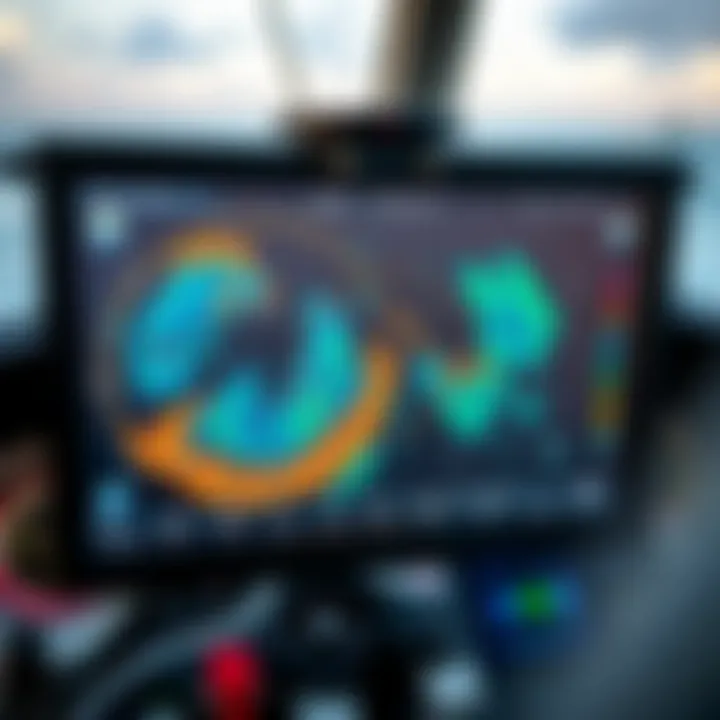
- Know What the Colors Mean: Radar images are not just pretty pictures. Familiarize yourself with the color coding (e.g., greens indicate light rain; reds might signal heavy storms) to better interpret what’s happening in the skies.
- Create a Contingency Plan: Have a plan in place if the weather takes a turn for the worse. Whether it’s knowing the closest safe exit point or having a buddy system in place, be prepared to act quickly.
- Invest in GPS Tracking Devices: Modern gadgets can help you stay connected. Some devices relay information about your location back to friends or family who can assist if you find yourself in a jam.
In essence, preparation coupled with the insights garnered from radar technology will keep kiteboarders safer than a cat in a room full of rocking chairs. Stay alert, stay informed, and most importantly, enjoy the ride!
Key Resources for Radar Monitoring
Understanding radar monitoring is essential for kiteboarders looking to make the most of their time at Panama City Beach. The right resources can provide accurate weather forecasts and real-time data, enabling enthusiasts to sail in optimal conditions. Such insights help in maximizing enjoyment and maintaining safety while engaging in this thrilling sport.
Having reliable tools, apps, and websites at one’s fingertips can transform the kiteboarding experience. They provide up-to-date information about wind speed, direction, and potential weather changes that might catch one off guard. Here’s a deep dive into the key resources that kiteboarders should utilize.
Recommended Radar Websites and Apps
When it comes to staying informed about weather conditions, utilizing the right radar websites and apps can make a world of difference. Here are some highly regarded resources that kiteboarders should check out:
- Weather.com
Not just for kiteboarding, but for various outdoor activities, Weather.com offers detailed radar images related to precipitation and wind patterns. The site’s user-friendly interface helps in tracking changing weather conditions quickly. - Windy
A favorite among outdoor enthusiasts, Windy provides accurate wind forecasts and radar information. It allows users to visualize wind and precipitation in stunning detail. The platform is ideal for those who want to see not just current conditions but also predictions for specific timeframes. - KiteMapper (kiteboarding-specific app)
A dedicated app for kiteboarders, KiteMapper incorporates radar information while also showing local spots where conditions are suitable for kiteboarding. Plus, it has a community feature that lets users share real-time conditions with others. - NOAA Radar
The National Oceanic and Atmospheric Administration offers up-to-date radar information that’s highly trusted. Their site can help one keep track of any storm developments that could impact kiteboarding activities.
These websites and apps can serve as invaluable companions on the water. They help kiteboarders understand the winds and weather patterns, ensuring that their sessions are as enjoyable as possible.
Local Observatories and Support
Tapping into the knowledge of local observatories can provide kiteboarders with insights that online tools may not fully capture. Here are a couple of essential spots that kiteboarders should keep in mind:
- Panama City Beach Lifeguard Stations
The lifeguard stations are not just for safety; they also have access to real-time weather data. Lifeguards can provide verbal updates on current conditions and any quick changes that arise, making them a valuable resource. - Gulf Coast State College Weather Center
This local institution often conducts meteorological studies relevant to the area. Staying connected with their findings can provide kiteboarders with detailed insights into how the local weather behaves, especially during different seasons. - Community Kiteboarding Groups
Engaging with local kiteboarding clubs on social media platforms such as Facebook or Reddit can yield real-time updates and personal experiences. Community members often share radar information, weather anecdotes, and tips on where to find the best conditions.
"It's not just about knowing when to sail; it's about understanding when to stay put."
Leaning on these local resources equips kiteboarders with the kind of in-depth knowledge that radar apps alone sometimes can't provide. By combining real-time data with community insights, kiteboarders can dramatically improve their experience on the water at Panama City Beach.
Community Insights and Experiences
The community surrounding kiteboarding at Panama City Beach plays a vital role in shaping the landscape for enthusiasts. This section emphasizes the importance of shared experiences and insights gained through personal narratives about radar's influence on kiteboarding adventures. The kiteboarding community thrives on collaboration and communication, and radar technology serves as a unifying thread that enhances safety, enriches learning, and fosters connection among participants.
User Stories of Radar Impact
Personal narratives tell much about the reliance on technology and how it shapes activities like kiteboarding. Many kiteboarders have stories that reveal the tangible benefits of radar data. For instance, a seasoned kiteboarder, Dave, shares how he once ventured out on a calm morning after checking radar data which indicated stable winds. Halfway through, he noticed dark clouds rolling in, contradicting the initial reading. What saved him from potential disaster was his immediate access to live radar updates, which indicated a sudden shift in weather patterns. It’s stories like his that underscore the crucial role of radar data in making informed decisions.
"Having real-time radar information is like having an ace in your back pocket. It helps you make the right call when conditions change in a flash." - Dave, Kiteboarding Enthusiast
Another example comes from Sarah, an instructor who emphasizes the importance of radar in her teaching methods. She often shares updates with her students, illustrating the current wind conditions and how they are affected by external factors. This not only improves safety but cultivates a culture of awareness amongst novice kiteboarders. Learning from her experiences showcases how radar technology shapes practical teaching scenarios and reinforces the benefits of shared knowledge.
Sharing Knowledge Among Kiteboarders
Knowledge sharing is at the heart of the kiteboarding community. As kiteboarders gather, an unspoken goal is to exchange tips and tricks, many revolving around how to effectively utilize radar data. Local forums, particularly platforms like Reddit and Facebook groups, serve as spaces where kiteboarders can discuss their findings. Members often post screenshots of radar data along with their interpretations, creating a collective learning environment.
Unpacking the nuances of radar information helps demystify the technology for those new to the sport. For example, understanding different colors on radar maps or interpreting wind speed graphs can make a significant difference in a kiter’s experience. Organized meet-ups also foster discussions about prevalent issues faced by riders. During these gatherings, many share their experiences related to sudden weather changes and how radar alerts kept them out of harm's way.
Anodizing knowledge is not just about safety; it's about creating a bond. Many kiteboarders find lasting friendships through shared experiences, and this community support can be invaluable.
In summary, the interactivity of knowledge sharing highlights the communal spirit of kiteboarding. As the stories of how radar has impacted lives circulate, the kiteboarding community grows closer, making experiences on Panama City Beach not just about the sport but about connection, safety, and learning.
Ending
The role of radar technology in the realm of kiteboarding at Panama City Beach is not merely a footnote but a pivotal element shaping the future of this exhilarating sport. As enthusiasts dive into the waves, understanding how to read radar signals can mean the difference between a thrilling ride and a perilous experience. This article has brought to light various aspects of radar use for kiteboarders, emphasizing how the timely data derived from these systems supports safer and more informed decisions.
The Future of Radar Technology in Kiteboarding
Continuing technological advancements are expected to enhance radar systems further, enabling even more precise and real-time forecasting. Expect improvements in satellite communication, machine learning algorithms that predict weather patterns based on historical data, and perhaps even apps that provide personal alerts on local conditions in the moments leading up to a session. This evolution of radar technology promises to create smoother experiences for kiteboarders. With such tools, riders can not only monitor wind direction and speed more effectively but also make educated choices about when and where to take to the water.
Furthermore, adopting better radar data visualizations will empower the kiteboarding community. For example, overlays of radar data with geographical maps can help users pinpoint spots with ideal winds, peaks in tidal activity, and potential hazards, thus elevating the overall safety of their outings.
Final Thoughts on Safety and Preparation
As the saying goes,