Mastering the Inverted Back in Kiteboarding


Intro
In the world of kiteboarding, mastering advanced techniques such as the inverted back can set a rider apart from the rest. While it may look like a flashy move gliding through the water, there’s a significant amount of skill and technique behind it. For many kiteboarders aspiring to elevate their performance, understanding the mechanics of this move is essential. The inverted back serves not just as a display of prowess but as a fundamental component leading to a multitude of subsequent tricks.
By delving into this article, you’ll discover how the inverted back is more than just an advanced maneuver. It's about physical preparation, mental focus, and understanding environmental factors that impact your ride. We’ll break down each element of the inverted back, tackling both theoretical aspects and practical tips that can help you achieve a seamless execution.
Through this exploration, we'll showcase key techniques and unique insights that can arm kiteboarders—be it beginners or pros—with the tools needed for success on the water.
Gear Insights
Latest Gear Reviews
When it comes to mastering the inverted back, the right gear can make a world of difference. Kiteboards equipped for high-performance tricks must have specific features. Flexibility is crucial; boards that are too stiff can hinder your ability to perform tricks smoothly. A soft flex allows for better pop and easier landings. A great example is the North Kiteboarding Team series, which combines responsive foot pads with a lightweight design, perfect for advanced maneuvers.
Another factor is the choice of kite. Opt for kites that offer good hang time and stability. The Cabrinha Switchblade, renowned for its versatility and reliable lift, is a popular choice among advanced riders looking to engage in tricks like the inverted back.
Essential Gear for Beginners
Newcomers should focus on getting equipment that is forgiving yet responsive. Here are some recommendations:
- A reliable kite: Look for models that provide a good balance between power and control. The Duotone Echo is user-friendly and perfect for those just starting.
- Beginner-friendly kiteboards: A board with a larger surface area allows for better stability, aiding in balance. The Slingshot Cruiser is an excellent fit for starters.
- Safety gear: As with any extreme sport, a proper harness and helmet cannot be overlooked. The Mystic Stealth harness provides comfort and support for those learning the ropes of kiteboarding.
Techniques and Tips
Advanced Tricks and Techniques
Once you’ve got the gear, the focus shifts to technique. The inverted back is not just about getting upside-down; it requires precision. Here are some advanced tips to keep in mind:
- Edge Control: Learning to edge effectively can contribute to a smoother lift-off. Your board should carve sharply into the water to get enough pop.
- Timing: As you prepare to execute the trick, timing is everything. Wait for the right gust of wind; too early or too late can throw off your balance.
- Body Positioning: Keep your body compact and centered over the board. This will enable swift rotations and minimize the risk of a harsh landing.
Safety Practices for Kiteboarders
Safety can often take a backseat in extreme sports. However, it should always be a top priority. To keep yourself safe while attempting the inverted back, consider the following:
- Know Your Limits: Don’t push yourself beyond your current skill level. Gradually build up to the trick.
- Buddy System: Always kite with a friend. This not only provides help in emergencies but also creates a supportive learning environment.
- Regular Gear Checks: Ensure your equipment is in tip-top shape to prevent equipment failure in mid-air.
"Safety is not a gadget but a state of mind.” – Eleanor Everet
By taking time to thoroughly explore these insights, you can expect to improve not just your ability to execute the inverted back, but your overall kiteboarding skills. Familiarizing yourself with the necessary gear and key techniques prepares you for the challenges ahead in this thrilling sport.
For further reading and kiteboarding resources, consider checking sites like Wikipedia and forums on Reddit. Review the gear and other insights as you progress on your journey to perfecting the inverted back.
Prolusion to Inverted Tricks
In the world of kiteboarding, mastering inverted tricks is essential for progression, carving out a niche among the ranks of skilled riders. These maneuvers not only offer a visual spectacle but also significantly enhance overall performance on the water. Engaging in these techniques means diving into a realm where agility meets aerial awareness, thus setting a strong foundation for more advanced tricks.
The importance of inverted movements cannot be overstated. When riders successfully execute an inverted back, it opens the door to a variety of other aerial feats. Inverted tricks incorporate elements of spin, rotation, and inversion, which work together to shift a kiteboarder's center of gravity, demanding a keen sense of control and timing. The ripple effects of mastering these movements benefit other tricks too, leading to a more versatile riding style.
Practical benefits arise from investing time into understanding these elements. There are physical improvements, as players develop core strength and coordination, but there are also psychological gains that enhance focus and confidence in the water.
It's crucial to understand that not all riders will find their footing at the same pace. Some will breeze through the learning curve, while others may struggle. It’s about building a skill set that becomes second nature over time. Besides the actual trick execution, being mindful of wind and water conditions forms a significant part of training. Each attempt at an inverted trick leads to learning that can be applied to future sessions and maneuvers.
To sum up, inverted tricks serve as a launching pad for kiteboarders who aspire to elevate their skills. Feeling comfortable and competent in these techniques lays the groundwork for creativity and exploration in the sport, making it a finer pursuit for the dedicated and ambitious riders. No kiteboarder should overlook their significance.
Defining Inverted Movements
Inverted movements are defined by the rider's orientation while being airborne. This involves the body turning upside down, resulting in the kiteboarder experiencing an exhilarating sensation of weightlessness. Techniques such as the inverted back delve deep into this concept. Here, the rider typically rotates their body in such a way that their feet come above their head, which may vary in degrees but always captivates both the performer and spectators alike.
Understanding the mechanics of inverted movements is key. They blend advanced body positioning, timing, and control of the kite into a single seamless motion. For example, executing an inverted back requires the rider to edge aggressively before taking off. This ensures sufficient lift and momentum is generated. As the rider ascends, they must shift their body weight and commit to the rotation.
Moreover, it’s worth noting that different styles of kiteboarding may emphasize varying interpretations of inverted movements. Freestyle, for example, often involves more pronounced flips and spins, while wave riding can focus heavily on maintaining control amid powerful swells.
Ultimately, defining inverted movements lays bare the foundation for understanding complex tricks. With each maneuver, kiteboarders refine their technique, advancing their overall expertise within the sport.
The Role of Inversion in Kiteboarding
Inversion plays a pivotal role in kiteboarding. It adds excitement and creativity to riding, resulting in a rich tapestry of styles and techniques. When kiteboarders achieve inversion, they establish a connection between the aerial experience and the water below, skillfully blending gravity with freedom.
Inversions, particularly in the form of tricks like the inverted back, amplify the thrill of kiteboarding. By rotating their bodies upside down, riders experience new perspectives of their surroundings, often pushing their limits. This new viewpoint, alongside the element of gravity working its magic, encapsulates what kiteboarding is truly about: exhilaration tempered by skill.
While executing inverted tricks, kiteboarders must master kite control. This aspect cannot be overlooked. The kite's position in relation to the rider dictates the success of the move. Harnessing the wind effectively during an inverted trick is what differentiates a beginner from an advanced rider.
In summation, inversion shapes the way kiteboarders interact with their environment. By understanding its role within various tricks, riders can tailor their style, elevate their performance, and explore new horizons on the water.
Technique Breakdown: Inverted Back
The execution of the inverted back is more than just a flashy move; it represents the intersection of skill, timing, and body mechanics in kiteboarding. Mastering this technique lays a solid foundation for kiteboarders looking to expand their repertoire. Understanding how to break it down into achievable components can significantly enhance performance, boost confidence, and minimize injury risk.


Initial Positioning
Getting into the right position is key to successfully performing an inverted back. Typically, this begins with ensuring that your feet are securely strapped in, providing a solid base. Start off with your body slightly bending at the knees while keeping your torso upright, aligning well with the kite’s pull. You also want to maintain your shoulders back and your head up to keep an eye on your kite, as this will give you better control throughout the maneuver.
Furthermore, the board should be pointing slightly downwind. This alignment helps in generating the necessary lift when moving into the backflip. Initially, some riders may find it helpful to practice just the positioning on land or a shallow water setup before trying it in deeper waters. This pre-emptive practice can make a world of difference when the time comes to take the plunge into the full trick.
Body Movement Dynamics
Understanding how your body moves in relation to the kite and the water is crucial. Once you’ve set up your initial position and are ready to begin the trick, the next steps revolve around your body’s dynamics. As you initiate the jump, push down with your back foot to generate upward force and then pull your knees toward your chest. This tucked position not only creates a smoother rotation but also aids in controlling the flight path.
Wavering too much may cause you to lose balance, so keep your core engaged while angling your shoulders toward the kite. This will help maintain your rotation speed and ensure you land back safely. Practice should include experimenting with different angles and intensities until you find the sweet spot that works for you!
Kite Control Essentials
Kite control is an integral part of performing the inverted back. As you lift off, managing the kite’s position is vital for maintaining momentum and stability. A common pitfall for many beginners is letting the kite rise too high or too low during the trick, which can disrupt the rotation and lead to awkward landings.
To keep the kite powered, it’s best to steer it slightly upward just before you take off. Once in the air, angle the kite downwards slightly as you initiate your rotation. This will not only keep you powered but also help you come back down smoothly, especially if the kite is positioned properly to catch you at the landing. Consider practicing this control in a safe setting, perhaps with a kite instructor, before hitting the waves on your own.
"Kiteboarding isn’t just about the thrill; it's a delicate balance of physics and feel. Understanding these mechanics could be the difference between a successful trick and an awkward fall.”
When mastering the inverted back, focusing on these core elements can make a significant impact on your overall technique. It's just like polishing a rough diamond; with the right attention, you can shine in this exciting sport.
Physical Preparation for the Inverted Back
Preparatory measures for executing the inverted back in kiteboarding are fundamental to achieving success. It isn't solely about being able to perform the move; it's also about ensuring your body is primed for the rigorous demands that this maneuver entails. Adequate physical preparation enhances overall performance and minimizes the risk of injury, making it a crucial aspect of any kiteboarder's training regimen.
Strength Training Considerations
Engaging in strength training can significantly improve your ability to perform an inverted back. The trick requires powerful core stabilization and upper body strength to maintain control while being inverted. Here are some key considerations for strength training:
- Focus on Core Exercises: Building a strong core is non-negotiable. Exercises like planks, Russian twists, and medicine ball throws can enhance both strength and stability.
- Upper Body Strength: Since the upper body plays a pivotal role in maneuvering the kite, exercises such as pull-ups, push-ups, and shoulder presses should be incorporated.
- Leg Strength: Strong legs are essential for take-off and landing. Squats and lunges can help achieve the needed power.
- Endurance Training: Long-duration activities like running or cycling will boost your stamina, allowing you to maintain energy levels during prolonged kiteboarding sessions.
Building strength isn’t about just lifting weights; it should incorporate functional movements that mimic the demands of kiteboarding. A well-rounded strength program will contribute to improved performance in executing an inverted back.
Flexibility and Balance
Flexibility and balance are just as crucial as strength for the inverted back. As you become inverted, your body will need to be agile and responsive. Here’s how to enhance these areas:
- Dynamic Stretching: Before a session, dynamic stretches can warm up your muscles. Movements like leg swings and arm rotations can prepare your body for action.
- Yoga or Pilates: Both practices focus on building core strength and enhancing flexibility. Regularly participating can lead to greater body awareness vital for aerial maneuvers.
- Balance Training: Utilize balance boards or stability balls to work on your balance. Strengthening this aspect prepares you to maintain control mid-air and execute various tricks effortlessly.
- Cool Down Stretches: After your sessions, incorporate cooling down stretches to maintain your flexibility, which will also aid recovery and reduce muscle stiffness.
Having flexibility is the beauty of being able to maneuver before, during, and after the trick. Combining strength, flexibility, and balance creates a solid foundation, making it achievable to master the inverted back and stay on your board without missing a beat.
"Physical fitness, including strength, flexibility, and balance, isn't just part of training; it's what can separate you from an average kiteboarder to an exceptional one."
Whether you're gearing up for your first attempt at the inverted back or perfecting your technique, focusing on these physical preparation elements will enhance your performance and allow you to push your limits safely and effectively.
Mental Aspects of Executing an Inverted Back
Engaging in kiteboarding, especially when it comes to performing tricks like the inverted back, is as much a mental game as it is a physical one. The cognitive dimensions in executing this maneuver can significantly impact the performance and safety of the kiteboarder. It's not just about muscle memory or physical prowess; mental preparedness plays a pivotal role in enhancing execution, maintaining composure, and ensuring success.
When approaching the inverted back, understanding how to manage your mental state becomes critical. The psychological elements can be boiled down to a few essential components: focus, visualization, and emotional control. Each of these factors contributes to a successful ride and can make the difference between a satisfying finish and a dreaded wipeout.
Visualization Techniques
Visualization is a powerful tool that athletes have leaned on for ages, and kiteboarders are no exception. To visualize effectively means to create a mental image of the executed trick before attempting it. Imagine yourself gliding effortlessly, solar rays dancing on water, and then flipping backward with grace. This technique primes your brain for success and can foster a sense of assurance in your abilities.
- Start by finding a quiet space. Breathe deeply and shut your eyes.
- Picture each detail: how it feels to grip the handle, how your body moves, and how the kite reacts.
- Include the sensations: hear the rush of the wind and feel the flex in your knees.
By doing this, you enhance your ability to listen to your body more attentively and adjust your movements in real-time. It lays a mental foundation that boosts confidence and performance. Remember, if you can envision it, you can often achieve it.
Managing Fear and Anxiety
Fear and anxiety can be common hurdles in any extreme sport, including kiteboarding. These feelings, mostly stemming from the natural fear of falling or failing, can cripple your performance if left unchecked. Acknowledging that fear can be an ally is the first step to overcoming it. It doesn’t mean ignoring the anxiety but recognizing it and channeling it into focus.
Here are some strategies to help manage those nerves:
- Acknowledge the Fear: Accepting that it's okay to feel afraid can ironically dispel some of that fear's power.
- Break Down the Trick: Instead of focusing on the entirety of the inverted back, segment it into smaller, manageable components. Concentrate on nailing the take-off first, then the rotation.
- Breath Control: If anxiety builds, focusing on your breathing can calm the storm. A steady inhale and exhale can recenter your thoughts and physical performance.
- Positive Affirmations: Develop a few affirmations or phrases that resonate with you and repeat them mentally before hitting the water.
"Success is not the absence of fear, but the ability to take action in its presence."
All these methods can considerably boost one's confidence, making the mental aspect of kiteboarding as vital as the physical components. Developing a strong foundation in the mind helps kiteboarders find their footing – or rather, their footing in the air. As you dive deeper into the world of kiteboarding, keep this mental framework in sharp focus to help propel your skills and enjoyment of the sport.
Common Challenges and Solutions
When it comes to mastering the inverted back in kiteboarding, understanding common challenges and their corresponding solutions is crucial. This knowledge allows riders to not only anticipate hurdles but to navigate their paths forward with confidence. Tackling these issues head-on can transform a rider’s experience, leading to increased enjoyment and performance.
Identifying Frequent Mistakes


Every kiteboarder stumbles upon their share of bumps in the road while learning new tricks, especially when venturing into the inverted back. Recognizing common mistakes is pivotal to accelerating improvement. Here are a few pitfalls to steer clear of:
- Misjudging Wind Speed: Many riders attempt inverted backs in conditions that are either too light or too strong, leading to failures. Ideal wind conditions are essential for proper height and airtime.
- Poor Timing: Diving into the trick without the right timing can severely hinder performance. It’s important to synchronize the movement of the kite with body positioning to achieve optimal lift.
- Inadequate Body Rotation: Oftentimes, riders fail to generate enough rotation, leading to awkward landings. Proper body mechanics are vital in sustaining the rotation needed for execution.
In short, acknowledging and addressing these frequent mistakes can set the stage for more successful attempts at the inverted back.
Adaptive Techniques for Improvement
With challenges come opportunities for growth. Once specific mistakes are identified, adapting techniques is the next step. Here are some methods to enhance execution and overcome hurdles:
- Conditioning Drills: Focus on specific drills that refine body movements. Practicing jumps without attempting the inverted back can provide insights into timing and motion control.
- Video Analysis: Reviewing footage of your attempts can be eye-opening. Analyzing the subtleties in landing angles and kite positioning can reveal flaws in technique that may not be visible in real-time.
- Incremental Progression: Don’t rush into the full inverted back; instead, break the trick down into smaller segments. This may involve practicing the initial lift separately before integrating the full motion.
"Understanding your own learning process takes patience and acknowledgment of where you currently stand. Improvement is a gradual journey."
These adaptive techniques are geared toward transforming failures into stepping stones, adjusting one’s approach until success is achieved. Each small win paves the way toward mastering the inverted back, enabling riders to continue pushing their limits in kiteboarding.
Environmental Factors Affecting Performance
Understanding the environmental factors that influence kiteboarding can shape how effectively one executes an inverted back. Two primary aspects come into play: wind conditions and water surface variability. Each factor contributes to the overall performance, creating a need for kiteboarders to be acutely aware of their surroundings. This attentiveness can significantly impact the execution of the trick and the comfort of the rider.
Wind Conditions
Kiteboarding relies heavily on wind, and its impact cannot be overstated. The strength, direction, and consistency of the wind all dictate how a kite performs. When planning to tackle an inverted back, consider the following:
- Wind Speed: Too much wind can make it difficult to control the kite, potentially leading to over-rotation. Conversely, low winds might affect lift, making it hard to gain enough height for the trick.
- Wind Direction: Headwinds can boost lift as they create more tension on the lines, but they can also complicate your takeoff. Crosswinds bring their own challenges, often demanding more precision in the kite's positioning.
- Consistent Breeze: A steady wind is a kiteboarder's best friend. Erratic winds can affect flight stability, which is critical when trying to master inversion.
By adapting techniques to the specific wind conditions, kiteboarders can optimize their performance and safely execute the inverted back.
Water Surface Variability
Next, let’s turn our attention to the water surface. The characteristics of the surface on which you ride can dramatically affect how you attempt tricks. Here are some considerations:
- Choppy vs. Flat Water: Flat water is often regarded as ideal for executing tricks since it provides a smoother surface for takeoffs and landings. Choppy water, on the other hand, can disrupt the flow, complicating takeoff and increasing the risk of subjects losing control.
- Wind-Generated Swells: These can create a more dynamic environment. While they offer opportunities for spectacular airs, they also add complexity—having to account for the motion under your board while executing inversions.
- Tidal Variations: The tidal state can affect the water's surface conditions. Rising tides may alter the quality of the waves, while low tides may expose obstacles and shallower areas, demanding heightened awareness.
"A kiteboarder's adaptability can turn environmental undermining factors into a canvas of possibilities."
In summary, carefully evaluating wind conditions and water surface variability equips kiteboarders with the foresight and knowledge necessary for achieving successful inverted backs and overall improvement in their kiteboarding journey. These factors combined forge not only the trick’s execution but also the kiter’s confidence and overall experience.
Variations on the Inverted Back
When riders venture into the realms of kiteboarding, mastering the inverted back is just the tip of the iceberg. Variations on this foundational move elevate the performance and keep the excitement flowing. Understanding these variations is crucial not just for progression, but also for personal expression on the water. Each twist and turn of the inverted back enables kiteboarders to develop a repertoire that showcases style and adaptability.
Inverted Back with Grab
Grabbing your board during an inverted back isn’t just for show; it’s a technique that can enhance stability and control while adding pizzazz to your trick. This variation requires precise timing and position. To execute the grab, as you start to initiate the rotation, ensure that your body is compact, leveraging your core strength for balance. As you rotate upside down, reach down and grab the heel edge of your board with one hand.
Grabbing your board can not only increase your balance but also show off your skills while being air-born!
The benefits of this variation are twofold: First, it helps in stabilizing your movements, and second, it contributes to the overall aesthetics of the performance. Riders often use grabs to express individuality, so experimenting with different grabs—like the indie grab or nose grab—can be beneficial. This keeps the trick fresh and engaging both for you and your audience. Make sure to practice these variations on flat water before attempting them in challenging conditions.
Transitioning to Other Tricks
Once you've got the inverted back down pat, the next step often involves a seamless transition into other tricks. This can be tricky, but with the right foundation, it's quite achievable. Think of the inverted back as a launchpad. The way you come out of the inverted back sets the tone for what follows.
To do this smoothly, focus on your energy transfer. As you finish your inversion, look to your destination while shifting your weight through your feet. This will help guide your board and body into the next trick whether you’re going for a superman or downloop landing. Below are some common transitions to consider:
- Inverted back to front loop: Make sure to adjust your kite high to maintain power.
- Inverted back to 360 spin: Use your rotation momentum for a fluid spin.
- Inverted back to trick landing: A controlled landing is key here to transition smoothly.
Practicing these transitions will prove to be immensely rewarding. Each variation and transition not only enhances your skills but also deepens your understanding of kite dynamics in action. The key is to be patient; transitions come with time, and they make your overall performance more versatile.
Overall Sequencing in Kiteboarding
Understanding the overall sequencing in kiteboarding is essential for mastering techniques like the inverted back. Sequencing refers to the way in which various movements and tricks are organized and executed on the water. The flow of these sequences allows kiteboarders to transition smoothly between maneuvers, maximizing both performance and style.
One key element of effective sequencing is the progression of skills. Before attempting the inverted back, a rider should be comfortable with fundamental tricks such as jumps and rotations. This foundational knowledge provides the necessary muscle memory and confidence, creating a solid base for more complex maneuvers.
- Building on Basics: The inverted back itself acts as a central component in a broader network of tricks. When a rider successfully integrates the inverted back into their repertoire, it opens the door to variations and combinations that enhance performance.
- Flow and Rhythm: Kiteboarding heavily relies on maintaining flow. A smooth transition from one trick to another can significantly improve overall aesthetics during a ride. Kiteboarders often find that the better they can sequence their movements, the more effortless and seamless their performance appears.
"The beauty of kiteboarding lies not just in individual maneuvers, but how they fit into a larger tapestry of movement."
Being aware of sequencing also helps in avoiding common pitfalls. For instance, hasty attempts to tackle advanced tricks without ensuring the basic elements are mastered often lead to frustration and, at times, injury. By focusing on a systematic approach to trick execution, riders can build confidence and skill progressively.
Furthermore, integrating safety considerations into overall sequencing is imperative. Each trick should smoothly flow into the next while factoring in the current environmental conditions and the rider’s capacity. This attention to sequencing not only enhances performance but significantly reduces the risk of accidents.
Overall, kiteboarders who understand how to weave their tricks together will find they are able to execute the inverted back with greater precision and style, ultimately elevating their kiteboarding experience.
Inverted Back as a Building Block
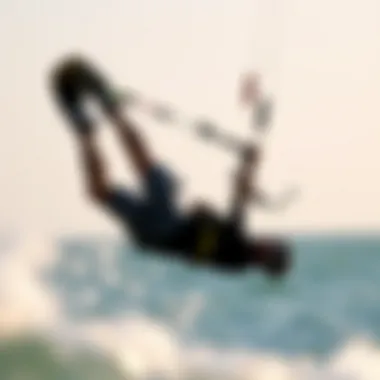

The inverted back is more than just a standalone trick; it serves as a crucial building block within a kiteboarder's skill set. Its execution requires coordination, timing, and a clear understanding of body mechanics. Riders often find that mastering this maneuver can pave the way for advanced tricks that incorporate flips and grabs.
By effectively integrating the inverted back into one’s repertoire, kiteboarders enrich their riding choices. This trick can lead into others like the kite loop or the front rotation. Furthermore, many advanced tricks are essentially variations on the inverted back. This means that becoming proficient in it enables riders to innovate and experiment with transitions that amplify their style and technical prowess.
Integrating Tricks into a Routine
Creating a cohesive routine requires a blend of timing, technique, and creativity. Integrating the inverted back into a broader performance routine involves ensuring that other tricks complement its execution. For instance, a well-placed inverted back followed by a smooth transition into a spin can captivate an audience or enhance a competitive run.
When developing a routine, consider the following strategies:
- Diversity: Mix various tricks, balancing between foundational maneuvers and advanced applications.
- Transitions: Focus on how tricks flow into one another. Smooth transitions not only feel good but also showcase a rider's skill level.
- Creativity: Don’t be afraid to experiment with different sequences or improvisations during sessions. This can help refine individual styles and highlight strengths.
Community Insights and Expert Opinions
The world of kiteboarding is a tapestry woven from countless experiences, insights, and lessons from seasoned riders and instructors. This section aims to harness the collective wisdom of the kiteboarding community, focusing on two pivotal areas: the personal stories shared by experienced kiteboarders and the valuable advice from those who teach the art.
Stories from Experienced Kiteboarders
Hearing firsthand accounts from individuals who have faced challenges and celebrated triumphs can provide immense value. Many experienced kiteboarders often encounter obstacles during their attempts at mastering the inverted back. Common themes emerge in these stories, such as the importance of patience and resilience.
One kiteboarder recalls their first attempts at the inverted back, describing it as a mix of exhilaration and fear. "The wind was gusty, and my confidence was shaky. I knew I had to commit, but holding back felt safer. It wasn't until I let go of that fear that I truly found the flow," they said. This serves as a reminder that embracing discomfort can lead to unexpected breakthroughs.
These anecdotes underscore one vital point: the emotional rollercoaster of learning a new trick is as critical as the physical aspects. Each story acts as a brick in the foundation of knowledge for novice kiteboarders, illustrating that every setback often conceals a lesson. Thus, the community not only revels in the highs but also learns from the lows.
Advice from Professional Instructors
Drawing from the expertise of professional instructors provides a different layer of insight. These experts emphasize the structured approach to tackling the inverted back. According to one seasoned instructor, "If you don't have the foundation right, you're setting yourself up for frustration. Ensure your kite control and body dynamics are on point before attempting the trick."
They recommend a few critical aspects to focus on:
- Kite Positioning: Always keep the kite high during launch. Managing its elevation effectively gives a more stable takeoff.
- Body Alignment: Proper alignment of the legs and torso is crucial. One rider noted they initially struggled because their body wasn't aligned correctly, which threw off their balance.
- Safety Drills: Instructors advise practicing safety manoeuvres, emphasizing that understanding how to fall safely is just as vital as the trick itself. They urge riders to "take baby steps in every session. Don’t rush it; mastering the technique takes time."
Furthermore, instructors appreciate the importance of a supportive community during the learning process. They often create an environment where riders can comfortably share their experiences and struggles, forming a network of encouragement.
"Kiteboarding is about synergy — your relationship with the kite, the water, and ultimately, with others in the community. Embrace that sense of belonging as you navigate your fountain of knowledge."
In summary, both stories from experienced kiteboarders and advice from professional instructors provide invaluable perspectives. Embracing the emotional journey of learning and focusing on solid techniques can set the stage for mastering the inverted back — one of kiteboarding's most rewarding tricks. For those eager to dive deeper into kiteboarding, resources such as Wikipedia, and platforms like Reddit offer additional community insights and shared experiences.
Safety Considerations
When kiteboarding, especially while attempting complex maneuvers such as the inverted back, safety should be at the forefront of your mind. Engaging in these dynamic tricks can lead to thrilling experiences, but they also come with their share of risks. Proper awareness and usage of equipment can significantly diminish the chances of accidents, allowing you to focus on mastering your craft.
Understanding safety considerations isn't just about avoiding injuries; it's also about enhancing your performance. When you know you have the right gear and strategies in place, you can push your limits more confidently. This section explores two vital components: proper equipment usage and injury prevention strategies.
Proper Equipment Usage
The gear you choose for kiteboarding can dramatically influence both your safety and performance. Here are some focused points that you ought to consider:
- Kite Size and Type: Ensure the kite size matches your skill level and the wind conditions. A kite that’s too large or too small can lead to loss of control, especially during inverted tricks.
- Harness Fit: An ill-fitting harness can cause discomfort or even a dangerous situation if it fails while riding. Always wear a harness that secures snugly yet comfortably around your body.
- Board Selection: The right board can enhance your ability to perform tricks. A board with appropriate buoyancy and flex can help you maintain stability during an inverted back.
- Safety Leash: Always use a safety leash that disconnects in emergencies. This critical piece of equipment can prevent entanglement and help you regain control quickly.
Keeping your gear in top condition is just as important. Regularly inspect your lines, bar, and kite for any signs of wear or damage. Relying on well-maintained equipment contributes to overall safety, reducing the likelihood of equipment malfunction mid-trick.
"Safety first is safety always." – Charles M. Hayes
Injury Prevention Strategies
Injuries in kiteboarding can often stem from unexpected falls or mismanagement of the kite. Knowing how to prevent these injuries starts with understanding your limits and practicing smart techniques. Here’s how to stay one step ahead:
- Warm-Up Routine: Before hitting the water, engage in a thorough warm-up session. Stretching and light exercises can prepare your body for the physical demands of kiteboarding.
- Progress Gradually: Don’t jump into advanced tricks right away. Build a foundation with simpler moves before attempting an inverted back. It’s crucial to master the fundamentals.
- Falling Techniques: Learn how to fall safely. Instead of fighting the fall, try to roll as you touch the water. This technique can lessen the impact and reduce the risk of injuries.
- Buddy System: Always ride with a partner when practicing new tricks. If something goes awry, having someone nearby could make a major difference in response time.
In summary, safety in kiteboarding is an integral aspect that directly influences both your enjoyment and skill development. By utilizing proper equipment and implementing effective injury prevention strategies, you can navigate the thrilling world of inverted tricks with greater assurance.
Epilogue and Future Directions
In the expansive world of kiteboarding, mastering the inverted back is a significant milestone that sets the stage for more complex maneuvers. Understanding its intricacies not only enhances one's riding skills but also enriches the overall kiteboarding experience. This technique demands dedication and a solid mental framework, both of which play a pivotal role in a rider's journey.
Reflecting on Mastery Progression
Progressing in kiteboarding is akin to climbing a mountain: each peak reached unveils new vistas. The inverted back serves as a critical stepping stone on this ascent. As kiteboarders pour time into perfecting this maneuver, they inevitably build a robust skill set, laying a foundation for higher-level tricks. With every attempt—successful or not—riders cultivate patience, resilience, and adaptability.
To effectively track one's growth, keeping a journal or video log could be invaluable. Recording attempts allows riders to see their evolution, pinpointing areas needing focus while also celebrating successes. Progress isn't always linear; some days come with challenges that test resolve. However, these moments are vital—they transform beginner mistakes into mastery through experience.
Potential Innovations in Kiteboarding Tricks
Looking ahead, the horizon of kiteboarding tricks appears bright with potential innovations. As technologies advance, so too does the equipment kiteboarders use. Lightweight materials and improved aerodynamic designs allow for tricks that were once deemed too risky or unmanageable. The community's creativity can lead to new variations of the inverted back, incorporating elements like spins or grabs that keep the sport fresh and exciting.
Moreover, collaboration within the kiteboarding community should not be overlooked. Engaging in discussions in forums like Reddit or Facebook can yield novel ideas and shared experiences. These exchanges can foster innovation, as riders share videos or techniques that might inspire others to attempt unique combinations in their riding.
Additionally, professionals are likely to experiment with tricks that incorporate aerial maneuvers, focusing on how well one can maintain control through unpredictable winds. Innovative training methods, perhaps driven by virtual reality technology, may emerge to help riders practice skills in a safe environment before hitting the water.
Adapting to trends like these showcases kiteboarding’s dynamic nature, encouraging kiteboarders to push boundaries and think outside the box while maintaining the core essence of the sport. As the community evolves, who knows what brilliant and mind-bending tricks await on the horizon?
The journey of kiteboarding is not merely about the tricks executed—it’s about the rider’s evolution, fueled by passion, community, and a dedication to mastering the winds.