The Art of Letting Go in Kiteboarding
Intro
Kiteboarding is more than just a sport; it's a blend of freedom, skill, and adventure. The concept of being 'unhooked' in kiteboarding represents a pivotal moment for many riders, where they take a leap from the familiar into a realm of spontaneity and expression. Letting go of the safety of being hooked in allows kiteboarders to engage in a dance with the wind and the water—one that demands both physical adeptness and mental clarity.
Throughout this exploration, we will dissect not just the technical aspects of unhooked riding, but also the profound psychological shifts that accompany it. By delving into the community surrounding this practice, we seek to understand how kiteboarding fosters camaraderie, pushing individuals to embrace risks, share experiences, and develop their craft.
As we journey through the practices and ethos behind letting go in kiteboarding, expect to gain insights into essential gear for beginners and experienced kiteboarders alike, along with tips and safety measures to ensure you're well-prepared for the challenges ahead. So, buckle your harness, and let’s take off into the realm of kiteboarding!
Prolusion to Unhooked Kiteboarding
Kiteboarding, for many enthusiasts, is not just a sport but a thrilling journey into the unknown. At the very heart of this adventure lies the concept of unhooked riding, an exhilarating departure from traditional kiteboarding. This practice holds immense significance as it amplifies the sense of freedom and skill that kiteboarders seek. Unhooked riding invites participants to embrace the elements in a way that fosters profound connection with the wind and water, transforming their experience from mere recreation to a passionate expression of individuality.
Understanding unhooked kiteboarding is, therefore, essential for anyone looking to deepen their skill set and explore the limitless possibilities the sport offers. It challenges riders to push their boundaries, encouraging them to let go of the mental restrictions often imposed by performance anxiety or fear of falling. In doing so, participants unlock a world of creativity and expression, realizing that riding unhooked is more than just a technique; it embodies a mindset that prioritizes freedom and personal growth.
Defining the Unhooked Experience
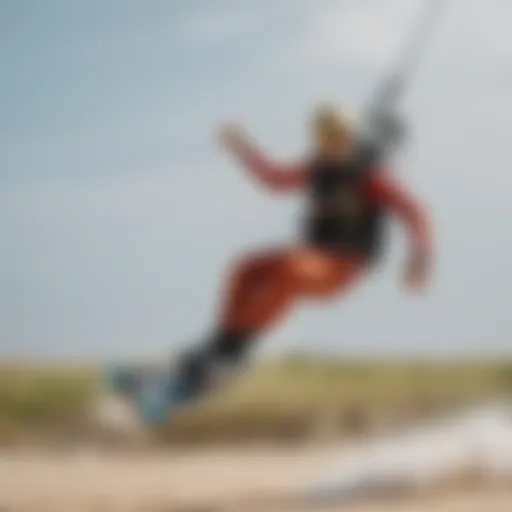
The unhooked experience is distinct and electrifying. In simple terms, it involves riding without being attached to the harness via a fixed hook. This opens doors to an array of tricks and maneuvers that are simply not possible while hooked in. Riders glide through the water with an enhanced sense of balance and control, fostering a more natural connection to their kite. The rush of this experience hinges on a few key elements:
- The thrill of freedom: Riders find themselves more in tune with the elements, dancing with the wind rather than fighting against it.
- Heightened body awareness: Unhooked riding demands an acute understanding of one's own body movements, which can enhance overall riding skills.
- Innovation in trick execution: Many of the most impressive tricks in kiteboarding – from spins to flips – originate from unhooked positions, allowing for a unique style that can set a rider apart.
All in all, defining the unhooked experience goes beyond the technicalities; it's about grasping the essence of what it means to let go, both literally and figuratively. As one embarks on this journey, the sensations of liberation and adrenaline intertwine, creating an unforgettable adventure.
A Brief History of Unhooked Riding
The evolution of unhooked riding is a fascinating tapestry woven through the years. It began unfolding in the late 1990s and early 2000s, initially among a small cohort of enthusiasts who sought to push the envelope of traditional kiteboarding. The first unhooked tricks were basic but groundbreaking, allowing riders to reinvent themselves on the water.
As the sport gained traction, innovations in kite technology made unhooked riding more accessible. Advanced kite designs, improved control bars, and harness developments played a critical role, enhancing safety and performance for riders of all levels. Today, we can see the influence of this riding style in competitions, where unhooked maneuvers are celebrated for their complexity and creativity.
The culture surrounding unhooked riding has also evolved. What started as isolated practices among a few adventurous souls blossomed into a community that shares techniques, video tutorials, and stories. Kiteboarders around the world now gather at workshops and camps, learning from one another and fostering bonds through shared experiences on the water.
Overall, the history of unhooked riding is not simply a timeline of progress; it's an ongoing tale of community growth, technical advancement, and self-discovery. This legacy continues to inspire new generations of kiteboarders to explore the depths of their sport and embrace the art of letting go.
Technical Aspects of Unhooked Kiteboarding
Unhooked kiteboarding requires a seamless blend of technical skills and the right gear. Understanding the unique demands of this style not only enhances performance but can also lead to a more exhilarating riding experience. Engaging in unhooked riding pushes boundaries, but it’s crucial to have the appropriate tools and knowledge under one's belt.
Essential Gear for Unhooked Riding
Kites that excel without hooks
The kites designed for unhooked riding are tailored for optimal performance when the rider is not attached to the harness. A primary characteristic of these kites is their ability to generate lift and power efficiently without the assistance of hooks. For kiteboarders seeking to excel, a kite like the North Rebel can be a prime choice. Notably, its enhanced depower feature and stability in gusty winds make it a favorite among enthusiasts.
The unique double sail system of these kites allows for easier maneuvering and better control during tricks. However, they may be less forgiving in unexpected conditions, making it paramount for riders to understand their limits.
Harness selections for comfort and safety
Choosing the right harness is critical for support and allows freedom of movement. Waist harnesses like the ION Radar are particularly popular among unhooked riders for their lightweight feel and freedom of motion. This is essential during tricks, as a rigid harness might inhibit flexibility.
Additionally, the comfort provided by a well-constructed harness can increase the time one spends on the water, reducing fatigue. However, pick a harness that fits well, as a poor fit can lead to injury or discomfort, especially in the dynamic nature of unhooked riding.
Line setups to enhance performance


The choice of line setup can dramatically influence a kiteboarder's performance while unhooked. Lines should typically be of a lower diameter to reduce drag and improve responsiveness. For example, a set of ultra-slim lines can provide the agility needed for quick maneuvers and tricks.
Another element to consider is the length of the lines; shorter lines allow for more direct feedback and control. However, using shorter lines in larger waves may limit the power reach, so it’s essential to weigh the advantages against potential setbacks based on wind conditions and personal style.
Mastering the Techniques
Starting from a standstill
When beginning unhooked riding, starting from a standstill can be one of the most challenging yet crucial skills to master. This technique involves balancing your board while simultaneously engaging the kite to pull you forward. The primary benefit is that it teaches you how your body mechanics interact with the kite's power. It's all about timing and weight distribution.
By adopting a slightly crouched position, you can manage the pull better as the kite generates lift. A common mistake is tending to lean back too far, which can lead to losing balance. Practice this until it becomes second nature, as it's foundational for all subsequent maneuvers in unhooked riding.
Transitioning from hooked to unhooked
This transition is imperative for escaping the constraints of a standard kiteboarding style. Riders first must ensure they are comfortable riding hooked in order to successfully leverage their skill towards a more dynamic unhooked state. Riders should practice detaching from the harness while executing various moves.
What makes this transition valuable is the liberty it offers to the rider, as it promotes creativity in movements. However, it requires thorough practice to maintain control while the kite is unhooked. New riders often experience facilitating a loss of power during the transition, reinforcing the importance of control.
Executing tricks in the unhooked state
Executing tricks without hooks is the pinnacle of unhooked kiteboarding. The techniques require precise timing, body position, and confidence. Key tricks like the handle pass demand an understanding of your kite’s position and how it interacts with wind dynamics during aerial maneuvers.
A distinct advantage of doing tricks unhooked is that they allow a rider to combine style with fluidity. However, these tricks also come with a high risk of falling, which may discourage some from trying. Confidence builds over time as each successful trick propels your riding experience to a new level, enriching both personal growth and enjoyment.
Psychological Implications of Unhooked Riding
Kiteboarding demands a blend of physical ability and mental acuity. When shifting to unhooked riding, the psychological journey becomes no less significant. In this realm, nothing rings truer than the adage, "it’s not just about the ride; it’s about the mindset". Understanding the mental aspects tied to this exhilarating style reveals layers that can drastically alter an individual's approach to the sport and life in general. The act of letting go—both literally and figuratively—exposes deep truths about confidence, fear, and personal growth.
The Freedom of Letting Go
Unhooked riding is a metaphorical doorway to a realm of freedom that is hard to articulate. When a rider unhooks the leash that binds them to the kite, they are not merely removing a physical restraint; they are setting aside psychological weights too. This act fosters a sense of liberation, akin to shedding layers of self-doubt and inhibitions. The wind catches the kite not unlike how newfound confidence lifts the spirit.
Many riders describe a euphoric sense of weightlessness when they unhook. This sensation reinforces the idea of freedom—freedom from failure, judgement, or the familiar boundaries that one encounters in their daily life. In these moments, kiteboarders often feel more attuned to nature, as it’s just them, the water, and the wind. This heightened awareness transforms their ride into a meditative experience.
- Letting go cultivates mindfulness, which enables the rider to embrace the moment instead of being shackled by past mistakes or future anxieties.
- Encountering challenges fosters resilience. Surviving falls and mishaps leads to a mindset that isn’t afraid to face antagonizing doubts, thus manifesting personal growth.
"In the act of letting go, we find our true potential, not just as riders but as individuals seeking our own paths in life."
Building Confidence Through Challenge
In life, as in kiteboarding, confidence often germinates from facing and overcoming challenges. Unhooked riding serves as a daunting and yet rewarding platform to build that confidence. The first attempts can be harrowing. The kite pulls in a manner that can feel intimidating, urging one to cling to familiarity. Nonetheless, the path to mastery is paved with perseverance.
Facing unhooked maneuvers allows riders to confront their fears head-on. The initial struggle is real, yet each attempt matures their skill and dispels self-doubt. The mental battle transforms into a mental boon. To illustrate this:
- Falling becomes a teacher. Every tumble is a lesson on what to adjust next time, fostering a growth mindset.
- Incorporating new techniques is not just for the sake of tricks but for building muscle memory and strategic thinking under pressure.
Through relentless pursuit and practice, confidence becomes more than just a feeling; it solidifies into a resilient aspect of one’s character. As riders continue to grow their skills unhooked, they find that the confidence gained on the water extends beyond it, seeping into other areas of life.
Safety Considerations When Riding Unhooked
Safety is a cornerstone in the world of kiteboarding, especially when one decides to embrace the vibe of unhooked riding. The thrill of freeing oneself from the constraints of the harness adds a level of excitement, but it also introduces certain risks that riders must be acutely aware of. Understanding these dangers, and preparing for them, is not just advisable; it’s essential. A solid grasp of safety measures can significantly enhance the enjoyment of this exhilarating sport.


Understanding Risks and Preparing
When riders venture into unhooked territory, they expose themselves to unique challenges. Without the security of a hook, the control over the kite and one’s own body becomes more intricate. Gusty winds can turn a decent jump into a dangerous situation. Riders are often caught off guard during radical maneuvers, leading to potential injuries if they can’t regain control quickly.
Preparation starts with knowledge—knowing the local conditions, being aware of one’s own skill level, and assessing the area to identify potential hazards. It's paramount to be in tune with the kite’s responsiveness, as losing the connection to the harness can shift the balance of power between the kite and the rider. Practicing on calm days can nurture that familiarity, ensuring you're ready to handle more robust conditions when they arise.
Best Practices for Safety
Gear checks before riding
Checking gear before hitting the waves is one of those golden rules that shouldn’t be overlooked. A careful inspection can prevent complications later on. It’s about ensuring that everything is in tip-top shape.
- Lines: Inspect for any wear and tear. A broken line can lead to severe risks when riding unhooked.
- Kite Condition: Look for any punctures or signs of damage. A compromised kite will not perform reliably.
- Safety Systems: Ensure that all release systems are functioning properly. These features are your safety net during emergencies.
Taking the time to do these checks might seem tedious, but it can save you from unexpected mishaps out on the water. It's like the saying goes, "An ounce of prevention is worth a pound of cure."
Emergency procedures in case of loss of control
In kiteboarding, being prepared for the unexpected is key. In situations where a rider loses control, knowing the emergency procedures can mean the difference between a safe return to shore and a potentially perilous scenario.
- Depowering the Kite: Familiarize yourself with your kite’s depower system. In moments of uncertainty, this feature can significantly reduce the lift and pull of the kite.
- Signal for Help: If in distress, raising your arms or waving can signal nearby riders or boaters for assistance.
- Practice Self-Rescue Techniques: Regularly practicing self-rescue maneuvers ensures you're ready to act quickly in case of emergencies.
These procedures are critical in managing panic and providing a structured way to handle a loss of control. Riders should note that complacency is an enemy in this sport. Always anticipate what could go awry, and have a plan in place.
"Safety doesn’t cost; it pays."
By embracing the profound importance of safety measures and preparation, kiteboarders can ensure that the experience remains enjoyable and thrilling while minimizing unnecessary risks. Being informed and ready leads to richer experiences on the water, leaving room for enhanced skills and, ultimately, greater enjoyment in the art of unhooked riding.
Unhooked Riding and Community Engagement
Unhooked riding in kiteboarding is not just a thrilling experience on the water; it also fosters a unique sense of community among kiteboarders. This section explores the different facets of community engagement that arise from the unhooked experience, highlighting its importance in enhancing the overall kiteboarding journey.
Building Bonds Through Shared Experiences
When riders let go of their hooks, there’s more than just the freedom of movement that manifests; there’s an emotional liberation that creates connections among enthusiasts. Engaging in unhooked riding often happens in groups, where shared challenges and triumphs become the bedrock of friendship.
Consider that exhilarating moment when a fellow kiteboarder lands a trick for the first time. The cheers and high-fives are not merely reactions to a feat; they are recognition of a shared journey. These communal experiences allow riders to bond over their passions and provide support in overcoming fears and hurdles. Therefore, participating in unhooked kiteboarding becomes a canvas for building lasting friendships.
“Together, we lift each other higher, both on the waves and in our journey of growth.”
Sharing Techniques and Tricks
Knowledge and skills in kiteboarding are often passed on from one rider to another. The sharing of techniques, particularly in unhooked riding, strengthens the community as riders learn from those who have walked the path before them.
Workshops and kiteboarding schools
Workshops and kiteboarding schools play a crucial role in fostering this knowledge exchange. These venues are not only places of instruction; they are also hubs of community interaction. The structure of most workshops encourages collaborative learning, where participants watch and critique each other’s performances, ask questions, and provide feedback. This environment promotes mutual growth and makes it easier to absorb new techniques.
A key characteristic of workshops is their hands-on approach. Instructors guide riders as they practice unhooked techniques, ensuring safety while pushing students to their limits.
However, while workshops often come with a cost, they provide a structured way to refine skills and connect with others. Learning alongside other passionate riders can boost motivation and make the process enjoyable.


Online communities and forums
In today's digital age, online forums and communities represent another facet of engagement for kiteboarders. Platforms like Reddit and Facebook have dedicated groups where riders share tips, tricks, and experiences associated with unhooked riding. The simplicity of these platforms allows for immediate interaction. Questions can be posed and answered, experiences shared, and celebrated.
The major advantage of online communities is the vast network they create. A rider in one corner of the globe can connect with another thousands of miles away. This opens avenues for learning from diverse perspectives and techniques. It’s not uncommon to find discussions around the latest gear, local conditions, or even personal challenges in unhooked riding.
However, online interactions can sometimes lack the personal touch of face-to-face engagement. This detachment may limit the depth of connections formed. Nonetheless, for many, it offers an accessible entry point into the kiteboarding community.
Environmental Impact of Kiteboarding Activities
Understanding the environmental impact of kiteboarding activities is crucial for both enthusiasts and the ecosystems involved. As kiteboarding grows in popularity, the potential effects on marine and coastal environments need to be examined. This section highlights specific elements related to these impacts and emphasizes the importance of mindful practices to mitigate any adverse effects.
Kiteboarding's Effect on Marine Ecosystems
Kiteboarding, while exhilarating, has several possible consequences for marine ecosystems. The act of launching and landing kites can lead to disturbances in delicate coastal habitats, particularly in areas where vegetation plays a key role in maintaining shoreline integrity. Damage to seagrass beds and coral reefs can occur if kiteboarders are not careful about their surroundings.
Moreover, there is the potential for increased pollution. Equipment materials, such as plastics and neoprens, generate waste; if discarded or improperly managed, they can contribute to larger environmental problems. Any oil leaks from equipment maintenance can also seep into waters, affecting marine life.
"A little awareness can go a long way in protecting what we love about the sport."
What then can kiteboarders do to lessen these impacts? Here are some considerations:
- Select Sites Carefully: Engaging in kiteboarding only in designated areas can help limit disturbances to sensitive ecosystems.
- Follow Local Guidelines: Many locations have specific rules regarding kiteboarding. Adhering to these can curtail damage to habitats.
- Educate Others: A sense of community responsibility encourages fellow kiteboarders to act sustainably and protect the marine environment.
Sustainable Practices for Enthusiasts
Sustainable practices within the kiteboarding community are essential to reduce the sport's ecological footprint. Enthusiasts can incorporate the following strategies into their routines, ensuring that they enjoy the waves without harming the environment:
- Use Eco-Friendly Gear: New technologies are producing more environmentally-friendly kiteboarding equipment. Look for kites made from sustainable materials.
- Participate in Local Cleanups: Many kiteboarding communities organize beach and water cleanups. Getting involved reinforces community spirit and addresses pollution issues actively.
- Support Conservation Efforts: Contributing to organizations dedicated to marine conservation can have lasting effects. The more support these organizations receive, the better protection for ecosystems that are at risk.
- Be Mindful of Wildlife: When kiteboarding, maintaining a respectful distance from wildlife helps prevent unnecessary stress on animals and their habitats. Observing local wildlife guidelines can foster healthier ecosystems.
By integrating these practices, kiteboarders can display a commitment to sustainability. It's about enjoying the thrill of riding unhooked while being a custodian of the beautiful environments that allow such adventures.
The Future of Unhooked Riding
The future of unhooked riding is not just about mastering the technique; it’s a journey towards freedom and self-discovery on the water. As kiteboarding evolves, so too does the unhooked experience, offering new possibilities for skilled riders and newcomers alike. Understanding this evolution is crucial for anyone keen on pursuing their passion for kiteboarding.
Technological Innovations
Advancements in gear design
Recent advancements in gear design play a pivotal role in shaping the future of unhooked riding. One of the standout characteristics of modern kites is their lightweight construction without compromising on strength. This is chiefly because of the use of advanced materials like ripstop nylon and carbon fiber composites. These materials not only contribute to a streamlined experience while riding but also enhance the durability of the gear, allowing riders to push their boundaries in performing tricks and maneuvers.
A unique feature of some of these new kites is the improved stability, especially during jumps. This matters greatly when you’re unhooked, as maintaining balance is essential to execute tricks cleanly. However, while many riders appreciate the advantages, some may find the increased sensitivity of these designs challenging, especially when learning. Nevertheless, embracing these advancements can elevate unhooked experiences to a level once thought unimaginable.
Emerging trends in kiteboarding techniques
Emerging trends in kiteboarding techniques are another significant aspect of the future of unhooked riding. Riders are continuously pushing the envelope with new tricks, and the advent of instructional videos and online sharing has democratized learning. One particular characteristic that stands out is the shift towards dynamic power control, which is becoming essential for performing advanced unhooked tricks.
Dynamic power control allows kiteboarders to adjust their level of tension on the lines effectively, enhancing responsiveness. This trendy technique is beneficial not only for experienced riders aiming for high-flying tricks but also provides a smoother learning curve for novices by promoting better control over the kite during unhooked maneuvers. The downside, of course, is that it requires practice to master this control. But those who do will find their confidence soaring.
Evolving Culture and Community Dynamics
The evolving culture surrounding unhooked riding contributes significantly to a stronger sense of community among enthusiasts. Many kiteboarders no longer see themselves as isolated individuals but rather as part of a broader tribe—one that celebrates not only skill and achievement but also the art of letting go. A noteworthy trend is the increase in community-led events and challenges, which encourage sharing techniques and styles while fostering inclusive environments for all levels of riders.
Moreover, the culture of collaboration is thriving. Experienced riders often mentor newcomers, passing on their knowledge of the unhooked experience. This mentorship helps build a culture of support that enhances not only individual skills but also nurtures communal ties within the kiteboarding world. Such dynamics ensure that unhooked riding remains a vibrant and accessible aspect of kiteboarding in the future.
"The future of unhooked riding is a canvas for creativity, connection, and community."
As kiteboarding continues to evolve, the future of unhooked riding seems bright. Embracing innovations in gear and learning techniques can significantly enhance users’ experiences, keeping the spirit of kiteboarding alive and thriving within dedicated communities.