The Essential Guide to Kitesurfing Life Jackets


Intro
Kitesurfing is a thrilling endeavor, a dance with the elements that draws enthusiasts from all walks of life. It’s not just about the adrenaline rush; safety is paramount, particularly in tumultuous waters. A life jacket, or personal flotation device (PFD), serves as an unsung hero in this adventure—a crucial piece of gear that can make the difference between a day of joy and a calamity.
In this guide, we’ll delve into the essential features, designs, and types of life jackets tailored for kitesurfing. We’ll touch on everything from basic safety practices to clever maintenance tips, ensuring you’re fully equipped to enjoy this exhilarating sport without compromising your well-being. Whether you’re just beginning your journey or honing your skills, understanding the role of a life jacket cannot be overstated.
By the end of this guide, kitesurfers, instructors, and avid water adventurers alike will have a comprehensive view of what to look for when selecting a life jacket. In the world of kitesurfing, knowledge is power, and ensuring you have the right gear is as important as mastering the wind and the waves.
Understanding Kitesurfing Life Jackets
Kitesurfing is an exhilarating sport that attracts thrill-seekers from all walks of life. However, with that exhilaration comes certain risks, making the choice of life jackets not just a recommendation, but an essential aspect of safety. A kitesurfing life jacket does not merely fulfill a legal obligation; it serves as a life-saving tool that can significantly reduce the risk of drowning and enhance overall performance in the water.
Understanding kitesurfing life jackets means recognizing the nuances behind their design, purpose, and the regulations governing their use. Just as every wave is unique, so too is the ideal life jacket for kiteboarders—there are specific elements to consider that can impact comfort, mobility, and protection.
Importance of Safety in Kitesurfing
Safety should be at the forefront of every kitesurfer's mind. The unpredictable nature of water conditions, combined with the potential for equipment failure, underscores the critical necessity of wearing a properly fitted and well-designed life jacket. It acts as a safeguard against the unforeseen, allowing participants to navigate the thrilling, yet treacherous, environment that kitesurfing presents.
The value of safety can't be overstated. According to various boating safety studies, wearing a life jacket increases the chance of survival should an unexpected mishap occur. It's worth noting that a significant percentage of kitesurfing accidents could have been less severe or entirely preventable with the correct safety gear. So, avoiding the life jacket in the name of freedom and ease of movement might feel tempting but it's essential to choose safety first.
Regulatory Standards for Life Jackets
When it comes to kitesurfing, understanding local and international regulatory standards for life jackets is vital. These rules govern the design and functionality of the jackets. Organizations like the United States Coast Guard set strict guidelines ensuring that life jackets meet the necessary buoyancy and comfort requirements.
In many places, it’s mandated to wear a life jacket while kitesurfing, but regulations can vary widely based on location. Some areas may stipulate specific types and sizes of life jackets or even their flotation capacities. For instance, certain coastal regions require buoyancy aids over impact vests, given differing water conditions and safety needs.
By staying informed about such regulations, kitesurfers can ensure compliance and enhance their safety. Furthermore, it promotes a culture of safety awareness within the kitesurfing community, ultimately contributing to a safer experience for all. This understanding enables riders to make educated choices about their gear, fostering a mind-set of caution and preparedness.
Types of Life Jackets Suitable for Kitesurfing
When it comes to kitesurfing, the type of life jacket you choose can be a game changer. The various styles available serve different purposes. Selecting the right life jacket is essential because it directly impacts your safety, comfort, and overall experience on the water. In a sport where you are being pulled by a kite and dealing with unpredictable waves, having the right flotation device can make all the difference. The primary goal is to ensure that you float and are easily locatable should you need assistance, as well as feel comfortable while you’re showing off your skills.
Vest Style Life Jackets
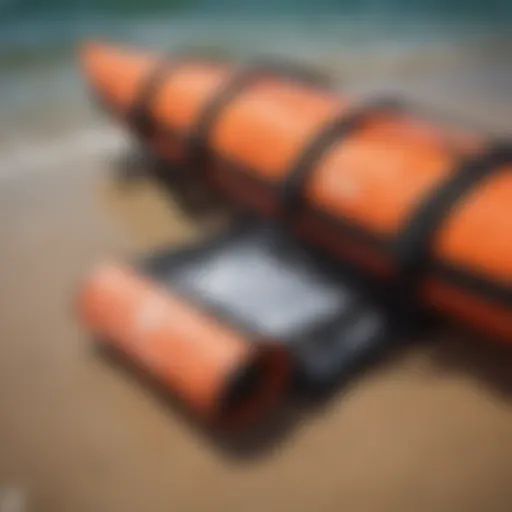
Vest style life jackets are often the most popular choice among kitesurfers for their sleek and minimalist design. These vests fit snugly against the body and provide adequate buoyancy without creating too much bulk. This feature is especially beneficial when riding high-speed waves or performing aerial tricks, as these vests don’t inhibit movements that come into play during these maneuvers.
The material used in most vest style life jackets is usually a combination of foam and neoprene, allowing for a balance between buoyancy and comfort. Since kitesurfers typically spend long hours on the water, these jackets also prioritize ventilation and quick-dry capabilities, keeping discomfort at bay. To add to this, many of these vests come with adjustable straps for a personalized fit.
Additionally, it’s not just about buoyancy. Many vest style jackets throw in pockets or D-rings for securing small essentials, such as a whistle or a small waterproof phone case.
Impact Vests vs. Buoyancy Aids
This section often causes a bit of confusion. Understanding the difference between an impact vest and a buoyancy aid is crucial in choosing what serves your needs best. An impact vest is designed primarily to provide protection against impacts from potential spills or crashes, with additional padding to absorb shock. This can be particularly important if you’re kitesurfing in areas where the currents are strong or near rocks, where falling could lead to serious injuries. However, while they provide excellent protection, these vests might not offer the requisite buoyancy that makes you float effortlessly.
On the other hand, buoyancy aids focus primarily on keeping you afloat and are often less padded. They’re perfect for environments where the risk of impact isn’t a primary concern. For those starting out in kitesurfing, buoyancy aids are often recommended due to the extra support they provide in water.
In summary,
- Impact Vests: Prioritizes impact protection over buoyancy.
- Buoyancy Aids: Focuses on flotation with lighter padding.
Integrated Life Jackets and Harnesses
For kitesurfers looking for multifunctionality, integrated life jackets and harnesses present an enticing option. This design merges the life jacket and harness, leading to fewer chances for slippage or discomfort while being towed by the kite. Integrated options ensure that the buoyancy of the jacket works in tandem with the harness, offering a cohesive fit that aids in your balance while kitesurfing.
Such designs often take advantage of innovative materials. Speed and performance become paramount, as the hybrid piece is crafted to be lightweight yet durable. Furthermore, these life jackets typically come with several adjustment points to ensure the perfect fit.
Ultimately, the integrated option is a smart play for those who prioritize gear that maximizes safety and comfort without sacrificing performance.
"Choosing the right type of life jacket is akin to picking the right gear; it’s essential for a safe and enjoyable kitesurfing experience."
Whether you're leaning towards the minimalist approach of a vest style jacket, the protective edge of an impact vest, or the convenience of an integrated harness, making an informed decision is essential for your safety while kitesurfing.
Key Features to Consider
When it comes to kitesurfing, choosing the right life jacket is decisively vital. Not merely about being buoyant, a good life jacket enhances performance, assures comfort, and provides peace of mind while you're riding the waves. When selecting a life jacket, it’s essential to factor in several key features—material durability, adjustability and fit, along with pocket and storage options. Below, we delve into these aspects, unpacking their importance in ensuring a seamless kitesurfing experience.
Material Durability and Comfort
The material of a life jacket is where the rubber meets the road—quite literally. This isn’t just about looking snazzy on the water; it’s about functionality and safety. Typically made from high-quality nylon or polyester, the outer layer must withstand harsh sun, saltwater, and wind. A durable exterior will ensure the jacket can handle the rigors of kitesurfing without wearing out too quickly.
Moreover, comfort is paramount. A life jacket that feels like a straitjacket will hinder your ability to maneuver. Look for jackets with materials that are soft against the skin and don’t chafe during extended wear. Neoprene, for instance, is soft, provides insulation, and is immensely comfortable. Sometimes, spending a bit more can lead to a vastly better experience on the water, ultimately improving your performance.
Adjustability and Fit
"One size fits most" rarely holds water in kitesurfing. A snug fit is critical—not just for comfort but also for safety. If your life jacket is too loose, it could ride up when you hit the water, which can be both uncomfortable and unsafe. Conversely, a jacket that's too tight might limit your movement, making it tougher to control your kite and board.
Adjustability features like straps, buckles, and side panels are must-haves when you’re picking a jacket. They allow for a personalized fit to accommodate changes, whether you choose to wear it over various clothing or simply have a token snack before hitting the beach. After all, comfort goes hand in hand with functionality.
Pocket and Storage Options
Let's paint a picture: you’re heading out for a leisurely session. You packed your essentials—sunscreen, a small snack, a phone to capture golden memories—and now you're stuck juggling everything. This is where handy pockets come into play. A well-designed life jacket should have pockets to store necessities, such as small tools, snacks, or even a buoy phone case for emergencies.
Additionally, having a secure place for your gear means you won't have to constantly rummage through your bag mid-adventure. Velcro or zippered pockets often do the trick. Some jackets even come with specially designed pouches for hydration bladders, which can be a lifesaver on hot summer days.
"A life jacket that combines practicality with comfort and durability makes every kitesurfing outing more enjoyable and less stressful."
In summary, thorough consideration of these key features—material durability and comfort, adjustability and fit, along with pocket and storage options—can create a marked difference in your kitesurfing experience. The right life jacket not only protects but also enhances your time spent carving through the waves.
Selecting the Right Size
Choosing the right size for a life jacket is not a matter of just picking the one that looks good or fits snugly; it’s crucial for safety and performance while kitesurfing. A life jacket that fits poorly can hinder movement, which is the last thing you want when navigating the unpredictable waters. A snug fit ensures that the vest stays in place while you’re gliding through the waves, giving you peace of mind to focus on your riding instead of constantly adjusting gear. The process of selecting the appropriate size hinges on a few key factors that any kitesurfing enthusiast should keep in mind.
Measuring for Proper Fit
When it comes to measuring for a life jacket, accuracy is key. Here’s a practical approach:
- Chest Measurement: Wrap a measuring tape around the widest part of your chest. Make sure it’s snug but not tight, allowing you to breathe comfortably. This measurement is foundational for determining the overall length and size category.
- Waist Measurement: Since many life jackets have straps that secure around the waist, it’s important to know your true waist size. Again, ensure it’s a comfortable fit, as this can also affect comfort during movement.
- Torso Length: Some jackets specify the length of the torso. Measure from your shoulder, down your side, to where you typically want the bottom of the jacket to sit. This can vary based on how high or low you prefer the jacket.
After gathering these measurements, it’s advisable to try on the life jacket while mimicking kitesurfing movements, like crouching or reaching. A good life jacket should allow for adequate motion without riding up or feeling too tight.
Understanding Size Charts
Each manufacturer has its size charts, often customized for their design and material. Understanding these charts is vital to ensuring a proper fit. Here are some considerations:
- Refer to Exact Measurements: Manufacturers list sizes usually in small, medium, large, etc., but these sizes correspond to specific measurements. Always refer to the size chart of the selected brand. A medium in one brand may not fit the same way in another.
- Weight Considerations: Many size charts display the recommended weight ranges for each size. While a robust individual might fit into a large based solely on their chest measurement, if they are at the lower end of the weight scale for large, it might be worth considering a medium for a better fit.
- User Reviews and Feedback: Check online reviews on forums such as Reddit or specialized kitesurfing communities. These platforms often provide valuable insights on fit and comfort from actual users, which can guide your final decision.
"A well-fitted life jacket is not just a safety device; it’s a crucial part in ensuring your best performance on the water."
In summary, selecting the correct size for your kitesurfing life jacket is essential. Use precise measurements, understand size charts, consider user feedback, and always prioritize comfort and safety. Ensuring that your life jacket fits well not only contributes to your safety but also enhances your kitesurfing experience.
Care and Maintenance of Life Jackets
Caring for and maintaining your life jacket is critical not only for your safety but also for ensuring it performs at its best when you need it. Regular maintenance can greatly extend the life of the jacket and ensure that it functions properly in emergencies. For kitesurfers, the demanding conditions of the water can wear equipment quickly. A well-maintained life jacket enhances flotation, comfort, and overall performance. Let’s dive into some essential practices for keeping those jackets in tip-top shape.
Regular Inspections
Just like you wouldn’t skip an oil change on your car, you shouldn’t overlook regular inspections of your life jacket. A stitch in time saves nine, as they say. Start by checking for any signs of wear and tear, including frays on the straps, tears in the fabric, or any damages to the buoyancy foam.
You should also pay attention to the buckles and snaps. Ensure they function correctly; a broken buckle can mean the difference between safety and danger on the water. As a best practice, conduct these inspections before and after each session on the water. If you spot anything troubling, consider it a red flag and have it repaired or replaced.
"Investing a little time in inspections saves you from bigger issues down the line."
Cleaning Practices
Keeping your life jacket clean isn’t just about aesthetics; it’s about performance. Saltwater and sand can really take a toll on the fabric and buoyant materials. After each kitesurfing session, rinse your jacket with fresh water to remove any salt, sand, or debris. A quick rinse can enhance its lifespan significantly.

When it comes to deeper cleaning, use mild soap and lukewarm water. Avoid bleach or abrasive cleaners; those can degrade the materials. Scrub gently with a soft brush and then rinse thoroughly. Allow it to air dry in a shaded area away from direct sunlight, as prolonged exposure to UV rays can cause fading and fabric deterioration. Always ensure that your jacket is completely dry before storing it to avoid mold and mildew buildup.
Storage Recommendations
How you store your life jacket can also affect its lifespan. Out of sight, out of mind can lead to neglect. To prevent damage, store your jacket in a cool, dry place away from direct sunlight. Hanging it up will help it retain its shape better than folding it. If a hook is available, that’s even better; just make sure it won’t snag any straps or cause any deformation.
Consider using a dedicated storage bag, especially if you frequently travel. This adds an extra layer of protection from dirt and wear during transport. Regularly inspect your storage area to ensure it remains dry; moisture can make life jackets a breeding ground for bacteria and mildew.
By maintaining your life jacket diligently, you not only enhance your own safety but also improve the longevity and effectiveness of this essential equipment. Taking a systematic approach to care can make all the difference in an emergency, and it allows you to focus on the thrills of the kitesurfing experience without unnecessary concerns.
Common Misconceptions
Kitesurfing life jackets often come shrouded in various myths and misunderstandings, which can place a cloud of confusion over their necessity and functionality. Addressing these common misconceptions is essential not just for ensuring the safety of kitesurfers but also for fostering a greater appreciation of the equipment that plays such a vital role in the sport. Understanding these misconceptions helps both novice and seasoned kiteboarders make informed decisions, ultimately leading to better practices on the water.
Life Jackets Are Not Necessary for Experienced Riders
One prevalent belief among seasoned riders is that their years of experience and skill diminish the need for a life jacket. This perspective can be as slippery as the waves they ride on. Sure, experienced kitesurfers may navigate tricky conditions with finesse, but anyone can find themselves in unexpected situations. Just one strong gust of wind or a sudden change in water currents can lead to accidents, regardless of a rider's proficiency.
Consider the following points:
- Accidents Happen to Anyone: Professional athletes face mishaps just like casual riders. A lapse in judgment, a momentary distraction, or even mechanical failure can lead to a fall into turbulent waters.
- Inherent Risks in Kitesurfing: The sport carries intrinsic risks, such as unpredictable weather changes and equipment malfunction. Wearing a life jacket provides an additional layer of safety against these uncertainties.
- Setting an Example: Experienced riders have a significant influence on newcomers. Demonstrating the importance of safety gear helps cultivate a culture where safety is prioritized, regardless of skill level.
"Just because you can swim well or handle your kite does not mean you shouldn’t respect the power of the sea and the equipment you use."
Wearing a Life Jacket Restricts Movement
Another common misconception is the belief that wearing a life jacket limits mobility, thus impairing performance on the water. While it's true that not all life jackets are designed equally, modern advancements in life jacket technology have led to designs that enhance rather than hinder movement.
Several things to consider here:
- Evolution of Design: Many contemporary life jackets are crafted to provide ample buoyancy without compromising mobility. They come in various styles, including slim fit and impact vests, allowing for easier maneuverability while also offering protection.
- Safety Over Comfort: While some initial discomfort may be felt when wearing a life jacket, the peace of mind it provides outweighs temporary limitations. It's better to navigate the waves with a safety net than to risk serious injury due to a fall.
- Personal Preference and Fit: Choosing the right style and size of a life jacket can enhance the overall experience. Many kitesurfers report that the right fit can feel as natural as wearing a second skin, minimizing any feelings of restriction.
In summary, addressing these misconceptions helps paint a clearer picture of the importance of life jackets in kitesurfing. By debunking myths and encouraging open conversations, we foster a safer and more informed kitesurfing community.
Legal Considerations
Navigating the waters of kitesurfing isn't just about thrill and adventure; it's about understanding the legal landscape that governs the sport. Legal considerations regarding life jackets play a crucial role in ensuring not just your safety but also your compliance with the laws that can be as murky as the waters you ride. Knowing these elements can save you a lot of trouble, and possibly even life and limb.
Liability Issues Related to Kitesurfing
When it comes to kitesurfing, liability issues can cast a long shadow over your enjoyment. If something goes south, and you’re tangled up in an incident that involves another party, there could be serious ramifications. Whether you’re a seasoned kiteboarder or just starting out, it’s important to understand what this means for you.
- Negligence and Accountability: If you're riding in a crowded area and an accident happens, liability can hinge on negligence. Were you following the guidelines set forth by local authorities? Did you check your equipment? If negligence is proven, you might find yourself on the hook for damages.
- Rider vs. Non-Rider: In many regions, laws focus on the distinction between those who actively participate in kiteboarding and those who simply happen to be in the vicinity. Injuries to non-riders often attract more legal scrutiny. Ensure you are aware of your surroundings and navigate with caution.
- Local Laws: Different locations may have different liability laws. What's permitted in one body of water could land you in hot water elsewhere. Doing your homework not only enhances your safety but also keeps you out of legal trouble.
"Kitesurfing is like dancing on water, but if you step on someone's toes, be ready to pay the price."
Insurance Requirements
As with many adventure sports, carrying the right insurance can be a game-changer. Kitesurfing isn't just fun and games; it comes with its unique set of risks. Understanding the insurance requirements can protect you on many levels.
- Personal Liability Insurance: This type of insurance is often recommended for kitesurfers. It covers you in case of accidents leading to property damage or bodily injury to third parties. Check the fine print to see what’s covered.
- Specialized Sports Insurance: Some companies offer policies tailored specifically for adventure sports. This can include equipment damage, personal injury, and even trip cancellations due to bad weather.
- Proof of Coverage: Some locations might require proof of insurance before allowing you to kiteboard. Being prepared with the right documents can save you from being turned away at popular kitesurfing spots.
In summary, understanding the legal implications surrounding kitesurfing life jackets is essential for anyone looking to enjoy the sport wholeheartedly. From navigating liability issues to recognizing insurance necessities, these considerations ensure you're legally covered and can focus on the surf, wind, and your next ride.
Kitesurfing Locations and Life Jacket Regulations
When adventuring out on the waves, knowing the landscape of where you're kitesurfing is critical. Not just for nailing those sweet tricks, but also for ensuring safety through proper regulations regarding life jackets. Each kitesurfing location may have distinct rules that can shape both your experience and your safety practices. Adapting to these regulations is essential; otherwise, it can be a slippery slope.
Different Regions and Their Policies
Policies regarding life jackets can vary significantly from one region to another. Different countries, and even local governments, set specific regulations that dictate when and where life jackets must be worn. For instance, in places like Miami, Florida, local regulations may require all kitesurfers to don a life jacket during certain conditions or in specific zones.
On the flip side, regions renowned for kitesurfing, like Tarifa in Spain, might not have strict mandates, but they promote a culture of safety that encourages wearing life jackets as a general practice.
- North America: Many coastal states mandate life jacket use, particularly in areas prone to heavy winds and waves.
- Europe: In the Mediterranean, the emphasis tends to be more on personal responsibility, though many rental shops will insist on life jackets regardless of the law.
- Australia: Notoriously stringent, regulations require life jackets for all kinds of water sports, especially for younger riders.
Understanding these regional differences is invaluable. Ignoring local rules could lead to hefty fines or, worse, endanger your life or those around you. Before heading out, always check local authorities for the up-to-date regulations.
How to Stay Informed About Local Rules
Staying in the loop with local kitesurfing regulations doesn’t have to be rocket science. There are several practical ways to ensure that you’re up-to-date, which not only enhances your own safety but promotes a responsible community. Here are a few effective strategies:
- Local Kitesurfing Clubs: Joining a local kitesurfing community can fiber-optic your awareness of regulations. These clubs often share insights about the latest safety rules and might even organize workshops or training sessions.
- Online Forums and Social Media: Websites like Reddit or various Facebook groups provide a space for discussions around local rules. Engaging with fellow enthusiasts can offer firsthand accounts of experiences, as rules may change frequently.
- Official Websites: Check out government or maritime authority websites. Sites that end in or educational institutions often contain authoritative and updated information on health and safety standards.
- Rental Shops and Instructors: Rental establishments usually know the latest regulations since they must comply with local laws. Instructors, due to their teaching environment, can also give you the heads-up about safe practices and mandatory equipment.
In the kitesurfing world, being informed isn't just smart; it’s vital. By keeping up with local regulations, you can prevent unnecessary incidents and enjoy the ride with peace of mind. After all, knowing the rules of the game allows you to sail smoothly without any bumps in safety.
Personal Experiences and Testimonials
Personal stories play a crucial role in understanding the necessity and effectiveness of life jackets in kitesurfing. They offer unique insights that theoretical discussions often overlook. When seasoned kitesurfers share their experiences, it transcends the boundaries of data-driven guidelines. Instead, it becomes a narrative that highlights the very real importance of wearing a life jacket during sessions, encouraging both novices and experienced riders alike to give due consideration to safety measures.
These accounts can resonate with kiteboarding enthusiasts on a personal level. Hearing about actual incidents often strikes a chord and engraves the significance of equipment in one’s mind, making it more compelling than mere statistics. Each story tells a tale of caution, joy, and sometimes, unfortunate mishaps, fostering a comprehensive understanding of how critical life jackets can be in preventing dire consequences.
Interview with Seasoned Kitesurfers
In conversations with experienced kitesurfers, a recurring theme emerges—their testimonies about life jackets are laced with anecdotes of both good practice and hard-learned lessons. One experienced kiteboarder shared a close call while riding in choppy waters off the coast of Florida. They recounted how a sudden gust flipped their kite, causing an unintentional descent into the sea. Fortunately, a well-fitted life jacket provided crucial buoyancy, allowing them to surface quickly, maintaining calm and composure despite the chaos. This kind of first-hand account underlines how even highly skilled kitesurfers can find themselves in perilous situations and reinforces the necessity of wearing a safety vest.
"I never thought it would happen to me. A life jacket can literally be the difference between life and death in this sport. I am grateful every day for the one I had on that day," the kiteboarder expressed, emphasizing how essential it is to wear a life jacket regardless of skill level.
Additionally, another kitesurfer discussed how their choice of a certain integrated life jacket-harness combo greatly improved their performance in the water. They explained how it allowed for more freedom of movement while still ensuring safety, thus enhancing the overall kitesurfing experience. These interviews not only highlight the importance of choosing the right life jacket but also engage readers by presenting relatable experiences.
Lessons Learned from Incidents
Navigating through mishaps often yields the most insightful takeaways. Stories of unfortunate incidents serve to educate and inform the kiteboarding community. One narrative involved a kitesurfer who experienced an incident when their harness became detached due to improper fastening. They were thrown into the water without proper buoyancy support, leading to a frustrating rescue operation. The lesson here? Regularly checking gear before hitting the water is just as crucial as wearing a life jacket itself.
Another serious mishap involved a trip where a group of kitesurfers went out without life jackets, thinking they could handle the conditions. One swimmer was caught in a rip current and, without a life jacket, struggled to stay afloat. Fortunately, a nearby kitesurfer with a quick-thinking approach managed a rescue. Stories like these underline the importance of wearing life jackets regardless of perceived skill or weather conditions. It instills in us that safety should never take a back seat, no matter how experienced one might feel.
Through both interviews and incidents, the essence of this section highlights the paramount importance of life jackets in kitesurfing. Individual stories not only enhance awareness but also promote a culture of safety, inviting all enthusiasts to recognize the value of proper gear and training.
Future Trends in Life Jacket Technology
As technology continues to weave its way into every facet of our lives, kitesurfing life jackets are not immune to this evolution. With the rise of innovative materials and high-tech features, it's worth looking at how these trends influence safety and performance in the sport. By staying on the cutting edge of what's available, kiteboarders can enhance their experiences on the water while also ensuring their safety. The importance of recognizing these shifts not only lies in how they affect individual riders but in how they can reshape the industry as a whole.
Innovative Materials and Designs
Today’s life jackets are far from the clunky, uncomfortable versions of yesteryears. Innovations focus on using lighter yet more durable materials that provide both safety and comfort during those exhilarating rides. Here are a few noteworthy advancements:
- Lightweight Fabrics: New synthetic materials, like ripstop nylon or ethylene-vinyl acetate (EVA) foam, are making vests much lighter without sacrificing buoyancy. This means less bulk and more agility when kitesurfing.
- Hydrophobic Coatings: Some life jackets are now equipped with water-repellent technologies which allow for quicker drying times, reducing weight during and after use.
- Ergonomic Designs: Modern life jackets are designed with the human form in mind. They usually feature contoured shapes which enhance mobility, allowing riders to twist, turn, and maneuver without feeling restricted.
Additionally, multiple brands are experimenting with modular designs, allowing users to add or remove sections depending on their specific needs or the conditions of the waters. This customization means a perfect fit for each adventure.
Integration with Smart Technology
With the increasing capability of smart technologies, life jackets are becoming smarter, too. Here's how:
- GPS Tracking: Some jackets now come with integrated GPS devices which provide real-time location tracking. In cases of emergency, this feature can greatly speed up response times, ensuring that help arrives as quickly as possible.
- Emergency Beacons: Advanced models might include safety beacons that activate if the wearer finds themselves in distress, broadcasting a signal for immediate rescue.
- Health Monitoring: Imagine a life jacket that can monitor your heart rate, breathing, or fatigue levels while you ride. By collecting this data, the device can alert you when it’s time to take a break or if something feels off, allowing for a more mindful approach to enjoyment on the water.
"Technology is a great enabler. It not only enhances safety but also helps bridge the gap between comfort and performance in kitesurfing."
As these innovations continue to take shape, the landscape of kitesurfing life jackets is shifting. For enthusiasts, it’s crucial to understand these trends and consider them when making buying decisions. Those who embrace these modern advancements will likely find they not only enjoy greater safety but also an enriched overall experience on the water. The future calls for an informed rider, one ready to weave through waves with the confidence that today’s technology offers.
The End
When it comes to kitesurfing, the role of life jackets cannot be overstated. They serve as a fundamental piece of equipment, not just a mere accessory. The discussion throughout this guide has highlighted several critical elements surrounding life jackets that should resonate deeply with all kiteboarders, regardless of their skill level.
Recap of the Importance of Life Jackets
Life jackets, often seen as a necessary safety measure, are more than a legal obligation. They are designed to keep you afloat and provide assurance in unpredictable maritime environments. For many, the thought of being in the open water can be daunting, especially in areas with strong currents or sudden weather changes. A properly fitted life jacket allows you to focus on enjoying the thrill of the ride, increasing confidence while performing maneuvers. Moreover, they guard against fatigue, which is essential for extended sessions out on the water. In short, wearing a life jacket isn’t just a precaution; it’s a vital safety practice that can literally be the difference between life and death.
Encouragement for Safe Kitesurfing Practices
While kitesurfing is exhilarating, safety must take center stage for any rider. It’s prudent to adopt safe kitesurfing practices by wearing not just a life jacket but also other protective gear as necessary. Make it a habit to check that your gear is in good shape before heading out; a routine inspection should be as natural as the act of kitesurfing itself. Engage with fellow kiteboarders and instructors to share experiences and tips on safety and maintenance. Building a community around these values fosters a culture of safety. To wrap it up, being equipped with the right knowledge and gear helps ensure that you can safely enjoy your time on the water. As the saying goes, "better safe than sorry," and this couldn't hold more value in the adventurous world of kitesurfing.