The Complete Guide to Essential Kiteboarding Gear
Intro
Kiteboarding, a thrilling blend of surfing and parasailing, offers an unparalleled rush for enthusiasts. Whether you’re a rookie looking to dip your toes into this exhilarating sport or a seasoned rider aiming to push the boundaries, understanding the essentials of a complete kiteboarding kit is crucial for your safety and enjoyment. A thoughtfully assembled kit not only enhances performance but also enriches your experience on the water. In this comprehensive guide, we will navigate through the necessary gear, explore advanced techniques, and offer insightful tips for kiteboarders at all levels.
Gear Insights
Latest Gear Reviews
When it comes to kiteboarding, the right equipment can make all the difference. Recent advancements in technology have introduced some stellar gear to the market. Here’s a peek at some of the top contenders:
- Duotone Evo Kite: Known for its versatility, it's ideal for riders who crave adaptability in different conditions. The Evo delivers great stability and performance whether you’re carving up the waves or flying high.
- Liquid Force Eclipse Board: This board is a favorite among advanced kiteboarders. Its lightweight construction and responsive design provide phenomenal control, making it a joy to ride.
- North Reach Harness: Comfort is key, and this harness is as snug as a bug in a rug. It offers a great fit and support while ensuring you’re not getting fatigued after long sessions.
These products stand out for their durability, performance, and innovations. It's wise to keep an eye on reviews and user feedback to make informed decisions.
Essential Gear for Beginners
Starting with a solid foundation not only builds confidence but also provides an enjoyable experience. If you’re new to kiteboarding, here’s the gear you shouldn’t overlook:
- Kite: Choose a beginner-friendly kite, typically one that’s larger in size, as it allows easier lift even in lighter winds. Trained professionals often recommend models like the Slingshot B2.
- Board: A wider board gives newbies more stability. Models such as the CrazyFly Cruiser are approachable for those taking their first steps.
- Harness: A comfortable harness is essential. A waist harness offers a good balance of mobility and support.
- Safety Leash: Never underestimate the importance of this piece. A safety leash is your lifeline to the kite and provides immense security when things go sideways.
"The best gear can often come down to personal preference. Test out different models to find what fits your style and needs."
Techniques and Tips
Advanced Tricks and Techniques
Once you’ve grasped the fundamentals, mastering advanced techniques can take your kiteboarding experience to new heights. Here’s some advice:
- Jumping: Timing is everything. Focus on carving upwind and applying pressure on your back foot before launching into the air. The trick is to keep your kite steady as you catch the wind beneath your wings.
- Board Off: This flashy move involves detaching one or both feet from the board while airborne. Practice your balance first before attempting it.
Safety Practices for Kiteboarders
Safety is paramount in kiteboarding. Keeping yourself and others safe requires diligence. Pay attention to:
- Weather Conditions: Always check wind conditions. Never kite if the wind is more than your skill level can handle.
- Location Awareness: Familiarize yourself with your surroundings. Watch out for other water users and be cautious of obstacles.
By staying informed about safety practices and enhancing your skills, you can enjoy exhilarating rides while mitigating risks.
For more information on kiteboarding, consider engaging with resources like Wikipedia or forums on Reddit. These platforms can provide you with community advice, news, and insights on the latest gear.
As you build your kiteboarding kit and expand your skills, remember that the journey is just as rewarding as the destination.
Understanding Kiteboarding
Kiteboarding, often dubbed as one of the most thrilling water sports, merges elements of surfing, windsurfing, and paragliding. For those looking to dive into the exhilarating world of kiteboarding, it's crucial to grasp not just its mechanics but also its evolution, types, and the sheer excitement it brings. Understanding these elements lays a solid foundation for both aspiring riders and veterans alike.
The sport has matured tremendously since its inception, transitioning from a niche activity to a popular pastime enjoyed by folks across the globe. Grabbing the basics helps in appreciating how kiteboarding has grown into a vibrant community with diverse styles and techniques. Moreover, recognizing the different types of kiteboarding can effectively guide enthusiasts in selecting the right gear, especially when assembling a full kit. Ultimately, this understanding can lead to a more rewarding experience on the water.
The Evolution of Kiteboarding
Kiteboarding traces its roots back to the late ‘70s when pioneers experimented with kites to enhance watersports. Early attempts were rudimentary, with flecks of creativity leading to clunky gear that took time to catch on. However, as technology advanced and design improved, kiteboarding began to flourish. The key milestones include the introduction of inflatable kites in the ‘90s and subsequent refinements that boosted performance and safety. Each evolution marked a leap towards creating a more accessible and enjoyable experience.
Through community-driven innovation and competitions, kiteboarding has evolved into a high-tech sport, integrating materials science and aerodynamics. This progression not only improved the gear but also diversified riding styles, leading to the current array of disciplines riders enjoy today.
Types of Kiteboarding
Kiteboarding is not a one-size-fits-all sport; rather, it branches into different styles, each offering unique challenges and thrills.
Freestyle
Freestyle kiteboarding is all about tricks and style. Riders execute impressive aerial maneuvers and jumps using the power of the kite. Its key characteristic lies in the emphasis on creativity and skill, making it a favorite among many riders. The adrenaline rush that comes with pulling off a new trick is exhilarating. However, mastering freestyle can demand a steep learning curve, which might be daunting for beginners.
Wave Riding
Wave riding combines the exhilarating elements of surfing with the precision of kiteboarding. This discipline focuses on taking advantage of ocean swells, allowing riders to glide across waves and perform tricks. The unique feature of wave riding is its deep connection with the ocean's rhythm, making it a meditative experience for many. While it presents fantastic opportunities for expression, it can also be challenging due to unpredictable wave conditions.
Course Racing
Course racing is the competitive aspect of kiteboarding where speed and strategy take center stage. Riders race against each other to navigate a course as quickly as possible while harnessing wind power. Its key characteristic is the emphasis on tactical maneuvering and high performance, appealing to those with a competitive spirit. However, the need for precise gear adjustments and the challenge of consistent performance can be a double-edged sword for novices trying to enter this arena.
Light Wind Riding
Light wind riding is a popular choice for those who often find themselves in less-than-ideal wind conditions. This discipline allows riders to utilize larger kites designed to catch lighter breezes. The unique feature here is the adaptability required from the rider to make the most out of minimal winds. While it opens up opportunities for riding when others may not, it can also require more skill to maintain control under those conditions.
The Thrill of the Sport
There's an undeniable thrill that comes with kiteboarding, a feeling rooted deeply in the blend of adrenaline, skill, and the elements. Riding across water, pulled by the power of wind, can create a sensation of flying that is simply unmatched. It’s a unique sport that fosters community, friendships, and shared passion, making every outing a memorable experience.
As kiteboarding continues to evolve, both in terms of technology and the community surrounding it, understanding these foundational elements will ultimately enhance the enjoyment of the sport for newcomers and seasoned riders alike. For those seeking to build or enhance their kiteboarding kit, grasping these concepts holds great importance.
Kiteboarding Full Kit Overview
Kiteboarding is a thrilling sport combining elements of surfing, wakeboarding, and paragliding. As such, having the complete kit is essential for both safety and performance. This section will delve deeply into what constitutes a full kiteboarding kit, emphasizing why each element plays a crucial role. The importance of understanding these components cannot be overstated, as they collectively contribute to an enhanced kiteboarding experience.
Definition of a Full Kit
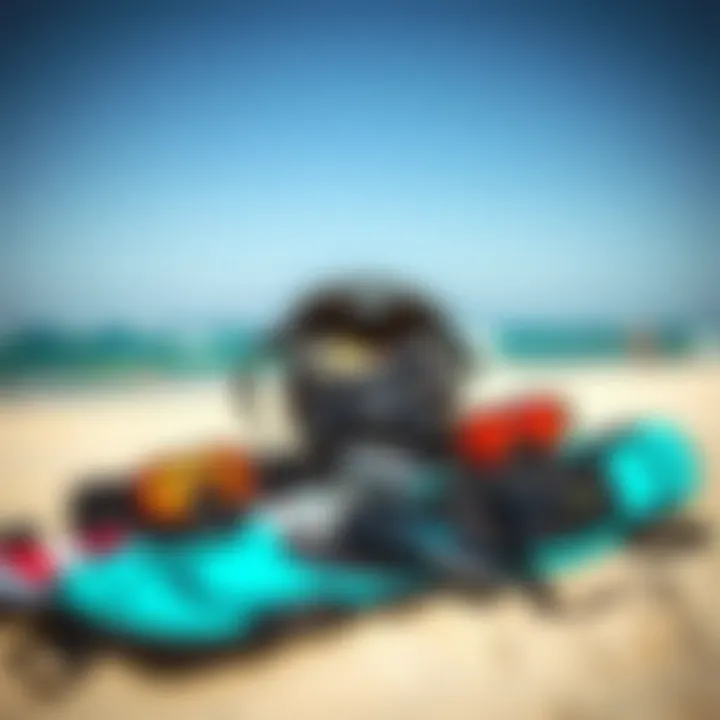
A full kiteboarding kit generally consists of several key pieces of equipment that are necessary for the activity. This kit is not merely an assemblage of gear; it's a thoughtfully curated set of components designed to work harmoniously together. The term "full kit" denotes that all essential items are included, so a rider isn’t caught short on the water. A kiteboarder’s kit typically comprises a kite, board, control bar, and harness. Each piece contributes not only to the rider's enjoyment but also to their safety and control while kiteboarding.
Essential Components of the Kit
When we talk about the essential components of a kiteboarding kit, we're referring to the four must-have items: the kite, the board, the control bar, and the harness. Understanding these pieces allows riders to make informed decisions when selecting gear for their unique style and needs.
Kite
The kite is arguably the heart of any kiteboarding setup. Its shape, size, and construction directly impact a rider's performance and experience on the water. Most kites fall into two main categories: inflatable and foil kites. Inflatable kites are popular among beginners due to their stability and ease of use, while foil kites are often chosen by more seasoned riders for their speed and unique flying characteristics. The unique feature of inflatable kites is their ability to retain air—which gives them buoyancy while providing a larger surface area for better lift. However, they can be bulkier to transport compared to their foil counterparts.
Board
Moving onto the board, this element serves as the link between the rider and the water. The type of board—whether a directional or a twin-tip—greatly affects maneuverability and the rider's ability to perform tricks. Directional boards are typically favored for wave riding, providing better control in surf conditions. On the other hand, twin-tip boards are more versatile, allowing for riding in both directions, making them an excellent choice for beginners. A key characteristic of a board is its width; it influences speed and stability in various water conditions. However, a wider board may also mean reduced maneuverability, particularly for advanced tricks.
Control Bar
The control bar acts as the steering wheel of the kiteboarding setup. It's not just a handle; it's integral in controlling the kite's power and direction. The length of the control bar can significantly affect how responsive the kite feels and how much kite power the rider can manage. A longer bar may offer a wider range of motion but can sometimes result in less sensitivity. One unique feature found in modern control bars is the safety system, which allows for a quick release of the kite in case of emergencies. This feature can be a lifesaver, especially for inexperienced riders still learning their limits.
Harness
The harness, often overlooked, is vital for comfort and performance. There are two main types: waist harnesses and seat harnesses. Waist harnesses provide freedom of movement and are popular among freestyle riders, while seat harnesses offer better support for beginners by securing the body more effectively. The correct fit is crucial; a well-fitted harness can distribute the pull of the kite evenly, preventing fatigue. Moreover, a harness with extra padding may improve comfort on longer rides. Not selecting the right harness can lead to discomfort or even injury, which is why it’s key to find one that matches your riding style and body shape.
Kites Explained
Understanding kites is crucial for anyone who’s into kiteboarding. The type of kite you choose can significantly affect your performance on the water. Kites serve as the primary source of power in the sport, and selecting the right one sets the stage for the experience you’ll have. Knowing the distinct characteristics and advantages of different types of kites can mean the difference between a smooth ride and a chaotic session.
Types of Kites
Inflatable Kites
Inflatable kites scream versatility. They are designed with air chambers that keep the kite inflated, making them rigid and easier to handle, especially in rough conditions. These kites come in a range of sizes, making them suitable for both beginners and seasoned riders alike. A key aspect of inflatable kites is that they inherently provide great depower capabilities, allowing riders to control the power by adjusting the angle of the kite in relation to the wind. This characteristic is a major reason why they are such a favored choice among kiteboarders.
One unique feature is their ability to roll up compactly for transport. When you’re off the water, the straightforward pack-down is a real plus. However, it’s not all sunshine and rainbows. Inflatable kites can be heavier than their foil counterparts and may take time to fully inflate.
In summary, inflatable kites are beneficial in a wide array of conditions and are highly popular for their ease-of-use and easy storage. The downside is, they require regular checks for leaks and upkeep due to their inflatable nature.
Foil Kites
On the other end of the spectrum, we have foil kites. Unlike inflatables, these kites don’t require air chambers; instead, they generate lift by using the wind flowing through their fabric. This design makes foil kites incredibly lightweight and perfect for lighter winds, thus giving them an edge when conditions are less than ideal.
Foil kites are also known for their high-performance potential in specialized disciplines such as kite foiling and racing. Their unique structure allows for efficient upwind performance, making them a popular choice for those looking to push their limits. However, this comes with its set of challenges. Unlike inflatable models, they can be less forgiving and somewhat tricky to relaunch after a fall if the wind isn’t cooperating.
Choosing the Right Size
Selecting the appropriate kite size is paramount in kiteboarding. The size affects how much power you can generate, how easily you can control the kite, and how it performs under different wind conditions. Rider weight and wind strength are key considerations here. The weightier you are, generally the larger the kite you might need for a given wind strength. Conversely, in strong winds, a smaller kite may be advisable to prevent overpowering yourself.
Key factors in determining size:
- Wind conditions: Higher winds necessitate smaller kites.
- Rider weight: Heavier riders may need larger kites for adequate lift.
- Skill level: Beginners often benefit from a kite that offers more stability and control, even if it may vary in size from what experienced riders might prefer.
All these factors play a role in getting you set up for success on the water.
Kite Maintenance Tips
Taking good care of your kite is crucial for ensuring longevity and optimal performance. Proper maintenance can save you a lot of trouble down the line. Here are some key tips:
- Regular cleaning: After every session, rinse your kite with fresh water to remove salt or sand. This prevents corrosion and wear.
- Inspect for damages: Look for any tears or abrasions in the fabric and leading edge. Small damage can lead to bigger issues if not addressed immediately.
- Careful storage: Store your kite in a cool, dry place, away from direct sunlight. Excess heat and light can degrade the material.
“An ounce of prevention is worth a pound of cure.” Maintaining your kite can keep it in top shape and could give you better performance in your rides.
Following these simple steps ensures you spend less time worrying about equipment failure and more time enjoying the thrill of kiteboarding.
The Board: An Integral Part
The board is not just an accessory in kiteboarding; it's the very platform that connects you with the water, wind, and the adrenaline rush of the sport. Whether skimming the surface or carving through waves, your choice of board impacts performance, control, and the overall experience. In this section, we will delve into various types, specifications, and how to select the board that best matches your riding style.
Types of Boards
Directional Boards
Directional boards are specifically designed for riding in one direction, making them popular among wave riders. The key difference between offensive and defensive moves in kiteboarding often lies in the board's structure. With a pointed nose and a wider tail, these boards can efficiently slice through waves while maintaining stability and balance. This characteristic makes them ideal for those keen on tackling big swells or performing intricate maneuvers.
Directional boards allow riders to harness the winds more effectively, giving them the edge needed to catch and ride waves effortlessly.
One unique feature of directional boards is their fin setup. While each board varies, many come equipped with multiple fins for added grip in the water. However, this added grip can be both advantageous and occasionally challenging for beginners, as it can make transitions more complex without proper technique.
Twin-Tip Boards
Twin-tip boards stand in contrast to their directional counterparts. Designed to be symmetrical, they provide the versatility needed for jumping and tricks, allowing riders to ride in either direction without needing to flip the board. This can be particularly beneficial for novices and those focused on freestyle riding.
The defining feature of twin-tip boards is their outline and flex pattern. They are typically shorter and wider, promoting easier landings and agile maneuverability. However, this doesn't come without trade-offs; while they can excel in flat water and light wind conditions, they may not perform as well in choppy seas compared to directional boards.
Board Specifications
When evaluating a kiteboarding board, several specifications are worth considering:
- Length: Longer boards provide more stability but can be harder to maneuver, while shorter boards foster agility.
- Width: Wider boards can handle more power and provide a solid surface for landings, whereas narrower boards can cut through the water more efficiently.
- Flex: This affects how the board interacts with the water. A stiffer board offers precision, while a more flexible board can absorb shocks effectively during landings.
Selecting the Appropriate Board
Choosing the right board depends on a myriad of factors, including skill level, riding conditions, and personal preference. Here are some essential considerations:
- Skill Level: Beginners may prefer a wider twin-tip for stability, while advanced riders might opt for a directional board suited to high-performance wave riding.
- Riding Style: Freestyle enthusiasts often favor twin-tips for their adaptability, while those looking to conquer waves might gravitate toward directional boards.
- Conditions: Assess local water conditions. Flat water can benefit from a twin-tip, while choppy sea might require the precision of a directional board.
Ultimately, the board you choose should complement your kiteboarding ambitions, ensuring your ride is engaging and enjoyable.
Control Bar Fundamentals
The control bar is arguably one of the most pivotal components of a kiteboarding kit. This unassuming piece connects the rider with the kite directly, allowing for a crucial control mechanism. Understanding its intricacies not only amplifies the rider's ability to maneuver but also enhances safety. In essence, it's the bridge between you and the kite's immense power.
Understanding the Control Bar
The control bar serves as the rider’s primary interface with the kite, functioning on a simple yet effective principle. It permits the pilot to not only steer the kite but also manage its power. By pulling on one side of the bar, the kite will turn, and by pushing the bar away from the body, you may depower it.
In practical terms, if a rider spots an incoming gust that could send them flipping through the air like a rag doll, they can quickly push that bar away, reducing the kite’s lift. It’s a fine balance that takes practice to master. Riders must develop an intuitive feel for their gear, and the control bar plays a key role in facilitating that relationship.
Bar Length and Adjustability
When it comes to the control bar, the length can have a noticeable impact on your performance. Generally, bars range in size from around 40cm to 60cm. A longer bar may provide a greater range of motion for the kite, while a shorter bar can offer better control when riding in turbulent conditions.
Adjustability, on the other hand, is about finding that sweet spot tailored to your needs. Many modern control bars come with adjustable settings that allow the rider to tailor the width based on their specific preferences and needs. This means that whether you are small or tall, there’s a configuration that can be customized to enhance your riding experience.
Safety Features of Control Bars
Safety should sit at the forefront of any kiteboarding adventure, and control bars are equipped with various features designed to address this imperative. One such essential feature is the quick-release mechanism. This allows you to instantly detach from the kite in emergencies. Ultimately, most mishaps occur when riders are overpowered. Thus, this safety measure can be a lifesaver.
Additionally, many bars feature a safety leash that ensures the rider remains connected to the control bar, even if they have let go. This prevents the kite from drifting away or becoming a hazard to others on the water. Another consideration is the color coding on the bar, which often indicates the front and back lines of the kite. This small yet effective feature reduces the likelihood of rigging errors that can have major consequences when you’re zipping across the water at high speed.
"The control bar is not just a piece of equipment; it's your lifeline while kiteboarding. Understanding its features is crucial to ensuring safe and enjoyable rides."
Investing the time to comprehend these fundamentals about the control bar can elevate any kiteboarding experience. Whether you are a seasoned expert or just starting out, knowing how to utilize and maintain your control bar not only enhances your performance but also fortifies your safety wherever the wind may lead you.
Harness Considerations
In the world of kiteboarding, your gear can make or break your experience on the water. Among these essentials, the harness plays a crucial role in connecting you with the kite and optimizing your comfort. Understanding the different types of harnesses and how to find the right fit is paramount for any kiteboarder, regardless of skill level. The harness absorbs the power generated by the kite, allowing riders to maintain control without straining their arms. Choosing the right harness can enhance performance and enjoyment while minimizing the risk of injury.


Types of Harnesses
Waist Harness
A waist harness is designed to wrap around your waist, providing freedom of movement and agility. Unlike other styles, it allows for active maneuvering, making it a popular choice among freestyle and wave riders. One standout feature of a waist harness is its ability to keep the center of gravity lower, which favors performance when jumping or performing tricks.
Benefits:
- Freedom of movement: Waist harnesses allow you to lean back and twist your body without restrictions.
- Versatility: Suitable for various riding styles, especially for those who enjoy high jumping and tricks.
Disadvantages:
- Potential for a ride-up: If not fitted properly, the harness may ride up the torso, causing discomfort.
Seat Harness
Seat harnesses, as the name suggests, resemble a seat that cradles the lower back and sits on your thighs. This design offers more support around the hips, making it a favorable option for beginners or those who prefer a more secure feel. One key aspect of this harness is that it helps distribute the load across a broader area, which can be kinder to the back and buttocks during long sessions.
Benefits:
- Support: A seat harness provides excellent back support, making it easier for beginners to maintain control, especially when learning.
- Stability: It minimizes the chance of being pulled off-balance, offering a more secure riding experience.
Disadvantages:
- Less freedom: Due to its design, a seat harness may limit movement, which may not suit advanced riders seeking more agility.
Finding the Right Fit
Choosing the right harness is as important as selecting the right kite or board. A snug fit helps maintain control and prevents slippage during rides. Measurement should be taken at the waist or hips, depending on the type. When trying on harnesses, ensure:
- You can comfortably fit a finger between the harness and your body.
- The harness does not ride up when pulled on by the kite.
- There is no excessive pressure on sensitive areas, like the ribs or thighs.
A well-fitting harness can make all the difference in your kiteboarding experience. Always try out harnesses before purchase, keeping in mind that preferences vary widely among different riders.
Harness Maintenance Guidelines
Proper care for your harness extends its life and enhances safety while kiteboarding. Here are some handy maintenance tips:
- Rinse after use: Always rinse your harness with fresh water after a session to remove salt and sand, which can wear down materials over time.
- Dry properly: Allow your harness to air dry completely before storing it. Avoid direct sunlight for extended periods, which can degrade the materials.
- Inspect regularly: Check for signs of wear and tear, particularly on straps and buckles. If you notice fraying or damage, it may be time for a replacement.
Maintaining your harness not only prolongs its lifespan but also ensures a safe and enjoyable kiteboarding experience.
In summary, the right harness enhances control, comfort, and safety on the water. Pay attention to fit and maintenance for the best experience possible.
Additional Accessories
When it comes to kiteboarding, all the major components are necessary, but don't underestimate the additional accessories that round out your gear. These items can significantly enhance your performance, comfort, and most importantly, your safety on the water. As one dives deeper into the world of kiteboarding, it becomes clear that those extra pieces of equipment play a role that should not be overlooked.
Safety Gear
Helmets
A helmet in kiteboarding is not just an accessory; it is a fundamental safety measure. The key characteristic is its ability to protect the head from impacts that could occur during falls or collisions. Helmets that are designed for water sports offer a snug fit and often include features like a detachable visor to shield you from sun glare or wind.
One beneficial reason these helmets are popular among kiteboarders is their lightweight construction. They come with ventilation that keeps the head cool while allowing for movement. Additionally, some models incorporate floatation materials, ensuring that even if one falls into the water, the helmet won’t sink.
However, it’s worth mentioning that not all helmets are made equal. A helmet built for other sports, like cycling, might not provide the protection needed against the unique hazards of kiteboarding. Choosing a model specifically designed for this sport is critical.
"A good helmet can save your noggin in ways you may not even expect. Just because you’ve taken a few spills doesn’t mean you should ignore protection!"
Impact Vests
Impact vests are another layer of protection that most kiteboarders consider essential. These vests are designed to absorb impact forces, delivering cushioning during falls or hard landings. A notable characteristic of impact vests is the combination of protective foam padding along with a snug fit, which allows for free movement while providing security.
As a popular choice among experienced riders, the advantage of impact vests is evident in their functionality—they carry a low profile and are designed to be worn under a wetsuit or on their own. This versatility means they can be adapted to different weather conditions and personal preferences.
Yet, like many things, they come with potential downsides. The tighter fit that is designed to keep the vest in place might feel restrictive for some riders, especially during trickier maneuvers.
Footwear Essentials
Boots
When it comes to kiteboarding, having the right footwear can dramatically improve your performance on the water. Boots specifically designed for kiteboarding often provide increased control and stability compared to regular sandals or water shoes. A standout characteristic is their robust grip, which allows for better foot engagement with the board, particularly useful in rough water conditions.
These boots offer a significant advantage by providing ankle support, which minimizes the risk of injury when landing jumps or maneuvering over waves. Kiteboarders appreciate this because it encourages them to push their limits without worrying too much about rolled ankles or foot slippage.
However, there’s a trade-off. The increased support and grip can come at the cost of restricted foot movement compared to bindings, leaving some riders feeling a bit limited in their board finesse.
Strapless Bindings
Strapless bindings are becoming increasingly favored for their unique styling and adaptability. The defining feature of this type of binding is the absence of straps, allowing for quicker entry and exit. They offer a different experience on the board and help facilitate more fluid movements, particularly for freestyle and wave riding.
For many, the main advantage of strapless bindings is the connection and control they provide. Riders often find they can rotate, spin, and carve more effectively once they’ve mastered the technique of using them.
That said, there’s a learning curve. Newbies might experience more falls as they adjust to the lack of straps, which can be daunting at first. Additionally, in challenging conditions, you might find that the extra security of traditional bindings could be missed.
Bar and Line Maintenance
Maintaining your bar and lines is pivotal in ensuring not only your kiteboard performance but also your safety. Regular checks can prevent mishaps that might occur due to wear and tear over time. With exposure to saltwater, sand, and sun, these components can degrade quicker than you might think.
Consider creating a simple maintenance checklist:
- Inspect for any fraying or damage.
- Rinse with fresh water after use.
- Store in a cool, shaded area when not in use.
Investing time in maintaining the condition of your bar and lines can preserve their longevity and your overall kiteboarding experience.
Purchasing Your Full Kit
Purchasing the right kiteboarding gear is absolutely vital for both safety and enjoyment. It can feel like a daunting task at first, given the sheer variety of options available on the market. Many enthusiasts, especially beginners, often find themselves overwhelmed by choices that range from basic setups to highly specialized equipment. The decisions you make when buying your kiteboarding kit can significantly impact your experience on the water. It's not just about grabbing the most stylish kite or the fanciest board; it’s about understanding what suits your individual needs and riding style.
Where to Buy
Navigating where to purchase your kiteboarding kit begins with a few options. Local shops often provide the added benefit of expert advice and the opportunity to see gear up close. Great examples are specialty kiteboarding stores like Kiteboarding.com and The Kiteboarder. Here, you can often find knowledgeable staff who understand the local conditions and can guide you to the right products for you.
However, online retailers can offer competitive pricing and a wider variety. Websites such as Amazon, eBay, and Kiteboardinghub.com can be beneficial. These platforms frequently provide detailed descriptions and reviews, which may help you make informed choices. It’s important to consider shipping costs and return policies when buying online, as these factors can influence your overall satisfaction.
New vs. Used Equipment
One of the significant decisions you’ll make is whether to buy new or used equipment. New gear tends to offer the latest technology, warranty coverage, and untouched performance characteristics. However, the price tag can be heavy on the wallet. On the other hand, used equipment can provide an excellent way to save money. Websites such as Craigslist or Facebook Marketplace often have listings for second-hand gear, and you may find a gem that suits your needs.
When leaning toward used equipment, keep a few factors in mind:
- Condition: Check for wear and tear, particularly on kites and boards. You don't want to buy something that could break on your first go.
- History: Ask the seller about how the equipment was used. Sometimes, previous owners keep gear in great shape, while others might not be so careful.
- Testing: If possible, try before you buy. This is often feasible when dealing with locals in stores or through community events.
Considerations for Budgeting
Budgeting for your kiteboarding kit is essential. Before diving in, consider what you’re willing to spend and stick to it. It’s easy to get carried away, especially with the excitement of new gear. Here are some tips to get you started:
- Initial Investment: Understand what a full kit might cost, typically from $1,000 to $3,000 depending on new or used equipment.
- Upgrade Plans: Consider your long-term plans—if you're serious about kiteboarding, it might be worth investing in higher-quality gear that lasts.
- Additional Costs: Don’t forget about safety gear and acceptable maintenance supplies. It’s the little things, like harnesses and foot straps, that can add up.
- Monitor Sales: Keep an eye on seasonal sales. Brands will often discount previous year’s models, which can help you snag great gear for less money.
Maintenance of Your Kit
Taking care of your kiteboarding gear is not just a good practice; it's a necessity for the longevity of your investments and your overall safety. Kiteboarding kits can be expensive, and neglecting maintenance can lead to premature wear and potentially dangerous situations on the water. A well-maintained kit enhances performance, allowing you to enjoy the sport without concerns about equipment failure.
When it comes to kiteboarding, regular maintenance involves several facets such as cleaning, inspections, and proper storage. By dedicating time to maintain your gear, you're ensuring that every outing on the water is enjoyable and devoid of complications.
General Kit Care
Every component of your kiteboarding kit requires some form of care. For instance, after a session, give your kite a good rinse with freshwater. Saltwater can cause damage over time, and a simple rinse can help maintain the fabric integrity and colors. Check the lines for frays or knots—these can become critical failure points during your ride.
When it comes to your board and harness, inspect for dings or cracks. Even small imperfections can worsen if left unchecked. Replacing or repairing these items early can be less costly and more efficient than dealing with a catastrophic failure later.
Additionally, it is recommended to keep a fabric protector spray handy. This can prevent UV damage, helping maintain the colors and the structure of your kite for much longer. A little effort goes a long way here!
Storing Your Gear
Storage practices significantly influence the lifespan of your gear. Kiteboarding equipment should be stored in a cool, dry place, out of direct sunlight. UV rays can degrade the materials, making them brittle over time. Opt for a dedicated storage bag or case for your kite and board. It protects them from bumps and scrapes when not in use.
When folding your kite, don’t just roll it up haphazardly; instead, follow a systematic folding method to keep the leading edge and trailing edge in good shape. This minimizes creasing and damage during storage. If you use a bag, ensure it’s clean and free of sand and dirt before placing your kit inside.
Importance of Regular Checks
It’s vital to perform regular inspections on all parts of your kit to catch any issues before they become serious. Regular checks can include:
- Assessing the condition of your kite's bladders and seams.
- Ensuring that the control bar isn’t showing signs of wear or weakness.
- Checking harness connections to prevent any mishaps while riding.
By incorporating inspection routines into your maintenance habits, you can save significant time and money while enhancing safety during your kiteboarding endeavors. Stay proactive, not reactive.
Remember, a well-maintained kit leads to better performance and safer riding experiences. The more care you put into your gear, the more it will reward you with great sessions on the water.
Future Trends in Kiteboarding Gear
In the rapidly evolving field of kiteboarding, understanding future trends is not just about staying ahead; it’s about making informed decisions that enhance both performance and safety. With the pace of innovation accelerating, these trends will significantly impact how enthusiasts approach the sport, whether they are seasoned riders or newcomers. Key elements like advancements in technology, increasing emphasis on sustainability, and shifting preferences among riders are shaping the kitesurfing landscape in ways that can’t be ignored.
Technological Advancements
The onset of new technologies is nothing short of exhilarating for kiteboarders. Over recent years, manufacturers have made noteworthy strides in enhancing gear performance. For example, the development of lighter, more durable materials like Dyneema and advanced resins has enabled the production of stronger kites and boards without adding excess weight. These materials not only improve durability but also optimize maneuverability, allowing riders to exploit wind conditions better.
Moreover, advancements in design, such as the integration of dynamic shape-changing features in kites, are making it possible to adjust performance characteristics on the fly. Imagine being able to alter your kite’s profile instantly in response to shifting winds – that’s the future. This adaptability could offer significant advantages on the water, giving riders the edge they need in competitive environments or when navigating choppy waters.
Key Technological Innovations to Note:
- Inflatable Kites with Adaptive Features: Allowing for instant changes to performance.
- Smart Equipment: Integrating sensor technologies to monitor conditions and performance metrics in real-time.
- 3D Printing: Beginning to be utilized for parts, reducing production costs and allowing for more customization.
"The gear you choose can make or break your experience on the water; it's critical to stay abreast of the latest innovations."
Sustainability in Kiteboarding Gear
As environmental concerns gain traction worldwide, the kiteboarding industry is moving towards more sustainable practices. Eco-friendly materials and manufacturing processes are increasingly becoming the norm rather than the exception. Kiteboarders today often show a growing preference for products made from recycled materials or from companies that prioritize sustainable practices.
Furthermore, brands are beginning to ensure that their products not only perform well but also have minimal environmental impact. Initiatives like using organic compounds for kite fabrics and biodegradable resins represent significant steps forward. This transition not only addresses consumer ethical considerations but increasingly influences purchase decisions among many riders.
Points of Focus for Sustainable Kiteboarding:
- Recycled Materials: Boards and kites made from reclaimed resources.
- Low-Impact Manufacturing: Processes that minimize waste and energy consumption.
- Longevity: Gear designed for durability to extend lifecycle thus reducing waste.
Changing Preferences Among Riders
The preferences of kiteboarders are evolving and reflect a broader change in lifestyle priorities. Riders are now gravitating towards styles that blend performance with comfort and safety. The blend of leisure and thrill-seeking leads to the rise of all-rounder setups, which accommodate different styles and wind conditions effectively.
Additionally, the community is witnessing an increasing emphasis on inclusivity within the sport, which influences product offerings. Brands are increasingly creating gear that caters to a wide range of body types and experience levels. The appeal of kiteboarding is broadening as more individuals seek out the exhilarating experience it offers.
Modern Rider Preferences Include:
- Versatile Gear: Equipment that handles various wind conditions and riding styles.
- Aesthetic Customization: Emphasis on personal expression through unique designs and colors.
- Community and Inclusivity: Gear promotions and events designed around a more inclusive approach.
By keeping an eye on these trends, kiteboarders can ensure they not only get the best performance from their gear, but also feel good about the broader implications of their choices. The synthesis of innovation, sustainability, and rider preferences will shape the future of kiteboarding gear, setting the stage for an exciting era in this thrilling sport.
End
In wrapping things up, it becomes evident that mastering kiteboarding involves not just a passion for the sport but also a firm understanding of the equipment that enhances the experience. Choosing the right gear can make all the difference, impacting performance and enjoyment on the water.
A well-rounded kiteboarding kit, as we’ve discussed, encompasses more than just the kite and board. The control bar and harness play pivotal roles, as does additional safety gear. Ignoring these can lead to complications or frustration while riding. Ensuring each component is suitable for your skill level is essential. It keeps your kiteboarding adventures safe and fun.
Here’s what stands out about this article's insights:
- A good kite has a direct influence on your ability to maneuver effectively and harness wind power.
- The board choice can tailor your riding style, whether you prefer freestyle tricks or speedy courses.
- Understanding the intricacies of the control bar allows you to execute precise movements, enhancing your ride.
- A comfortable harness is crucial for long sessions, preventing unnecessary fatigue.
"Investing in quality kiteboarding gear isn’t just about spending money; it’s about ensuring longevity and a superior riding experience."
By keeping these focal points in mind, one can navigate the world of kiteboarding gear with more confidence.
Recap of Essential Points
To keep the essentials fresh in your mind:
- Kite Selection: Choose a kite based on your skill level and intended use.
- Board Type: Understand the difference between directional and twin-tip boards to pick one that aligns with your style.
- Control Bar Features: Prioritize safety and adjustability when selecting a control bar.
- Harness Fit: Comfort is key, so try before you buy to ensure it fits just right.
- Safety Gear: Helmets and impact vests protect you in various conditions, fostering confidence.
Focusing on these key components creates a comprehensive understanding of your kit and enhances your overall kiteboarding experience.
Encouragement for Continued Learning
Now, while you've absorbed a lot about kiteboarding gear, learning doesn't stop here. Kiteboarding is an evolving sport. Gear technology and riding techniques keep changing, requiring enthusiasts to stay informed. Consider joining local kiteboarding clubs or online forums like Reddit, where experienced riders share knowledge.
Additionally, continuous practice cannot be overstated. Engage with instructors for skill improvement, explore different riding environments, and seek varied conditions to hone your abilities. Resources are plentiful:
- Websites like Kiteboarding.com
- Educational platforms like YouTube that host tutorials
- Kiteboarding community groups on Facebook
Ultimately, the more invested you become in learning, the richer your kiteboarding experience will be. Embrace the journey, keep your skills sharp, and enjoy the ride!