Kiting in the Breeze: A Comprehensive Exploration


Intro
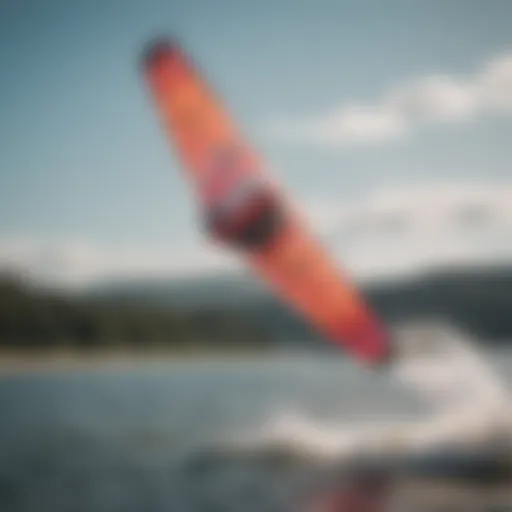
Kiteboarding, a captivating blend of surfing, sailing, and paragliding, is more than just a sport; it's a way of life for many adventurous spirits. With the wind in your hair and a board beneath your feet, this exhilarating activity takes riders over the water, offering feelings of freedom and adrenaline. The beauty of kiteboarding lies not just in its thrilling rides, but also in the intricate details that go into mastering the elements. From understanding wind patterns to selecting the right kite, there’s a lot that comes into play. This article aims to illuminate the various facets of kiteboarding, serving as a well-rounded guide for both newcomers eager to catch their first gust and seasoned riders looking to refine their skills.
Gear Insights
Choosing the right equipment is often where new kiteboarders stumble. A poor choice here can lead to frustrating experiences or, worse, injuries.
Latest Gear Reviews
The world of kiteboarding gear is ever-evolving, with brands constantly innovating to enhance performance and safety. Notably, the Naish Pivot 2022 kite offers an impressive balance between control and power, making it suitable for diverse wind conditions. Its versatile design ensures that riders can easily adapt to shifting breezes.
Additionally, the Cabrinha Drifter is another standout, revered for its excellent depower capability. This kite is perfect for those days when the wind can’t quite make up its mind.
For boards, the Slingshot Misfit is making waves with its responsive feel and durability. Ideal for riders looking to push their limits, this board can handle both freestyle tricks and smooth transitions.
Essential Gear for Beginners
Every beginner should have certain essentials to make the journey smoother. To get started, consider the following key items:
- Kite: Look for a reliable brand that offers easy handling and solid performance.
- Control Bar: Ensure it fits comfortably in your hands and allows for quick adjustments.
- Board: A larger board provides stability, making it easier to learn the ropes.
- Safety Gear: Don’t overlook a helmet, impact vest, and, possibly, knee pads.
Equipping yourself with the right gear not only enhances your performance but also significantly increases your enjoyment.
Techniques and Tips
Kiteboarding involves more than riding with the wind; it requires techniques that, once mastered, can elevate the experience.
Advanced Tricks and Techniques
Once comfortable with the basics, kiteboarders often seek to impress with tricks. Mastery of the jump is essential; start with the simple pop technique before moving to spins and flips. A solid foundation in body positioning lays the groundwork for more complex maneuvers, such as the front loop or backroll.
Practice makes perfect, but even seasoned riders can benefit from keeping their skills sharp. Understanding your kite's dynamics during tricks can make those big jumps feel more effortless.
Safety Practices for Kiteboarders
Safety is paramount when enjoying this high-energy sport. Here are a few best practices to keep in mind:
- Check Weather Conditions: Always verify wind speed and direction before heading out.
- Know Your Limits: Avoid venturing out alone, especially in unfamiliar conditions.
- Wear a Quick-Release System: This device is crucial for maintaining safety during sudden changes or accidents.
By following these safety measures, riders can minimize risks and focus on enjoying the thrill of kiteboarding.
For further details on gear and techniques, you may want to explore resources like Wikipedia and Britannica.
Kiteboarding is a journey, with an ever-expanding horizon of skills and experiences.
End
In the end, kiteboarding is a sport that merges passion with skill. The right gear paired with practiced techniques opens up a world of possibilities. Whether skimming over turquoise waters or executing tricks high above, the journey of each kiteboarder is unique, fueled by the wind and their indomitable spirit. Equipped with knowledge and safety precautions, both novices and veterans alike can chase the perfect breeze.
Understanding Kiteboarding
Kiteboarding is much more than just a thrilling sport; it represents an intricate dance between human capability and nature's forces. Grasping the essence of this exhilarating activity is essential for both newcomers and seasoned riders alike. Understanding kiteboarding allows enthusiasts to appreciate not only the fun of riding the wind but also the physics and skills that make it possible. Moreover, mastering this knowledge increases safety and enhances the overall experience on the water.
Historical Background
The origins of kiteboarding can be traced back to the late 19th century, though it saw meandering development until the late 20th century. Early kite enthusiasts experimented with kites for land sailing and even ocean sailing. However, it was in the 1980s and 1990s that the sport began to gain real traction. Pioneers like Bruno and Dominique Legaignoux invented the first inflatable kites, significantly changing the game. This innovative breakthrough made the sport more accessible, allowing a wider audience to embrace the thrill.
Fast forward a couple of decades, kiteboarding surged in popularity globally, fueled by the emergence of dedicated competitions and community gatherings. Locations known for their dependable winds and open waters became hot spots for kiteboarders. While the sport evolved through new materials and techniques, its spirit remained true to the exhilarating blend of freedom and adventure at its core.
The Mechanics of Kites
Understanding the mechanics of kites is crucial to harnessing the wind's power effectively. At its simplest level, a kite consists of a canopy, lines, and a control bar. However, the interaction of these components reveals the intricate relationship between design and performance.
- Canopy Design: The shape and surface area of a kite dictate how it catches the wind. Foil kites have an airfoil design that generates lift, while inflatable kites provide structural support and stability. Each type serves different purposes and skill levels.
- Lines: The lines connecting the kite to the rider's harness are not just tethering the kite; they facilitate power transfer. The length of the lines affects the responsiveness of the kite. Shorter lines yield quicker response times, while longer ones allow for more power and speed.
- Control Bar: This is where the magic happens. By pulling or pushing the control bar, riders can manipulate the angle of attack, deciding how much power they want. Mastering the bar's use is fundamental for navigating and performing tricks.
This synergy of components highlights the art of kiteboarding. Riders who truly internalize how to work with their equipment are often the ones who rise above the rest, feeling the wind as a graceful partner rather than an unpredictable enemy.
Wind Dynamics in Kiteboarding


Understanding wind dynamics is like cracking the code of kiteboarding. The wind is not just an element; it serves as the very foundation upon which kiteboarding thrives. Its force dictates everything from the speed of your ride to the maneuverability of your kite. This section dives into critical concepts related to wind dynamics and aims to equip both novices and veterans with knowledge to improve their performance on the water.
How Wind Affects Performance
When it comes to kiteboarding, the wind acts as both ally and adversary. Here’s the rundown:
- Force and Speed: The strength of the wind directly impacts your speed. Strong gusts might send you flying in ways you didn’t anticipate, while lighter winds can hinder your progress significantly. The trick lies in knowing how to adjust your techniques based on the wind's whims.
- Lift and Control: A well-timed gust can provide that crucial lift, allowing you to execute jumps and tricks. However, over-relying on wind strength can lead to loss of control, especially when attempting complicated movements. Striking a balance is paramount.
- Wind Direction: The angle of the wind affects where you can jump, how high, and what kinds of tricks can be performed. Riding with the wind (downwind) or against it (upwind) presents its own set of challenges. Aligning your body position and kite angle with the wind direction can optimize your performance.
The key takeaway is understanding that dynamic winds can vary from smooth to chaotic. Instead of fighting against it, learning to work with the unpredictability of the wind can enhance the overall experience. Having a good feel for how the wind behaves will help kiteboarders assess performance effectively.
Reading Wind Patterns
To master kiteboarding, it’s essential to interpret wind patterns like a seasoned sailor reads the tide. Here’s how:
- Visible Indicators: Look out for visual cues such as ripples on the water surface or tree movements. These are telltale signs of wind strength and direction. A ripple-free expanse might indicate lighter winds, while choppy waters can mean it's a bit windier.
- Local Knowledge: Each kiteboarding spot has its own unique wind behavior. Certain areas may catch and funnel winds differently due to geographic features like hills or buildings. Observing how these local factors influence wind can give you a crucial edge over the inexperienced.
- Using Wind Forecast Tools: In today’s digital age, various online resources provide real-time wind data. Websites like windguru.com and windy.com offer insights into wind speeds and patterns, essential for planning your kiteboarding trips effectively.
"Kiteboarding with an understanding of wind patterns can turn a mediocre session into an exhilarating adventure."
- Test Runs: Don’t just take the wind at its word the first time out. Make small test runs to gauge how wind feels in your particular location before diving into bigger tricks or longer rides. This hands-on experience helps refine your understanding of wind behavior.
Understanding wind dynamics isn’t just about physics; it’s an intuitive dance with nature. The more skilled you become at reading and responding to the winds, the more exhilarating your kiteboarding experience. Whether riding the waves during a gentle breeze or soaring high in gusty conditions, a keen awareness of wind dynamics is essential.
For further reading and more resources on wind patterns and their influence on kiteboarding, consider visiting
Wikipedia on Wind or Britannica on Kites.
Types of Kites
Understanding the different types of kites is fundamental for anyone looking to make waves in the kiteboarding community. The design and build of these kites have far-reaching implications on performance and user experience. Each kite type caters to a specific style and environment. Whether you're a newbie learning the ropes or a seasoned rider fine-tuning your craft, the success of your sessions can hinge on the kite you choose.
Kiteboarding isn’t just about the thrill; it’s about having the right tools for the job. Selecting the correct kite might seem trivial, but it can mean the difference between cruising effortlessly across the water or battling uncontrollable winds and frustrating crashes. The following subsections elaborate on how kites are classified by shape, what materials go into their makeup, and how size can impact performance.
Classification by Shape
Kites come in several shapes, each serving a distinct purpose in the varied conditions you might encounter while riding. You might find yourself pondering over the following main types:
- C-Kites: These traditional shapes offer a direct feel and great power, often preferred by freestyle riders. However, keep in mind that they can be less forgiving in gusty winds.
- Bow Kites: Recognized for their wide wind range, these kites offer stability and are friendly for beginners due to their ability to depower easily. Ideal for those transitional gusts.
- Delta Kites: Known for their large surface area, delta kites provide ample lift and are perfect for light wind conditions. However, they might lack precision when maneuvering in gusty environments.
Each shape can cater to different riding styles and conditions. While exploring varieties, ride alongside experienced kiteboarders to get firsthand insight into which shapes work best in specific locales.
Material Considerations
The material composition of a kite is more than a footnote; it plays a crucial role in performance, durability, and overall ride experience. Kite fabrics primarily include ripstop nylon and polyester, but let's break down the ramifications of these choices:
- Ripstop Nylon: This material is lightweight and offers good durability against wear and tear. It’s essential for those rough landings where your gear takes a beating.
- Polyester: While slightly heavier, polyester remains resistant to UV rays and is more cost-effective. A good choice for those who might not be casting a shadow over the competition but still like the green of their wallets.
Choosing the right material can greatly affect the lifespan of the kite. Investing in high-quality materials can optimize performance, allowing you to harness the wind more efficiently, thus enhancing your overall kiteboarding experience.
Size Variations and Their Impacts
When it comes to kite size, it’s a bit like choosing the right weapon for the battlefield; size matters and can significantly influence your ride. Kites typically range from 5 to 17 square meters, and the size you select should reflect your weight, skill level, and wind conditions.
- Larger Kites (above 12m): These are suited for lighter winds, giving you the buoyancy needed to stay afloat. However, they can become overbearing in high winds which might lead to dire consequences.
- Smaller Kites (under 9m): Often preferred in stronger winds, these kites are easier to manage and allow for tighter control and more responsive handling. They are like the nimble athletes on the field—quick to react and adaptable.
Selecting the right size kite ultimately helps you capitalize on the wind's potential while ensuring safety and control during your rides. It’s important to remember that the local wind conditions can vary dramatically at different locations, so understanding these variations is paramount in optimizing your experience on the water.
Overall, understanding the types of kites available is invaluable for any kiteboarder. Choosing wisely can elevate your game and lead to more unforgettable days spent in the breeze. For a deeper dive into kite types and their effects, you might find use in resources like Wikipedia or consider forums such as Reddit.
Staying informed is key, so make sure to exchange insights with fellow kiteboarders when you hit the beach!
Essential Gear for Kiteboarding
Kiteboarding is not just about riding the wind; it’s about being equipped rightly to harness it. The gear you choose does not merely serve as accessories but as extensions of your body that enable you to perform optimally on the water. From kites themselves to safety equipment, every element plays a crucial role in enhancing your experience. Without the right gear, even the most skilled kiteboarder can find themselves in uncomfortable or dangerous situations. Therefore, understanding each item’s specifications and benefits is essential for both safety and enjoyment.
Kite Selection and Setup
When it comes to kiteboarding, your kite is the heart of your set-up. There are several key factors to consider when selecting a kite:
- Type of Kite: Choose between inflatable kites and foil kites according to your riding style and wind conditions. Inflatable kites tend to have better stability and are generally user-friendly.
- Size: The size affects how the kite will perform in different wind speeds. A larger kite provides more lift, ideal for lighter winds but can be harder to control in stronger conditions. A smaller kite, on the other hand, can tackle high winds but offers less buoyancy.
- Setup: Ensuring that your kite is set up correctly is crucial. Check the lines for any twists, and make sure your knots are secure. A balanced set-up can significantly improve your control and ease of use.
Getting the kite properly inflated also makes a difference; a kite that’s under-inflated won't perform at its best. After all, a kite that’s set up right is like a finely tuned machine.
Harness Choices and Comfort


Your harness is your lifeline to the kite, holding you firmly while you carve through the waves. Choosing the right one is key:
- Types of Harness: You can opt for a waist harness or a seat harness. Waist harnesses offer more freedom of movement and are generally preferred by experienced riders, while seat harnesses provide better support for beginners.
- Fit and Comfort: Always try on harnesses before making a purchase. Comfort is paramount since you'll be wearing it for extended periods. A harness that digs into your ribs can ruin a day on the water.
- Adjustability: Look for harnesses with adjustable straps to ensure a snug fit.
- Material: Soft, durable materials allow for flexibility and comfort. Some harnesses even offer additional padding for extra comfort, which can make a long session much more enjoyable.
Wetsuits and Safety Equipment
Last but not least, your wetsuit and safety gear are just as important as your kite and harness:
- Wetsuit: A good wetsuit not only keeps you warm but also protects against rash and impacts should you fall. The thickness of the wetsuit needed can vary by climate and water temperature. In cooler waters, thicker suits are essential. Choose a suit with appropriate flexibility to allow free movement.
- Safety Equipment: Investing in safety gear such as impact vests and helmets is non-negotiable. Impact vests can provide cushioning for falls, while helmets protect against potential head injuries.
- Leashes and Release Systems: Ensure you have a reliable safety leash for your kite. It’s also important to familiarize yourself with the release systems available, as knowing how to detach yourself quickly from the kite can be lifesaving during emergencies.
Ultimately, investing in high-quality gear can not only boost your performance but also enhance your safety, allowing you to fully enjoy the thrill of kiteboarding.
Techniques and Tricks
Understanding the techniques and tricks of kiteboarding holds immense importance for both novices and seasoned riders. It goes beyond just learning how to handle a kite; it's about mastering the art of balancing, maneuvering through waves, and showcasing your skills. The benefits of developing strong foundational techniques can significantly enhance your performance, making the experience smoother and more enjoyable. Additionally, mastering various tricks not only boosts your confidence but also allows for personal expression in a sport celebrated for its creativity and style.
Basic Maneuvers for Beginners
For those just dipping their toes into the world of kiteboarding, starting with basic maneuvers is crucial. These fundamental skills lay the groundwork for more advanced techniques as one's comfort increases. Beginners should focus on the following key maneuvers:
- Launching: Understanding how to correctly launch the kite is fundamental. Facing away from the wind and keeping a keen eye on the kite's position in the air is crucial.
- Body Dragging: This technique aids in getting back to your board after a fall. It teaches water control and kite management. Beginners need to practice pulling themselves up with the kite while keeping their board in sight.
- Water Starts: Learning to get up on the board usually involves a lot of trial and error. Proper body position and coordinating with the kite's power is essential. Focus on keeping the board pointed straight as you start your ride.
- Riding Upwind: One of the most critical skills is learning how to ride against the wind. It involves understanding angles and using the wind's push effectively. Beginners must practice shifting their weight and positioning the kite to maintain a straight line after gaining initial speed.
"Mastering these basic maneuvers builds confidence and sets a solid foundation for more complex tricks in the future."
Advanced Tricks for the Experienced
Once the foundational skills have been polished, the world of kiteboarding opens up with exhilarating tricks. Riders that have spent time on the water can elevate their game by incorporating these advanced maneuvers:
- Jumping: This involves timing the pull on the kite while applying edge control. A solid jump can lead to a variety of additional tricks.
- Board Offs: Taking the board off during a jump is a crowd-pleaser that displays skill and creative flair. Timing and balance are key here.
- Kite Looping: This technical trick requires a rider to loop the kite while in the air. Proper understanding of kite dynamics and timing will create thrilling moments.
- Swing Maneuvers: Tricks such as the handle pass or kite pass can be developed after achieving significant control. These require advanced kite handling and timing with spins.
- Freestyle Tricks: Incorporating spins, grabs, and flips into your jumps can highlight creativity and style. Trying out combinations and developing a unique flair can lead to an individual signature in your kiting style.
To successfully execute these advanced maneuvers, riders must have developed their abilities through repeated practice and a deep understanding of their equipment.
Kiteboarding is a journey, where each technique and trick not only enhances performance but promotes community interaction as riders share tips and experiences. Keeping an eye on trends through platforms like reddit.com or joining groups on facebook.com can provide invaluable insights and support from fellow enthusiasts.
Safety Practices in Kiteboarding
Kiteboarding is not just an exhilarating sport but also one that carries its share of risks. Understanding safety practices can be the difference between an unforgettable thrill and a harrowing experience. Kiteboarding safety encompasses everything from environmental awareness to personal gear checks. Let's delve into some fundamental aspects to ensure you stay airborne and out of harm's way.
Conducting Risk Assessments
Before hitting the water, it's crucial to conduct a thorough risk assessment. This step helps in identifying potential hazards and prepares you for unforeseen circumstances. Here are a few key considerations:
- Location Analysis: Different spots come with their own sets of challenges. Whether it's the intensity of the winds, the presence of obstacles like rocks or other watercraft, or even the crowd, knowing your terrain is key. Surf sites like KiteMap (https://www.kitemap.com) can provide real-time insights on popular locations.
- Weather Conditions: Weather can change quicker than you can say "kiteboard!" Make sure to check wind conditions, tide schedules, and potential storm patterns. Resources such as Windy (https://www.windy.com) or local forecast services from *.gov sites offer up-to-date information.
- Personal Skill Level: Being honest about your own proficiency and stamina is important. A novice should not attempt advanced maneuvers in challenging conditions. Knowing your limits can ultimately keep you safe.
Regularly practicing these checks will become second nature over time. It’s all about being prudent, not paranoid.
Emergency Protocols
Despite thorough planning, emergencies might still happen. Knowing how to respond can ease panic and prevent escalation. A well-thought-out emergency protocol significantly enhances safety. Here’s a process to keep in mind:
- Identify Emergency Contacts: Always have a list of emergency numbers accessible. Include local rescue services and beach patrol on that list. Posting details on your kite's bag or harness can be handy.
- Develop a Signal System: When kiteboarding in groups, establish clear signals for emergencies. Whether it’s a specific wave or a whistle, clear communication can be vital. Make sure everyone is on the same page before heading out.
- First Aid Training: It’s highly recommended that you or your friends are certified in first aid. Knowledge of basic CPR and how to deal with injuries such as cuts or sprains goes a long way. Organizations like the Red Cross offer courses that can help build this essential skillset.
"Preparedness is the key to a safe kiteboarding experience. You never know when Mother Nature will throw a curveball."
Taking it upon yourself to be well-versed in these protocols can arm you against unexpected challenges.
Safety practices in kiteboarding are more than just guidelines; they are a necessity for a fulfilling and long-lasting relationship with the sport. Implementing these measures will not only enhance your experience but also foster a community of informed riders who prioritize well-being alongside adventure.
Global Kiteboarding Destinations
Kiteboarding isn't just a sport; it's an adventure that takes you to breathtaking locales around the globe. The importance of exploring global kiteboarding destinations lies in the diversity of experiences they offer. Each location presents unique wind conditions, cultural nuances, and landscapes that shape the ride, making it crucial for kiteboarding enthusiasts to understand where to go for their next thrill.
Choosing the right destination can affect not only performance but enjoyment as well. Some spots might be known for their flat waters ideal for beginners, while others might attract seasoned riders looking for challenging waves. The right location can enhance one’s skill set and offer the chance to learn from others in the community, thus enriching the overall kiteboarding experience. With that said, let’s take a closer look at the top spots for kiteboarding.
Top Spots for Kiteboarding
A few kiteboarding gems stand out, drawing kiteboarders from all walks of life:
- Cape Town, South Africa: Known as the kiteboarding capital, Cape Town boasts consistent winds and stunning sceneries, especially at spots like Clifton and Blouberg. Riders can enjoy the backdrop of Table Mountain while traversing the waves.
- Maui, Hawaii: With its warm waters and trade winds, Maui offers unforgettable conditions. Spots like Kite Beach are particularly popular due to their reliable wind patterns and vibrant local culture.
- Tarifa, Spain: Often referred to as the 'wind capital of Europe,' Tarifa receives perks from both the Atlantic Ocean and the Mediterranean Sea. Its steady winds provide great conditions for both kiteboarding and learning.
- Cumbuco, Brazil: Known for its flat and shallow waters, Cumbuco is perfect for all skill levels. The vibrant local culture and beautiful beaches add to the overall kiteboarding experience.
These locations are not just about riding the wind; they foster community and camaraderie. Meeting other enthusiasts can lead to friendships that last beyond the beach.


Seasonal Considerations
Timing can be as crucial as technique in kiteboarding, and understanding seasonal variations can significantly impact your experience on the water. Each kiteboarding hotspot has its prime time when weather conditions align perfectly for enhanced riding.
For example:
- In Cape Town, the summer months from November to March bring strong winds known as the Cape Doctor, making it popular among kiteboarders.
- Maui typically sees the best conditions in the summer months, with gentle trade winds, while the winter brings larger waves suited for more experienced riders.
- Meanwhile, Tarifa's winds are most reliable in spring and fall, often attracting both novices and seasoned pros looking to refine their skills.
- Cumbuco boasts good conditions year-round, but the best wind typically occurs from August to January.
In short, aligning your kiteboarding plans with optimal seasonal patterns can not only amplify your skills but also ensure a memorable experience. When a kiteboarder pairs the right time of year with the right location, the result is often pure magic on the water.
Cultural Significance of Kiteboarding
Kiteboarding transcends mere sport; it embodies a cultural phenomenon that weaves together diverse communities around the globe. Beyond the idyllic waves and brisk winds, there's a deeper narrative, one that speaks to identity, artistry, and social connection. When enthusiasts launch their kites into the sky, they not only embrace the thrill of the ride, but also participate in a vibrant tapestry that threads together experiences across borders. The cultural significance of kiteboarding is profound, impacting the psyche of participants while fostering connections among them.
Kiteboarding as Art and Expression
At first glance, kiteboarding may seem limited to adrenaline and athletic prowess. However, many practitioners view it through a different lens—one that highlights its artistic dimension. The aesthetics of kiteboarding unfold in various forms, from the graceful arc of a kite against a sapphire sky to the fluid movements of a skilled rider carving through water.
Take this into account: A kite itself can be seen as a canvas, adorned with bright colors and unique designs that represent personal expression. Riders often invest time and effort in customizing their kites, making each one a representation of their personality. The act of kiteboarding transforms into a performance, a delicate dance with nature that resonates with onlookers.
Furthermore, events such as kiteboarding competitions often incorporate elements of spectacle. Spectators are drawn not just to the competition itself, but also to the artistry on display, as riders attempt complex maneuvers and tricks, merging athletic skill with creative expression.
Building Community Through Kiteboarding
Kiteboarding fosters a sense of community that is both welcoming and vibrant. Beaches and kite parks around the world buzz with camaraderie among riders, instructors, and spectators alike. It's not uncommon to see a mix of seasoned veterans sharing insights with newcomers, creating an environment ripe for learning and exchange. Through this shared enthusiasm, relationships blossom, transcending geographical boundaries.
"The ocean seems to be a great equalizer. It brings people together who might never have crossed paths otherwise."
Social media platforms, such as Reddit and Facebook, further enhance this community spirit, enabling enthusiasts to share experiences, tips, and stories, while also organizing gatherings and events. For instance, many riders participate in local kiteboarding clubs, involving themselves in organized trips, charity events, and competitions that strengthen bonds within the community.
Ultimately, upon gliding over the water, each kiteboarder is a part of something larger—a collective that values support, heritage, and joy. As kiteboarding continues to evolve, so too does its role in shaping cultural identity for countless individuals across different corners of the globe.
Future Trends in Kiteboarding
As the world evolves, so does kiteboarding, a sport that blends skill, adventure, and innovation. Keeping an eye on future trends is crucial for enthusiasts looking to stay ahead of the curve. This section sheds light on what’s on the horizon, focusing on technological advancements and environmental considerations that shape the future of kiteboarding. By understanding these trends, kiteboarders can enhance their experiences, push their limits, and contribute to a sustainable, exhilarating sport.
Technological Innovations
The kiteboarding industry has always been at the forefront of harnessing technology to enhance performance and safety. Innovations in this realm are not just polished novelties; they fundamentally reshape how the sport is experienced.
- Smart Kites: Imagine a kite that adjusts its shape in real-time, responding to wind conditions. Companies are actively working on smart kites equipped with sensors, which can collect data and make real-time adjustments for optimal flight performance. This advancement could drastically reduce learning curves for beginners while improving control for seasoned riders.
- Enhanced Materials: Lightweight yet durable materials are vital in kiteboarding gear. Recent developments include high-strength fabrics that offer better resistance against wear and tear while maintaining the flexibility needed for responsive flight. Additionally, innovations in carbon fiber technology allow for stiffer and lighter boards, leading to improved agility on the water.
- Wearable Technology: Wearable devices, such as GPS trackers, can now provide real-time feedback on speed, altitude, and distance traveled. These gadgets empower riders to analyze their performance post-session, enabling focused training and skill development.
"With gadgets that have the capability to compare prior sessions and track progress, the learning process becomes more data-driven and insightful."
Environmental Considerations
As kiteboarding continues to grow in popularity, there arises an important responsibility towards the environment. The future of the sport hinges on sustainable practices that protect our natural playgrounds while allowing enthusiasts to enjoy the thrill of riding.
- Eco-friendly Materials: The shift towards eco-conscious gear is presently shaping industry standards. Kite manufacturers are increasingly utilizing recycled and sustainable materials in their products. This movement is crucial, not just for the planet’s health but also for attracting environmentally-conscious riders.
- Preserving Ecosystems: As kiteboarding activities expand, sensitivity to local ecosystems is paramount. Growing initiatives focused on educating riders about preserving coastal areas and marine life are appearing. Kiteboarding schools and clubs are increasingly advocating for trail maintenance and eco-cleanup activities, fostering a culture of responsibility within the community.
- Reducing Carbon Footprint: The sport is noticing a trend in using local transportation options to reduce carbon emissions. Riders are opting for gear that’s lighter and more compact, allowing them to explore diverse locations without the need for extensive travel. This shift not only makes kiteboarding more accessible but also less impactful on the environment.
By respecting these environmental considerations, kiteboarders can help ensure that their beloved sport remains vibrant and viable for future generations.
In summary, as kiteboarding continues to evolve through technological innovations and environmental considerations, riders not only experience heightened performance but also participate in preserving the beauty of our planet. Embracing these trends positions the kiteboarding community as pioneers of responsible adventure.
Engagement and Community on KiteThrill
The landscape of kiteboarding is not merely defined by wind and waves; it is profoundly enriched by the shared experiences, insights, and camaraderie among enthusiasts. This is where the online community, particularly KiteThrill, plays a pivotal role. For novice riders eyeing their first kite set-up or seasoned pros fine-tuning their tricks, this platform serves as a vibrant hub for both information and interaction.
KiteThrill becomes a beacon guiding kiteboarders towards valuable connections and resource sharing. Here are some critical points showcasing its significance:
- Shared Knowledge: Users contribute a wealth of information—from tips on perfecting aerial maneuvers to the nuances of equipment selection. This collection of personal anecdotes empowers riders to learn from one another's triumphs and hiccups.
- Encouragement and Support: Engaging with fellow kiteboarders fosters a sense of belonging. Whether it’s celebrating a first successful jump or venting about equipment failures, the community offers an understanding ear. This support can be vital in helping enthusiasts stay motivated and improve.
- Event Organization: Through KiteThrill, users can join or promote local kiteboarding events. These gatherings not only provide opportunities for skill enhancement but also create a cultural impact, bringing like-minded individuals together.
- Safety Insights: A marketplace of experiences often leads to crucial discussions about safety practices. Riders can share tips on avoiding hazards, assessing conditions, and making informed decisions.
Engagement on KiteThrill transcends mere participation; it cultivates a culture of collective growth and safety. The value of being part of this kiteboarder family cannot be overstated.
User-generated Content Contributions
One of the hallmarks of KiteThrill is the user-generated content, which adds authenticity and depth to the community. This content ranges from detailed tutorials to personal stories, offering a diverse array of insights. Members share their prepares for unpredictable meteorological conditions or the latest gear reviews, contributing to a rich tapestry of information.
- Tutorial Videos: Visual learners have a treasure trove of tutorial videos made by community members. These clips can illustrate techniques from basic water starts to advanced tricks like the double backloop. Seeing maneuvers in action demystifies the learning process and bridges comprehension gaps.
- Gear Reviews: Enthusiasts leverage their experiences to provide valuable gear reviews. From kite material durability to harness comfort, first-hand opinions guide others in making informed purchasing decisions.
- Trip Reports: When kiteboarders share their destination experiences, they often highlight breathtaking locations and share insider tips. These narratives can shape someone’s next trip and inspire endless adventures.
- Safety and Environmental Awareness: As members voice their concerns or share insights on environmental changes, the community fosters greater awareness of sustainable practices in the sport. This advocacy can contribute to preserving kiteboarding locales around the globe.
Events and Competitions
KiteThrill acts as a catalyst for organizing events and competitions, promoting both skill and spirit within the community. Events can vary significantly, encompassing local meetups to global competitions, offering options for all skill levels.
- Local Meet-Ups: Community-organized meet-ups help riders practice together, learn from one another, and enjoy the sport in a social setting. Sharing laughs and tips on the beach enhances the kiteboarding experience.
- Challenges and Competitions: Through organized challenges, participants can compete on different skill levels, pushing boundaries while demonstrating enthusiasm. Such events often include prizes and recognitions, fostering a sense of achievement.
- Workshops and Clinics: KiteThrill frequently facilitates workshops led by experienced instructors. These clinics focus on particular skills, such as advanced jumping techniques or tactical wind reading. Participants can dramatically enhance their abilities in a supportive environment.
- Networking Opportunities: Events provide both new and experienced riders the chance to network, connect with sponsors, and keep their fingers on the pulse of industry trends. Such interactions could lead to future collaborations or career opportunities.
In summary, the engagement and community found on KiteThrill are cornerstones of kiteboarding culture. Active participation in content sharing and events not only contributes to personal growth but also reinforces the fabric of camaraderie that makes this sport so enjoyable.