Wing to Wing: The Dynamics of Kiteboarding
Intro
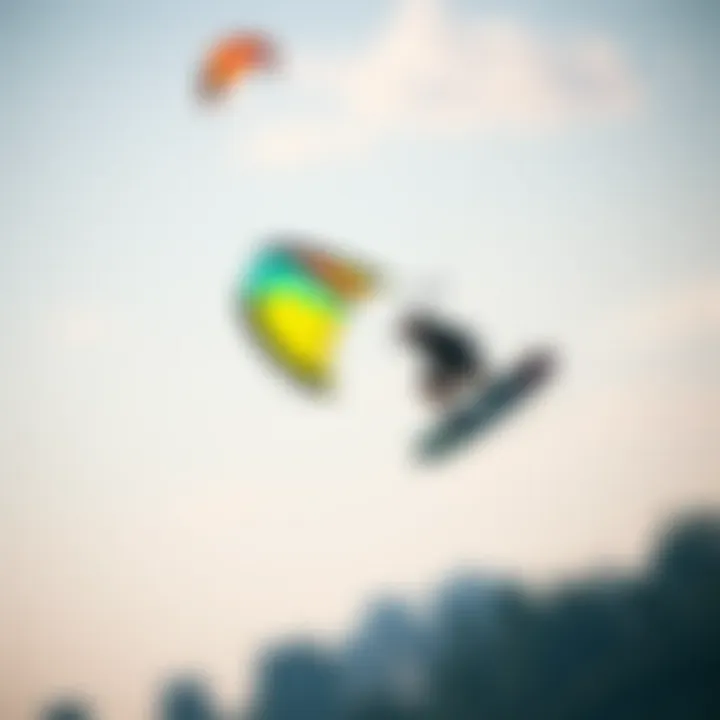
Kiteboarding, with its exhilarating rush of wind and water, captivates adventurers and freedom seekers alike. The art of harnessing the power of the wind through a kite, while maneuvering on a board, creates a unique blend of thrill and skill. Among the many dynamic elements that define kiteboarding, the concept of 'wing to wing' is essential. This idea encapsulates the intricate interplay between the rider, the kite, and the surrounding environment. Grasping these relationships fosters a deeper understanding of the sport.
As we unravel the dynamics of kiteboarding, we'll delve into various aspects, from vital gear and essential techniques to community connections and safety protocols. The broad spectrum of insights presented here aims to cater to everyone, from fresh-faced novices to seasoned veterans eager to refine their craft.
Through exploring critical factors that shape the kiteboarding experience, this article will not only shed light on the technicalities but also emphasize the communal spirit that binds enthusiasts together. It's an invitation to immerse fully into the vibrant world of kiteboarding, where every gust of wind reveals potential for adventure.
Prolusion to Kiteboarding
Kiteboarding, a captivating blend of surfing and flying, has taken the world by storm. Lured by the exhilarating rush of wind against their faces and the thrill of gliding over water, enthusiasts are drawn to this dynamic sport. Understanding the basics of kiteboarding is crucial for anyone looking to partake in this high-octane activity.
Comprehending how the sport operates lays the foundation for safety, skill development, and overall enjoyment. From grasping the kite's leverage to the balance required on a board, the intricate interactions between man, machine, and nature are essential to mastering kiteboarding. Not only this, getting the hang of kiteboarding can profoundly impact one’s physical fitness, bringing in not just strength but also improving coordination and agility due to the intense nature of the sport.
Importance of the Basics
Before diving headfirst into the waves, a solid grounding in the basics can mean the difference between mere participation and truly enjoying what kiteboarding offers. Without these fundamental insights, a rider might feel lost, floundering in the wind instead of harnessing it. Basic knowledge includes learning about the parts of a kite, how wind patterns shift, and understanding board dynamics. This knowledge serves both as a safety net and a springboard to more advanced skills.
Additionally, as seen across various boards and social media platforms, community engagement plays a pivotal role in kiteboarding. This sport thrives when enthusiasts share their experiences, challenges, and triumphs, creating a shared culture among riders. The importance of building a supportive kiteboarding community resonates deeply as seasoned riders often mentor newcomers, ensuring that the cycle of experience and knowledge continues.
The Evolution of the Sport
Kiteboarding did not just appear out of thin air. Its roots trace back to several earlier innovations. The history of the sport exemplifies human ingenuity, evolving through experimentation and the desire to explore. Initially inspired by the kitesurfing concept, the sport began to take shape in the late 20th century. From makeshift gear crafted in garages to highly specialized equipment available today, the evolution of kiteboarding reflects a constant quest for improvement.
Last but not least, the technology that feeds into kiteboarding gear contributes significantly to this evolution. Kites have transformed dramatically over the years, adopting shapes that maximize lift and stability while making them more user-friendly. Riders of all experience levels benefit from these advanced designs. The ongoing developments within the industry never cease, ensuring that kiteboarding remains fresh and exciting, drawing in more participants each day.
Ultimately, the allure of kiteboarding lies not just in the wind but in the ongoing journey of mastering both the equipment and oneself. Whether you're starting or looking to refine your skills, understanding the basics and acknowledging the sport's rich history is vital. Kiteboarding is more than a sport; it's a community, a lifestyle, and an adventure waiting to unfold.
The Equipment Spectrum
The world of kiteboarding hinges significantly on the equipment used. Each component plays a vital role in enhancing both performance and safety while riding the waves. Understanding the Equipment Spectrum not only helps riders choose the right gear for their needs but also contributes to a more enjoyable and successful kiteboarding experience. Every aspect of this equipment is designed for optimal functionality, catering to different skill levels and riding styles. Therefore, having clarity about various pieces presented in this landscape can transform a novice into a proficient kiteboarder, maintaining efficiency and reducing risk on the water.
Types of Kites and Their Features
Choosing the right kite is like picking the perfect partner for a dance: it needs to complement your moves. Kites come in multiple shapes and sizes, each engineered for specific conditions and styles of riding. Generally, there are three main types of kites:
- C Kites: Known for their powerful pull and excellent performance in freestyle and wave riding, these are the choice of advanced riders looking to perform tricks.
- Bow Kites: With a larger surface area, bow kites excel in low wind conditions and are beginner-friendly. Their design allows for more control and stability.
- Delta Kites: This versatile option combines features of both C and bow kites. They offer great depower capabilities and are suitable for all skill levels.
When selecting a kite, consider factors such as wind conditions, intended riding style, and personal skill level. Every kite has its unique features: some are durable while others prioritize speed. Beginner riders might want to start with a bow kite, gaining confidence before transitioning to a C kite.
Harnesses and Control Systems
A strong connection between the rider and kite can make or break a session. Harnesses and control systems are the link that allows you to manage momentum and steering effectively. Typically, there are two types of harnesses:
- Waist Harness: Provides good support while allowing freedom of movement, ideal for those who want mobility during advanced maneuvers.
- Seat Harness: Better for beginners as it distributes weight evenly across the lower body, reducing strain on the back.
Control systems, which include the bar and lines, also play an essential role. The bar width must match the rider's shoulder width for optimal control. Line lengths vary, generally from 20 to 26 meters, allowing for adjustments based on wind conditions and rider skill level. Effective control systems enhance the ability to perform tricks and maintain stability, making understanding these components crucial for up-and-coming kiteboarders.
Boards: Selection and Styles
Picking a board for kiteboarding is much like choosing a great surfboard. The right one can open the door to new experiences, while the wrong choice can lead to frustration. Boards typically come in four key styles:
- Directional Boards: These are designed specifically for wave riding, allowing for smooth transitions in choppy waters.
- Twin-Tip Boards: Great for beginners and freestyle riders alike; they can be ridden in either direction, making them versatile and user-friendly.
- Foil Boards: These innovative boards use a hydrofoil underneath, enabling the rider to glide above the water, providing a unique experience even in light winds.
- Skim Boards: Suitable for flat water or small waves, these boards are lightweight and allow for tricks and jumps.
When selecting a board, consider the length, width, and type of riding you plan to do. A twin-tip may be perfect for a novice, while a seasoned rider might seek the precision of a directional design. Determining your riding style can streamline the selection process and ensure that you choose wisely.


"In kiteboarding, the right equipment choice isn't just a matter of preference; it's essential for performance and safety."
Integrating knowledge about the equipment spectrum forms a solid foundation for anyone eager to explore this thrilling sport. Each piece has its significance, and understanding them can be the difference between an exhilarating ride and a challenging experience.
To learn more about kiteboarding equipment and choices, check resources like Wikipedia and forums on Reddit for community insights.
Wing Dynamics Explained
Understanding the nuances of wing dynamics is pivotal for anyone looking to truly appreciate kiteboarding. The way a kite interacts with the air dictates how effectively a rider can harness the power of the wind. This section peels back the layers of aerodynamics and control techniques, revealing how they form the backbone of a kiteboarder's experience.
Aerodynamics in Action
At the heart of kiteboarding lies aerodynamics, which explains how a kite moves through the air and responds to various weather conditions. When we think about a kite in flight, what we're actually paying attention to is the design of the wing itself.
Kites are commonly shaped like foils, allowing them to capture and manipulate air efficiently. This shape creates a difference in air pressure above and below the wing – a principle described by Bernoulli's theorem. Higher pressure below the kite pushes it upwards, while lower pressure above it keeps everything stable and functional.
It’s important to note that different kite designs cater to varying wind conditions and rider preferences. For example:
- C-Kites are great for high performance and tricks due to their quick response and increased power.
- Bow Kites have flat profiles that allow for better power control and are ideal for beginners.
- Delta Kites embrace versatility, making it easier for riders to transition through levels.
Choosing the right kite can make a world of difference. Consider factors like your skill level, local wind patterns, and even the specific maneuvers you wish to master. All of these choices impact how effectively you can harness wind energy, making aerodynamics essential for kiteboarding success.
Steering and Control Techniques
Once you've got a feel for the aerodynamics, it's time to put that knowledge into practice – and that's where steering and control come in. The kite is controlled using lines attached to a harness, and the skill of managing these lines often separates experienced riders from novices.
When steering, the goal is to navigate the kite efficiently to maximize lift and speed. This can involve several techniques:


- Pulling on the back lines: This action will bring the kite back, allowing for smoother maneuvers or an increase in height.
- Pulling on the front lines: It makes the kite move forward. However, this can lead to a loss of power if overdone.
- Body movements: Shifting your weight and angling your body also plays a significant role in controlling the kite’s position. Leaning back can bring you more speed, while leaning forward helps in slowing down.
Practice makes perfect, and mastering these techniques requires time on the water. It’s a dance – the more you synchronize your movements with the kite, the more control you gain. An adept rider can ride effortlessly across the wind, almost like a bird effortlessly drifting through the sky.
The dynamics of kite control are as much about your body as they are about your equipment. Great riders blend instinct with technique, making their skills look almost effortless.
In mastering wing dynamics, kiteboarders become more than just participants in a sport; they engage with the very forces of nature, transforming wind energy into breathtaking artistry on the water.
Weather and Environmental Factors
Understanding weather and environmental factors is vital for anyone serious about kiteboarding. The interaction between kite and wind, as well as the nature of the water surface, can spell the difference between a thrilling ride and a potentially hazardous situation. Each element plays its unique role, influencing both performance and safety.
Understanding Wind Patterns
Wind is the lifeblood of kiteboarding. A kiteboarder must grasp wind patterns to harness their full potential. Wind strength, direction, and consistency are essential variables that can affect a peformance. For instance, steady winds ranging from 12 to 25 knots can create optimal kiteboarding conditions, leading to smoother rides and more advanced maneuvers.
What to Look For:
- Wind Direction: Knowing where the wind comes from helps in choosing the right location to launch. For example, onshore winds are often safer for beginners, keeping them close to the shore.
- Wind Fluctuations: Gusty winds can be tricky. Riders should be aware of sudden changes in intensity, as these can catch even seasoned kiteboarders off guard.
Kiteboarders often refer to local anemometers and weather apps for real-time wind conditions. Some might even take to social media groups, sharing insights and experiences about specific locales. Also, leveraging data from sites like windfinder.com can provide predictive forecasts, which can be the difference between a great session and a disappointing one.
Water Conditions: Analyzing the Sea
Just as the wind can propel a kiteboarder, water conditions can give them direction and control. Evaluating the sea itself is crucial for a successful outing.
- Wave Size and Type: The kind of waves present can drastically affect the ride. Flat waters are ideal for beginners, allowing for easier control. Conversely, choppy waters can be more challenging, offering an opportunity for advanced tricks but increasing the risk of wipeouts.
- Tide Effects: Tides can alter local conditions remarkably. A rising tide can create currents that may enhance or hinder speed, depending on their direction and the rider's position. Familiarity with tide schedules is therefore key.
- Obstacles: Studies of the spot before launching can keep riders safe.
Tips for Assessing Water Conditions:
- Arrive early to examine the area.
- Talk to locals to get a sense of current conditions.
- Check for buoy markers, as they generally indicate deeper waters or hazards.