Essential Kite Parts and Accessories for Peak Performance


Intro
In the realm of kiteboarding, understanding the components that make up the gear is paramount. Each part plays a unique role in enhancing performance, safety, and overall enjoyment of the sport. For both novices and seasoned kiteboarders, familiarizing oneself with kites, lines, and accessories can lead to better decision-making when it comes to equipment choices. Whether you're riding over gentle waves or tackling high winds, this guide aims to shed light on the vital elements of kiteboarding gear.
Kites aren't just colorful fabrics dancing in the wind; they are carefully engineered devices designed to harness the forces of nature. Similarly, the lines, bars, and various accessories that accompany a kite can make or break your experience on the water. Hence, setting forth with a thorough understanding allows riders to tailor their setups based on their skill level, local conditions, and personal preferences.
The importance of this knowledge cannot be overstated. As kiteboarding rapidly evolves with new technology and innovations, staying informed will elevate not only one's performance but also the overall safety during riding. After all, a well-informed rider is a confident rider, and confidence leads to a deeper connection with the sport.
By traversing through the essentials, this article seeks to open the door for kiteboarders to appreciate their equipment more deeply, empowering them to make informed choices. In the sections that follow, we will delve into gear insights, advanced techniques, and important safety practices that ensure enjoyable kiteboarding sessions.
Preface to Kite Parts and Accessories
Kiteboarding is more than just a hobby; it’s an adrenaline-packed adventure that merges the elements of wind and water, and your kite is the heart of this excitement. Understanding the various components that make up your kite and the accessories that accompany it can significantly enhance your performance and overall experience on the water.
When you think about kite parts, it’s easy to overlook the meticulous design and purpose behind each bit. Each component—from the leading edge that slices through the wind to the control bars that steer your flight—plays a vital role.
Key Elements to Consider
- Functionality: Knowing how different parts of the kite interact with one another can be the difference between a smooth ride and a challenging experience.
- Customization: Kite parts can be tailored or upgraded to suit your specific riding style, whether you’re into freestyle tricks or long-distance cruising.
- Maintenance: Understanding how to care for your kite and its parts ensures longevity and peak performance.
In this article, we delve into these essential elements, as well as a variety of accessories that support kiteboarding. Unraveling the mysteries of bridles and lines, for example, not only allows you to troubleshoot issues but also empowers you to make informed decisions regarding upgrades or replacements.
"The more you know about your gear, the more you can push the limits of your play."
By familiarizing yourself with kite parts and accessories, you stand to gain not just in enjoyment but efficiency and safety when out on the water. Recognizing the nuances of your equipment allows for a deeper connection with the sport and a greater appreciation of the wind and waves that guide your kite. Throughout this article, we will break down each segment, providing crucial insights into kite anatomy and the accessories that elevate your experience to new heights.
Anatomy of a Kite
Understanding the anatomy of a kite is crucial for anyone serious about kiteboarding. The design of each component significantly influences the kite's performance, stability, and responsiveness in various wind conditions. Each part plays a specific role that can make or break the kiteboarding experience. A good grasp of these elements helps not only in selecting the right kite but also in maintaining and troubleshooting gear to maximize your time on the water.
Leading Edge
The leading edge of a kite is akin to the front line of a battle; it’s the first part that cuts through the wind. Typically made of robust materials, it ensures great shape and aerodynamics. Having a well-structured leading edge contributes to the kite's lift and stability. A damaged leading edge can compromise performance; a slight tear or dent could result in poor lift, making it difficult to stay airborne. Regular inspections are a must, especially after any rigorous use, as the leading edge encounters the most impact.
Struts and Framework
Struts provide support, giving the kite its three-dimensional shape. Think of them as the bones of the kite. They help maintain tension on the canopy and affect how the kite behaves in the air. A kite with well-positioned struts can handle gusty winds much better, offering stability and balance. When checking the struts, be on the lookout for any bends or breaks. They can sometimes be overlooked but have a big impact on control and maneuverability.
Canopy Material
The canopy is the sail of the kite, and the material it is made from can greatly affect durability and performance. Typically, kite canopies use materials like ripstop nylon or polyester, chosen for their lightweight properties and resistance to tearing. It’s important to select a kite with a canopy suitable for your riding style, whether you're into freestyle or wave riding. Different materials have different stretch characteristics, influencing how well the kite maintains its shape during flight. Pay attention to the fabric’s weight, as heavier materials might offer better durability, while lighter options could excel in performance.
Trailing Edge
Just like its name suggests, the trailing edge is where the kite releases air as it finishes the flight cycle. A well-designed trailing edge contributes to reduced drag and provides stability. If this part becomes frayed or damaged, it can lead to airflow issues, affecting your kite's ability to generate lift and maintain speed. Regularly check the trailing edge for signs of wear and tear, as a small problem here can metastasize into a larger performance issue down the road.
Bridles and Lines
The bridle system connects the kite to the lines you control from the ground. Detailed attention is needed for these parts because they can drastically influence how responsive the kite is to steering input. The setup can vary from kite to kite, affecting both performance and handling. If bridle lines are frayed or tangled, they can create uneven pull, leading to erratic flight behavior. It’s important to keep these lines well-maintained, as they serve as a crucial link between the rider and the kite.
“A kite operates as a cohesive system, where each part's role is interlinked.”
Mastering the anatomy of a kite equips kiteboarders, whether beginners or seasoned pros, with critical knowledge to enhance performance and safety while navigating wind and water.
Understanding Kite Accessories
In the dynamic realm of kiteboarding, the role of accessories is often overlooked, yet they are the silent backbone that carries an adventurer's journey. The importance of understanding kite accessories cannot be underestimated as they play a significant role in both performance and safety. Think of kite accessories as the trusty mates who, while you take to the skies, are keeping everything in check. From achieving optimal handling to ensuring safety during rides, these components shape the overall kiteboarding experience.
The Essentials: Accessories range from kite lines to safety leashes, each with specific functions that contribute to your overall performance. When you pick the right accessories tailored for your style, it transforms not just how you ride, but how much you enjoy it.

Kite Lines
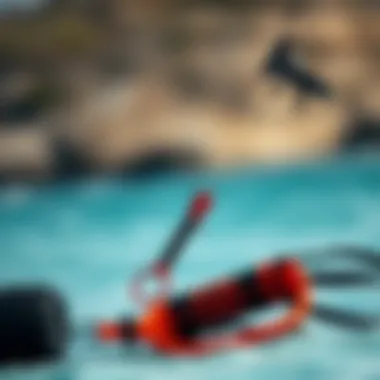
Kite lines are the unseen ropes that bind you to your kite, literally! They play an essential role in the power and flight dynamics of the kite. Generally made from durable materials like Dyneema or Spectra, these lines can hold significant tension and resist abrasion. If you’re keen on feeling every nuance in your board, investing in high-quality lines is a step in the right direction. Moreover, the length of the lines can greatly affect how your kite responds. Longer lines may give you a wider range of motion and potentially smoother rides, while shorter lines can mean more responsive control.
Control Bars
The control bar is much more than just a grip; it’s your lifeline to the kite. When considering this crucial accessory, you should reflect on balance, comfort, and features. A well-designed control bar offers adjustability for a custom fit, important for a smooth ride. Soft grip padding can prevent fatigue on long days. Moreover, many control bars come equipped with safety features that allow rapid releases in emergencies. A common mistake beginners often make is overlooking the importance of bar width. A narrower bar can lead to less leverage in maneuvering, especially in high winds.
Harness Options
A harness can make or break your kiteboarding experience. It supports your lower back and coral tension while you’re harnessing the winds. The two main types, seat and waist harnesses, each cater to different styles of riding. Seat harnesses offer more support for beginners and are generally more comfortable during long sessions. Waist harnesses, meanwhile, offer more mobility, perfect for tricks and advanced maneuvers. Whatever you choose, ensure it provides a snug fit; you don’t want it riding up or slipping while you’re out there.
Safety Leashes and Systems
Safety should always be at the forefront of your kiteboarding adventures. Safety leashes and systems are your insurance during emergencies. These are designed to detach your kite easily when you encounter trouble, minimizing risk. There are various styles, including those connected directly to the control bar or a dedicated attachment point on your harness. It’s not just about having one, but also about understanding how it works in tandem with your entire setup. Regular checks to ensure these accessories are in good working order can make all the difference in critical moments.
Repair Kits
No one likes to think about damage, but having a repair kit is essential for the long-term health of your gear. A good repair kit should include items like patches, glue, and spare lines—everything necessary to mend small rips or tears. Even experienced kiteboarders sometimes need to make quick on-the-water repairs. And with kiteboarding being an outdoor sport, weather conditions can change on a dime.
"Being prepared is more than half the battle; it’s the key to enjoying the adventure!"
For more in-depth knowledge, check out resources like Kiteboarding Association or communities on Reddit. Whether you investigate gear on Wikipedia or delve into personal experiences shared on Facebook groups, there’s ample information that can guide you to make informed decisions around kite accessories.
Selecting the Right Gear
Selecting the right gear is fundamental for anyone involved in kiteboarding. The equipment you choose affects not only your performance but also your safety on the water. It is easy to overlook how crucial every piece of gear is, especially when beginners often rely on what they see available or what friends recommend. Each kite, control bar, and harness has its own quirks, and understanding these little details can make a monumental difference.
Understanding Your Riding Style
Your riding style is the cornerstone of your kiteboarding experience. Some riders prefer a laid-back, surf-style approach, where they cruise along the water calmly, while others chase thrills with aggressive jumps and tricks. Katers with a penchant for air time might opt for a kite with a higher aspect ratio designed for lift, whereas those leaning more towards recreational riding might favor kites with a lower aspect ratio for stability.
Consider factors such as whether you enjoy wave riding, freestyle, or even racing. Beginners might start with more forgiving kites, which are easier to control.
- Freestyle riders need kites that boost high for jumping.
- Wave riders require kites that turn quickly and maintain stability in turbulent wind.
- Cruisers might go for a larger kite that provides continuous power in varied conditions.
By identifying your style, you will make the process of selecting the appropriate gear smoother and possibly less overwhelming.
Considerations for Different Conditions
Weather conditions can be as capricious as a cat on a hot tin roof. Wind speed, direction, and overall climate play huge roles in what type of kite and gear is suitable.
- Strong Winds: In high winds, smaller kites provide better control and less likelihood of being overpowered.
- Light Winds: Larger kites can help capture more wind, giving you the necessary lift to stay aloft in light breezes.
- Choppy Water: If you frequently kite in rough water, consider gear that can withstand the impact and provide stability. Look for kites that are designed for easier handling in choppy conditions.
Knowledge of typical weather patterns at your favorite kite spots is invaluable. Keep vigilance on local weather forecasts and wind meters, as they can mean the difference between kiteboarding bliss or chaos at sea.
Budgeting for Quality Gear
While it might be tempting to pinch pennies when selecting gear, the adage “you get what you pay for” often rings true in the realm of kiteboarding. Investing in high-quality equipment means:
- Safety: Quality gear tends to include better safety features, ensuring you’re secure should something go awry.
- Durability: Well-made kites and accessories withstand wear, meaning they'll last longer. This could ultimately save you money in the long term.
- Performance: Higher-end gears often have advanced materials, providing benefits like better responsiveness and optimal performance.
Investing in what you really need—rather than succumbing to trends—can provide better long-term satisfaction. Start with essential pieces and expand your collection as your skills progress and as your budget allows. Remember to check reputable sources, like those on Wikipedia, for guidelines on what to prioritize in your investments.
Investing in quality gear may seem expensive, but it pays off when you’re out on the water, enjoying every moment without worrying about equipment failure.
The right gear for kiteboarding is not a one-size-fits-all type of deal; it's essential to weigh your riding style, local conditions, and budget to make informed decisions. This careful selection process sets the stage for an enjoyable and safe kiteboarding experience.
Maintenance of Kites and Accessories
Maintaining kites and their accessories is a non-negotiable part of being a responsible kiteboarder. Not only does it prolong the lifespan of your gear, but it also ensures you perform at your best whenever you hit the water. The ocean can be an unforgiving place—sand, saltwater, and sun can wear down your equipment faster than you might think. By understanding maintenance, you can keep your kite and accessories functioning optimally, which translates to more enjoyable sessions and fewer unexpected mishaps.
Cleaning Your Gear
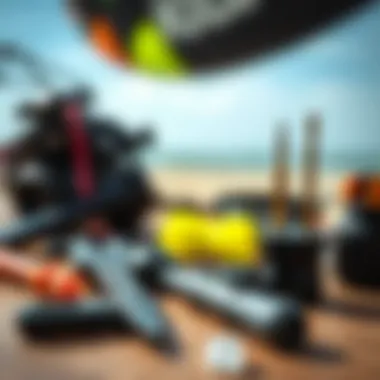
Keeping your kite clean is more than just a matter of aesthetics; it's crucial for performance. After each session, it's a good habit to rinse your gear with fresh water. Saltwater can corrode lines and frameworks, ultimately affecting your control. Just a couple of minutes under a hose after your kiteboarding adventure can save you potential headaches later.
When washing your kite, lay it flat and avoid any harsh soaps that could damage the canopy material. A gentle rinse will suffice. Pay special attention to the bridles and lines; clean anything that may have collected grit. Salt crystals can create friction over time, so this routine maintenance will keep everything running smoothly.
Storage Practices
Proper storage of your kite can make a world of difference. It’s tempting to toss your gear into a corner after an exciting day on the water, but proper storage can prevent unnecessary wear and tear. When not in use, store your kite in a cool, dry place away from direct sunlight. Prolonged exposure to UV light can deteriorate the materials, particularly the canopy.
A kite bag is your best friend; use it when stowing away your equipment. Roll the kite rather than folding it—this avoids creases that could weaken the fabric over time. You might also want to keep your control lines separated and untangled.
Important: Always check the manufacturer's guidelines on storage to mitigate any risks.
Identifying Wear and Tear
One of the key skills every kiteboarder must develop is the ability to identify wear and tear before it becomes a problem. Regular inspections of your equipment can save you a lot of trouble. Look for frayed lines, cracked struts, or rippled surfaces on the canopy. These signs dictate whether a repair is necessary before your next outing.
Consider the following checklist when examining your gear:
- Lines: Check for frays or knots.
- Canopy: Inspect for rips or punctures; tiny holes can lead to drastic issues in wind conditions.
- Struts: Look for signs of leakage or cracks.
- Control Bars: Ensure that the safety systems are functioning properly.
Keeping an eye on your gear will mitigate risks and maximize your time on the water. An ounce of prevention is worth a pound of cure, right?
In summary, maintenance is crucial for the longevity and performance of both kites and accessories. Whether it's cleaning, proper storage, or regularly checking for damage, these practices will ultimately ensure a thrilling and safe kiteboarding experience.
Creating a Kiteboarding Setup
When embarking on your kiteboarding adventure, establishing a solid setup can make all the difference between a thrilling ride and a frustrating experience. A well-thought-out kiteboarding setup combines each element of your gear seamlessly, ensuring maximum performance and safety. Whether you are an aficionado with years of experience or just starting out, understanding how to construct your kiteboarding setup can enhance your enjoyment while riding the waves.
Assembling Your Gear
Starting to assemble your gear might seem straightforward, yet it is crucial to pay attention to each component’s role. A kite, control bar, and lines are your trifecta, but ensuring they work cohesively is the real trick. The kite should match your skill level and the wind conditions expected on any given day. If you're new, it may be wise to begin with a stable, easy-to-handle kite.
Don’t forget about the control bar; it's not just a steering wheel. It connects you to the kite and allows for precise handling. Here’s a quick list to keep in mind while assembling your gear:
- Check your kite for damage or wear before flight.
- Secure your lines without twists and ensure a straight path.
- Attach the control bar firmly to prevent any surprises once you hit the water.
Tuning Your Setup
Tuning your setup is akin to fine-tuning a musical instrument—every little adjustment can create harmony or disarray. Start by adjusting the line lengths; every kite has a sweet spot that makes it fly best under specific conditions. If you’re battling high winds, shorter lines usually provide better control. On the flip side, longer lines can create a smoother ride when the winds are light. Pay attention to how your kite responds during the first few runs, making adjustments as needed.
Important aspects to consider when tuning your setup include:
- Bridle adjustments: Changing the bridle adjustments can affect the kite's performance and responsiveness.
- Line tension: Ensuring your lines are taut but not overly tight promotes optimal performance.
- Weight distribution: Adjusting your harness or moving your body can shift your weight, altering how the kite flies.
Testing Your Configuration
Before you launch into the great blue yonder, testing your configuration is a vital step not to be neglected. This process ensures all parts are working as intended, minimizing potential issues while you kite. Before hitting the waves, perform a quick check of your setup, and do a dry run on land. Launching your kite on a soft sandy beach allows you to observe its behavior without the immediate pressure of water.
Here are some responses to look out for:
- Lagging response: If your kite seems slow to respond, it may require further tuning or adjustments.
- Angle of attack: Assess how it enters the wind; the kite should smoothly lift off rather than flip or stall.
- Lift and descent: Notice how the kite behaves during ascent and descent. It should float smoothly with manageable control.
"The formula for success in kiteboarding isn't magical; it's simply careful setup and testing. The better prepared you are on the ground, the more thrills you'll have on the water!"
Safety Considerations in Kiteboarding
When it comes to kiteboarding, safety should never take a backseat. Understanding the various safety elements is not just prudent; it’s vital for anyone looking to enjoy the sport to its fullest. The robust nature of this thrilling water activity presents numerous risks, making proactive safety measures absolutely essential.
The reality is, kiteboarding can be exhilarating and intense. With the right knowledge, riders can enjoy the freedom of the wind and water while minimizing hazards. The primary goal of this section is to shed light on essential safety features, conducting thorough pre-flight checks, and what to do in case of emergencies. All these factors play a crucial role in keeping kiteboarders safe.


Understanding Safety Features
Kite designs have significantly evolved over the years, and so have their safety features. Modern kites come equipped with various safety mechanisms that can literally be a lifesaver.
- Depower System: This feature allows riders to reduce the kite’s power instantly, helping to manage speed and lift during tricky situations. It can be activated with merely a flick of a wrist.
- Quick Release Mechanism: Found on control bars, this allows a quick detachment from the kite if a rider is overpowered or finds themselves tangled.
- Safety Leash: This component links the rider to the kite and often includes a mechanism to disconnect during dangerous scenarios, preventing the rider from being dragged by the kite.
Familiarizing yourself with these features ensures you’re not just riding but riding safely. The importance of understanding how these systems work cannot be overstated; ignorance in this context can lead to unfortunate consequences.
Pre-Flight Checks
The best time to ensure safety isn’t when you're teetering on the edge of an adventure but before it even begins. Incorporating a detailed pre-flight check will save you from potential mishaps and keep the ride fun.
- Inspect Lines and Connections: Check for fraying or wear on your kite lines. Ensure all connections are secure.
- Test the Depower System: Make sure your depower system functions smoothly - it’s your lifeline in an emergency.
- Check the Inflatable Bladders: Ensure the bladders are inflated properly for the kite to fly as intended.
- Look for Damages on the Kite Surface: Inspect the canopy for any cuts or tears that could affect performance.
Doing a thorough check may feel cumbersome, but it's as important as donning a life jacket before heading out to sea. It doesn't take much time and can certainly save you from major troubles.
Emergency Protocols
In the unpredictable world of kiteboarding, it’s vital to have an action plan in case things go awry. Preparing for emergencies can often mitigate dire situations.
- Know How to Relaunch the Kite: If your kite goes down, be familiar with the techniques to get it back in the air swiftly.
- Emergency Inflatable Systems: In times of distress, some kites come equipped with systems that can inflate a rescue device or provide buoyancy.
- Rescue Signals: As a rider, familiarize yourself with universally recognized signals to communicate distress. Knowing when to wave your arms or display specific hand signals can quickly alert onlookers and fellow kiters.
"Preparedness is the key to safety, and knowledge is what equips you to have the best experience on the water."
In closing, the paramount takeaway from this discussion on safety considerations is this: a little preparation goes a long way. Whether through understanding safety features, executing pre-flight checks, or having clear emergency protocols, embracing an informed approach to kiteboarding not only enhances enjoyment but also significantly reduces risks. Ensuring safety should be the first page of any kiteboarding adventure.
Future of Kite Parts and Accessories
The world of kiteboarding doesn't stand still. As technology evolves, so too do the parts and accessories that make up a kite. Understanding the direction in which these components are heading can give enthusiasts a significant edge. Future innovations promise to enhance performance, increase safety, and promote sustainability in kite design.
Emerging Technologies
As kiteboarding gains popularity across the globe, the advancements in technology are reshaping the landscape. New materials and designs make kites lighter yet sturdier. Manufacturers now use advanced fibers like Dyneema and Kevlar for lines and canopies—these materials resist stretching better than traditional options. This means that riders can expect greater control and responsiveness when they hit the waves.
Moreover, the integration of sensors can be a game changer. Imagine kites equipped with built-in technology to monitor wind conditions and adjust aspects of their performance on the fly. Such innovation can help riders make quick decisions based on real-time data, much like what professional sailors and divers have already experienced.
Another exciting development involves inflatable kites with improved aerodynamics. These designs reduce drag and increase lift, allowing for better performance without sacrificing stability. Riders who are keen to push the boundaries will likely find that next-generation kites can offer advantages they had only dreamed of previously.
Sustainable Materials in Kite Design
In recent years, there has been a greater emphasis on sustainability in almost every industry, kiteboarding included. With growing awareness about environmental issues, kite manufacturers are increasingly seeking eco-friendly materials. Kites made from recycled plastics show real promise. They not only reduce waste but also maintain performance levels comparable to traditional materials.
Beyond just the raw materials, the production processes are also evolving. Manufacturers are investing in processes that reduce emissions and energy consumption during manufacturing. For instance, some companies are using water-based adhesives that are less harmful to the environment than their chemical-laden counterparts.
By making these changes, manufacturers not only cater to environmentally conscious consumers but also pave the way for a more sustainable future in kiteboarding. As kiteboarders become more educated on environmental impacts, they will likely prioritize gear made from sustainable materials, reshaping the market dynamics.
"Sustainability is not just a trend; it's a necessity. As kiteboarding continues to grow, so must our responsibility towards the planet."
In summary, the future of kite parts and accessories looks brighter and more innovative than ever. Emerging technologies promise enhanced performance and safety, while sustainable practices can lead to a healthier environment for kiting enthusiasts. Keeping an eye on these trends will help kiteboarders remain competitive and responsible, ensuring that their sport thrives for years to come.
Closure
In wrapping up the discussion about kite parts and accessories, it’s crucial to emphasize why a detailed understanding of these elements can significantly enhance one’s kiteboarding experience. Each piece of gear, from the leading edge to the bridle, plays a critical role in the overall performance of a kite. Knowing how these parts interact and their specific functions allows kiteboarders to make informed choices tailored to their personal style and the conditions in which they ride.
Choosing the right accessories is just as important. Accessories like kite lines and control bars, not only provide safety but also improve maneuverability and precision during rides. They act as the bridge between the kite and the rider, translating intentions into actions on the water.
Moreover, maintenance cannot be overlooked. A well-maintained kite will not only last longer but will also perform better. Regular checks for wear and tear can prevent mishaps and ensure safety, which should always be a top priority.
In the realm of kiteboarding, every detail counts. Small adjustments and thoughtful selections can drastically transform an outing. If a kiteboarder missteps in choosing not only their kite but also their accessories, the experience can be unsatisfactory or, worse, dangerous.
Yet, it’s not only about the gear; it’s about personal growth and the deep connection one builds with the sport. Familiarity with the equipment fosters confidence, allowing boarders to push their limits, conquer new challenges, and, ultimately, embrace the thrill that kiteboarding offers.
Thus, the importance of knowledge about kite parts and accessories can’t be overstated. It lays a solid foundation for a safe, enjoyable, and exhilarating kiteboarding journey. By digesting this information, riders can truly appreciate their equipment, leading to improved skills and greater enjoyment on the water.
"Understanding your kite is understanding your ride; it’s half the battle in kiteboarding."
Take the time to tune, test, and adapt every piece of gear you own. The ocean awaits, and with the right knowledge, you’ll meet it head-on with confidence.