Understanding the Role of Flotation Vests in Kiteboarding
Intro
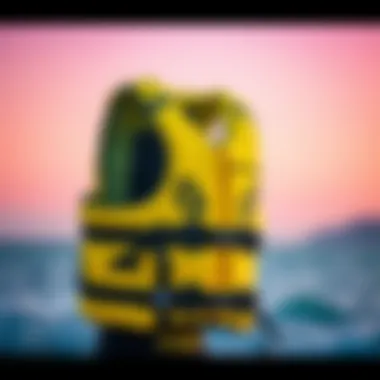
Kiteboarding offers a thrilling blend of surf, wind, and skill, but it comes with its own set of risks as well. As any seasoned kiteboarder knows, understanding safety gear is non-negotiable. One such essential piece of equipment that can make or break your experience is the surf flotation vest. These vests don't just look good; they are designed to save lives. In this article, we'll delve into the importance of flotation vests, highlighting their design, effectiveness, and the safety features that make them indispensable for both budding enthusiasts and seasoned professionals.
Gear Insights
When it comes to kiteboarding, staying informed about gear is crucial. The right flotation vest can enhance your performance while keeping you safe from unexpected mishaps.
Latest Gear Reviews
The market for flotation vests is brimming with options suitable for different styles and skill levels. Each vest offers various features tailored to specific needs. Here are a few standout options:
- Mystic Star Harness Vest: Famed for its lightweight design and robust buoyancy, this vest is perfect for those looking to maintain mobility while riding. Its comfortable fit ensures that it won’t restrict your movement, making it an ideal choice for advanced tricks.
- ION Strike Vest: This vest strikes a balance between performance and buoyancy. It comes equipped with additional padding that protects against impacts, making it suitable for both beginners and advanced riders.
- O'Neill Superlite Vest: Basic doesn't mean boring with this vest. Known for its flexibility and comfort, it's a go-to for newbies needing that extra reassurance as they learn.
Staying abreast of the latest reviews allows kiteboarders to choose the vest that best matches their riding style, skill level, and personal comfort.
Essential Gear for Beginners
For those just starting their journey into the world of kiteboarding, it is paramount to have reliable gear. Here are a few essentials that can help you enjoy the sport safely:
- Flotation Vest: Always a must-have. The buoyancy provided can help keep you afloat should you find yourself in murky waters or face unexpected falls.
- Kiteboard Leash: This integral piece connects your kiteboard to you. Losing your board far from shore can lead to daunting situations.
- Wet Suit: Proper insulation is key, especially in cooler waters. A wet suit will keep you warm while also protecting your skin from the sun and scratches.
By ensuring that novices are well-equipped with the right flotation vests and accessories, the chance of accidents decreases substantially.
Techniques and Tips
Being equipped is just half the battle; understanding how to use your gear enhances your overall kiteboarding experience.
Advanced Tricks and Techniques
As kiteboarding progresses from simple riding to advanced maneuvers, the importance of a flotation vest becomes even more evident. When launching into high jumps or technical moves, the chances of crashing increase dramatically. A well-fitted flotation vest provides not only buoyancy but a layer of protection from potential injuries during such landings.
Safety Practices for Kiteboarders
The adrenaline rush kiteboarding offers can lead to taking risks, but it's vital to remember safety. Here are some practices worth keeping in mind:
- Always Wear Your Vest: This might sound obvious, but many forget in the heat of the moment.
- Choose Safe Locations: Make sure to pick spots that are away from major obstacles and are known to be safe for kiteboarding.
- Understand Weather Conditions: The wind can change in the blink of an eye. Make sure to check forecasts and adjust accordingly.
Safety gear, like the flotation vest, ensures the thrill of kiteboarding doesn't come with unnecessary risks.
By adhering to safety practices and investing in a reliable flotation vest, kiteboarders at any level can enjoy the sport while mitigating potential dangers.
Understanding Surfing Flotation Vests
When entering the world of kiteboarding, one fundamental piece of gear stands out—surfing flotation vests. Their importance can't be overstated as they blend safety with performance, allowing individuals to engage in the sport with greater confidence. Understanding the layers of flotation vests is vital for both novices and seasoned riders because these vests are designed not just for buoyancy, but for enhancing the overall kiteboarding experience.
Definition and Purpose
A surfing flotation vest is engineered to provide buoyancy, thus preventing the wearer from going under when they face unexpected spills or turbulent waters. Unlike traditional life jackets, these vests are tailored for the dynamic motions of water sports and offer more freedom of movement. Their purpose extends beyond just flotation; they can aid in thermoregulation, providing a shield against cold waters, or, more critically, they can support a rider during an emergency situation.
In practical terms, when a kiteboarder falls, the vest helps them to return to the surface quickly, allowing for safer retrieval and a less daunting swim back to the board. Moreover, the vest typically features additional elements like pockets for essentials, reflective strips for visibility, and ergonomic designs that enhance comfort for prolonged wear. These functions collectively contribute toward a more enjoyable kiteboarding experience.
Historical Context in Water Sports
The use of flotation devices in water sports has evolved markedly since the early days. From the rudimentary floatation devices made of wood and cork to modern vests made from high-tech materials, the journey reflects advances in safety awareness and technology. Initially, water sports enthusiasts relied on bulky life jackets that hindered movement. Sailors and surfers often maneuvered in perilous waters with limited protection, leading to a rise in the number of accidents.
However, as kiteboarding gained popularity, the design of flotation vests underwent a transformation aimed specifically at enhancing user experience. The shift from traditional life jackets to the sleeker, more streamlined flotation vests started in the late 20th century. This transition acknowledged the need for agility; riders needed gear that wouldn’t hold them back but still provided adequate safety measures. Nowadays, these vests come equipped with innovative materials like neoprene or PVC, which offer buoyancy while maintaining flexibility and comfort.
In summary, an understanding of surfing flotation vests not only anchors kiteboarders in safety considerations but also connects them to a rich historical evolution that has shaped the sport as we know it. Recognizing these factors fosters informed decision-making and enhances the overall ethos of responsible riding in the kiteboarding community.
Key Features of Flotation Vests
When it comes to kiteboarding, the choice of gear can mean the difference between a thrilling experience and an unnerving one. Flotation vests stand out as essential safety equipment, not only serving as a buoyancy aid but also enhancing overall comfort and performance. In this section, we will break down the key features that make flotation vests indispensable for kiteboarders. Understanding these elements is vital for making informed decisions about what to wear on the water.
Material Composition
The materials used in flotation vests play a significant role in their overall effectiveness and comfort level. Manufacturers commonly utilize materials like neoprene, which offers both flexibility and warmth. Neoprene is a synthetic rubber that keeps you insulated while allowing freedom of movement. Its “give” lets you paddle and maneuver without feeling constricted.
Another important material is closed-cell foam, which helps with buoyancy. This foam absorbs minimal water, keeping the vest light and buoyant. It’s not just about the buoyancy either; durability is key for kiteboarders who regularly face harsh marine environments. A vest made from high-quality materials can withstand the elements and last for numerous seasons.
Example Materials:
- Neoprene: Ideal for warmth and flexibility.
- Polyester: Often used for the outer layer, it's tough and resistant to UV rays.
- Nylon: Lightweight and dries quickly, this can help with comfort.


Design Structure
A well-structured flotation vest enhances functionality while ensuring the user feels comfortable in more dynamic activities like kiteboarding. One crucial aspect of design is the cut of the vest. An ergonomic fit is often the most beneficial; it allows the vest to sit snug against the body while still permitting a full range of motion. This snugness ensures that in the event of a fall, the vest stays in place—unlike ill-fitting options that might ride up or shift.
Many flotation vests contain strategically placed straps and buckles that allow for personalized adjustments, giving riders the ability to customize the fit. Certain designs also feature additional padding in critical areas such as the back or chest for added protection against impacts, which can be exceptionally important for beginners and advanced riders alike.
Buoyancy Mechanics
Buoyancy is the heart of a flotation vest's function. How a vest achieves buoyancy often involves a combination of materials and design. The mechanics are relatively straightforward yet ingeniously effective. The vest is filled with buoyant materials as previously mentioned, but it’s not just about the foam—it also regards how the vest distributes weight across the body.
For instance, vests designed with back floats help keep the body upright in water, reducing the risk of face plants, especially during strong winds or choppy waters. Additionally, some flotation vests come with CE certifications, ensuring that they've met specific standards for buoyancy and safety. This focuses on how much weight the vest can support in water while also considering the wearer's weight, enhancing overall performance.
"A flotation vest can't prevent every mishap in water sports, but it can be your lifeline if things go awry."
Overall, the buoyancy mechanics intertwined with the vest's structure can provide assurance and stability while kiteboarding, allowing riders to focus on enjoying the sport rather than worrying about safety.
In summary, the importance of these key features cannot be overstated. By choosing a flotation vest made from quality materials, boasting thoughtful design elements, and with solid buoyancy mechanics, you set yourself up for a much safer kiting experience. The understanding of these aspects leads to not only better gear choices but also a more enjoyable time on the waves.
Selecting the Right Flotation Vest
Choosing the right flotation vest is critical in kiteboarding, as this decision goes beyond mere aesthetics. A suitable vest not only ensures safety but also contributes to performance and comfort on water. With various styles, fits, and levels of buoyancy, kiteboarders must navigate through different options to find a vest that complements their individual needs and preferences. Let’s break it down into specific elements that can heighten the kiteboarding experience.
Sizing Considerations
One fundamental aspect when selecting a flotation vest is sizing. Vests should fit snugly but still allow for a range of motion. An overly tight vest can restrict movement, making it difficult to maneuver on the board. Conversely, a loose vest may ride up during activities, potentially leading to safety hazards.
- Measuring Yourself: Before purchasing, take precise measurements of your chest and waist. Most brands provide sizing charts to assist customers in identifying the best fit.
- Try Before You Buy: If possible, try different sizes in-store. The way a vest feels while standing still can differ immensely when in action.
A well-fitted vest enhances buoyancy without compromising mobility, allowing kiteboarders to focus on mastering their skills rather than constantly adjusting their gear.
Fit and Comfort
Once the right size is identified, the next consideration is the overall fit and comfort of the vest. Comfort is not merely subjective; it directly affects performance. Kiteboarding can involve long hours on the water, and a vest that doesn’t fit well or is made of uncomfortable materials can be a serious distraction.
- Material: Look for vests crafted from lightweight, flexible materials. Neoprene is often favored, allowing for both warmth and flexibility. Breathable meshes can also be beneficial, especially in warmer climates.
- Straps and Adjustability: A vest with adjustable straps will cater to individual body shapes. For instance, a vest with side or front adjustments allows you to tailor the fit throughout various activities.
Additionally, consider the vest’s ability to wick moisture away from your body. A vest that holds onto water can add unnecessary weight and discomfort.
Style Preferences
While functionality is key, style considerations shouldn’t be overlooked. Flotation vests come in various colors and designs, reflecting individual personalities and styles.
- Color Choices: Bright colors are ideal for visibility, especially in crowded water sports areas. They can help other kiteboarders and boaters spot you more easily.
- Design Options: Some kiteboarders may prefer vests with designs that feature added padding or those that integrate pockets for convenience.
In essence, while selecting a flotation vest, it’s essential to marry performance with personal style. A vest that resonates with your style can bolster your confidence on the water, making the experience all the more enjoyable.
"A flotation vest that fits well and aligns with your personal style can serve as both a lifesaver and a confidence booster during kiteboarding adventures."
Navigating the realm of flotation vests requires thoughtful consideration of size, fit, comfort, and style. By making informed choices in these areas, kiteboarders can significantly enhance their performance while ensuring safety and enjoyment during their water escapades.
Safety Standards and Certifications
The role of safety standards and certifications in the context of surfing flotation vests for kiteboarding cannot be overstated. These regulations and benchmarks not only ensure that vests help keep kiteboarders afloat but also serve as a guiding light for manufacturers and consumers alike. Understanding these standards can greatly influence a kiteboarder's choice of equipment, ultimately affecting safety and performance on the water.
Regulatory Bodies Overview
Various organizations oversee safety standards in personal flotation devices, including surfing flotation vests. Notably, the U.S. Coast Guard has established regulations that are vital for ensuring safety in water sports. They categorize vests based on their intended usage, buoyancy ratings, and additional safety features. There’s also the American Society for Testing and Materials (ASTM), which has set strict protocols that flotation devices must adhere to before they can receive certification.
In Europe, the ISO (International Organization for Standardization) plays a critical role in developing standards applicable to flotation devices. Wind and wave conditions need careful consideration, which these organizations address through comprehensive testing and research. By purchasing vests certified by these bodies, kiteboarders can have peace of mind knowing that their gear meets rigorous safety criteria.
Testing Protocols
Testing protocols for flotation vests involve a series of stringent assessments designed to evaluate their performance under various conditions. Generally, vests must undergo a checklist of evaluations that assess buoyancy, durability, and resistance to wear and tear. For example:
- Buoyancy Testing: Vests are subjected to tests that measure their ability to keep a person afloat under different weights and conditions.
- Durability Tests: This includes exposure to sunlight, saltwater, and stretching, which helps determine the material's longevity.
- Emergency Egress Drills: Vests need to be designed to allow quick and easy removal, ensuring that in an emergency, kiteboarders can free themselves without excessive hassle.
It’s not just about floating; vests must perform reliably to ensure safety in unexpected circumstances. The emphasis on these protocol ensures that vests are more than just colorful pieces of gear.
Common Labeling Practices
When it comes to understanding a flotation vest's safety capabilities, labels play a pivotal role. Several common labeling practices help consumers quickly identify the appropriate vest for their needs:
- USCG Approved: This stamp indicates that the vest meets U.S. Coast Guard standards, ensuring a basic level of safety.
- Buoyancy Rating: Many vests include clear indications of their buoyancy levels, making it easier for users to select vests that suit their weight and water conditions.
- Certification Logos: Recognized symbols or logos from bodies like ASTM or ISO can inform kiteboarders that the vest has undergone rigorous testing.
- User Instructions: Clear instructions on how to properly wear and maintain the vest are often included, emphasizing user responsibility.
"Selecting a flotation vest with the right certifications not only enhances your safety but also instills confidence as you glide across the water."


By focusing on these labeling practices, kiteboarders can make informed choices, providing an extra layer of caution and assurance while enjoying their adventures.
Advantages of Using a Flotation Vest
The significance of surfing flotation vests in kiteboarding cannot be overstated. These vests are more than just safety gear; they provide crucial advantages that can enhance the overall experience of kiteboarding. From unexpected emergencies to ongoing skill development and increased confidence in the water, these vests serve many roles that all kiteboarders, whether novice or expert, should consider.
Emergency Situations
First and foremost, flotation vests are essential for emergency situations. Imagine being out on the water, the wind begins to gust unexpectedly, and your control slips. A flotation vest can offer substantial buoyancy, aiding in keeping your head above water while you regain composure. They act like a life jacket but are designed specifically for the demands of kiteboarding. The additional buoyancy can help prevent panic when you find yourself in a less than ideal scenario. Falling into rough waters or getting separated from your board can turn a fun outing into a potential crisis. The vest assures that even in those unexpected moments, there’s a cushion to help you float safely until you regain your bearings or await assistance. Guides and trainers often emphasize this safety aspect, making it a non-negotiable piece of equipment for anyone serious about the sport.
Skill Development
Flotation vests also play a significant role in skill development. When kiteboarding, the ability to focus on technique rather than survival can accelerate the learning process. Wearing a flotation vest gives beginners peace of mind, allowing them to experiment with maneuvers and techniques without the constant fear of sinking. As they practice and improve their skills, the vest offers physical feedback on their performance, especially when it comes to balance and posture.
Moreover, advanced kiteboarders also benefit. When practicing jumps or complex tricks, a flotation vest can act as a safety net, cushioning falls and providing reassurance as they push their personal boundaries. It’s akin to wearing protective gear during any sport; it allows athletes to test their limits while reducing the consequences of failure. Consequently, progress in the sport can become more substantial and quicker, with kiteboarders challenging themselves more confidently.
Enhanced Confidence
Finally, a flotation vest enhances overall confidence. For kiteboarders, especially those just starting, knowing that they have an additional layer of safety can drastically improve their mental state while on the water. The psychological effect of having buoyancy can turn apprehension into excitement, leading to a more enjoyable experience. The vest becomes a reassurance that helps a kiteboarder feel secure, enabling them to concentrate on their surroundings and the action rather than worrying about potential mishaps.
Challenges and Limitations
While surfing flotation vests serve a paramount role in enhancing safety during kiteboarding, they also present certain challenges and limitations that users should consider. A knowledgeable kiteboarder is one who is aware of both the advantages and potential downsides of their gear. By understanding these challenges, enthusiasts can make informed choices to have an enjoyable and secure experience on the water.
Mobility Issues
One of the primary concerns with flotation vests in kiteboarding is mobility. Though they are designed to keep riders buoyant, the added bulk can sometimes hinder movement. Flotation vests, specifically those that are heavily padded or constructed with inflexible materials, might restrict arm movement essential for steering and balance on the board.
Kiteboarders need to consider the balance between safety and flexibility.
- Look for vests that feature segmentation or articulated designs, which allow for better movement.
- Some manufacturers use lightweight materials that offer buoyancy without compromising agility.
- Conducting a range of motions while trying on vests can be a viable test to determine comfort.
Drifting through the waves might sound idyllic, but feeling constrained by your vest can lead to frustration instead of fun.
Temperature Regulation
Temperature regulation is another notable hurdle that wearers face. Depending on water and air conditions, flotation vests can trap heat against the body, potentially leading to overheating during intense activities. Conversely, in cooler climates, they might not provide enough insulation against cold water temperatures.
This duality means that some riders may favor certain vests over others based on the weather, leading to the need for multiple pieces of gear.
- Layering is key. Consider wearing a snug rash guard underneath for warmth or adaptable layers that can help manage heat.
- There's also the option of vests designed with breathable materials or water-resistant mesh panels that might offer a solution in moderate climates.
Ultimately, every kiteboarder should assess their local weather patterns and plan accordingly to ensure comfort.
Aesthetic Concerns
Let’s face it; aesthetics matter to many kiteboarders. The visual appeal of gear plays a significant role in personal expression and can even influence performance. However, the primary purpose of a flotation vest is safety and functionality, which can conflict with style preferences for some users.
Finding the right blend of looks and utility might require extra shopping efforts. Not all brands provide vests that cater to the adult consumers’ fashion sense, particularly those seeking sleek and streamlined designs.
- Opting for brands known for their style innovation while ensuring they meet safety standards is essential.
- Many companies are now producing vests with customizable options in terms of colors and cuts.
In the end, each rider must balance their safety needs with their desire to look good while riding.
"Beauty is in the eye of the beholder, but safety should always come first."
Considering these challenges and limitations prepares kiteboarders not just for safer adventures, but for more informed and enjoyable experiences overall. It emphasizes that understanding one's equipment can lead to smoother sailing—or in this case, flying—through the winds.
Best Practices for Wearing a Flotation Vest
Wearing a flotation vest correctly can mean the difference between a fun day on the water and a potentially dangerous situation. Kiteboarding, with its combination of speed and water, places unique demands on riders. As such, it's imperative to understand best practices when it comes to engaging with flotation vests. Whether you are a seasoned kiteboarder or just starting out, proper wearing techniques enhance your safety and comfort.
Proper Adjustments
When you first don a flotation vest, it might look like a simple piece of gear but getting the fit right requires a delicate balance. Firstly, the vest should sit snugly against your torso—too loose, and it won't provide the necessary buoyancy; too tight, and it can restrict movement, making it feel more like a straightjacket than a safety device.
Consider these key points when adjusting your vest:
- Chest Straps: The straps should be pulled tight enough to prevent slipping but not so tight that you feel constricted.
- Side Velcro: Ensure the sides mirror the snugness of the bryst. This secures the vest firmly and keeps it in place during sudden movements.
- Shoulder Height: The vest should ride high on your chest but should not impede your arm movement. You should be able to lift your arms freely to steer your kite or paddle.
Remember: A properly fit vest is your first line of defense against accidents.
Regular Maintenance
Flotation vests don’t just magically work; they require care to remain effective. Regular maintenance ensures that your safety gear continues to protect you. Here are steps to keep it in tip-top shape:
- Rinsing After Use: Saltwater and chlorine can degrade materials over time. Rinse your vest with fresh water after every session, as it helps prevent wear and tear.
- Inspecting for Damage: Regularly check for any tears, worn-out seams, or detached floats. A small rip can quickly turn into a big problem on the water.
- Storage Considerations: It's not just about the sessions; where you keep your vest makes a difference. Store it in a cool, dry place away from direct sunlight. This can prolong its lifespan.


Storage Tips
When your flotation vest is not in use, how you store it can impact its longevity and performance. Simple practices can go a long way:
- Avoid Folding: Instead of folding, hang your vest up to avoid creases that can compromise its buoyancy.
- Use a Bag: Consider putting it inside a breathable mesh bag to keep dust and pests away while allowing airflow.
- Check Occasionally: Even when it’s stored, do periodic checks to ensure it remains in good shape and is ready for your next adventure.
In summary, the best practices for wearing a flotation vest encompass proper adjustments, routine maintenance, and thoughtful storage. By adhering to these techniques, you are not only ensuring your safety but also enhancing your overall kiteboarding experience. Equip yourself with knowledge as you glide through the waves—you'll be glad you did.
Brands and Market Trends
Understanding the brands and market trends related to surfing flotation vests is crucial for those engaged in kiteboarding. This section sheds light on what makes these products essential and how they are evolving with new demands from the kiteboarding community. The landscape of flotation vests reflects not only technological advances but also changing preferences and safety standards among users.
The help from leading brands in crafting effective flotation vests ensures that safety remains paramount. Enthusiasts have come to rely on the reputation and reliability that these manufacturers provide. Therefore, knowing who leads the pack in this field is important for anyone contemplating a new purchase.
The following highlights the aspects you should consider:
- Safety Features: Established manufacturers are known to incorporate advanced protective measures, ensuring both buoyancy and security during kiteboarding activities.
- Comfort and Fit: With various body types and preferences in mind, brands are continually refining their designs. A well-fitting vest can make the difference between an enjoyable experience and discomfort during long rides.
- Price vs. Quality: Evaluating the cost against the features offered by different brands can help you make informed choices without overspending.
"Navigating the market for flotation vests can feel like finding a needle in a haystack without knowing where to look."
In today’s highly competitive landscape, savvy consumers can benefit from keeping an eye on market trends. New technologies and materials increasingly influence how flotation vests are constructed, often leading to improved buoyancy without sacrificing mobility. Each year, industry professionals predict shifts in consumer preferences, influencing the direction manufacturers take in creating new products.
Leading Manufacturers
When it comes to selecting the ideal flotation vest, familiarity with leading brands can offer insight into quality and performance. Manufacturers like Mystic, Liquid Force, and Prolimit stand out in the kiteboarding scene. They are known for their innovative designs shortly, each emphasizing vital aspects from durability to buoyancy.
- Mystic: This brand often emphasizes high performance in their products, boasting designs that cater to serious kiteboarders looking for both style and functionality.
- Liquid Force: Known for their user-friendly approach, they produce vests that appeal to both beginners and seasoned riders seeking comfort without compromising on safety.
- Prolimit: They focus on utilizing eco-friendly materials while ensuring that safety is not overlooked. They offer products that seem to balance functionality with environmental responsibility.
These manufacturers have established reputations offering a competitive edge in the market. Their commitment to safety and innovation awards kiteboarders increased confidence when hitting the water.
Emerging Innovations
Keeping abreast of emerging innovations is also key to grasping the future trajectory of flotation vests in kiteboarding. Advancements in materials and designs have created more versatile products. Here are some noteworthy trends:
- Smart Technology Integration: Some flotation vests are now being integrated with GPS and other tracking technologies. This can be extremely valuable for kiteboarders venturing into more remote areas for safety reasons.
- Lightweight Materials: Innovations in lightweight, high-strength composites are enhancing comfort without sacrificing performance. Vests made from these materials can be less cumbersome and thus allow greater freedom of movement.
- Customization Options: More brands now offer vests that can be tailored to individual preferences, giving users the ability to select colors, fit, and several functional attributes. This personalization adds a unique flair to standard safety gear.
These innovations signal a bright future for kiteboarding flotation vests, reflecting an industry that prioritizes safety while embracing creativity and adaptability to meet the evolving demands of its users.
Global Perspectives on Flotation Vests
Understanding flotation vests in the context of kiteboarding reveals not just their practical usage but also local customs and regulations that shape their design and usage worldwide. The combination of safety and cultural acceptance is paramount, as it dictates how and where one might wear these vests. Exploring global perspectives on flotation vests offers valuable insights into the diverse needs of kiteboarders around the globe, enhancing both their performance and safety during this exhilarating sport.
Cultural Variations
Around the world, kiteboarding isn't just seen as a sport; it's a way of life for many. In places like Tarifa, Spain, and Cape Town, South Africa, kiteboarding attracts a vibrant community of enthusiasts and professionals. In these areas, the importance of wearing flotation vests has been ingrained into the local culture. For instance, in these hotspots, it’s common to see novices and experts alike donning bright vests, symbolizing not only safety but also group identity among kiteboarders.
In contrast, regions with less exposure to water sports, such as certain landlocked countries, may not highlight the necessity of such vests. Kiteboarding may still be growing in recognition, and many participants might rely solely on generic equipment that doesn’t meet specific water safety standards. This could lead to a dangerous lack of awareness regarding the critical role flotation vests play in preventing accidents, especially for learners who might underestimate the risks involved.
Cultural influences affect the designs too. In Australia, for instance, vests often feature bright colors and sun protection materials, promoting visibility and safety in sun-drenched environments. On the other hand, countries with colder climates, like Finland, focus more on thermal insulation, ensuring participants are warm as well as buoyant in chilly waters. Thus, cultural context isn’t merely a backdrop; it shapes how flotation vests are perceived, accepted, and ultimately utilized.
Regional Regulations
The legal landscape regarding flotation vests varies significantly across borders. In some countries, regulations are strict, mandating specific buoyancy levels and wear during kiteboarding activities. For example, European nations often adhere to stringent regulations that ensure flotation vests meet certain standards set by regulatory bodies, like the International Organization for Standardization (ISO). Non-compliance can lead to penalties, highlighting the vest’s integral role in public safety.
Conversely, in regions where kiteboarding is a burgeoning sport, such regulations might be lax or non-existent. Here, the onus may fall squarely on individual kiteboarders to understand and select appropriate vests. Without stringent regulations, the risk of using subpar gear could increase significantly, especially in places where inexperienced riders frequently take to the waves. This gap in regional regulation calls for heightened awareness among kiteboarding communities, prompting a discussion on safety standards that bridge the divide between various countries’ approaches to flotation vest usage.
"Safety should never take a back seat, regardless of where you're riding. Understanding and respecting local regulations can save lives."
In summary, grasping the global perspectives on flotation vests broadens the kiteboarding narrative, emphasizing that these safety garments are not just accessories but symbols of collective responsibility. As these cultural and regulatory contexts continue to evolve, so too will the designs and expectations surrounding flotation vests, shaping the kiteboarding landscape for years to come.
Concluding Remarks on Flotation Vests in Kiteboarding
In the ever-evolving world of kiteboarding, the significance of surfing flotation vests cannot be overstated. They serve not merely as accessories but as fundamental gear that enhances a kiteboarder’s overall experience on the water. As we've explored throughout this article, these vests offer a blend of safety, comfort, and performance, which are quintessential for anyone seeking to navigate the winds and waves with confidence.
The central theme of flotation vests lies in their dual functionality: providing both buoyancy and a layer of protection against potential hazards in the environment. A well-fitted flotation vest not only acts as a life-saving device in critical emergencies but also promotes better posture and stability when kiteboarding. With the right vest, kiteboarders can avoid unnecessary fatigue, allowing them to prolong their time on the water. It’s like having an extra hand while you balance the kite overhead and ride the waves beneath you.
Future Developments
As technology continues to advance, one can expect an array of innovations in flotation vest design. Key areas for future development include the integration of smart technology, such as sensors that monitor a user's vitals or detect environmental conditions, helping to enhance safety measures even further. Imagine a vest that could alert users to changes in water conditions or provide immediate health data in real-time. New materials are also on the horizon, focusing not only on reducing weight but also on improving thermal insulation properties, making vests suitable for varying water temperatures.
Moreover, the eco-conscious movement currently sweeping through many industries may influence future flotation vest production. Companies might prioritize sustainable materials that are both effective and environmentally friendly, ensuring the beauty of our oceans remains intact while keeping safety at the forefront. By prioritizing sustainability, manufacturers can cater to conscientious consumers and potentially reshape market standards.
Final Recommendations
- Try Before You Buy: It's essential to try on different models to find the best fit. A vest should feel snug but not restrictive.
- Look for Certification: Always opt for vests that meet safety standards set by regulatory bodies. This ensures that the product has undergone necessary testing for quality.
- Maintenance Matters: Regularly check the vest for signs of wear and tear. A well-maintained vest will last longer and perform better.
- Stay Informed: Keep abreast of new developments in flotation vest designs and technologies, adapting your gear as the sport evolves.
The right flotation vest can transform a kiteboarding session from a mere pastime to an adventure filled with safety and enjoyment. By focusing on fit, quality, and emerging technologies, kiteboarders can enjoy their thrill while keeping safety a priority. By investing time and thought into selecting the best flotation vest, enthusiasts of all skill levels can ensure that their days on the water remain as exhilarating as they are secure.
"Safety is not just a priority; it's the foundation of a good ride. In the winds and waters, protection should never be an afterthought."
For more insights on diving into the world of kiteboarding gear, check out resources like Wikipedia, and engage with other kiteboarders on platforms like Reddit to stay up-to-date with the latest trends and recommendations.