The Ultimate Guide to Hydrofoiling Boards for Kiteboarding

Intro
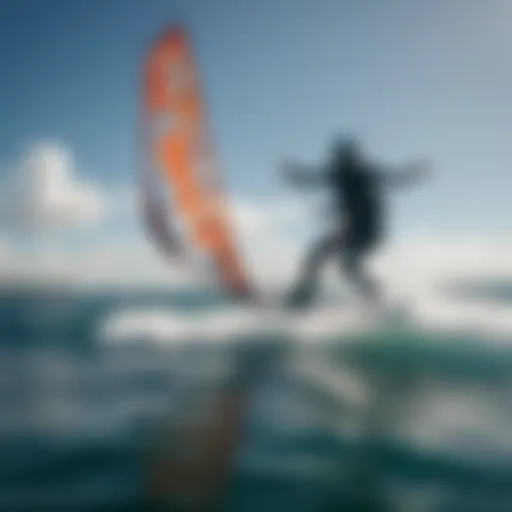
In the thrilling world of kiteboarding, the hydrofoiling board represents a significant leap forward in the sport's evolution. Unlike traditional boards, hydrofoils lift riders above the water surface, enabling an exhilarating ride that many have only dreamt of. It's not just about speed; it's a feeling of flight, gliding gracefully over the waves while feeling more connected to the wind and water.
Understanding the mechanics behind hydrofoiling boards is crucial for anyone eager to take their kiteboarding experience to the next level. This guide unfolds the intricacies of these boards, considering their design elements, versatility, and impact on the kiteboarding community.
As we explore this territory, we will discuss vital gear insights tailored for both novices and seasoned riders, delve into effective techniques, highlight safety practices, and reveal maintenance tips for keeping your hydrofoiling gear in prime condition. Throughout the sections, we will touch upon advancements in technology that could reshape your hydrofoiling adventure and improve your overall performance.
Ready to glide?
Gear Insights
Latest Gear Reviews
Diving into the gear that’s leading the charge in hydrofoiling is essential for every kiteboarding enthusiast. Companies are innovating with new materials and designs to enhance both performance and durability. For instance, the Mast Slope Pro 2023 has been receiving attention for its improved rigidity while being remarkably lightweight. Riders claim that it offers a more stable ride, helping them feel confident even in gusty conditions.
On the other hand, WaveBuster's Hydroflo PRO 4000 board stands out with its advanced flex technology, enabling a seamless transition over choppy waters. Numerous reviews commend its ability to absorb energy from waves, providing a smooth experience. Whether you prioritize agility or stability, these boards cater to a spectrum of riding styles.
Essential Gear for Beginners
For those just dipping their toes into hydrofoiling, the selection of gear can be overwhelming. It's prudent to start with a versatile setup that enables you to learn without the steepest learning curve. Here’s what to consider:
- Hydrofoil Board: Look for a shorter board as it provides better control, perfect for practicing turns and stops. Models like the Entry Level GlideBoard give beginners a great balance while keeping a low profile over water.
- Kite Selection: Opt for a kite that matches your wind conditions, typically a mid-range size between 9m and 12m for beginners. The Breeze Power Kite is notorious for being user-friendly and forgiving.
- Safety Gear: Always wear a helmet and impact vest. A well-fitted floatation vest improves confidence while reducing the risk if you take a tumble.
Investing in quality gear sets the stage for successful progress. The right hydrofoil, kite, and safety equipment can foster comfort and allows for unmatched performance growth.
Techniques and Tips
Advanced Tricks and Techniques
Once you feel confident gliding above the water, there’s a thrilling world of tricks waiting to be mastered. Learning to perform jumps, spins, or even flips can elevate your skills. Begin by mastering basic jumps before working on a kite loop for that exhilarating boost in height.
- Front Loop: It’s all about pulling hard on the backhand and keeping the kite steady while you tuck your knees. As you gain altitude, aim to keep your body compact; think of it like curling into a ball.
- Backside 180: This is where you turn and glide effortlessly to face your previous trajectory. It looks impressive and offers a boost in style when executed correctly.
Safety Practices for Kiteboarders
Kiteboarding can be an adventurous pursuit, but it demands a strong adherence to safety practices. Here’s a short rundown of essential safety tips to keep in mind:
- Always check weather conditions and tide before heading out.
- Maintain a safe distance from other kiteboarders, swimmers, and obstacles.
- Familiarize yourself with your kite’s safety release mechanism; knowing how to act swiftly can prevent accidents.
- Take a buddy system approach by always kiteboarding with a friend; it provides added safety and an enjoyable experience.
Understanding these guidelines not only enhances your safety but also increases your overall enjoyment in the water.
Preamble to Hydrofoiling Boards
Hydrofoiling boards have become a pivotal element in the world of water sports, specifically in kiteboarding. They not only enhance the thrill of riding but also open up a new realm of possibilities for enthusiasts seeking a unique experience on the water. Understanding hydrofoiling boards is crucial for anyone looking to elevate their kiteboarding skills and tap into this exciting trend. These boards owe their functionality to an ingenious engineering concept that lifts the board above the water’s surface, drastically reducing drag and allowing for speeds and maneuvers that were previously unattainable.
In this guide, we will explore the nuances of hydrofoiling boards, discussing their design elements, types, techniques for effective use, and essential safety tips. Delving into the practicalities, we will uncover how these boards work, the materials used in their construction, and the various types available to suit different riding styles.
Understanding Hydrofoiling
At its core, hydrofoiling can be described as a technique that allows a board to rise above water, providing a smooth and fast ride. The key to this phenomenon lies in the hydrofoil itself, which comprises a wing-like structure attached to a mast. As a rider accelerates, water flows over the wing, generating lift that elevates the board above the water’s surface. This not only minimizes water resistance but also enables a sensation akin to flying above the waves.
Moreover, hydrofoiling boards are designed to offer a different riding experience. They can catch wind differently and provide a seamless glide, transforming the way riders engage with waves. Riders often report a newfound freedom, as the gliding action allows for cruising over choppy water with ease. This enhanced performance is particularly appealing to kiteboarders looking for a competitive edge or simply a novel way to enjoy their time on the water.
History and Evolution of Hydrofoiling
The origins of hydrofoiling date back to the late 19th century, when it was first conceptualized in various forms. Notably, the American inventor, Alexander Graham Bell, experimented with hydrofoils in 1919. However, it wasn’t until the 1960s that hydrofoiling gained traction as a practical means of water transportation and sports. Early models were primarily used for racing, showcasing the potential for speed and performance.
As technology progressed, the design of hydrofoils evolved dramatically, leading to more refined and user-friendly boards. The advent of lightweight materials such as carbon fiber and advanced manufacturing techniques allowed for better shapes and sizes tailored for performance. Today’s hydrofoiling boards embody a sleek and efficient design, catering to various skill levels and riding styles.
Today, hydrofoiling continues to grow in popularity, and with it, a vibrant community of enthusiasts has emerged. From recreational riders to competitive athletes, many are drawn to the sport for the unique experience it offers. Understanding this history not only illuminates where hydrofoiling stands today but also hints at the potential advancements that may lie ahead in this ever-evolving sport.
"Hydrofoiling transforms the way we experience the water, granting riders the thrill of flying above its surface."
As we venture further into this guide, we will analyze various design elements that contribute to these boards’ effectiveness and the different types of hydrofoiling boards that suit a multitude of riders. Understanding these aspects is essential for anyone looking to not just ride but thrive on their hydrofoiling journey.
Design Elements of Hydrofoiling Boards
Design elements play a crucial role in determining the performance and pleasure of hydrofoiling boards. Each component affects how the board interacts with water and air. Understanding the design aspects not only helps riders make informed choices but also elevates their overall experience as they glide over the water with grace. From materials to shapes, considering these elements is like painting with a nuanced brush, where every stroke counts.
Materials Used in Construction
When it comes to hydrofoiling boards, the choice of materials is nothing short of pivotal. Riders often seek boards made from lightweight yet sturdy materials such as carbon fiber or fiberglass. These materials not only keep the board's weight down, enhancing maneuverability, but also provide strength to withstand impacts.
- Carbon Fiber: Known for its remarkable strength-to-weight ratio. Carbon fiber allows the creation of thinner, more aerodynamic designs without sacrificing durability.
- Fiberglass: Generally more affordable than carbon fiber, fiberglass offers flexibility and resilience, making it suitable for beginners or recreational riders.
Additionally, the foam used in cores might vary. For instance, polystyrene foam is commonly employed for its buoyancy. Each material choice has implications on how the board feels in the water, affecting speed, responsiveness, and even durability. Ultimately, the construction material can make or break the hydrofoiling experience, emphasizing the significance of thoughtful design.


Hydrofoil Shapes and Sizes
Hydrofoil shapes and sizes are where the art of design meets science. The shape of the hydrofoil itself can significantly affect lift and control during rides. Riders need to consider how the outline and aspect ratios impact their experiences.
- Wings: Wider wings offer more lift at lower speeds, making them ideal for beginners or those looking to cruise smoothly. Narrower wings, on the other hand, provide speed and agility for more advanced maneuvers but require faster speeds to achieve lift.
- Aspect Ratios: A higher aspect ratio means a longer, narrower wing that is optimized for speed. Lower aspect ratios, while providing more stability, typically lead to drag—meaning the trade-off often comes down to preference and intended use.
In conjunction with these considerations, the depth, span, and profiles of hydrofoils also demand attention, as even minor variations can produce significant differences in performance and feel on the water.
Board Dimensions and Specifications
Board dimensions are foundational to achieving the right balance and performance. When selecting a hydrofoiling board, it’s critical to align dimensions with the rider's skill level, weight, and riding style.
- Length: Longer boards tend to provide more stability and surface area for balancing, while shorter boards can allow for quicker, more responsive movements.
- Width: Wider boards provide more stability, especially crucial for those starting with hydrofoiling techniques. Conversely, narrower boards facilitate faster turns but can challenge balance.
- Thickness: This affects buoyancy. A thicker board may provide increased floatation, beneficial for lighter riders, while thinner boards sharpen performance but may limit buoyancy.
It's key to note that specific features like tail shape or rocker can also influence how a board interacts with the water surface—these tiny details add up, creating a dynamic riding experience based on preferences.
The thoughtful selection of materials, shapes, sizes, and dimensions in hydrofoiling boards profoundly impacts everything from ease of use to technical performance. By understanding these elements, riders can make knowledgeable decisions that not just fit their current abilities but also drive progress in their hydrofoiling adventures.
Types of Hydrofoiling Boards
Understanding the types of hydrofoiling boards is crucial for those looking to get into this exhilarating sport. Each category has distinct features and intended uses. Picking the right one can greatly enhance your experience and proficiency on the water. Whether you're aiming to glide gracefully over waves or harness the power of the wind, knowing the specifics can tailor your gear to better suit your ambitions.
Kite Hydrofoils
Kite hydrofoils are a specialized breed designed for kiteboarding. These boards have a unique construction to meld seamlessly with the dynamics of kite power. The design typically caters to performance, stability, and responsiveness, making them suitable for various kiteboarding conditions.
When choosing a kite hydrofoil, it’s essential to consider:
- Size of the Foil: Larger foils provide increased lift, perfect for beginners or light wind days, while smaller foils allow for greater agility and speed for experienced riders.
- Material and Build Quality: The materials, whether carbon fiber or aluminum, impact not only the board’s weight but also its durability. A lighter board can significantly enhance performance.
- Weight Distribution: Balance is key; a good kite hydrofoil should distribute weight evenly for optimal control.
Kite hydrofoils allow users to experience thrilling jumps and slick transitions, thereby enhancing the overall kiteboarding experience. They thrive in flat water and are well-suited for speed runs and dynamic maneuvers.
Surf Hydrofoils
Surf hydrofoils, on the other hand, are tailored for wave riding. The boards are designed to harness the energy of ocean swells, giving riders the unique experience of riding above the water’s surface rather than just on it. This can lead to smoother rides and the ability to surf breaking waves without the turbulence typically felt with traditional surfboards.
Factors to consider with surf hydrofoils include:
- Foil Shape: Different shapes can affect lift and drag. Choosing the right outline can dictate how the board performs in diverse surf conditions.
- Wing Size: Similar to kite foils, the wing size must be chosen based on experience and wave stature. Larger wings tend to be more forgiving in smaller waves.
- Length and Flexibility of the Board: The board’s length can drastically change how it rides in waves. A balance of stiffness and flex allows for both speed and the ability to maneuver in tight turns.
Surf hydrofoiling opens doors to new styles and techniques in wave riding, making it a favorite amongst those who crave innovation in surfing.
Wind Hydrofoils
Wind hydrofoils are designed for windsurfing, allowing enthusiasts to achieve new speeds and experience the sport differently. These boards leverage wind power combined with the foiling element to ride above the water, reducing drag and enhancing speed.
Key components include:
- Fin and Foil Connection: The mechanism linking the foil to the board needs to be robust yet flexible to accommodate different wind conditions.
- Board Volume: Having the right volume affects buoyancy, which can influence how well the board performs when you take off.
- Tail Design: An appropriate tail design enhances the rider’s control, ensuring stability during gusty wind conditions.
Wind hydrofoils encapsulate the spirit of pure windsurfing, elevating the experience to new heights. Riders sought these as not just a means to communicate with wind but also as a method to redefine their relationships with the water.
In summary, each type of hydrofoiling board caters to specific styles of riding and conditions. It's not merely about personal preference; understanding how each type behaves in different environments empowers riders to make informed choices, maximizing their enjoyment and proficiency on the water.
"Choosing the right hydrofoil can transform your experience from good to extraordinary—that's the key to enjoying the waves and the wind fully."
For more information on hydrofoils, check out resources from
Wikipedia on Hydrofoiling
and
Britannica.
Explore discussions among enthusiasts on platforms like
Reddit.
Connect with the community on
Facebook.
Utilizing Hydrofoiling Boards
The practice of using hydrofoiling boards brings a whole new dimension to water sports, particularly for enthusiasts drawn to the thrill of kiteboarding. Not only does this type of board allow riders to skim gently above the water’s surface, but it also introduces opportunities for creativity and skill enhancement. Understanding how to effectively utilize these boards can greatly enhance not only the rider’s performance but also their enjoyment of the sport.
Techniques for Starting
Starting on a hydrofoiling board can feel akin to learning to ride a bike. Initial moments are often wobbly, yet once a rider finds their rhythm, the experience transforms into something exhilarating. Here are key tips for getting started:
- Positioning: Start in a comfortable stance, knees slightly bent, with feet securely strapped in. Centering your weight over the board is crucial.
- Pop Up: As you begin to gain speed, stand up slowly while gradually shifting weight back. This will help generate lift under the foil.
- Let the Board Rise: The moment the board begins to lift, lean slightly forward to maintain balance. It's essential to keep your body as aligned as possible, avoiding unnecessary swaying.
By focusing on these initial techniques, new riders can progressively build confidence with each outing.
Maintaining Balance and Control
Once a rider has mastered the starting technique, the next challenge involves maintaining balance. Due to the unique dynamics of hydrofoiling, controlling the board demands a bit of finesse:
- Core Engagement: The stronger your core, the better you can control your movements. Engaging your abdominal muscles helps stabilize your body.
- Handle Control: Hold the kite control lines firmly, using subtle adjustments to keep the kite flying steadily overhead. This will directly influence your ascent and descent.
- Foot Pressure: Adjusting where you apply pressure with your feet can drastically affect your balance. Experiment with shifting your weight slightly forward or back to find what feels right for you.

Such balance techniques, when practiced consistently, can lead to an intuitive feel for how to ride smoothly and swiftly.
Advanced Maneuvers and Techniques
For those who have a firm grasp on the basics, the real fun begins with exploring advanced maneuvers. These not only showcase skill but also open up a cornucopia of exciting possibilities on the water.
- Turns: Understanding how to carve and turn with precision can take your riding up a notch. Shift your weight smoothly from one foot to the other and use your hips to initiate the turn.
- Transitions: Moving from heel to toe-side can feel awkward at first. Approach transitions with a moderate speed, balance your weight equally on both feet, and remain focused on your line of sight.
- Jumping: Perfecting jumps involves timing and energy. Prepare by bending your knees, then compressing and extending your legs to generate the necessary lift. Maintain control by keeping your body compact.
Practice makes perfect! Never hesitate to fall; each tumble brings you closer to mastering your maneuvers.
Exploring these advanced techniques not only elevates your skills but also fosters camaraderie among fellow riders, as you can share tips and celebrate each other’s progress.
Utilizing hydrofoiling boards effectively can turn every outing into an unforgettable adventure on the water. Whether you are learning the ropes of starting or aiming to perfect that big jump, the journey is as rewarding as the destination.
Safety Considerations
When it comes to hydrofoiling, understanding safety considerations is paramount. Engaging in this exhilarating activity demands not just skills and equipment knowledge, but also an awareness of potential risks associated with it. Safe practices can reduce the likelihood of accidents and enhance the overall experience on the water. Kiteboarders need to recognize the importance of maintaining personal safety and ensuring their equipment is in tip-top shape. Ignoring these safety measures can turn an exciting day out into a story of mishaps.
Preventative Measures
Taking preventative measures is the cornerstone of having a safe and enjoyable time while hydrofoiling. To start with, wearing appropriate personal protective equipment (PPE) is non-negotiable. Here are a few critical items every hydrofoiler should consider:
- Helmet: Protects against head injuries from falls or collisions.
- Impact Vest: Cushions the body during unexpected crashes into the water or board.
- Wetsuit: Keeps you warm and adds a layer of protection from the elements and any hazardous water conditions.
Moreover, ensuring your gear is well-maintained cannot be overlooked. Regularly inspect your hydrofoil board and kite for wear and tear. Checking for loose screws or frayed lines could mean the difference between a smooth ride and an emergency. Before hitting the water, conduct a thorough pre-flight check, which should include verifying that your harness is securely fastened.
Lastly, it’s essential to stay aware of your surroundings. Knowledge of local weather conditions and water obstacles can prevent several accidents. Always communicate with fellow kiteboarders and keep a lookout for swimmers or other surfers. Practicing these preventative measures will build a solid foundation for a safe hydrofoiling experience.
Understanding Risks
Adventuring onto the water, particularly in hydrofoiling, comes with inherent risks that every enthusiast must comprehend. Slipping or falling from the board can lead to serious injuries, especially if not wearing the right protection. A board flying into the water can sometimes catch someone off guard and cause injury.
Another significant risk comes from environmental conditions, like strong winds and currents, which can drastically affect your control over the hydrofoil. Sudden changes in wind speed not only disrupt balance but can also propel the board unexpectedly.
Additionally, the underwater landscape presents a hidden danger. Shallow waters or rocks can pose threats that leading to serious consequences if one doesn’t keep their eyes peeled.
"An ounce of prevention is worth a pound of cure." - Benjamin Franklin
The takeaway here is that understanding these risks empowers kiteboarders to make informed decisions. They can choose safe locations, suitable conditions, and the right equipment to minimize their exposure to harm. Most importantly, being educated leads to a more enjoyable and fulfilling experience out on the water.
By taking the time to address safety considerations thoroughly, you not only keep yourself secure but also elevate the overall culture of hydrofoiling, promoting a safer environment for everyone involved.
Maintenance of Hydrofoiling Boards
Maintaining your hydrofoiling board is crucial for ensuring a smooth, safe, and enjoyable riding experience. Just like any other equipment used in extreme sports, hydrofoils require regular attention and care to keep them in tip-top shape. Whether you are a casual weekend rider or a dedicated enthusiast, understanding how to properly maintain your board will not only prolong its lifespan but also maximize its performance on the water.
Cleaning and Care Tips
Proper cleaning after each use is one of the most important aspects of maintaining your hydrofoiling board. Saltwater, dirt, and debris can accumulate quickly and significantly affect performance if not dealt with.
Here are some handy tips for cleaning and caring for your board:
- Rinse with Freshwater: After every session, hose down your board and especially the foil with fresh water. This helps to remove salt and prevents corrosion, particularly on metallic components.
- Use a Soft Cloth: Gently wipe down all surfaces using a non-abrasive cloth. Make sure to target any areas with buildup or stubborn spots.
- Inspect for Damage: While cleaning, look for any signs of wear, such as scratches or dings that could lead to bigger issues later on. Early detection can save you headaches and costs.
- Dry Thoroughly: Before storing, make sure your board is completely dry to prevent mold and mildew from developing.
- Store Carefully: Keeping your board in a cool, dry place away from direct sunlight will help maintain the integrity of the materials.
"Good maintenance makes a great ride. Treat your board right, and it will treat you right back!"
Repairs and Modifications
Even with diligent care, wear and tear are inevitable. Understanding how to perform repairs and make modifications can enhance your hydrofoiling experience. Learning a few basic repair techniques can make a significant difference in terms of performance and safety.
Common repairs and modifications include:
- Fixing Dings and Scrapes: If your board gets dinged, use epoxy resin or appropriate sealants to fill in small gaps. Follow specific instructions for best results, as some materials require different curing times.
- Foil Adjustments: Sometimes, adjusting the angle or position of your hydrofoil can drastically improve handling. Tweaking these settings might take some trial and error, but it's worth it for those who seek to optimize performance.
- Updating Components: Consider upgrading specific components such as fins or the board itself. Advancements in materials and designs could provide enhanced stability or speed, giving you an edge during your kiteboarding sessions.
- Routine Checks: Regularly check any screws and connections. A tight fit can make the difference between a safe outing and an unfortunate accident.
Maintaining your hydrofoiling board isn’t just about functionality; it’s about preserving the spirit of adventure it brings. With proper care, your board can accompany you on countless adventures and help you create unforgettable memories.
Technological Advancements in Hydrofoiling
In the evolving world of hydrofoiling, technology plays a crucial role in enhancing both performance and enjoyment. The advancements in design and engineering bring about boards that not only glide seamlessly over water but also offer greater stability and maneuverability. These innovations cater to everyone from novices to seasoned pros, ensuring a more accessible experience while pushing the boundaries of what’s possible in the sport.
Emerging Trends in Design
Design trends are shifting towards lighter, more durable materials that contribute significantly to performance improvements. Carbon fiber, for instance, has been a game-changer. Its lightweight and robust qualities enable boards to be both responsive and resilient, allowing riders to tackle stronger winds and rougher waters without sacrificing control.
Another popular trend is the focus on hydrodynamics. Boards are being crafted with tapered edges and unique wing shapes that reduce drag and optimize lift as they slice through the water. Riders have reported that these design changes enhance their overall speed and maneuverability while providing a more thrilling experience.
Moreover, sustainability has entered the chat. Companies are now researching eco-friendly materials as they become aware of their environmental footprint. Biodegradable foams and recyclable composites are becoming more common. This not only helps to lessen the impact on the planet but also appeals to eco-conscious consumers.
Smart Boards and Connectivity Features
The thrill of hydrofoiling is becoming increasingly integrated with technology. Smart boards are at the forefront of this movement, functioning not just as a recreational tool but also as a piece of advanced tech. These boards host built-in sensors that track speed, distance, and even battery life for electric hydrofoils. This data can be synced to smartphones, allowing riders to keep an eye on their performance metrics in real-time.
The connectivity extends even further with the capability of using GPS systems which provide route mapping and performance analytics. Riders can challenge themselves by setting new personal records, comparing stats with friends, or participating in virtual competitions, elevating the experience to new heights.
"The combination of tech and wind in your hair is the perfect blend of exhilaration and precision, a whole new world within the hydrofoiling realm."
These features also contribute to safety. Advanced tracking systems can alert beginners if conditions change or if they venture too far from designated areas. Integrating technology into hydrofoiling doesn't just lead to enhanced fun; it also makes the sport accessible, appealing, and safer for various levels of experience.
In summary, as technology continues to evolve, it not only enhances the physical aspect of hydrofoiling but also enriches the overall experience. Innovations promise to keep the sport dynamic and constantly pushing forward, suggesting that the future will reveal even more thrilling possibilities.
Hydrofoiling Locations and Conditions
The beauty of hydrofoiling hinges not just on the board but significantly on the environment in which it is used. Ideal locations play a crucial role in enhancing the hydrofoiling experience. The right water conditions can mean the difference between a thrilling ride and a frustrating one. When kiteboarders venture out to soar over bodies of water, understanding the nuances of locations and conditions is key to making the most of their time on the foil.
Ideal Water Conditions for Hydrofoiling
When considering the best spots for hydrofoiling, several factors come into play regarding water conditions. The characteristics that kiteboarders should seek include the following:
- Flat Water: Calm, smooth surfaces offer less resistance and allow riders to lift off the water effortlessly. Choppy conditions can hinder the ride and may lead to a stressful experience, especially for beginners.
- Sufficient Wind: Consistent winds between 10 and 20 knots are generally ideal. Too little wind might prevent the hydrofoil from lifting, whereas excessive winds can be overwhelming for many.
- Minimal Obstacles: Areas free from rocks, debris, and other navigational hazards minimize risks and promote a safer outing. It's always wise to scout the area or consult local charts before hitting the water.
- Appropriate Depth: Look for locations where the water is deep enough to accommodate the foil without risks of touching the bottom or getting stuck. A depth of at least 1.5 meters is often recommended for most foil sizes.
Mastering the art of hydrofoiling requires adapting to these conditions, ensuring safety and enjoyment throughout the ride.
Top Global Destinations
As hydrofoiling gains popularity, spots around the globe are becoming hotspots for enthusiasts. Here are a few notable locations that offer superior conditions for hydrofoiling:
- Lake Tahoe, USA: Known for its clear blue waters and gentle winds, Lake Tahoe provides an excellent backdrop for hydrofoiling. The absence of big waves enables smooth rides, making it a favorite among both beginners and seasoned riders.
- Tarifa, Spain: This region boasts consistent winds year-round, drawing countless kiteboarders. The diverse water conditions allow foilers to practice and perfect their skills amidst breathtaking landscapes.
- Maui, Hawaii: With its warm waters and reliable trade winds, Maui is a playground for water sports enthusiasts. Hydrofoiling here offers an unforgettable adventure, as riders can glide alongside the stunning shoreline.
- Cape Town, South Africa: Renowned for its perfect conditions for kitesurfing, Cape Town also caters well to hydrofoilers. The flat water lagoons present ample opportunity for practice and enjoyment, including breathtaking views of Table Mountain.
"The location is half the thrill. Getting it right means smoother glides and enjoyable rides."
Choosing the right locations aligned with optimal water conditions lays the groundwork for a successful hydrofoiling experience. With each outing in favorable settings, kiteboarders can enhance their skills and deepen their love for the sport.
Community and Culture of Hydrofoiling
The realm of hydrofoiling extends well beyond the mechanics of the boards and techniques of riding. At its heart lies a vibrant community, rich in culture and camaraderie. Understanding the community and culture of hydrofoiling is essential, not just for enthusiasts, but for anyone looking to truly immerse themselves in the sport. The bonds formed within this circle add a layer of enjoyment that enhances the overall experience and brings together people from diverse backgrounds.
Engaging with this community fosters a sense of belonging among enthusiasts. Whether it’s sharing tips about the best local spots or exchanging experiences from different events, the connections can enrich one’s skills and passion for hydrofoiling. The communal exchange of knowledge is priceless, as seasoned riders often have valuable insights that can drastically improve a newcomer’s learning curve. Group outings and fun meets often spurred by local clubs create opportunities for friendship and collaboration, allowing individuals to learn from each other.
Moreover, participating in a community keeps the spirit of the sport alive and evolving. Members contribute to discussions on forums such as reddit.com/r/hydrofoiling, sharing their adventures and innovations or simply seeking advice from peers. With more enthusiasts entering the game, the culture thrives on new ideas, with seasoned riders encouraging innovation and creativity in technique and gear.
"The community is essential in hydrofoiling; it turns individual experiences into collective joy and learning."
Connecting with Other Enthusiasts
Connecting with fellow hydrofoiling enthusiasts is not simply about networking; it's about building friendships founded on shared interests. Many riders find that local meetups or workshops provide a casual environment to discuss everything from gear to the best techniques. Riding sessions often lead to spontaneous gatherings where riders compare experiences and learn new tricks from each other on the water.
Community platforms like Facebook groups provide spaces for discussion and camaraderie. Participants share photos, tales of their most thrilling rides and even advice on how to handle particularly tricky conditions. These connections reinforce the idea that hydrofoiling isn’t just a solo adventure; it’s a collective journey where each member contributes to the fabric of the community.
Some suggestions for connecting with others include:
- Join Local Clubs: Many cities have clubs dedicated to hydrofoiling. These clubs often organize regular meetups, races, and skill-sharing sessions.
- Attend Workshops: These events usually cater to different skill levels, inviting individuals to hone their riding while meeting like-minded people.
- Explore Online Forums: Engaging in discussions on platforms like Reddit or dedicated hydrofoiling forums can help you meet new enthusiasts.
Participation in Events and Competitions
Events and competitions form the backbone of the hydrofoiling culture, driving innovation while also celebrating shared passions. These competitions can range from friendly local gatherings to international challenges, each providing unique opportunities for riders to showcase their skills and learn from others.
Taking part in these events fosters a competitive spirit, motivating riders to push their limits. Not only do participants gain experience, but they also get to witness the high level of talent within the community. Events are often filled with spectators, creating a lively atmosphere that brings together enthusiasts and families, allowing even beginners to feel included in the excitement.
Additionally, sharing the thrill of competition contributes to the sense of community. Riders bond over their experiences, irrespective of their finishing positions. They discuss their thrill and techniques, and often encourage one another, ensuring that the event is more than just competition but also a celebration of hydrofoiling culture as a whole.
Some notable events to look into include:
- The Hydrofoil World Tour: An exciting series attracting top riders globally.
- Local Regattas: Often organized by local clubs, providing a casual competitive environment.
- Workshops and Clinics: Frequently held alongside competitions, where more experienced riders can provide mentorship to those looking to improve.
Participating in or even attending these events is an enriching experience. It aligns perfectly with the hydrofoiling mantra of growth through community engagement, pushing the sport and its culture forward.
Ending and Future of Hydrofoiling Boards
As the sun sets over the horizon, casting its golden hues on the glimmering water, the allure of hydrofoiling boards beckons adventure seekers and enthusiasts alike. This final section of our guide encapsulates the importance of understanding how far hydrofoiling has come and what the future holds for this captivating sport. Through the exploration of design innovations, technique advancements, and a dedicated community, kiteboarding on hydrofoils will continue to climb new heights, quite literally.
It's essential to recognize that the conclusions drawn from this guide not only reinforce the merits of hydrofoiling but also shine light on the craftsmanship involved in its evolution. Enthusiasts who engage with the information presented here gain insight into the practical aspects — from the techniques that redefine user experience to the maintenance that prolongs the life of these boards. Furthermore, identifying the unique nuances of hydrofoiling will profoundly enhance one's skills and enjoyment, transforming the time spent on water into something profound.
"Hydrofoiling is not just about riding a board; it's about mastering the elements, connecting with nature, and pushing the boundaries of what is possible."
Summarizing Key Insights
In reviewing the essential insights of hydrofoiling boards, several key components stand out.
- Design & Functionality: The synthesis of materials and shapes has revolutionized how boards interact with water. From lightweight constructions to carefully crafted foils, innovation is at the heart of performance.
- Techniques for Riders: Understanding both foundational and advanced techniques empowers riders to harness the potential of hydrofoiling effectively. Mixing balance, control, and technique transfers the experience from simple recreation to an exhilarating art form.
- Safety as Priority: Hydrofoiling may have its thrills but keeping safety at the forefront throughout each ride can't be overlooked. Knowledge of preventive measures can significantly reduce risks, ensuring a more enjoyable experience.
- Maintenance Matters: Regular care of boards enhances performance and longevity. Realizing that upkeep is part of the adventure encourages riders to foster a deeper connection with their equipment.
Looking Ahead to Innovations
The future of hydrofoiling boards looks bright, enriched with opportunities for innovation. Here are some noteworthy directions where the sport is headed:
- Eco-Friendly Materials: With rising environmental consciousness, new boards are increasingly crafted from sustainable materials, minimizing environmental impact without sacrificing quality or performance.
- Smart Enhancements: Integrating technology into hydrofoiling is becoming more common. Features such as GPS tracking, performance analytics, and connectivity with smartphones are on the rise, bringing personalized insights that help individuals improve their skills.
- Customized Designs: Future boards are further moving towards customization, fitting to the personal styles and needs of diverse riders, which makes the experience more tailored and exclusive.
- Expanded Accessibility: Innovations in design and function aim to make hydrofoiling accessible for a broader audience, enabling newcomers to embrace this thrilling experience without the steep learning curve.