Essential Insights for Buying Wing Foils


Intro
Purchasing wing foils can often feel like navigating a maze without a map. For those caught up in kiteboarding or any related water sport, understanding the myriad choices and technologies available is paramount. This guide offers a sweeping view of vital factors to consider before making your decision, from types of wing foils to safety tips and innovations that can elevate your kiteboarding game.
In an industry overflowing with options, distinguishing which features align with individual needs and skills may become overwhelming. Knowing what to look for can make the purchasing process smooth and enjoyable. Here, we aim to dissect the essentials operating within the spectrum of wing foils, helping you identify what’s worth your time and money, and what might be more fluff than substance. As you read through, anticipate a deep dive into not just gear insights, but also the tips and techniques that can enhance your experience on the water.
Understanding Wing Foils
Before diving headfirst into the world of wing foiling, it’s crucial to grasp the fundamentals of what wing foils are and their significance in the realm of water sports. This section seeks to illuminate the importance of understanding wing foils, weaving together the skills necessary to enjoy kiteboarding and other thrilling activities on water.
Definition and Functionality
A wing foil is essentially an apparatus comprising a wing attached to a board raised above the water level by a foil. This ingenious design allows riders to glide smoothly over the water's surface, harnessing the wind's energy with finesse. The main allure of wing foiling lies in the feeling of weightlessness it offers—an exhilarating sensation akin to flying.
There are two fundamental parts to a wing foil setup:
- The Wing: Its primary function is to capture wind and provide lift. Think of it as a kite but different in mobility and handling. Wings come in an array of sizes designed for varying wind conditions and rider preferences.
- The Foil: This underwater component works to lift the board above the water when sufficient speed is achieved, drastically reducing water drag and enabling faster, smoother rides.
How Wing Foils Work
The mechanics of wing foiling are a delightful blend of physics and skill. It all begins when the rider holds the wing using the central handle structure. By adjusting the angle at which the wing faces into the wind—this is where the rider’s finesse comes into play—the rider generates lift.
As the wing captures wind, it pivots through air which then translates down into the foil. Once the board hits an optimal speed, the foil begins to lift the board, providing that buoyant sensation. Riders have to hone their skills to maintain balance while manipulating the angle of their wing, which is pivotal for staying airborne.
Here are a few principles that come into play:
- Angle of Attack: This refers to how the wing is positioned relative to the oncoming wind. A correct angle ensures maximum lift.
- Speed Control: Riders must find a balance. Too slow, and the foil won’t lift; too fast, and they risk losing control.
- Weight Distribution: Shifting weight fore and aft helps control the pitch and banking of the ride.
Understanding the mechanics of how wing foils work not only enhances performance but also promotes safety. Grasping these concepts can mean the difference between a thrilling ride and an unwanted tumble.
"Mastering wing foiling isn't just about technique. It's about understanding the delicate balance of wind and water"
Equipped with knowledge, riders can make informed decisions before purchasing their wing foils, setting the stage for countless unforgettable moments on the water.
The Evolution of Wing Foiling
Wing foiling has emerged as a dynamic and exhilarating water sport, captivating adventurers and enthusiasts alike. Understanding the evolution of wing foiling is crucial for prospective buyers, as it not only sheds light on the journey of this sport but also helps in recognizing the innovations that shape their purchasing choices. This section delves into the past and present of wing foiling, illustrating how shifts in technology and community engagement have influenced the way people approach this increasingly popular activity.
Historical Context
To fully appreciate where wing foiling stands today, we must revisit its roots. The concept of using wings for water sports didn't sprout overnight. It can be traced back to the late 20th century, when early inventors began to experiment with different forms of wind-driven propulsion on water, primarily within the realm of sailing and kitesurfing.
The turn of the millennium saw significant contributions from kiteboarding, where riders paired surfboards with inflatable kites. However, the trajectory truly transformed in a notable leap forward around 2015, when enthusiasts started adopting wing technology. This novel idea revolved around using a handheld inflatable wing to harness the wind while being on, or above, the water.
In these formative years, enthusiasts embraced wing foiling in diverse applications, from recreational use to competitive sports. Many enthusiasts adapted their kiteboards, experimenting with various wing designs. This experimentation was invaluable, spawning countless innovations in design, materials, and performance characteristics. Over time, wing foiling found its niche not merely as an offshoot of kiteboarding but as its distinct discipline with dedicated communities.
Recent Innovations
Recent developments in the wing foiling scene are nothing short of staggering, with leaps in performance, material technology, and accessibility. One remarkable innovation is the lightweight, durable fabric used in modern wing foils. Brands now utilize high-tech materials like ripstop nylon and advanced composites. This progress not only amplifies performance but also addresses durability concerns, ensuring buyers have long-lasting products.
Another focal point has been the advancement of wing design. Newer models feature more efficient shapes and better responsiveness, catering to both beginners and seasoned riders. Added to that, inflatable designs have gained traction, accommodating portability, and making it easier for kiteboarders to travel with their gear.
Moreover, technological integration is reshaping the landscape. Recent prototypes incorporate digital interfaces, providing real-time data on wind speed, performance metrics, and personal stats. As a result, these features have attracted a tech-savvy demographic, enhancing the overall riding experience. Additionally, manufacturers have been developing eco-friendly materials and production techniques, aligning with the growing global consciousness for sustainable practices in recreational sports.
The evolution of wing foiling encapsulates a journey of creative experimentation and technological advancement. From its formative years, where pioneers shaped the initial concept, to the recent innovations that allow for more performance and convenience, understanding this evolution equips buyers with insights into what to look for when making their purchase decisions. It’s not just about buying equipment; it’s about engaging with a rich history and a community that continuously strives towards redefining the water sport experience.
"The ocean stirs the heart, inspires the imagination, and brings eternal joy to the soul." - Wyland
Factors to Consider When Buying Wing Foils
When it comes to purchasing wing foils, understanding the fine details is vital. The world of wing foiling is vast, and selecting the right gear can make or break your experience on the water. Each rider’s journey is unique, influenced by varied skill levels, intended activities, and personal preferences. Thus, carefully evaluating each aspect can lead to greater enjoyment and performance. Below, we delve into the essential factors to keep in mind.
Skill Level and Experience
Your skill level plays a significant role in determining what type of wing foil is right for you. Beginners might want to start with a more forgiving wing foil that offers enhanced stability and ease of use. Look for options designed specifically for learners, often characterized by a larger surface area or a wider wingspan. These features provide better lift and control, helping to build confidence.
As you progress, you will want to consider more advanced wing foils that respond aggressively and offer greater maneuverability. Intermediate and expert riders often look for specific qualities such as reduced weight, enhanced responsiveness, and a narrower profile tailored for speed and tricks. Each stage of learning serves as a stepping stone to refining your preferences and can lead to an informed decision when it comes time to buy.
"Choosing a wing foil that matches your skill ensures you won't feel overwhelmed or underwhelmed, creating a smoother learning curve."
Type of Activity Planned
The type of activity you intend to engage in can drastically influence your wing foil choice. If you’re aiming for leisure rides on calm waters, a larger, more stable wing might suit you best, offering great lift without too much effort. These setups offer a gentle cruising experience and are easy to control, perfect for exploring new locations in a relaxed manner.
On the other hand, if you’re drawn to adrenaline-pumping rides, such as speed runs or jumping, look for wing foils designed for high performance. This would involve choosing options made for more aggressive maneuvers—these typically have a lighter weight and a design optimized for quick turns and high speeds. Notably, the surface area, aspect ratio, and material choice will all play a part in the performance expected from your wing foil.
Personal Preferences and Style
You cannot underestimate the impact of personal preference on your wing foil selection. Riders come with varying styles, which means one size or model does not fit all. Some prefer the versatility of inflatable wing foils, which are easy to transport and store. Others might lean toward rigid wing foils for more direct feedback and performance.
Aesthetic aspects also matter. The color, design, and overall look of your wing foil can affect your enthusiasm on the water. With an array of designs out there, pick one that resonates with your personality, making you more connected to your gear.
Finally, take into account ergonomic factors, like handle placements, weight distribution, and overall comfort. Your interactions with the foil should be seamless, enhancing your experience.
In sum, exploring these factors will equip you to make a better decision when selecting your wing foil. By considering your skill level, activity focus, and personal style, you'll not only buy the right wing foil but enhance every session on the water.
Types of Wing Foils Available
Understanding the various types of wing foils is crucial for prospective purchasers, as each style offers unique benefits and considerations. Picking the right wing foil can influence not only your performance on the water but also how quickly you adapt to the thrilling experience of wing foiling. With options ranging from rigid to inflatable and hybrid designs, it's important to slice through the marketing fluff and focus on what best aligns with your goals and riding style.
Rigid Wing Foils
Rigid wing foils are often the top choice for seasoned riders who value performance and precision. These foils typically boast a stiffer structure, allowing for sharper turns and enhanced responsiveness. The rigidity contributes to stability, especially in strong winds, making them a favored option for advanced users or those ready to push the limits.
Key benefits include:


- Control: Rigid wing foils offer more control during high-speed maneuvers.
- Durability: Generally, these wings are built to withstand harsher conditions.
- Performance: Their design often leads to better lift and faster flying speeds.
However, they can be heavier and more cumbersome to transport, which might not appeal to casual riders or those new to the sport. As such, consider your level of experience and your commitment to mastering wing foiling before jumping into the purchase of a rigid wing foil.
Inflatable Wing Foils
On the flip side, inflatable wing foils are designed with convenience and portability in mind. These models are often lighter and can be packed down easily, making them an attractive option for travelers or those who want to store their gear without taking up too much space. Inflatable wings have gained popularity, especially among beginners, due to their forgiving nature and ease of use.
Benefits of inflatable wing foils encompass:
- Portability: Easily deflatable and packable, these wings fit snugly in your backpack.
- Stability and Safety: The air-filled structure tends to provide a softer landing, reducing the risk of injury during falls.
- User-Friendly: Their control levels are generally accessible for those just starting out in wing foiling.
That said, inflatable models may not perform as well in high winds as their rigid counterparts and could compromise responsiveness during extreme maneuvers. This trade-off is vital to consider based on your personal needs and riding objectives.
Hybrid Wing Foils
Finally, hybrid wing foils bring the best of both worlds, combining elements of both rigid and inflatable designs. This type appeals to riders looking for versatility, capable of handling a range of conditions while also being more portable than rigid options. These models often feature a stiffer leading edge and inflatable struts, giving them some of the stiffness desired for better performance while keeping the advantages of being lightweight.
Advantages include:
- Versatility: Ideal for varying conditions; they adapt well to wind changes.
- Performance and Convenience: Offer a balance between control and ease of transport.
- Stability: Can still be user-friendly for newer riders while providing room to grow.
However, it's essential to note that while they strive to bridge the gap between performance and portability, hybrid wing foils don't always meet the standards set by either rigid or inflatable wings when pushed to their limits. If you find yourself caught between needing a performance wing and convenience, a hybrid might just be the sweet spot.
"Choosing the right wing foil is not just about the features but also about how it aligns with your individual riding experience and future goals."
Understanding the types of wing foils available allows for a more informed decision, tailoring your choice to what fits your capabilities and desires. By considering every nuance of your potential purchase, you'll be setting yourself up for a much more enjoyable time on the water.
Quality and Price Comparison
Understanding quality and price comparison is vital when venturing into the world of wing foils. These components significantly contribute to your overall kiteboarding experience. The interplay between your budget and the quality of the gear can determine not just performance, but also safety and longevity.
When you’re shelling out for a wing foil, it’s not just about choosing the most expensive item on the shelf. Instead, it's essential to evaluate what you get for your money. Higher price points often mean better materials, refined design, and enhanced features, but this isn't a hard and fast rule. Some budget-friendly options could still perform admirably and cater to your needs, particularly for beginners. Thus, knowing how to assess quality alongside price can prevent overspending on redundant features while ensuring you acquire gear that aligns with your experience and aspirations.
- Importance of Quality: Good quality means better materials, which enhances durability and performance. Poor quality components can lead to more frequent replacements and a lackluster experience on the water.
- Financial Considerations: While it may be tempting to go for a low-cost option, weigh the potential for dissatisfaction or the need for replacements against the initial savings.
But then, how do we navigate the murky waters of premium brands versus budget options?
Premium Brands vs. Budget Options
When comparing premium brands to budget options, there are some hard truths worth mulling over. Premium brands like Duotone or Slingshot command higher prices, and for good reason: they invest in quality materials and innovative designs that often result in superior performance on the water. These brands benefit from years of experience, extensive research and development, and endorsements from professional riders. However, not every kiteboarder may need top-of-the-line equipment, especially if you’re just starting out.
On the flip side, budget options can offer bang for your buck. They may not have the same level of brand prestige or the latest technology but can still provide reliable user experiences and serve as excellent entry-level choices.
"The best board is the one that fits your needs and budget; make sure it delivers a suitable experience rather than stress with brand names."
In summary, consider the pros and cons:
- Premium Brands:
- Budget Options:
- Higher quality materials
- Advanced technology
- Better performance
- Typically higher resale value
- Lower initial investment
- Sufficient for beginners
- May require upgrades as you progress
Ultimately, the choice hinges on your personal circumstances, such as how often you plan to wing foil, your skill level, and how much wear and tear you anticipate putting on your equipment.
Value for Money Considerations
When embarking on your wing foil purchase, value for money takes precedence. It’s a measure of how much satisfaction and utility you derive from your investment. First off, consider what you aim to achieve with your wing foiling endeavor. Are you looking for adrenaline-filled sessions or leisurely outings? This drives your need for quality.
It’s also crucial to assess additional costs that accompany your initial purchase. This not only includes accessories like harnesses or protective gear but also potential maintenance and repairs.
- Long-Term Durability: Spending a little more on quality gear might save you cash down the line as it holds up better against the elements.
- Resale Value: Certain brands maintain their value, which can be noteworthy if you decide to upgrade in the future.
- User Reviews: Prioritize customer experiences and feedback as they often provide insights that marketing materials cannot.
Thus, while the price tag is a factor, the true measure of value goes beyond it. It encompasses safety, efficiency, and how well the foil complements your riding style.
Safety Considerations
When it comes to wing foiling, understanding safety considerations is absolutely paramount. These considerations don't just protect you; they enhance your overall riding experience. In the realm of water sports, wind, waves, and boards create a dynamic environment. Ignoring safety could easily lead to mishaps, which is exactly what every rider wants to avoid. Let's look at some vital aspects of safety that every budding wing foiler should keep in mind.
Personal Protective Gear
Investing in proper personal protective gear is like putting on armor before a battle; it’s just common sense. First things first, a good quality helmet should definitely be at the top of your gear list. Helmets designed specifically for water sports can save your noggin from unexpected impacts, be it from a fall or crashing into equipment.
Apart from helmets, other gear like impact vests and knee pads can also be game changers. Impact vests provide buoyancy while cushioning your body from falls. Knee pads act as shock absorbers when landing, reducing the likelihood of injuries.
Here’s a quick list of protective gear you might consider:
- Helmet: Opt for a water-sport specialized version.
- Impact Vest: Look for a snug fit that provides buoyancy.
- Knee and Elbow Pads: For added protection while riding or learning.
- Harness: Proper fit is essential for comfort and control.
- Wetsuit: In colder waters, this not only keeps you warm but also protects your skin.
It's worth noting that the right gear can also enhance your performance. Feeling safe can boost your confidence, enabling you to push boundaries without hesitation.
Environmental Awareness
Environmental consciousness goes hand-in-hand with responsible riding. When you’re out on the water, it becomes vital to understand your impact not just on the immediate surroundings, but the entire ecosystem. Selecting eco-friendly gear, like wings made from sustainable materials, is a step in the right direction.
Being aware of local wildlife and their habitats is another crucial layer of responsibility in enjoying the sport. For example, know the breeding seasons of local birds; you wouldn’t want to disturb them when they’re vulnerable. Likewise, understanding tides, currents, and weather conditions helps you stay safe while also being considerate of others around you.
Here are a few points to ponder upon:
- Respect Local Wildlife: Keep a safe distance and avoid stressing marine life.
- Understand Conditions: Monitor wind patterns, tides, and forecasts to ensure a safe outing.
- Eco-friendly Products: Whenever possible, opt for wings and gear that have minimal environmental impact.
"The ultimate goal of wing foiling should not only be the thrill of the ride but also the preservation of the environment where we play."
By embracing these safety considerations, you pave the way for a rewarding wing foiling experience, where fun and responsibility intertwine seamlessly.
Maintenance Tips for Wing Foils


Maintaining wing foils is crucial for ensuring their longevity and optimal performance. When invested in a wing foil, proper care can significantly enhance your riding experience and minimize potential issues down the line. Ignoring maintenance can lead to diminished performance, increased wear and tear, and ultimately, costly repairs or replacements. This section outlines essential maintenance tips that every kiteboarder should consider.
Proper Storage Techniques
Storing your wing foil correctly makes a world of difference in preserving its integrity. Here are some tips to keep in mind:
- Dry Completely: Always ensure that your wing foil is thoroughly dry before storage. Storing it wet or damp can lead to mold and mildew, which can weaken the materials over time.
- Avoid Direct Sunlight: Prolonged exposure to sunlight can degrade the material of your wing foil. Opt for a cool, shaded area or a storage bag that blocks UV rays.
- Use a Dedicated Bag: Invest in a padded storage bag specifically designed for your wing foil. This will protect it from dings and scratches while keeping it clean.
- Store Flat or Upright: If possible, store the foil flat to prevent any bending. If upright storage is your only option, make sure it’s secure and won’t fall over.
Following these storage techniques can ensure that your wing foil is ready to go when you are. By taking a bit of time to store it right, you can prolong the life and performance of your gear.
Cleaning Procedures
Consistent cleaning of your wing foil not only maintains its appearance but also prevents buildup that can affect performance. Here are effective cleaning procedures:
- Rinse with Fresh Water: After each session, make it a habit to rinse your wing foil with fresh water. Saltwater and sand can cause corrosion and hinder functionality.
- Use Mild Soap: Occasionally, you might want to clean it with a gentle soap solution, particularly if there’s visible grime. Use a soft sponge to avoid scratching the surface while cleaning.
- Dry with a Soft Cloth: When drying your wing, use a soft cloth to gently pat it dry. Avoid using abrasive materials which could harm the fabric.
- Inspect for Damage: As you clean, take a moment to inspect the wing for any signs of damage or wear. Early detection can make a big difference in maintenance efforts later on.
By adopting these cleaning procedures, you're ensuring that your wing foil remains in peak condition for your adventures ahead.
Remember: A little bit of regular maintenance goes a long way in extending the life of your wing foil. It's an investment worth taking care of.
Latest Trends in Wing Foil Technology
As the world of water sports continues to evolve, so does the technology behind wing foils. Staying updated with the latest trends is crucial for kiteboarders, instructors, travellers, adventurers, and hobbyists alike. The advancements not only enhance performance but also ensure safety and comfort while soaring above the waves. This section will explore two significant trends: advancements in material science and the integration with electronics.
Advancements in Material Science
Material science has made a remarkable impact on wing foiling. In the past, traditional materials often limited performance due to weight and durability concerns. Nowadays, manufacturers are turning to cutting-edge materials like carbon fiber and advanced polymers. These materials are lightweight yet incredibly strong, allowing for better lifting ability and responsiveness on the water.
- Strength Without the Weight: Modern composites offer a blend of strength and reduced weight. For example, carbon fiber wings can significantly enhance the efficiency of every maneuver, whether you are gliding or jumping.
- Durability Matters: With the tough marine environment in mind, new fabric coatings provide enhanced UV resistance, minimizing wear and tear. This ensures that your wing foil retains its performance characteristics throughout more sessions on the water.
- Customizable Designs: Some companies are now offering customizable wing foils, tailoring shapes to individual rider preferences. Innovations in 3D printing play a crucial role here, allowing for prototypes that match personal style and performance needs.
The right material can truly transform your riding experience, making it vital to consider when shopping for a wing foil.
"In the realm of wing foiling, the materials used can dictate not only how the foil performs but also its longevity. Thus, informed choices lead to better experiences."
Integration with Electronics
As technology persists in reshaping the way we engage with sports, the integration of electronics into wing foiling is gaining traction. This trend introduces a range of features that can augment the overall experience on the water. Here are some notable elements:
- Performance Tracking: Riders can now access real-time data on speed, distance, and altitude through sensors embedded in the foil or wearable devices. This data not only aids in monitoring performance but also assists in improvement.
- Smart Features: Some wing foils come equipped with smart technology that allows for immediate adjustments. For instance, sensors can detect wind conditions and adjust the wing's angle, optimizing performance without the rider needing to think twice.
- Safety Enhancements: Integrating electronics isn’t just for performance; it's also about safety. GPS-enabled devices can help track location and even notify emergency contacts if an issue arises, especially in remote areas.
Investing in these high-tech features opens up a new realm of possibilities for riders looking to elevate their skills and experiences.
Where to Buy Wing Foils
Finding a wing foil is a journey in itself and can greatly impact your experience in kiteboarding. This section guides you on where to make your purchase, be it online or at local shops. Each avenue has its own benefits and considerations to weigh, ensuring that you choose the purchase method that aligns with your needs and preferences. The right wing foil can enhance your enjoyment and safety on the water.
Online Retail Options
The internet has revolutionized shopping, and wing foils are easily accessible through various online platforms. Purchasing online offers a range of benefits:
- Wider Selection: You can browse an extensive selection of brands, models, and prices.
- Convenience: Shop from the comfort of your home, any time you wish, without the pressure of a salesperson.
- Price Comparisons: Websites allow you to easily compare prices across different stores.
Several reputable websites specializing in water sports gear offer wing foils. For instance, Windward Watersports and KiteWorld not only provide detailed product descriptions but also customer reviews that can inform your decision. Remember to check shipping policies, return policies, and warranty information. It's smart to read reviews before finalizing a purchase, as they provide insights into the customer experience and product quality.
"The most exhilarating feeling of kiteboarding comes from the right equipment, chosen wisely."
However, while shopping online, consider potential drawbacks such as the inability to physically inspect the item before buying. Sizing can also be tricky since most wing foils come with various specifications that may be hard to gauge through a screen.
Local Shops and Specialty Stores
For many, the tactile experience of shopping in person is irreplaceable, particularly when it comes to intricate equipment like wing foils. Local shops and specialty stores can offer distinct advantages:
- Hands-on Inspection: Evaluate the materials and construction quality, which is essential for determining durability and suitability.
- Expert Advice: Staff members are often knowledgeable enthusiasts or experts who can provide tailored recommendations based on your skill level and preferences.
- Community Connections: Being part of a local kiteboarding community can lead to valuable advice and potential networking opportunities for future activities.
Local shops may stock brands like Naish or Duotone, and their staff can guide you through different options, helping you to select a wing foil that caters to your needs. Building trust with a local vendor can also mean better after-sale support, should you have questions or need repairs later.
However, local shops can sometimes have limited stock compared to online retailers, so it’s wise to call ahead and check availability before making the trip.
Each buying route has its pros and cons. Whether you prefer the expediency of online shopping or the personalized service of a local shop, what matters is that you choose a route that feels right for you. Being informed will guide you toward making a choice that fits not only your budget but also your kiteboarding ambitions.
User Reviews and Recommendations
When it comes to purchasing wing foils, user reviews and recommendations hold immense significance. They serve as a guiding light, illuminating the road ahead for both novice and seasoned kiteboarders. In today’s digital landscape, potential buyers are often flooded with options, making it essential to sift through varying perspectives to make informed decisions. User inputs provide a unique insight into the real-world performance of products, unlike polished marketing strategies.
Consumer feedback can spotlight standout attributes that might not be apparent at first glance, such as the durability of materials, ease of use, or performance in different wind conditions. Seeing how a product holds up in practice can influence decisions significantly. Additionally, reviews can reveal consistent issues or praise, indicating whether a particular wing foil consistently meets expectations.
Moreover, considerations about the credibility of the reviewer can greatly affect the weight given to their opinions. For instance, feedback from experienced kiteboarders, who have tested numerous foils, is likely more valuable than that from occasional users. A seasoned enthusiast has a greater capacity to offer a comprehensive evaluation based on comparative experiences.
In a world driven by choices, harnessing knowledge from others can be invaluable as it builds confidence in one's purchase, reducing the risk of an ill-informed decision.
"A smart buyer doesn't just look at the price tag; they look for performance, durability, and the voice of the community."
Analysis of Consumer Feedback
Analyzing consumer feedback begins by exploring various online platforms where users share their thoughts. Websites like Reddit and Facebook groups dedicated to kiteboarding are treasure troves for user experiences. Categories often addressed include:
- Durability: Does the wing hold up against the elements?
- Ease of Use: Is it beginner-friendly or better suited for pros?
- Performance: How does it handle in different conditions?
- Customer Service: What experience has been relayed regarding warranty and support?
People tend to sketch their own narratives around their coexistence with gear, making it easier to gauge which products might fit well with personal styles or intentions. Reader comments sometimes dip into storytelling, sharing how a foil added joy to their journey, or even challenges that were faced, allowing potential buyers to envision their own unique experiences.
Influencer Endorsements
In addition to general consumer feedback, influencer endorsements have become a new paradigm in the purchasing landscape of wing foils. Influencers often curate a specific niche of trust within their follower base, and their recommendations can carry significant weight. However, it’s crucial to approach these endorsements with a discerning eye.
While influencers often showcase the latest gear and gear reviews on their social media platforms or YouTube channels, understanding their credentials is vital. Have they consistently shown expertise in wing foiling? Are they independent of sponsorship or have they been paid to promote certain products? The authenticity of their evaluation can deeply impact purchasing decisions.
Engaging with video content or blog posts where influencers break down features and share their experiences can provide informative insights. They often hit home with specialized topics, such as how a specific wing performs in varied weather conditions or its responsiveness to rider input, thus assisting buyers in their decision-making process.
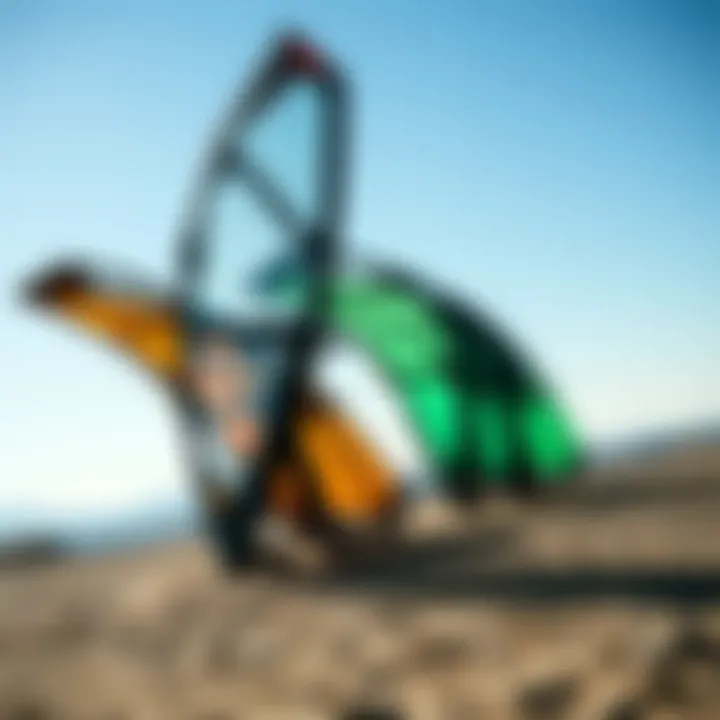
Their active social following also fosters a sense of community, inviting queries and discussions that can further clarify the nuances of wing foil choices, ultimately cultivating a more educated user base. The visual elements in influencer reviews often uplift the appeal, presenting complex ideas concisely.
In summation, both user reviews and influencer feedback are pivotal in the complex journey of wing foil acquisition. They create a more enriched landscape where buyers can seek validated experiences before taking that step into the water.
Negotiate and Decide
Purchasing a wing foil doesn't just end at selecting a model and handing over your credit card. This is a significant investment, one that can influence your overall experience in the water sports arena. Understanding the nuances involved in the negotiation process can save you time and possibly even a few bucks. Here, we’ll unravel the essentials of negotiating and deciding on the best wing foil suited for your needs.
Understanding Pricing Strategies
When it comes to wing foils, not all prices are created equal. Each vendor might set their price based on various factors such as brand reputation, material used, or even the latest technology integrated into the equipment. Here’s a brief look into some pricing strategies you should familiarize yourself with:
- Cost-Plus Pricing: Some shops add a fixed percentage to the cost price to determine the selling price. If you're able to gauge the wholesale price, you might negotiate by referencing competitive offerings.
- Value-Based Pricing: This model considers the value a product gives you. A wing foil that enhances your experience and becomes part of your skill development justifies its higher price. Discuss the features that elevate its value during negotiations.
- Dynamic Pricing: Be cautious of prices that fluctuate based on demand. For example, during high seasons, certain products can see steep price hikes. Knowing when to make your move is crucial.
Understanding these strategies will enable you to approach vendors with knowledge about what constitutes a fair price. Don’t be shy to ask the seller about the criteria under which they have set their prices. You might be surprised at what discounts they might be willing to offer if you inquire.
Making the Final Purchase
Once you’ve done your research, weighed your options, and engaged in meaningful discussions, it’s time to finalize your purchase. Here are a few considerations to mull over before hitting that "confirm" button or signing those papers:
- Assess Additional Costs: Always factor in extra charges such as taxes, shipping fees, or potential import duties if buying online. These can add up quickly.
- Review Return Policies: Sometimes, things don't go as planned, and understanding the seller’s return policy is essential. Ensure that you have the flexibility to return or exchange the wing foil if it does not suit your needs.
- Warranty and Support: Ensure any warranty or post-purchase support the seller offers is up to snuff. Whether it's a simple repair or assistance, knowing you have help can provide peace of mind.
- Document Everything: Once you finalize, keep all your receipts and communication documented. Having these records could prove invaluable if any issues arise later.
By maneuvering through the negotiation process and considering each aspect before finalizing a purchase, you set yourself up for success not just in acquiring a wing foil, but in enhancing your entire kiteboarding journey. As you now enter the world of wing foiling, remember that each decision should reflect your unique style and needs in the vast waters ahead.
"A good deal is not just about price; it's also about value and suitability to your needs."
For more resources and community insights on purchasing wing foils, visit Kite Forum. Dive deeper into the intricacies of pricing strategies and negotiate like a pro!
Integrating Wing Foiling into Kiteboarding
As the wind fills your sail and you glide effortlessly across the water, it becomes clear just how much potential there is in combining wing foiling with traditional kiteboarding. This integration is transforming how water sports enthusiasts approach their time on the waves. Wing foiling, with its unique dynamics and appeal, can enhance the overall experience, but it also brings unique challenges and considerations.
Transitioning from Traditional Kiteboarding
Shifting from traditional kiteboarding to wing foiling is like changing gears in a car; while you're still driving, the experience can feel quite different. With kiteboarding, you're accustomed to managing a kite and balancing on a board, often in more controlled setups. However, wing foiling offers a new kind of freedom.
One of the significant benefits of this transition is the ability to use less wind to get up and ride. In wing foiling, you don’t need the same gusts that a large kite might require. This can be a major advantage for various conditions, particularly those light-wind days when kiteboarding might not be as satisfying.
To transition effectively:
- Understanding the Gear: Familiarize yourself with the equipment required for wing foiling. Unlike traditional kites, wing foils come in different shapes and sizes, allowing for a personalized approach.
- Practicing Balance: Before heading out, consider practicing your balance on land or in a controlled watersport environment, so you can adapt to the way the foil reacts beneath you.
- Wind Awareness: Grasping the nuances of wind direction and how it interacts with your foil will be critical as you make this switch.
Combining Techniques for Enhanced Experience
In merging the art of kiteboarding with wing foiling, you can tap into a wealth of techniques that elevate your experience on the water. At first glance, it might seem like two worlds apart, but they complement each other quite nicely.
One crucial technique worth developing is the pump and ride method, which can directly influence your performance. This involves using your body's weight and the wing's power to create momentum, allowing you to carry speed and grace over the water's surface without constantly relying on wind. It's a dance of sorts, where timing and coordination are key.
Additionally, communication with your fellow riders can significantly improve your session. Getting input from others who have made similar transitions can open doors to new tricks, safety tips, and strategies for tackling challenges you might face. Consider exploring online forums or local meet-ups. Here are a few key points to consider for enhancing your experience:
- Experiment with Mix Techniques: Don't hesitate to meld the tricks and movements from kiteboarding into your wing foiling practice. This blending can improve your agility and response on the water.
- Adapt Your Footwork: As you’re learning, focus on your foot positioning and weight distribution. Many experienced riders emphasize that small adjustments can yield substantial differences when it comes to control.
- Stay Engaged with Community Resources: Join kiteboarding and wing foiling groups for shared learning experiences. Websites like Reddit (reddit.com) can be an excellent source for tips and support from other enthusiasts.
In summary, integrating wing foiling into kiteboarding is a journey that invites innovation, adventure, and growth. By taking time to transition thoughtfully and combine your skills, you can reap the benefits of both sports and ultimately grow as a water sports aficionado. Keep your eyes on the horizon and enjoy the ride ahead.
Community Insights and Learning Resources
In the world of wing foiling, learning and growth are often their own reward. Community insights and learning resources play a pivotal role in shaping the journey of both novice and seasoned kiteboarders. Turning to the community allows individuals to tap into a vast well of experience, tips, and advice that might not be readily available in traditional sources. Engaging with fellow enthusiasts fosters a sense of belonging, encouraging a sharing of knowledge that can expedite the learning process. Whether through forums or educational content, these resources can significantly enhance one’s understanding of wing foiling, making it not just a sport but a passion.
Forums and Online Communities
Diving into online forums and communities can be likened to a treasure hunt. These platforms are replete with insights that can deepen one’s comprehension of wing foiling. Websites like Reddit and dedicated kiteboarding forums serve as hotspots where individuals share their successes, failures, and the myriad of solutions they’ve discovered along the way.
- Shared Experiences: Reading about others' journeys can offer perspective on common challenges, such as wind conditions or equipment maintenance.
- Custom Advice: If you pose a specific question, you may receive tailored advice from seasoned riders who have been in the same boat.
- Networking Opportunities: Connecting with others through these digital spaces can lead to real-world meetups, lessons, or collaborative ventures on the water.
"The community is the backbone of any adventure sport; without it, you're just drifting along," one experienced rider noted.
Moreover, while engaging in these forums, it's crucial to approach advice with a discerning eye. Not every recommendation will suit your particular situation or skill level, so consider seeking multiple viewpoints before making decisions.
Educational Videos and Courses
In our digital age, educational videos and courses form the backbone of effective learning. They provide visual context that can make understanding the mechanics of wing foiling less daunting. Platforms like YouTube host a plethora of instructional videos, where experienced riders break down techniques step-by-step.
- Technique Demonstrations: Watch thorough demonstrations of various maneuvers, which can help you visualize what you’re attempting to replicate.
- Safety Protocols: Many educators focus on the importance of safety measures—watching these will reinforce the correct steps to take before setting sail.
- Courses for Skill Development: Invest in structured courses that promise a comprehensive curriculum, often taught by seasoned professionals. Not only will this give you a solid foundation, it’ll also put you on a fast track to becoming a proficient wing foiler.
Additionally, websites like en.wikipedia.org or britannica.com can be used to gain a fundamental grasp of the theories behind wing foiling. They align historical developments with practical application, giving a larger scale view of how the sport has evolved.
Engaging with both community insights and educational resources refines skills and enriches experiences, ultimately leading to a deeper appreciation for the art of wing foiling. As you navigate through your wing foiling journey, consider establishing a balance between community interaction and formal education to streamline your path to proficiency.
Experiencing Wing Foiling: The Journey Ahead
The journey of exploring wing foiling can be both exhilarating and daunting. It's essential to recognize the value of this segment in the broader narrative of acquiring equipment for such a dynamic water sport. Wing foiling sits at the intersection of various disciplines, offering a unique blend of challenges and rewards. As one ventures into this realm, there are distinct elements to consider that pave the way for a fulfilling experience. Personal goals, preferred locations, and even the weather conditions can dictate how that journey unfolds.
Setting clear personal goals becomes a cornerstone in the experience of wing foiling. Whether one aims to simply float above the water with grace or achieve high-speed maneuvers, defining what success looks like can provide focus. This clarity helps in selecting the right gear, planning training sessions, and ultimately, evaluating progress. For instance, a beginner may focus on mastering balance and controlling the wing, while an experienced rider may target jumping higher or performing tricks. Note that the route traveled often reflects one's ambitions and commitment, yet it is important to remain flexible and adapt to the learning curve.
"Committing to a goal is the first step in transforming the invisible into the visible."
Setting Personal Goals
Setting personal goals is akin to charting a course through uncharted waters. Without direction, one risks drifting aimlessly. Goals help clarify the purpose behind engaging in wing foiling. To get started, consider asking oneself questions like:
- What am I hoping to achieve this season?
- Am I focusing on skills, fitness, or simply enjoying the ocean?
- How much time can I devote to practice?
By reflecting on these questions, it becomes easier to break larger aspirations into manageable milestones. Maybe it’s about planning a trip to a specific location with favorable winds or simply making the commitment to practice at least once a week. Writing down these goals can serve as motivation and remind one of the joyful journey that lies ahead.
Finding Your Ideal Kiteboarding Location
Finding the right location for wing foiling can make or break the experience. Different spots offer unique characteristics, from wind conditions to water temperature and wave size. A suitable site not only impacts learning but also enjoyment. Here are a few factors to think about when selecting a kiteboarding location:
- Wind Consistency: Areas known for steady winds throughout the season are ideal for new learners and experienced riders alike. Check wind statistics before shaping travel plans.
- Water Conditions: Flat water is great when starting out, while choppy waters might challenge more experienced riders looking for the thrill. Each rider might have different preferences here.
- Local Support: Some places are renowned for their kiteboarding communities. This support system can offer insights, advice, and camaraderie to enhance the overall experience.
- Accessibility: Consider how easy it is to reach the location and the infrastructure available, such as safety services, rental shops, and repair facilities.
Researching locations can involve looking at user reviews on platforms like Reddit or forums dedicated to wing foiling enthusiasts. It might also help to connect with local kiteboarders through social media or community events to get firsthand insight on the best spots.
Ultimately, the pursuit of wing foiling is as much about personal growth as it is about the thrill of gliding over water. Defining goals and choosing the right locations can enrich this experience and facilitate a greater enjoyment of this fast-evolving sport. As riders invest in their journey, they welcome both the challenges and the immense rewards that come from mastering the art of wing foiling.