Essential GoPro Setup for Kiteboarding Vlogs
Intro
In the world of kiteboarding, capturing the adrenaline-fueled moments on camera is just as exhilarating as the ride itself. To pull off slick vlogs that convey the thrill of the sport, kiteboarders need more than just a GoPro; they need a thoughtful setup that caters specifically to the challenges and dynamics of kiteboarding. With the right gear, techniques, and storytelling methods, you can transform your footage from ordinary to extraordinary. This guide is designed to help both newbies and seasoned kiteboarders optimize their GoPro vlogging setup for maximum impact.
Gear Insights
Investing in reliable equipment is crucial, especially in a sport as demanding as kiteboarding. The right tools help ensure that your videos not only capture breathtaking moments but also withstand the rigors of the environment.
Latest Gear Reviews
The GoPro Hero 11 Black has made waves this year, boasting improved stabilization and ultra-high-definition video quality. It’s especially advantageous when the wind is howling and you’re trying to capture smooth footage while riding. Another strong contender is the Insta360 ONE X2, which offers 360-degree videography. This camera can really bring a unique perspective to your kiteboarding adventures. However, pairing these cameras with accessories like sturdy mounts, protective housings, and extra batteries is key.
- Stabilization: The HyperSmooth feature in GoPro is quite handy for eliminating shaky footage.
- Waterproof Housing: Although GoPros are waterproof to a degree, investing in specialized housing can offer extra protection.
- Batteries: Kiteboarding trips can last for hours, and capturing all that action means you’ll want plenty of backup batteries.
Essential Gear for Beginners
If you’re new to this sport and documenting your sessions, a solid vlogging setup doesn’t need to break the bank. Here’s what you can focus on initially:
- GoPro Hero 8 Black or Hero 9: They’re more budget-friendly while still delivering great video quality.
- Simple Mounts: A helmet or chest mount is a great entry point, allowing for varied angles without the complexity of a gimbal.
- Editing Software: As vital as the camera itself, software like DaVinci Resolve or even the GoPro Quik app can help edit your footage and create polished content.
Techniques and Tips
Equipping yourself with the right gear is just the beginning. Understanding how to effectively use that equipment can elevate your vlogs from simple clips to captivating stories.
Advanced Tricks and Techniques
Maximizing the GoPro’s capabilities requires a bit of finesse. Here are some techniques to consider:
- Use Manual Settings: Playing around with exposure and shutter speed can yield stunning results, especially with the fast-paced action of kiteboarding.
- Edit for Story: When putting together your footage, think about the narrative. Cut down the dead air and build tension leading up to those high-impact tricks.
- Focus on Angles: Experiment with different filming angles. A side shot of a jump can tell a totally different story than a frontal view.
Safety Practices for Kiteboarders
While pushing the limits is part of the fun, safety should never take a back seat. Here are some pointers:
- Evaluate Conditions: Always check wind speeds and tides before heading out.
- Wear Proper Gear: Invest in protective gear that can help minimize injuries during filming.
- Have a Backup Plan: Always keep safety equipment like life jackets and a first-aid kit on hand.
"Your gear can only get you so far; it's the experience and skill behind it that truly brings your footage to life."
Ending
Crafting the optimal GoPro vlogging setup for kiteboarding is an art as much as it is a science. With the right gear, techniques, and a strong focus on storytelling, you can take your kiteboarding videos to the next level. The combination of high-quality equipment, smart filming strategies, and safety practices creates a solid foundation for producing engaging content that showcases your passion for kiteboarding.
For more resources on kiteboarding and videography, check out Kiteboarding.com or join discussions on platforms like Reddit.
By embracing these insights and tips, you’ll be well-equipped to capture not just the action, but the sheer joy and freedom that kiteboarding brings.
Foreword to GoPro Vlogging
Vlogging has transformed the way enthusiasts share their passions, particularly in the sphere of action sports like kiteboarding. The world of video blogging allows people to chronicle their adventures, create engaging narratives, and perhaps, inspire others to take flight. Kiteboarding enthusiasts, specifically, have an array of breathtaking moments to capture—from soaring over waves to performing aerial tricks—and having a solid GoPro setup is key to immortalizing those experiences.
The Rise of Vlogging in Action Sports
In recent years, vlogging has surged in popularity. The appeal lies in its immediacy and authenticity. Instead of traditional media outlets controlling the narrative, everyday adventurers are showcasing their lives through their own lenses. As kiteboarders traverse the elements, sharing their unique experiences not only builds a community but also paints a stark picture of the sport's thrill and beauty. Vlogs can whisk viewers away to the water, allowing them to feel the wind in their hair and the sun on their skin. Furthermore, vlogging in action sports tends to draw substantial engagement due to its dynamic content amid breathtaking scenery.
Why GoPro Can Be Your Best Companion
When it comes to capturing the high-speed action of kiteboarding, a GoPro is often the first choice. Its compact size and rugged design stand up to the challenges faced on the water. Here are several reasons why GoPro can be considered an indispensable ally:
- Durability: The rugged casing can withstand the harsh elements, from saltwater splashes to sandy beaches.
- Portability: GoPros are lightweight and easy to mount on various surfaces, leaving kiteboarders free to move.
- Quality: High-resolution recording and advanced stabilization features allow for stunning footage that captures every exhilarating moment without the jerkiness often found in handheld shots.
- Versatility: Whether attaching it to a helmet, board, or even a kite, the options for creative angles are virtually limitless.
"With a GoPro by your side, the world becomes your canvas, and every wave is an opportunity to tell your story."
In summary, GoPro vlogging has ushered in a new era for kiteboarding enthusiasts. Understanding its merits allows you to enhance your setup for phenomenal content creation. As we dive deeper into the specifics of equipment and techniques, remember that each moment you capture holds the potential to connect with others who share your passion.
Choosing the Right GoPro Model
Choosing the right GoPro model is crucial for kiteboarding enthusiasts who want to capture their adventures effectively. The right camera can make a world of difference in both video quality and ease of use. With various models on the market, making an informed decision is essential. This section will break down how to evaluate different features so you can pick a GoPro that aligns with your vlogging style and environmental challenges.
Comparing Features Across Models
When looking at various GoPro models, it’s vital to consider several key features that may impact your vlogging experience:
- Resolution: The higher the resolution, the more detail you will capture. Most modern GoPros can shoot at 4K, which is great for kiteboarding as it captures vibrant colors and details in high-definition.
- Stabilization: Kiteboarding can be bumpy business. GoPro’s HyperSmooth stabilization allows for smooth footage, even in rough waters. If you want your content to look professional, this feature is a must.
- Battery Life: While you’re out riding the waves, you don’t want to worry about your camera dying. Different GoPro models come with varying battery life. Models such as the Hero 10 have improved battery efficiency, allowing longer recording times.
- Mounting Options: Consider the versatility of each model in terms of mounting. Some models may have more options for attachments or built-in features for easier mounting on your kite or board.
- Water Resistance: All GoPro cameras are water-resistant to some degree, but not all can handle the same depths. For kiteboarding, you might want a model that's rated for deeper waters to ensure safety and reliability.
By sorting through these features, you can identify which GoPro aligns best with your content aims, especially when tackling aquatic environments.
Determining the Most Suitable Model for Vlogging
After comparing features, the next step is figuring out which model suits your specific vlogging needs best. Here are some tailored considerations:
- Your Skill Level: Beginners might find the GoPro Hero 9 adequate, with its ease of use and intuitive interface, while seasoned pros may opt for the Hero 10 for advanced features that cater to expertise.
- Purpose of Your Vlog: If you're looking for lush, cinematic footage, the Hero 10 offers features that elevate your video quality. Meanwhile, for action-packed, adventure-focused vlogs, the Hero 8 is lightweight and efficient.
- Budget: While GoPros are a worthwhile investment, your budget may dictate choices. Earlier models like the Hero 7 can still deliver satisfying results without breaking the bank, while the Hero 11, being the latest, provides the most cutting-edge technology.
- Portability Needs: Consider where your kiteboarding adventures will take you. If you’re planning travels that require a lightweight setup, selecting a model that’s compact and easy to carry could influence your choice.
Ultimately, the goal is to select a model that complements your style, enables creativity in storytelling, and stands up to the rigors of the kiteboarding environment.
"The right gear doesn't just capture the moment; it enhances your storytelling while you're out there riding the waves."
Essential Accessories for a Comprehensive Setup
When kiteboarding, capturing that perfect shot isn’t just about having a good camera; it’s also about having the right accessories that complement your GoPro. The essentials create a foundation that enhances your vlogging experience and ensures you get the best footage possible. Whether you’re gliding over the waves or catching a jump, every gust of wind can affect the quality of your recording. Investing in the correct accessories can not only improve your video capture but also simplify your overall workflow.
Stabilizers and Gimbals
One of the most crucial aspects of filming while kiteboarding is stability. Choppy water and fast movements can lead to shaky footage, which is not appealing to viewers. This is where stabilizers and gimbals come into play.
A gimbal is a device that uses motors to keep your camera steady, even if you're moving around a lot. Imagine soaring through the air, the wind whipping around you, and your GoPro is still capturing smooth footage. A good choice would be the GoPro Karma Grip; it’s designed to work seamlessly with your GoPro camera, allowing you to maintain that cinematic quality.
Stabilizers, on the other hand, can be used in various setups. So consider an external stabilizer if you plan on doing a lot of complex angles or want a more versatile option. These tools can dramatically enhance your footage, ensuring that your vlogs look more professional without requiring a doctorate in filmmaking.
Mounting Options: Which Works Best for Kiteboarding
To get various perspectives that can engage viewers, the kind of mounts you choose is paramount. Kiteboarding allows for dynamic shots that tell a story, and different mounting options can deliver unique angles.
- Chest Mounts: These offer an up-close view of your actions and can capture your body language as you ride. It also gives a sense of immersion, making viewers feel as though they’re right with you.
- Helmet Mounts: These are ideal for those who want a first-person perspective. It'll catch your expressions and any epic falls you might take.
- Board Mounts: Perfect for an underboard view, this can capture the sea spray and the movement of the kite. You get a visual feast with a unique angle, which can really impress the audience.
Using the GoPro 3-Way can allow you to switch between different mounting options easily. The best setup might require you to trial and error to see what angles capture the best action shots.
Microphones and Audio Enhancements
Nothing beats the sound of rushing water and the rustle of the wind while kiteboarding, but the inbuilt microphones on GoPros sometimes fall short, especially in blustery conditions. Enhancing your audio with external microphones can drastically improve viewer experience.
Using a lavaliere microphone can provide clear audio from someone speaking while the GoPro captures the action. This adds a personal touch and draws the audience deeper into each moment. Moreover, for wind noise reduction, consider investing in a dead cat windscreen that minimizes those undesirable sounds, allowing the action to take center stage. A good balance of audio and visuals can turn a simple slide into a captivating story that resonates with your viewers.
Lighting Solutions for Various Environments
Not every day of kiteboarding will be bright and sunny. In fact, some of the most unforgettable kiteboarding moments occur during sunrise or sunset, where lighting can drastically affect your shots. Here, investing in good lighting solutions can help.
Although GoPros perform well in low light, using portable lights can immensely improve your footage. Consider lightweight LED lights that can add another layer of depth, especially during evening or night-time sessions. Using a GoPro Light Mod can provide supplementary light without adding bulk to your setup.
Also, remember that environmental factors play a huge role. Minimizing shadows and enhancing the natural colors of your surroundings can elevate your footage, making it pop off the screen.
Ultimately, having the right accessories not only contributes to shooting appealing footage but also enhances the entire vlogging experience. It allows kiteboarders to focus on the thrill of the sport while capturing those breathtaking moments effortlessly.
Understanding Camera Settings for Optimal Results
When it comes to vlogging while kiteboarding, the right camera settings can make or break your footage. The dynamic nature of this sport requires flexibility and attention to detail, and recognizing how to navigate through various camera options helps you capture stunning visuals that'll pull viewers right into the action. Understanding these settings gives you greater control over your footage, ensuring that the final product reflects the energy of the moment.
Resolution and Frame Rate Considerations
Selecting the appropriate resolution and frame rate is pivotal for kiteboarding videos. Generally, a higher resolution translates to a clearer image, especially in the fast-paced environment of kiteboarding, where every nuance matters. For instance, shooting in 4K at 60 frames per second (fps) captures more detail and provides smooth motion, which is essential when capturing rapid movements against expansive backdrops.
- Common settings that work well for kiteboarding:
- 4K at 30 fps for a good balance of quality and storage
- 1080p at 60 fps for that smoothness during fast moves
- 2.7K at120 fps if you want to go for slow-motion captures, which can be very visually striking when you want to showcase tricks.
It's crucial to bear in mind that higher resolutions require more storage space. Make sure you have high-capacity SD cards. When filming in environments like the ocean, additional water droplets can obscure footage, making it essential to adjust settings accordingly to ensure clarity.
Aspect Ratio and Field of View
The aspect ratio combined with the field of view impacts how your audience perceives your footage. For kiteboarding, utilizing a wide field of view is often beneficial – it immerses the viewer in the kiteboarding experience, revealing both the splash of the sea and the vast horizon. GoPros usually offer a few options:
- Wide View: Captures more area around you, ideal for documenting breathtaking scenery.
- Linear View: Reduces distortion while keeping a wider visual feel, perfect if you want to focus on the action without the fish-eye effect.
As for the aspect ratio, 16:9 is standard for YouTube, making it suitable for online sharing. However, using a 1:1 ratio can be effective for platforms such as Instagram, where square formats are all the rage. Adjusting these settings can help you tailor content for various sharing platforms, maximizing your audience reach.
Utilizing Protune for Enhanced Control
Protune is a game changer when it comes to controlling the finer details of your footage. This feature allows you to manipulate settings that GoPro's default mode might overlook. For kiteboarders, where light conditions can change rapidly, Protune offers significant advantages. A few benefits include:
- Higher bitrate: This translates to better image quality, particularly in challenging lighting conditions like bright skies or reflections on water.
- Color settings: Adjusting the color profiles can help capture the vibrant shades of the sea and sky more accurately, which is critical in delivering appealing visuals.
- Exposure control: Setting the exposure manually can prevent overexposure, especially under direct sunlight or while jumping high in the air.
To get started with Protune:
- Enable it in your camera settings.
- Experiment with the white balance and color settings depending on the environment.
- Adjust ISO limits based on how well-lit your surroundings are.
By mastering these camera settings, kiteboarders can significantly enhance video quality, making content more engaging for viewers. Stick with it, and you'll find the options that best reflect your unique style.
With these considerations in your toolkit, you'll be all set to capture the thrilling adventures kiteboarding offers, transforming every moment into cinematic storytelling.
Capturing Engaging Content: Techniques and Tips
In the realm of kiteboarding, where the thrill of the blowy wind and the rush of the waves create the perfect backdrop, capturing engaging content becomes not just an art, but a necessity. The unique nature of kiteboarding presents opportunities and challenges that, if navigated correctly, can result in striking visual narratives. Utilizing effective vlogging techniques equips you to reel in your audience and genuinely represent your kiteboarding adventures.
Storytelling Through Cinematic Techniques
Storytelling is at the heart of every great video. It's not enough to simply record the action; you need to weave these moments into a coherent tale that draws viewers in. Utilizing cinematic techniques such as a well-thought-out narrative arc can greatly enhance your footage.
- Setting the Scene: Start your video with establishing shots that set the mood. Show the beautiful beach, the kiteboards lined up, or the wind whipping through the air. A few seconds spent on these visuals can orient viewers to the atmosphere.
- Character Introduction: Feature different kiteboarders. Let their skills and personalities shine through. This can create emotional connections—viewers might relate to a fellow beginner or admire the prowess of an experienced surfer.
- Emotional Peaks: Every story has highs and lows. Use close-up shots of triumphant jumps and breathtaking crashes. This keeps the excitement alive and showcases the realities of the sport. The audience loves both the wins and the bloopers.
- Post-Editing: Cinematic storytelling continues beyond filming. After the action, consider integrating slow-motion captures during key moments, providing viewers the chance to appreciate the skill involved.
"Storytelling is the essence of engagement. It turns ordinary action into memorable experience."
Effective Use of Angles and Perspectives
Angles and perspectives can dramatically influence how your kiteboarding conteúdo is perceived. The viewer's experience can shift depending on whether they are viewing a sweeping landscape or an intimate close-up of a rider.
- Low Angles: Capture the drama of crashing waves as you shoot from a low angle near the water. This technique emphasizes the intensity of kiteboarding and the grandeur of nature.
- Bird's Eye View: Utilize a drone for breathtaking aerial perspectives. This not only showcases the stunning setting but also provides a sense of scale. Seeing a lone kiteboarder slicing through the Pacific can evoke awe.
- GoPro Mounted Perspectives: Attach your camera to your helmet or board. This provides an immersive view of a rider's journey, making the audience feel like they're right there with you, traversing the waters.
- Cuts Between Perspectives: Don't stick to one angle throughout your video. Mix different angles for an engaging flow and a more dynamic viewing experience.
Incorporating Natural Sounds and Narration
Sound often plays a crucial role that visuals sometimes overshadow. While capturing the exhilarating visuals of kiteboarding, don’t forget to pay attention to the accompanying sounds.
- Ambient Sounds: Whether it's the rush of the wind, the splash of the water, or the laughter of your friends, these natural sounds add depth and authenticity. They transport viewers to the moment.
- Narration: Sometimes, words can’t replace visuals. However, think about explaining the gear being used, or narrating a funny incident. You don’t need to sound like a pro; just be authentic. A casual comment about a wipeout or a big jump works well.
- Music Choices: In post-editing, use music that syncs well with the mood you’re establishing. Make sure it doesn’t overshadow the natural sounds of the activity. A catchy tune can amp up excitement, but it shouldn’t drown out the essence of your experience.
By mastering these techniques, each vlog you produce has the potential to not just showcase what you see but to resonate emotionally with your audience. Engaging content leads to community connections, conversations and a shared passion for kiteboarding.
Editing Your Vlog for Maximum Impact
Editing is where your raw kiteboarding footage transforms into a captivating story. The right editing can take a simple ride on the waves and turn it into an exhilarating adventure that pulls viewers in and keeps them glued to the screen. For kiteboarders, this is especially crucial, as the sport is dynamic and fast-paced. The final product not only needs to showcase your skills but also convey the freedom and excitement of the experience. Here’s a breakdown of key aspects of editing your vlog that can maximize its impact.
Choosing the Right Software for Your Needs
The first step in the editing journey involves selecting software that matches your skill level and needs. Several programs cater to different expertise levels, from beginner-friendly options to industry-standard suites. Here are a few to consider:
- iMovie: Great for beginners looking to piece together their footage simply and effectively. It has intuitive features that can assist in getting video clips from A to B without too much hassle.
- Adobe Premiere Pro: A more advanced option, offering a wealth of features that can help create professional-quality videos. This software can be a bit daunting for first-timers, but it’s worth the learning curve if you’re serious about vlogging.
- Final Cut Pro: Another robust choice known for its speed and advanced editing features, perfect for Apple users. The workflow can be extremely efficient, allowing for quick adjustments and enhancements.
Regardless of the software you choose, familiarize yourself with its features. You’ll find that each software has its strengths and weaknesses, so trial and error can be beneficial here.
Basic Editing Techniques to Enhance Footage
Now that you have your software ready, let’s discuss some essential editing techniques that can help elevate your kiteboarding vlogs:
- Cutting for Pace: When you edit, keep in mind the rhythm of your clips. If you have fast action, short cuts can create excitement and energy. Conversely, slower clips might benefit from longer transitions to draw viewers into the moment.
- Color Correction: The natural beauty of kiteboarding areas can sometimes be enhanced by adjusting colors in your footage. You’ll want to ensure that the skies remain vibrant and the water looks inviting. Even small tweaks can make a massive difference in engaging viewers.
- Transitions: Keep these subtle and purposeful. Too many flashy transitions can distract from the action. Smooth fade-ins and fade-outs usually do the trick.
Using these techniques can help your content flow smoothly, keeping the audience interested without overwhelming them.
Incorporating Music and Effects Responsibly
Sound plays a significant role in the overall impact of your vlog. Choosing the right background music can enhance the emotional tone of your video, while overdoing it with sound effects can detract from the natural beauty of kiteboarding sounds.
- Music Selection: Opt for tracks that resonate with the vibe you want to convey—whether it’s thrilling, serene, or adventurous. Platforms like Epidemic Sound or Artlist provide a wide range of licensed music to use, ensuring you stay afloat legally.
- Natural Sounds: Don't through the natural sounds of kiteboarding—wind whipping through the sails, the splash of water, and the sound of your board slicing through waves. These can help immerse your viewers in your experience, so find a balance between music and these authentic sound bites.
By thoughtfully editing your vlogs and considering the technical aspects, you can turn your kiteboarding adventures into powerful stories that resonate with your audience.
“Editing is like sculpting. You take away the excess to reveal the core of the story.”
With a proper editing workflow, your content can shine bright, drawing in the kiteboarding community and beyond, ready to share your unique adventures.
Sharing Your Vlog with the Kiteboarding Community
In the fast-paced world of kiteboarding, vlogging stands as a pivotal tool for sharing experiences, techniques, and community spirit. When kiteboarders document their adventures, it does more than just capture moments. It weaves a narrative that resonates widely, connecting enthusiasts across the globe. Sharing your vlog within the kiteboarding community not only helps preserve the thrill and challenges of the sport but also opens doors for collaboration, knowledge exchange, and skill improvement. By putting your footage out there, you embark on a dual journey; while showcasing your skills, you invite feedback and learn from others who share your passion.
Moreover, the kiteboarding community thrives on interaction. Engaging with fellow kiteboarders bolsters camaraderie, allowing a shared space for inspiration and innovation. This connection is vital, as it can lead to new friendships, skill-sharing, and even opportunities for joint vlogs or events, where everyone can learn from one another and push their limits together.
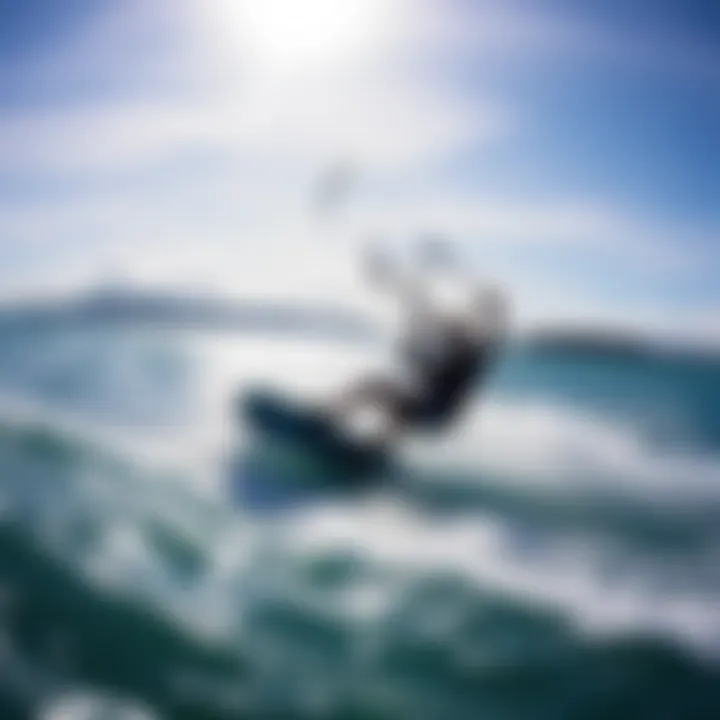
"In every wave, there are countless stories waiting to be told, and vlogs are the vessels that bring these tales to life."
Optimal Platforms for Sharing Content
When it comes to distributing your kiteboarding vlog, choosing the right platforms is crucial. Different platforms serve various purposes and audiences, so understanding where to share your footage can amplify reach significantly.
- YouTube: This is the heavyweight champion for video sharing. YouTube allows for longer videos and extensive editing options. It’s not only about sharing but also about building a subscriber base and engaging through comments.
- Instagram: Perfect for quick, visually stunning content. Utilizing Stories and IGTV, kiteboarders can keep their audience updated and engaged. It’s a great place to establish a personal brand.
- Facebook: Great for community interaction and sharing longer posts with multiple photos and videos. Joining groups dedicated to kiteboarding can also expand your audience and gain insights.
- TikTok: If you've got short, captivating clips, this platform is where you want to be. With trending challenges and hashtags, your content can easily go viral.
Each of these platforms caters to different types of content consumption. Knowing your target audience and their habits plays a significant role in determining where to direct your content.
Engagement Strategies within the Community
Once you start sharing, dadactic engagement becomes vital in nurturing your audience. Here are some strategies to enhance your involvement with the kiteboarding community:
- Active Interaction: Respond to comments, ask for feedback, and encourage discussions. Being approachable creates a welcoming environment.
- Collaborations: Team up with other kiteboarders or influencers. Collaborations can introduce your content to their audience, which can lead to more viewers and subscribers.
- Contests and Challenges: Initiate contests within the community, encouraging others to submit their videos. This not only gets your footage seen but also fosters community spirit.
- Share Knowledge: Posting instructional content or sharing insights into kiteboarding gear can position you as a leader. People appreciate when someone's willing to share their expertise.
By actively fostering a sense of community, you pave the way for deeper connections. Readership grows not just by numbers but also by the relationships you cultivate along the way. If all kiteboarders adhered to this ethos of collaboration and collective growth, the community at large could thrive extensively.
Engaging this way can lead to stunning results, both in personal satisfaction and audience expansion. Building a vlogging presence in the kiteboarding space involves persistence, creativity, and a touch of community love.
Challenges of Vlogging While Kiteboarding
Vlogging while kiteboarding presents a set of distinct challenges that requires not just technical skill, but also an acute awareness of the conditions at hand. These challenges can make or break the quality of your footage, heavily influencing the overall narrative of your kiteboarding adventures. Understanding and overcoming these obstacles is crucial for anyone looking to produce compelling visual content in this thrilling sport.
Weather and Environmental Factors
When kiteboarding, you're often at the mercy of Mother Nature. Strong winds, sudden changes in weather, and varying lighting conditions can all affect both your performance and your ability to capture great footage on your GoPro. The wind can cause vibrations or shake in your footage, while shifts in sunlight can create harsh shadows and overexposed highlights. Having a flexible filming strategy that adapts to these elements is fundamental.
Here are some practical considerations:
- Wind Speed: Ideally, choose a wind speed that doesn’t exceed your skill level. Extreme conditions not only create hazardous scenarios but can also result in less stable footage.
- Lighting Conditions: Early morning or late evening often provides the best natural light, enhancing your footage's color and contrast. Midday sun can wash out the colors; hence, adjusting your GoPro settings, like using a polarizing filter, could help.
- Water Reflections: Shooting over water can create unwanted glare. Positioning yourself at a slight angle to the sun can help reduce this effect, making for clearer visuals.
"Always be prepared to pivot. The ocean won’t wait for your perfect lighting!"
Balancing Safety with Filming
Safety should always take precedence while filming your kiteboarding escapades. The excitement of capturing that perfect angle can tempt you to push limits that might compromise your safety. Here are some points to keep in mind:
- Location Awareness: Before setting out, familiarize yourself with the water and kiteboarding conditions. Are there any rocky areas or other obstacles? Knowing your environment ensures that you focus not only on filming but also on avoiding hazards.
- Equipment Security: Use proper mounts and straps for your GoPro. An errant gust of wind can easily dislodge your camera—a loss that may not only mean losing your recording but can damage your gear.
- Personal Safety: Always wear a life vest, and consider the potential for accidents. If you find yourself in a tricky spot while filming, prioritize your escape route. A GoPro video isn’t worth risking your wellbeing over.
By addressing these common barriers, you can ensure that your kiteboarding experiences are both safe and visually stunning. This blend of thrill and technology creates a unique canvas for storytelling, allowing kiteboarders to connect with their audience while enjoying the ride.
Future Trends in Vlogging Technology
The landscape of vlogging is constantly shifting, especially for action sports like kiteboarding. Staying ahead of trends can profoundly impact both the functionality of your setup and the quality of your content. Navigating these advancements not only boosts creativity but also aligns your storytelling with what’s emerging in the world of technology. In the realm of kiteboarding, where adrenaline meets creativity, understanding future trends in vlogging technology becomes essential for enthusiasts who aim to elevate their content.
Advancements in Camera Technology
When considering vlogging tools, camera technology is at the forefront of these advancements. Years ago, you’d be hard-pressed to find a device that could withstand the heat of the action while delivering crisp video. Today, cameras have become lighter, more durable, and capable of capturing stunning high-resolution footage. With models like the GoPro HERO10 Black, we're seeing features such as 5.3K resolution and an improved low-light performance that can truly enhance your kiteboarding videos.
Moreover, the introduction of AI in cameras is a game changer. This technology can stabilize video in real-time, helping to make even the shakiest clips watchable. The ability to automatically adjust settings based on current conditions means that vlogging is less about technical know-how and more about enjoying the ride. Whether you’re capturing high-flying tricks or scenic beach sunsets, these innovations ensure that you’ll get the best possible footage.
"Technology gives us stunning options to capture memories, but it's the experience that makes those memories worthwhile."
The Evolving Landscape of Content Creation
Content creation is not what it used to be. With platforms continuously evolving, content is becoming more interactive, and video quality is rising to meet viewer expectations. Live streaming has become a viable way to engage audiences, giving kiteboarding enthusiasts the ability to share their experiences as they happen, from the water or the air.
The rise of social media platforms that cater specifically to video content, like TikTok and Instagram, means that vlogging strategies must adapt. Short, engaging clips that convey the thrill of kiteboarding in seconds have become key in capturing attention. The challenge here is to find a balance: how do you keep the essence of kiteboarding alive while catering to a fast-paced audience?
In addition, there’s a growing trend towards sustainability in content creation. Many vloggers are becoming conscious of their impact and are using eco-friendly solutions in their setups. From solar-powered chargers to recycled materials for mounts, every little step helps, and audiences appreciate this conscious effort.
For further insights into the advancement of video technology, check resources like Encyclopedia Britannica or community forums like Reddit.
Closure: Crafting Your Unique Vlogging Journey
In the world of kiteboarding, where adrenaline and creativity intertwine, vlogging offers a way to share your passion with others. This final section aims to underscore the importance of personal exploration within this scope, encouraging interaction between your experience and the viewers’ perceptions. Each kiteboarder’s journey is unique, and documenting it can not only serve as a record for personal memories but also inspire others to embark on their own adventures. A well-crafted vlog captures the essence of your experiences—every challenge faced, every thrilling moment and the growth fostered through this thrilling sport.
Reflecting on Your Experiences
The crux of any vlogger’s journey is reflection. It’s essential to look back on your footage, not just to critique but also to appreciate the moments that made the experience special. Was there a time when you finally landed that trick you’ve been working on? How did the backdrop of that golden sunset over the ocean add to the raw energy of the moment? Take the time to consider what you want to express in your vlogs. Your unique viewpoint can transform ordinary footage into something profound.
Consider jotting down notes after every session. How you felt, what went right or wrong, or even what you would improve next time—these thoughts can become the backbone of your narrative. As you stitch together your experiences, remember to infuse your personality into the edits, showing viewers the human side of kiteboarding alongside the technical prowess.
Encouragement for Continuous Improvement
No journey is void of growth. With each video you produce, it’s vital to recognize areas for advancement. Whether it's experimenting with different camera angles, enhancing audio, or refining your editing techniques, continual learning plays a significant role in sculpting your style. Embrace feedback from your audience; sometimes, the best insights come from those who watch with fresh eyes. Join forums like the Kiteboarding subreddit or relevant groups on Facebook where you can share and discuss your vlogs with fellow enthusiasts.
As you move forward, set specific goals for your future projects. Perhaps you want to focus on storytelling in your next vlog or learn to produce a cohesive sequence that flows seamlessly from clip to clip. Always challenge yourself with new skills and concepts.
In the end, your unique vlogging journey in kiteboarding is more than just creating stunning visuals; it's about sharing your narrative and connecting with others who share your passion. By crafting each vlog with care and creativity, you can foster a community that inspires on every level.