Exploring the Dynamics of Pop-Up Kites


Intro
The world of pop-up kites is as dynamic and ever-changing as the wind that moves them. Kiteboarding has evolved from a niche hobby to a mainstream water sport, drawing in enthusiasts from all walks of life. Pop-up kites play a pivotal role in this trend, merging innovative design with practical functionality. Understanding the subtleties of these kites can greatly enhance your ride, whether you're riding the waves casually or competing in races.
This guide will take you through the various types of pop-up kites, their deployment strategies, and the technology that supports their use on the water. Not only will you learn about the craft itself, but also the essential safety measures and environmental considerations every kiteboarder should keep in mind. True to its essence, this article aims to provide a comprehensive roadmap for both beginners and seasoned kiteboarders alike, ensuring you’re equipped for whatever the sea throws your way.
Gear Insights
When it comes to kiteboarding, having the right gear can make or break your experience. In this section, we will explore the latest trends and indispensable equipment for kitesurfing.
Latest Gear Reviews
Pop-up kites have come a long way. Today’s models boast advanced materials and innovative designs. For instance, brands like Duotone and North Kites have released kites featuring lightweight construction that enhances performance without compromising durability.
- Duotone Neo: This kite offers exceptional stability and adaptability in a variety of wind conditions. Ideal for both beginners and advanced kiteboarders, it provides a forgiving nature that instills confidence.
- North Minimist: With its unique shape, this kite maximizes lift and minimizes drag. It’s perfect for achieving those awe-inspiring jumps that kite enthusiasts crave.
- Ozone Catalyst: Known for its versatility, this kite performs well in light wind and is a great option for traveling kiteboarders.
These models highlight the advancements in kite technology, each tailored to different riding styles and conditions. For a deeper dive into these reviews, check out resources like kiteforum.com or kiteboarding.com.
Essential Gear for Beginners
For those just starting their journey into kiteboarding, having the appropriate gear is crucial. Here’s a breakdown of essential items:
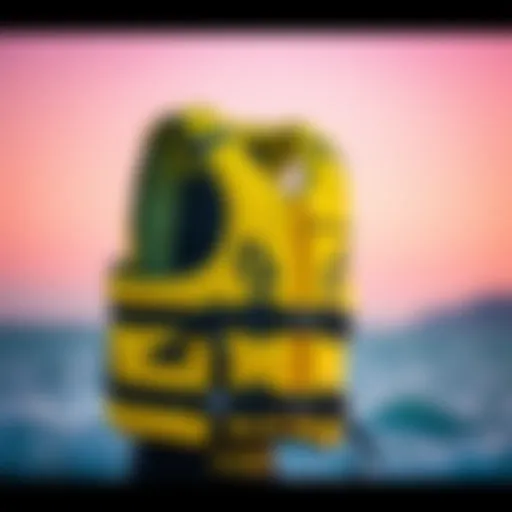
- Impact Vest: Provides protection during falls and adds buoyancy.
- Control Bar: This piece connects you to the kite and enables steering.
- Harness: Essential for transferring the kite’s pull to your body; it maintains comfort during intense rides.
Getting these essentials sorted out lays a strong foundation, making it easier to focus on mastering the techniques and riding skills.
Techniques and Tips
With the right gear in hand, understanding how to operate it effectively is the next step. In this section, focus shifts to techniques and safety practices that every kiteboarder should hone.
Advanced Tricks and Techniques
Once you’ve mastered the basics, it’s time to elevate your skills. Here are some advanced techniques to consider:
- The Kite Loop: A maneuver that involves spinning your kite in a loop while in the air, enabling dynamic jumps and aerial tricks.
- Handle Passes: This skill involves passing the control bar behind your back mid-air. It showcases dexterity and is a crowd favorite.
- Board Offs: Here, you’ll detach your feet from the board while airborne, creating a stunning visual display.
Practicing these tricks in safe environments, ebike parks or during specific training sessions, will help you progress.
Safety Practices for Kiteboarders
Safety cannot be emphasized enough. No matter your experience level, incorporating safety practices into your routine is paramount:
- Always check the wind conditions before you head out. Avoid gusty winds which can turn your session into a hazardous ride.
- Wear safety gear, such as a helmet and impact vest. They might feel cumbersome, but the protection is worth it.
- Buddy System: Never kite alone. Having a partner not only helps in emergencies but can provide invaluable support and guidance.
Kiteboarding is about enjoying the wind, waves, and the freedom that comes with it. However, safety measures are your best friends on this journey.
Epilogue
Understanding the dynamics of pop-up kites and the world of kiteboarding is a journey that's never truly complete. As technology evolves, so do the skills and gear available to kiteboarders. Stay connected with the communities on platforms like reddit.com/r/kitesurfing and local clubs to keep your knowledge fresh and current. Embrace the wind, the water, and the thrill of kiteboarding—it might just lead to your next great adventure.
Preamble to Pop-Up Kites
Pop-up kites represent a fascinating intersection between design innovation and recreational activity. For kiteboarders, hobbyists, and adventure seekers, understanding these unique kites isn't just a matter of aesthetics; it’s essential for optimizing performance and ensuring safety while flying. This section serves as a launchpad to explore the intricacies of pop-up kites, shedding light on why they’ve garnered such popularity in recent years.
Definition and Overview
Pop-up kites, as their name suggests, are kites that deploy easily and rapidly. They are designed in such a way that they can unfold and assume their functional shape swiftly, often with a simple action such as pulling a line or utilizing wind pressure. The primary advantage of pop-up kites lies in their user-friendly nature, making them ideal for novices and seasoned flyers alike.
These kites tend to feature a variety of shapes and mechanisms, each tailored to specific flying conditions and user preferences. From simple single-line designs aimed at beginners to complex stunt kites intended for advanced maneuvers, the realm of pop-up kites cater to a wide audience. They encapsulate the spirit of both playfulness and technicality, appealing to those who relish the thrill of flight.
It’s important to note a few key aspects about pop-up kites:
- Ease of Use: Unlike traditional kites that might require a prolonged setup process, pop-up kites facilitate quick and effortless deployment.
- Versatility: Many designs allow flyers to adapt easily to varying wind conditions, enabling flights across diverse locations, from beaches to open fields.
- Portability: Their compact design and lightweight material make them ideal for travellers who want to pack light without compromising on fun.
Thus, grasping the fundamentals of pop-up kites is vital not only for the enjoyment they bring but also for understanding the broader context of kiteboarding as a sport.
History of Kite Design
Kite design has evolved significantly since its inception, tracing back to ancient civilizations where kites served multiple purposes, from signaling in wars to scientific experiments. The journey from traditional kites to today's pop-up kites is intriguing.
In the early days, kites were crafted from bamboo and silk, creating a delicate art form. As materials and technology advanced, so did the designs. The introduction of plastic and nylon fabrics sparked a revolution in kite construction. By the 20th century, as the sport of kiteboarding began to take shape, designers started experimenting with structures that enhanced aerodynamics and stability.
Modern pop-up kites emerged in the late 1990s as designers aimed to create kites that could be assembled and launched in a matter of seconds. This was particularly appealing to kiteboarders who sought efficiency and performance. The marriage of science and art in kite design led to innovative concepts like the Bow kite and the Foil kite. Each variation brought forward unique benefits that cater to specific needs, from enhanced lift during light winds to stability in turbulent conditions.
To sum it all up, the evolution of kite designs tells a story of human ingenuity, adapting ancient practices for contemporary sporting experiences. Understanding this history not only enriches one’s appreciation for pop-up kites but also highlights the journey of innovation that continues to this day.
"Every kite has its roots deep in history and tradition, but the pop-up kite is a testament to the evolution of flight itself."
Types of Pop-Up Kites
Understanding the variety of pop-up kites is crucial, especially for those keen on maximizing their kiteboarding experience. Each type serves unique purposes, offering distinct benefits and experiences. From single-line kites suited for novices to intricate stunt kites designed for the more adventurous souls, knowing the types aids both in selection and utilization. If you're straddling the line between leisure and sport, this aspect becomes all the more relevant.


Single-Line Kites
Single-line kites are often the cornerstone of any kiteboarding enthusiast's journey. They are typically simple to operate, making them ideal for beginners. What you get with a single-line kite is ease and stability. They lift beautifully into the air without much fuss. This kind of kite is often designed for casual flying and can be particularly satisfying to watch as it performs gracefully against the blue sky.
In terms of construction, single-line kites are often crafted with lightweight materials, allowing them to catch the breeze with minimal resistance. Many kiteboarders appreciate how these kites can be launched with just a quick toss. Each flight offers a small decorative display, perfect for those sunny afternoons at the beach. The challenge, however, lies in controlling wind conditions to ensure an optimal experience.
Stunt Kites
For those looking to kick things up a notch, stunt kites are where the action is really at. These two-line wonders open a world of acrobatics, allowing the flyer to perform intricate maneuvers and tricks. Stunt kites provide a dynamic flying experience; they can be pulled in various directions, giving you the freedom to loop and spin them like a gymnast in midair. The ability to control each line independently translates to thrilling aerial displays that captivate onlookers.
What really sets these kites apart are their designs. Many boast aerodynamic features and robust build quality to handle the stress of high-speed tricks. This means heavier materials, but they can withstand gusty winds much better than their single-lined counterparts. Training is needed, but once mastered, the sense of accomplishment can feel akin to conquering new heights.
Bow Kites
Bow kites are known for their unique shape and adaptability, making them a popular choice among kiteboarders who seek a balance between performance and ease of use. These kites allow for excellent lift, which helps in various wind conditions. Their distinctive arched structure creates a dome-like effect that catches air uniquely, allowing for greater control and more sustained flights.
Many kiteboarders appreciate how bow kites can generate power while requiring less wind, a vital quality during those lighter breeze days. Maintenance is relatively straightforward, too, as advanced designs ensure durability and longevity. Because of their versatility, bow kites are often suitable for multiple skill levels. They often feature adjustable lines that can enhance performance depending on the rider’s skill and preferred style.
Foil Kites
Turning to foil kites, we encounter a design that is all about efficiency. Unlike traditional kites, foil kites rely on a set of air cells to maintain inflation, creating a lightweight frame that enhances aerodynamics. These kites perform remarkably well on the water, providing an almost weightless feel that many kiteboarders have come to love.
Foil kites thrive in both strong and light winds, making them a go-to for adventurous spirits chasing a thrilling ride. Their design allows for quicker pack-down and setup too, which is appealing for those who want to maximize their time on the water. That said, one should consider the learning curve; they can be a tad trickier to control, especially in turbulent conditions. Overall, the excitement derived from flying a foil kite can be quite exhilarating.
"Choosing the right type of pop-up kite can significantly enhance your kiteboarding experience, transforming casual outings into thrilling adventures."
Having a good handle on these types can help aspiring kiteboarders make informed choices that match their skills and ambitions. The right kite not only promises fun; it can also help enhance riding skills and ultimately deepen one’s passion for this wind-powered sport.
Mechanics of Pop-Up Kites
The workings of pop-up kites are fundamental to understanding their overall performance and usability. This section dives deep into how these kites function, their composition, and the innovations that enhance their capabilities. By grasping the mechanics behind pop-up kites, enthusiasts can refine their skills, make informed choices when purchasing, and fully enjoy the kiteboarding experience.
Aerodynamics Explained
Aerodynamics is the heart of any kite's flight, and pop-up kites excel in this domain. The shape and design of these kites allow for a unique interaction with airflow. When a kite is launched, it needs to efficiently capture wind while maintaining stability. The curvature and dimensions of the kite influence lift and drag forces.
For instance, pop-up kites often feature a vaulted shape, which provides a greater surface area to catch the wind. This cleverly optimized structure allows more lift with less wind pressure, making them approachable for beginners while remaining effective for seasoned kiteboarders.
To elaborate:
- Lift: By design, pop-up kites generate significant upward force, essential for aerial tricks.
- Drag: Minimizing drag improves the speed and maneuverability of these kites, giving riders an edge when navigating in various conditions.
In a nutshell, understanding aerodynamics helps kiteboarders calibrate their techniques and adjust the kite's angle relative to the wind. A keen eye on how air flows over the kite can lead to enjoyed rides and safer landings.
Materials Used in Construction
The materials chosen in constructing pop-up kites play a crucial role in their performance, durability, and overall effectiveness. The kite's body and frame are often made from lightweight yet robust materials that balance strength with weight. Popular choices include ripstop nylon and polyester for the sail fabric due to their tear-resistant properties.
The framework typically involves:
- Carbon Fiber: Known for its light weight and rigidity, carbon fiber is a staple in high-performance kites. It holds up well under stress and provides excellent responsiveness.
- Fiberglass: While heavier than carbon fiber, fiberglass composites are often the go-to for budget-friendly options, offering decent flexibility and resilience.
Moreover, these materials enable the kites to withstand harsh environmental conditions. A pop-up kite designed with weather-resistant fabric can endure UV exposure and damp conditions, ensuring longevity in the field.
Design Innovations
Innovation is key to the evolution of pop-up kites. Over the years, manufacturers have embraced cutting-edge designs that enhance both performance and usability. One significant advancement is the use of segmented designs, which allow for better flexibility and adjustability in flight.
Some notable innovations include:
- Inflatable Leading Edges: These maintain the kite's shape while adding buoyancy. This design allows for better lift, especially in lower wind conditions.
- Ventilated Canopies: Strategically placed vents reduce turbulence and enhance airflow, leading to improved stability during flight.
Furthermore, digital tailoring and computer-aided designs optimize aerodynamics based on real-time data, making sure that every stitch and panel serves a purpose. These intelligent designs not only foster excellence in performance but also improve the overall user experience for kiteboarders.
"The embrace of technology in kite design reflects an ongoing commitment to maximizing performance while ensuring safety and user satisfaction."
By understanding these dynamics, kiteboarders are better positioned to choose the right pop-up kite that meets their adventure needs, ensuring they fly high while keeping it safe.
Deployment Techniques
Understanding the various deployment techniques for pop-up kites is crucial for both novice and experienced kiteboarders. Efficient deployment not only maximizes the kite's performance but also enhances the overall kiteboarding experience. Proper launching and retrieving methods can significantly impact how a kite performs in varying wind conditions, ensuring safety and control. Here, we delve into key considerations and benefits of mastering these techniques, which can sometimes be the difference between a thrilling ride and a frustrating struggle.
Launching a Pop-Up Kite
Launching a pop-up kite is often viewed as a make-or-break moment in the kiteboarding process. A successful launch means you’re soaring through the winds, while a poor launch can lead to tangled lines or even damage to your equipment.
Some essential elements to consider when launching include:
- Wind Conditions: Always evaluate the wind speed and direction before launching. Light winds require different techniques compared to strong gusts.
- Ground Setup: Position your kite with the leading edge facing into the wind. A stable ground setup can alleviate unforeseen problems during the launch.
- Body Positioning: Stand with your feet shoulder-width apart to maintain balance. Being too rigid can hinder adjustments if the kite behaves unexpectedly.
Steps for Launching


- Crew Work: If you have a buddy, ensure they hold the kite securely until you're ready to launch.
- Signal: Use hand signals to communicate clearly with your partner.
- Active Control: As you pull on the lines to lift the kite, keep a firm grip, ready to maneuver as needed.
- Let It Fly: Gradually let the kite rise, adjusting the lines to stabilize it in the air.
As the kite ascends, stay aware of your surroundings. It’s easy to lose focus when caught up in the excitement of launch, but a few seconds of lookout can prevent a potential accident.
Retrieving the Kite
Just as launching is critical, retrieving the kite properly is equally important. A correct retrieval technique ensures that the kite remains intact and you avoid complications when winding up the lines.
When it's time to land the kite, follow these key considerations:
- Choose Your Spot: Select a safe, open area to land your kite, away from obstacles and people, which is paramount for safe retrieval.
- Signal: Just as you did for launching, signaling to your companion is essential for a smooth operation.
- Controlled Descent: Start by pulling the back lines to bring the kite down gradually. Avoid sharp pulls that might cause the kite to crash.
Steps for Retrieving
- Descent: Pull the back lines until the kite lowers but remain cautious about its position.
- Ground Control: Once it lands, position yourself to catch the kite if it begins to move.
- Winding Up: Begin winding the lines in a figure-eight pattern to avoid tangling. This simple practice saves a lot of hassle later.
- Final Check: Before rolling the kite up, inspect it for any damage or wear.
“Mastering both the launching and retrieving techniques can not only enhance your performance but also ensure a safer experience in the exhilarating world of kiteboarding.”
By familiarizing yourself with these deployment techniques, you are better prepared to handle the various challenges that come with kiteboarding. Pack your gear, but don’t forget to bring these crucial skills along for the ride. A smooth launch and a careful retrieval are critical to making sure every experience with your pop-up kite is one for the books.
Kiteboarding with Pop-Up Kites
Kiteboarding has risen in popularity as an exhilarating water sport, and pop-up kites play a significant role in this growth. The unique mechanics and design of pop-up kites cater specifically to the demands of kiteboarding, offering several key advantages that both new and seasoned kiteboarders appreciate. This section delves into how these kites enhance the kiteboarding experience and the skills required to master them.
Enhanced Performance
When it comes to performance, pop-up kites bring a different ball game to the water. These kites are designed for agility and speed, optimizing lift and reducing drag significantly compared to traditional kites. Their unique structure allows for quicker setups and takedowns, giving riders more time on the water. One might consider the sheer excitement of harnessing the wind—an experience that is only elevated through the efficiency of a pop-up kite.
Key Performance Benefits:
- Responsive Handling: The quick deployment feature enables kiteboarders to react instantly to changing wind conditions, adapting their strategy on the fly.
- Increased Lift: The aerodynamic design enhances lift, enabling riders to achieve greater height and smoother transitions during jumps.
- Lightweight Construction: Many pop-up kites are made from durable yet lightweight materials, improving overall maneuverability. This helps to keep the kite light on its feet, allowing for more tricks and stunts with reduced effort.
Ultimately, the performance enhancements provided by pop-up kites make them an essential tool in any kiteboarder’s quiver.
Impact on Skills Development
Learning to kiteboard is a process that demands determination and practice. With pop-up kites, this journey becomes richer and more educational. The design and functionality of these kites directly influence the types of skills a rider can develop.
Skills Fostered Through Pop-Up Kites:
- For Advanced Riders: These kites facilitate trick progression by providing better stability and predictable responses during complex maneuvers. Riders can push their limits without the constant fear of tangled lines or erratic behavior.
- For Beginners: Entering the kiteboarding world with a pop-up kite significantly reduces the intimidation factor. The straightforward launch and landing capabilities help novices quickly build confidence, allowing them to focus on mastering basics.
"Pop-up kites bring a breath of fresh air to learning. They make the experience not just enjoyable but also empowering."
- Cross-Training Opportunities: Riders often find themselves using pop-up kites for surf riding or snow kiting. This versatility promotes broader skill sets that enhance overall kiteboarding capabilities.
Safety Considerations
The realm of pop-up kites, while exhilarating, is not without its share of challenges and risks. Understanding safety considerations is paramount for both seasoned kiteboarders and newcomers alike. In many ways, the success of a kiteboarding experience hinges on the awareness and implementation of robust safety measures. Here we delve into key aspects of safety that kiteboarders should always keep in mind, ensuring that every flight is not just enjoyable but also safe.
Best Practices
When engaging with pop-up kites, adhering to best practices serves both to enhance performance and to mitigate potential hazards. Here are some crucial guidelines to follow:
- Inspect Before Launch: Take a moment to thoroughly inspect the kite for any signs of wear or damage. Pay particular attention to seams and lines where wear may be more pronounced.
- Choose Your Launch Area Wisely: Open spaces away from power lines, crowds, and trees are ideal. A clear area minimizes risk and allows for an unobstructed flight path.
- Communicate with Others: If you’re out with fellow kiteboarders, establish clear boundaries and signals. Notifying others when you’re about to launch or land helps prevent accidents.
- Use Proper Equipment: Ensure your harness, board, and lines are properly rated for your kite's size and the conditions you’re navigating. This can significantly impact control and responsiveness.
- Wear Appropriate Safety Gear: Always don a helmet and impact vest. These pieces of equipment offer an extra layer of protection against falls or collisions, especially when kiteboarding in more challenging conditions.
Implementing these best practices can minimize accidents and maximize the fun, allowing for a more enjoyable experience.
Emergency Procedures
In the unpredictable world of kiteboarding, being well-prepared for potential emergencies can mean the difference between a minor inconvenience and a serious situation. Should trouble arise, here are essential emergency procedures to follow:
- Know How to Release Your Lines: Familiarize yourself with the quick-release mechanism on your harness. Practicing this can save critical time during an emergency and help you detach from the kite swiftly.
- Stay Calm: When facing an unexpected issue, remaining calm allows for clearer thinking and better decision-making. Panic can cloud judgment and exacerbate the problem.
- Assess Your Surroundings: If you find yourself in a tricky situation, take a moment to evaluate your environment. Look for safe spots to land or alternatives to keep yourself away from hazards such as rocks or other people.
- Signal for Help: Should you require assistance, don’t hesitate to signal to others nearby. A raised arm or a clear shout can alert others that you need help.
- Perform a Self-Rescue if Necessary: In more severe situations, knowing how to perform a self-rescue is crucial. This includes methods of swimming back to shore or maneuvering your kite to safety.
For more detailed information about kiteboarding safety practices, check resources such as American Kitefliers Association or International Kiteboarding Organization.
"An ounce of prevention is worth a pound of cure." This age-old saying rings particularly true in the world of kiteboarding, where preparation can avert many mishaps.
By incorporating these practices and procedures into your routine, you’ll not only enhance your kiteboarding experience but also contribute to a safer environment for everyone involved.
Environmental Impact
Understanding the environmental impact of pop-up kites presents a crucial aspect of their overall design and function, particularly as audiences become increasingly conscious of the materials and practices used in recreation. Kiteboarding, while an enjoyable activity, can inadvertently affect our natural surroundings. Thus, addressing these impacts helps not only in mitigating negative outcomes but also in promoting sustainable practices among enthusiasts. Some of the significant considerations to keep in mind include material sustainability and conservation efforts.
Sustainability in Materials
The materials chosen for pop-up kites often play a pivotal role in their environmental footprint. These kites can be crafted from various synthetic fabrics, each with different levels of recyclability and environmental effects.
- Nylon and Polyester: These are common fabrics. While durable, their production can be resource-intensive. Selecting kites made from recycled nylon or polyester helps reduce waste and lower the demand for virgin materials. The cultivation of organic polyester, using methods that avoid harmful chemicals, is also gaining popularity.
- Biodegradable Options: As kite designs evolve, the introduction of biodegradable materials has emerged as a focus. Companies are exploring alternatives like natural fibers and bio-plastics that decompose more efficiently than traditional materials.
- Production Practices: Manufacturers who adopt responsible sourcing and environmentally-friendly production methods can significantly reduce their ecological impact. They not only serve the community but also foster a sense of responsibility among consumers.
For kiteboarders and hobbyists, investing in kites made from sustainable materials sends a strong message about our commitment to protecting the planet. These choices may lead to a virtuous circle by inspiring others to consider their own impact on the environment.


Conservation Efforts
While the materials used are fundamental, the kiteboarding community's direct involvement in conservation efforts can amplify awareness and action. Many organizations and eco-conscious groups focus on reducing ocean and beach pollution, ensuring that the places we enjoy are preserved for future generations.
- Beach Clean-Up Initiatives: Many kiteboarding tournaments and community events now incorporate beach clean-ups, blending fun with responsibility. These efforts not only protect the natural habitat but also foster a collective commitment to the environment.
- Awareness Campaigns: Educational campaigns emphasizing the significance of maintaining a clean environment have mushroomed. Flyers, social media posts, and seminars help elevate the understanding of local ecosystems in kiteboarding communities.
- Support for Marine Life: Some kiting organizations contribute a portion of their earnings to local conservation projects aimed at protecting marine life. Initiatives like habitat restoration or species protection programs demonstrate a commitment beyond just recreational interests.
By participating in these conservation efforts, kiteboarders not only enjoy their sport but also champion the cause for our planet. It creates a harmonious balance between leisure and environmental stewardship, showcasing how recreation can induce positive change.
"Choosing kites that respect the environment isn’t just a trend; it’s a responsibility that brings kite enthusiasts together for a greater purpose."
In summary, recognizing the environmental impact of pop-up kites, particularly through material sustainability and active conservation efforts, is essential for the future of kiteboarding. As the community evolves, these insights will be critical in maintaining not just the sport, but also the nature we cherish.
Comparative Analysis
In the grand tapestry of kite design, understanding the differences between pop-up kites and traditional kites serves a dual purpose. First, it allows enthusiasts to appreciate the nuances of modern innovations, and second, it aids in making informed decisions when selecting equipment. Each type of kite offers unique attributes that can influence performance across various conditions, from gentle breezes to robust gusts.
The importance of comparative analysis cannot be overstated. The kiteboarding community, which thrives on innovation and exploration, stands to gain an enormous advantage from a thorough understanding of these differences. It directly impacts the choice of gear and techniques tailored to individual needs, levels of experience, and specific environments.
Pop-Up vs Traditional Kites
At the heart of this analysis is the contrast between pop-up kites and their traditional counterparts. Pop-up kites, characterized by their ease of setup and transport, provide remarkable flexibility for the adventurous spirit. Just imagine heading to a beach, easily tossing a pop-up kite into your bag, and without a second thought, being able to launch it into the sky.
Conversely, traditional kites often come with a more methodical assembly process. Their construction may be robust, making them ideal for stability, yet this typically adds weight and diminishes portability. In understanding these key differences, kiteboarders can choose the appropriate type to meet their adventure's specific demands.
"The playfulness of a pop-up kite can truly change your approach to kiteboarding, making it possible for anyone to get into the air quickly."
What makes them appealing? Consider the following:
- Weight: Pop-up kites are typically lighter than traditional kites, which aids in responsiveness.
- Setup Time: With minimal effort, pop-up kites can be launched faster compared to traditional options, ideal for spontaneous outings.
- Portability: Easy to pack and carry, pop-up kites cater to those who travel light.
However, it's not all plain sailing; traditional kites can still shine in competition environments, where their stability and control may outperform pop-up varieties in certain conditions. Understanding these dynamics—in particular, wind conditions and rider skill levels—can tip the scales when deciding which kite to use.
Performance Metrics
When discussing pop-up kites versus traditional kites, performance metrics provide an essential lens through which to evaluate the effectiveness of these designs. Metrics encompass various factors like speed, stability, maneuverability, and ease of use. Measurement in these categories can guide users to select the most suitable kite based on their individual preferences.
- Speed: Pop-up kites tend to accelerate quickly, responding instantaneously to shifts in wind pressure. Riders who crave adrenaline will find this trait compelling. Traditional designs, while often robust, may take more time to reach optimal speed, especially in lighter winds.
- Stability: Traditional kites generally maintain their shape well in strong gusts, offering a solid platform. Pop-up kites, while agile, may struggle under such conditions unless specifically designed to handle turbulent environments.
- Maneuverability: If quick turns and flips are your thing, pop-up kites tend to have the edge here. Their lightweight and flexible nature lend themselves to agile movements, pushing riders to explore complex aerial maneuvers.
- Ease of Use: For the novice kiteboarder, pop-up kites facilitate a smoother entry into the sport, providing a user-friendly experience. Traditional kites might require more practice and understanding before they yield similar enjoyment.
By measuring these metrics carefully, kiteboarders can make a more informed choice that aligns with their goals, whether it’s leisure riding, competitive racing, or adventurous acrobatics. The comparative analysis between pop-up and traditional kites ultimately enriches the rider's experience, allowing them to celebrate the diversity of kite design while engaging safely and effectively in their pursuits.
Resources for Further Exploration
To delve deeper into the fascinating world of kites and kiteboarding, consider checking out:
- Wikipedia's Kiteboarding page
- Britannica's overview on Kites
- Kiteboarding Subreddit
- Kiteboarding safety tips
The popularity of pop-up kites continues to rise, encouraging innovations while also challenging the enduring traditions of kiteboarding. By engaging in a detailed comparative analysis, kiteboarders can navigate this evolving landscape effectively, setting the stage for exhilarating new experiences.
Future of Pop-Up Kites
The future of pop-up kites promises to be an exhilarating journey, with developments that stretch the limits of aerial sport. As kiteboarding continues to grow in popularity, the focus on innovative designs, sustainability, and enhanced performance becomes integral. These elements are not just about aesthetics; they embody the needs of modern kiteboarders who seek efficiency and excitement in their experience.
Technological Advancements
In the realm of pop-up kites, technological innovation is akin to finding the Holy Grail. Advances in materials science have led to lighter, yet sturdier fabrics that withstand harsh conditions. For instance, new ripstop materials enhance durability, ensuring kites can brave intense winds without risk of tearing. Moreover, the incorporation of smart technology into these kites is a game-changer. Imagine a kite that can gauge wind conditions or track performance metrics in real-time.
- Materials with Enhanced Properties:
- Light-weighted Carbon Fiber Frames
- Hydrophobic Coatings that repel water
- Tear-resistant Bladders for inflatable foils
Apart from materials, the integration of sensors and IoT devices is transforming kite design. These advancements will enable kiteboarders to monitor performance metrics like altitude, speed, and even stability in unpredictable winds. This data could be crucial for athletes looking to refine their techniques or for instructors aiming to enhance the learning experience for their students.
Trends in Kiteboarding
The landscape of kiteboarding is shifting, and it’s fascinating to observe where it’s headed. One key trend is the increasing interest in environmentally friendly practices. Kiteboarders are becoming more conscious about their impact on nature and the significance of sustainability. Brands are responding to this demand by implementing eco-friendly practices in their manufacturing processes.
- Emerging Trends in the Kiteboarding Community:
- Sustainable Materials: Adoption of recycled plastics and eco-friendly fabrics
- Community-driven Initiatives: Beach clean-up events sponsored by kite brands
- Inclusive Marketing: Growing representation of diverse kiteboarding communities in promotional materials
Another trend is the rising popularity of competition and events that showcase the prowess of kiteboarders using pop-up kites. Competitions expecting a norm where performance stats are part of every athlete's toolkit, making it easier to analyze and push the limits further. As these trends develop, the community is likely to see new kite designs that reflect not just technological advancements, but also a commitment to the environment.
As we look ahead, understanding these technological and trend-based shifts will allow kiteboarders and enthusiasts to make informed decisions. It isn't just about riding the waves anymore; it's about riding the wave of innovation.
Closure
The conclusion serves as a pivotal juncture in this exploration of pop-up kites, sealing the insights gathered across multiple dimensions. It encapsulates the essence of what makes these kites not just tools for recreation but also intricate devices that contribute significantly to the kiteboarding experience. Understanding the various types of pop-up kites, deployment techniques, and mechanics provides not just a foundation of knowledge but a pathway for enthusiasts to elevate their skills and enjoyment.
Summary of Key Insights
Throughout this article, we have dissected the distinctive attributes of pop-up kites in various facets:
- Types and Variations: We introduced the different categories of kites, from single-line to foil kites, underscoring the unique attributes and benefits of each variant.
- Mechanics and Materials: Delving into aerodynamics and innovative materials, we noted how advances in kite technology translate to superior performance—a crucial point for anyone looking to enhance their kiteboarding prowess.
- Safety Practices: Acknowledged safety is non-negotiable, and best practices were emphasized to ensure a safe and enjoyable experience.
- Environmental Responsibility: As kiteboarding grows, so does our understanding of its impact. We highlighted the need for sustainability in materials and the importance of conservation efforts. By being eco-conscious, we can continue to enjoy kiteboarding without compromising our natural surroundings.
Final Thoughts
The dynamism of pop-up kites transcends mere gusts of wind; they are a representation of innovation, tradition, and passion. For kiteboarders, instructors, and hobbyists, grasping the nuances of pop-up kites equips them to make informed choices—be it the type of kite to use, the best way to launch it, or the responsible practices to adopt. This knowledgeable engagement ultimately enriches the kiteboarding community.
Now, as you step out with a kite in tow, whether it’s a breezy day at the beach or a thrilling competition, let the lessons learned here act as your compass. Harness the wind not just for your enjoyment but also for the collective responsibility we hold for our environment and sport's future.
The sky is not the limit—it’s just the beginning.
For those eager to explore more, resources such as Wikipedia, Britannica, and community discussions on Reddit can deepen your understanding of kites and kiteboarding.