The Evolution of Duotone Kite Design in 2022


Intro
In the fast-paced world of kiteboarding, duotone kite design has taken a significant leap forward in 2022. As we dive into this transformative year, it becomes evident that kites are no longer just tools for harnessing wind; they embody a fusion of art and science. The growing emphasis on aesthetics reflects a deeper understanding of how design influences performance and user enjoyment.
This article uncovers the intricate layers of duotone kite design, focusing not only on visual appeal but also on technical enhancements that redefine the kiteboarding experience. From bold color schemes to innovative materials, the landscape of kite design has shifted dramatically, impacting user preferences and market trends alike. Let’s embark on an exploration of the enhancements that are shaping the future of kiteboarding gear.
Gear Insights
Latest Gear Reviews
The kiteboarding market in 2022 saw the emergence of game-changing gear that blends performance with stunning design. Key brands like Slingshot and Duotone have set the stage with their revolutionary products, such as the Duotone Rebel and the Slingshot SST. These kites feature vibrant color palettes while employing advanced aerodynamic designs. The use of lightweight, durable materials has also increased their longevity.
For instance, the Duotone Neo includes an updated wingtip design that not only enhances control but also allows for smoother transitions during tricks. Users have raved about its responsive handling, making it a favorite for both novices and seasoned riders.
Pros and Cons
- Pros:
- Cons:
- Enhanced performance in various wind conditions.
- Aesthetically pleasing visuals that stand out.
- User-friendly features suitable for all skill levels.
- Higher price points may deter beginners.
- Potential learning curve for some advanced tricks.
Essential Gear for Beginners
If you’re just setting foot in the kiteboarding scene, picking the right gear is crucial. Here are some essentials to consider:
- Kite: Choose a versatile, all-rounder kite like the Duotone Evo, which adapts well to various conditions and skill levels.
- Bar and Lines: A good quality bar is crucial for control. Look for designs that prioritize comfort and safety.
- Harness: Opt for a comfortable harness that will support your ride without feeling restrictive.
- Safety Gear: Helmets and impact vests should be non-negotiable parts of your gear. They not only protect but also instill confidence.
Investing in the right gear will set the foundation for a thrilling adventure on the water.
Techniques and Tips
Advanced Tricks and Techniques
As your skills elevate, learning new tricks can keep the thrill alive. This year has seen riders pushing their limits with moves like the Kite Loop and Backroll. Each trick requires precise timing and kite handling, emphasizing the importance of practice. Join local kiteboarding communities on platforms like Reddit to exchange tips and experiences.
Safety Practices for Kiteboarders
Safety should always be top of mind in kiteboarding. Here’s a quick list of best practices:
- Check Weather Conditions: Ensure wind speed and direction are suitable for your skill level.
- Buddy System: Always ride with a friend, especially as you hone new skills.
- Practice Self-Rescue Techniques: Be familiar with how to get yourself out of tricky situations.
"Safety is not just a set of rules; it’s a culture that every kiteboarder must embrace to enjoy the ride."
Staying educated and aware not only enhances the experience but also fosters a supportive community of fellow enthusiasts.
The End
The evolution of duotone kites in 2022 has opened the door to a world where aesthetics, performance, and user experience intertwine seamlessly. As technology advances, kite design continues to evolve, reflecting a broader shift in how enthusiasts interact with this captivating sport. Whether you’re a beginner or an expert, staying informed about the latest gear and techniques can significantly enrich your kiteboarding journey.
For more information, explore resources like Britannica and Wikipedia. These platforms offer extensive insights into the world of kiteboarding that can further enhance your understanding and experience.
Foreword to Duotone Kites
The world of kiteboarding has seen a substantial transformation over recent years, particularly with the introduction and evolution of duotone kites. These kites represent far more than just functional equipment; they embody a fusion of art and engineering that appeals to a variety of enthusiasts, from novices to veterans. Understanding duotone kites is essential in grasping how they enhance both aesthetics and performance in this thrilling sport.
Duotone kite designs are characterized by their use of two dominant colors, skillfully blended to create visually striking patterns. However, this concept serves a functional and aesthetic purpose. The strong emphasis on color can influence visibility in varying conditions, enhancing safety while also catering to individual style preferences.
The Concept of Duotone in Kiteboarding
In kiteboarding, the concept of duotone is pivotal, not merely as a design choice but also as a statement of identity for riders. The interplay of dual colors can evoke emotions, relay energy, and even reflect a rider's personality. This engagement with aesthetics broadens the appeal of kiteboarding, inviting those who may not consider themselves traditional sports enthusiasts to enter this exhilarating realm. Moreover, the right color combination can increase visibility against the backdrop of the ocean or the sky, thereby improving safety for kiteboarders navigating turbulent conditions.
Kite designs featuring duotone elements engage riders on an emotional level. Each rider, whether an instructor guiding a newcomer or a seasoned adventurer, can find a kite that resonates with their personal aesthetic. This connection between the rider and their equipment fosters a sense of pride, enhancing the overall kiteboarding experience.
A Brief History of Duotone Kites
The lineage of duotone kites began as a simple exploration of how color could affect the functionality and beauty of kite designs. Initial experiments focused on just practicality. However, as kiteboarding gained momentum throughout the 2000s and into the next decade, designers began to appreciate color's vast potential—not just as a functional detail but also as an integral part of marketing and rider identity.
By 2015, several brands had begun to embrace the duotone aesthetic, recognizing that how a kite looks could be just as important as how it performs. This paradigm shift laid the groundwork for today's flourishing range of kites, where aesthetics and function go hand in hand. One notable development was the creation of series that offered customization options for enthusiasts, enabling them to personalize their gear not just for performance but for visual appeal as well.
Today, brands like Duotone Kiteboard have become synonymous with the concept and have pushed the boundaries of what is possible with kite aesthetics. The integration of color theory into designs has encouraged more riders to express themselves through their kites—making the choice of a duotone kite not merely a matter of performance but a personal and artistic statement.
As the landscape of kiteboarding continues to evolve, so do the designs. Duotone kites remain at the forefront of this transformation, reflecting both the shifting preferences of riders and the innovations within kite technology. Understanding these dynamics is crucial, as it shapes the future direction of kiteboarding and its relationship with artistry.
The Aesthetic Appeal of Duotone Designs
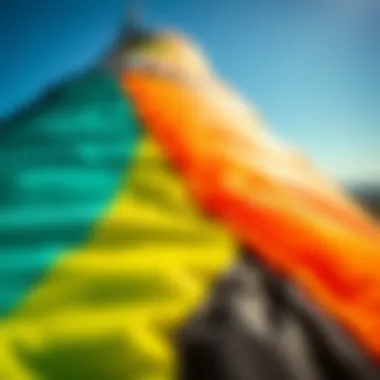
The aesthetic appeal of duotone designs lies at the heart of kiteboarding culture. It's not just about flying a piece of fabric; it’s about making a statement. Every kite tells a story, captures an emotion, and reflects the personality of its rider. With the introduction of duotone kites, where two colors interplay to create striking visuals, the aesthetic dimension broadens. The visual appeal strikes a balance between artistry and functionality, enhancing pleasure for both the user and observers alike.
When kiteboarders take to the skies, they crave not just performance but also beauty. A well-designed kite can turn heads and spark conversations on the beach. It’s a dance between color selection and overall design; it’s this combination that showcases creativity and innovation in the kite industry.
Beyond mere decorations, these designs influence the overall kiteboarding experience. A kite that resonates with an individual’s style or mood can enhance the emotional connection to the sport. And let's face it, who doesn't appreciate a kite that looks good while soaring?
Color Theory in Kite Design
Color theory plays a fundamental role in the aesthetics of duotone kites. Each color evokes various feelings and reactions, making the understanding of this theory crucial for designers. Practices borrowed from psychology reveal that certain colors can inspire exhilaration, calmness, or even nostalgia.
- Warm Colors: Reds and oranges can evoke a sense of energy and passion, often appealing to thrill-seekers.
- Cool Colors: Blues and greens can create a more tranquil vibe, attracting those who prefer a calm, smooth ride.
- Contrasts: This year, we have seen a rise in the use of contrasting colors which not only pop visually but also enhance visibility in the water.
By understanding how colors interact and affect perceptions, designers can craft kites that not only serve their functional purpose but also connect with the user aesthetically. The color choices in duotone designs evolve significantly each year, reflecting changing trends and preferences among kiteboarders.
Visual Trends of
In 2022, kite design has reached a turning point, with visual trends breaking away from traditional molds. Here are some notable patterns observed:
- Minimalism Meets Boldness: Designers are opting for a minimalist approach paired with bold, eye-catching color schemes. This creates a striking contrast and brings a modern twist to the traditional kite design.
- Geometric Patterns: The use of sharp angles and lines adds an element of dynamism, suggesting motion even when stationary.
- Abstract Designs: Increasingly, abstract art influences kite aesthetics, giving riders the freedom to express themselves through unique designs that stand apart on the beach.
These trends represent not only a shift in personal expression but also a reflection of cultural influences from various art movements worldwide.
User Preferences in Aesthetics
User preferences are the backbone of any design evolution, and kiteboarders are no different. With the rise of social media, riders aren’t just influenced by brands but by each other as well. They seek kites that don’t just fly well but also reflect their individuality.
- Custom Designs: Many opt for custom aesthetics that allow them to showcase personal flair during their rides. This trend towards personalization allows for a deeper emotional attachment to the kite.
- Community Feedback: Social platforms like Reddit and Instagram provide a sounding board for user experiences. Shared testimonials help potential buyers gauge design popularity and aesthetic value.
“Kiteboarding is not just a sport; it’s an art form. Each kite is a canvas waiting for the artist to take flight.”
In summary, the aesthetic appeal of duotone kite designs in 2022 is multi-faceted. It's grounded in color theory, shaped by current visual trends, and ultimately driven by user preferences. This interplay of elements enriches the kiteboarding experience, turning each flight into an expression of style and creativity.
Performance Characteristics of Duotone Kites
In the world of kiteboarding, a kite's performance is not merely a matter of personal preference; it’s an intricate dance of design, technology, and environmental adaptation. The performance characteristics of duotone kites are essential elements that elevate the overall experience of both new and experienced riders. These characteristics can influence everything from maneuverability to the ability to harness diverse wind conditions, making them critical in the decision-making process for enthusiasts in the sport.
Wind Range and Stability
A kite's wind range and stability are fundamental to its performance dynamics. Wind range refers to the spectrum of wind speeds within which a kite operates optimally. Duotone kites, with their carefully calculated designs, are known for their impressive wind adaptability. Kites like the Duotone Rebel can perform well in both light breezes and gusty conditions, giving riders confidence regardless of Mother Nature's whims.
Stability, on the other hand, is necessary for maintaining control. Riders can enjoy arcs of high jumps or sharp turns without the kite bucking wildly. The balance of stability against responsiveness is fine-tuned in the design process. Features such as wing shape and leading edge tension contribute significantly to how well a kite holds its position in challenging winds. A kite that remains stable allows riders to focus on technique and enjoyment rather than wrestling with their equipment.
“A well-designed kite can keep you on the water not just longer but also safer.”
The Role of Design in Performance
Design in duotone kites serves as the backbone of their performance benefits. Various elements come into play that intertwine aesthetics with functionality. For instance, the shape of the kite, particularly in depower systems, affects how it interacts with the wind. A flatter profile might excel in high wind conditions providing speed, while a deeper profile can catch more air for low wind conditions, ensuring riders can glide smoothly even when the breeze isn’t cooperating.
Moreover, material choices reflect both advancements in technology and an emphasis on achieving weight savings without sacrificing durability. For example, the implementation of lightweight ripstop nylon paired with high-quality stitching allows for better longevity and performance over time. These innovations are pivotal in allowing users to maximize their time on the water, emphasizing the significance of thorough research and development in the creation of duotone kites.
Ultimately, the combination of thoughtful design and rigorous testing leads to kites that not only look good but also perform magnificently across a variety of conditions. This is why kiteboarders prioritize these characteristics when choosing their ideal kite.
To dive deeper into various aspects of kiteboarding, consider visiting: Wikipedia or Britannica.
Engaging with community experiences on platforms like Reddit and Facebook can also provide unique insights into user experiences, reinforcing the importance of these performance characteristics for riders across the board.
Technological Innovations in Kite Design
The technological advancements in kite design play a pivotal role in enhancing the overall kiteboarding experience. In 2022, duotone kites exhibit an amalgamation of cutting-edge materials, precision engineering, and innovative manufacturing techniques. These innovations not only improve the performance of the kites but also cater to the evolving aesthetic demands of enthusiasts.
Materials Used in Duotone Kites
The material selection in duotone kites is as intricate as a chef's choice of ingredients for a perfect dish. The latest kites utilize high-quality fabrics such as ripstop nylon and polyester blends. These fabrics provide a robust yet lightweight structure that can withstand harsh weather conditions. Here are some of the key materials and their benefits:
- Ripstop Nylon: Known for its durability and resistance to tearing, this material is often preferred for leading edges and canopies.
- Polyester Blends: These offer excellent UV resistance and retain their integrity over extended periods in the sun.
- Mylar Films: Incorporated in certain kite designs, Mylar enhances the aerodynamics of the kite while keeping it lightweight.
- Dacron: Used for reinforcement, Dacron contributes to the kite's stability and overall structure.
Using a combination of these superior materials results in a kite that can perform under varied environmental conditions while also featuring visually appealing designs. This is crucial not just for performance but also for kiteboarders who value aesthetics.
Manufacturing Techniques in
Modern manufacturing practices bring forth an array of techniques that refine the kite-making process significantly. The integration of technology has redefined how kites are manufactured today. In 2022, notable innovations include:
- Laser Cutting: This method ensures precision in cutting kite panels, leading to less material waste and perfectly shaped components. It allows manufacturers to design intricate patterns that stand out on the water.
- Heat-Sealing Technology: Instead of conventional stitching, many manufacturers are adopting heat-sealing for seams. This technique creates stronger joints that are more resistant to wear and tear, enhancing durability.
- Computer-Aided Design (CAD): CAD software optimizes the design phase, enabling manufacturers to visualize and test kite structures digitally before actual production. This not only improves efficiency but also results in superior performance.
- Eco-Friendly Practices: Several companies are exploring sustainable materials and processes, aligning with the increasing demand for environmentally conscious products. This involves using recycled materials or non-toxic dyes in kite production.
The interplay of material innovation and advanced manufacturing techniques positions duotone kites at the forefront of kiteboarding technology. As companies invest in these advancements, the kites not only become more efficient but also reflect changing trends in user preferences and environmental considerations.

These technological shifts underscore the balance between performance, aesthetics, and sustainability, shaping how future kite designs will unfold. Enthusiasts looking to elevate their kiteboarding experience will find that these innovations not only enhance enjoyment but also make for a safer, more visually striking outing on the waves.
Market Trends and Consumer Insights
Understanding market trends and consumer insights is crucial in the kiteboarding industry, particularly for those involved with duotone kites. This section dives into how shifts in consumer behavior and preferences shape the production and design of kites and how emerging brands compete in this dynamic landscape.
Emerging Brands and Comparisons
The kiteboarding sector has lately seen the rise of several new brands that aim to carve their own niche in the market. Unlike the established names that have dominated the space for years—like Duotone Kites and North Kiteboarding—these fresh faces are leaning heavily into innovative designs and sustainability initiatives, giving consumers a wider array of options.
For instance, brands like Ozone and Naish have introduced models that are not only visually distinct but also emphasize eco-friendly materials. This shift is resonating with environmentally conscious consumers. It's not just the aesthetics that attract customers but also what these brands represent in terms of values.
This comparison between established and emerging brands is revealing. The seasoned companies often rely on their legacy, proven performance, and extensive research, while newer competitors thrive on their ability to be agile and responsive to market trends and consumer demands. This interaction fosters healthy competition. As kiteboarders analyze and compare products from different brands, they tend to gravitate towards features, colors, and designs that resonate with their personal style and riding preferences.
Sales Trends and Consumer Preferences
A fascinating aspect of the kiteboarding market is how rapidly consumer preferences can shift. In 2022, sales data highlighted a growing preference for vibrant colors and unique patterns in duotone kite designs. The demand for personalization and individual expression has led brands to innovate not just in functionality but also in aesthetics.
Research shows that more than half of kiteboarders are now inclined to choose kites that not only perform well but also catch the eye. Social media platforms, notably Instagram and Facebook, play a significant role here. They fuel trends and influence choices; kiteboarders often seek kites that will photograph well and make a statement on the water.
Additionally, figures show a bump in sales for kites with customizable options. Consumers enjoy the ability to personalize their gear, picking colors and designs that reflect their personalities. This trend aligns with a larger societal push toward self-expression in outdoor sports.
In summary, the kiteboarding market is evolving, deeply influenced by both emerging brands and shifting consumer preferences. Recognizing these trends is essential for anyone involved in kite production or marketing, as it highlights the need to adapt to an audience that increasingly values aesthetics alongside performance.
"Innovation in kite design is fueled not only by advancements in technology but also by a keen understanding of what the kiteboarding community desires."
For more insights on emerging brands and market trends in sports design, consider checking out resources on Wikipedia, or visit relevant forums on Reddit and Facebook to explore community opinions.
User Experience and Community Feedback
In the world of kiteboarding, the user experience serves as the cornerstone of design evolution. It’s not just about flying a kite anymore; it’s about the entire journey, from the moment the kite is rigged until it’s safely back on the ground. As the kiteboarding community grows, so does feedback from enthusiasts who are eager to share their insights. Happy riders and socially-connected kiteboarders provide a wealth of information that brands—especially those focusing on duotone designs—rely on to enhance their products.
User Reviews and Testimonials
User reviews often come across as a community forum of sorts. They reflect the real-time opinions and experiences of kite enthusiasts who have put various duotone models through their paces. Whether it's a seasoned pro or a weekend warrior just finding their footing, reviews can highlight specific aspects of a kite's performance that textbook specs simply can’t convey.
- Durability: Riders frequently comment on how well their duotone kites hold up against different wind conditions. Some mention impressive resistance to wear and tear, which is beneficial for those who kite often in harsher environments.
- User-Friendliness: Many appreciate designs that are straightforward to set up and operate. As one enthusiastic user wrote, "If I can get it in the air without turning my brain into scrambled eggs, it’s a win in my book!"
- Visual Appeal: While performance metrics are critical, the aesthetic quality of duotone kites often draws attention. Users have detailed how the vibrant colors and distinctive patterns have a significant impact on their overall satisfaction.
A specific review from a user in a popular kiteboarding forum noted, "I was blown away by the color combinations of my new duotone kite. It matches my style perfectly!"
These testimonials often help prospective buyers make better-informed decisions, showing how a product's appearance and functionality can directly influence the experience on the water.
Social Media Influence on Design Choices
Social media platforms are where the community breathes life into the evolving aesthetics of duotone designs. Many brands leverage the power of these platforms, such as Instagram and Facebook, to both showcase their products and gather feedback from riders all over the globe.
On platforms like Instagram, users frequently post pictures of their latest rides, sharing not only the scenery but also their kites. Different styles, colors, and designs form a mosaic of inspiration that influences what new designs might hit the market.
- Trends Emerging: If certain color combinations start trending among popular kiteboarding influencers, brands are likely to take notice. A few companies even survey their social media followers to pinpoint which designs resonate most.
- Engagement and Interaction: Many brands maintain an active presence, encouraging their users to tag them when they post photos. This helps foster a stronger sense of community. Comments and likes on user-generated content can serve as informal market research, guiding future design decisions.
One interesting campaign had a brand ask their followers to vote on color schemes for a new series of kites, which directly engaged the community and led to designs that were immediately in touch with consumer preferences.
In summary, user experience and community feedback can be seen as both a mirror and a roadmap for evolving kite designs. The insights derived from user reviews and social media dialogue not only enhance the product itself but also foster a connected community that shapes the culture of kiteboarding.
Safety Considerations in Duotone Designs
Kiteboarding, while exhilarating, comes with its own set of risks that can’t be brushed aside. Thus, the engineering that goes into duotone kite designs not only emphasizes aesthetics and performance but also prioritizes safety. The design elements of these kites play a crucial role in ensuring that they can handle various conditions without compromising the rider’s safety. From the materials used to the overall shape of the kite, a multitude of factors come together to minimize risk while enhancing the riding experience.
Impact of Design on Safety Features
When it comes to safety in kite design, the significance of a kite's structural components cannot be overstated. Duotone kites are meticulously crafted to optimize strength while maintaining lightness. The following aspects are noteworthy:
- Reinforced Stitching: Many duotone kites incorporate enhanced stitching techniques at stress points, which reduces the chances of tears during use. This is particularly important in high-wind conditions where the structural integrity of the kite is tested.
- Bridle Systems: The bridle, a key component, dictates how a kite flies. Duotone has refined its bridle systems to ensure kites can react promptly to shifts in wind, thus helping to avoid potential accidents.
- Shape and Design: The aerodynamic shape of duotone kites affects their stability. For instance, kites designed with a wider wingspan often provide better control, which is vital for safety during turbulent winds.
In summary, each design element is strategically considered for its safety implications, ensuring that users can enjoy their sessions on the water with confidence that their equipment is built to endure.
Regulatory Standards for Kites
The safety of kiteboarding isn’t solely dependent on design; it’s also governed by regulatory standards that help maintain consistency and reliability in kite manufacturing. It's important for manufacturers to comply with these guidelines to ensure the safety of users.
Some essential standards include:
- ISO Standards: Many duotone kites meet the ISO 6185 standard, which outlines requirements for inflatable kites. Compliance guarantees certain safety parameters in the construction of kites.
- Material Safety Testing: Components such as ropes and fabrics undergo rigorous testing to verify that they can withstand specific stresses and conditions, reducing risks of failure in real-world scenarios.
- Consumer Protection Guidelines: Regulations often mandate that manufacturers provide detailed instructions regarding the maintenance and proper usage of kites. This includes clear information on how to handle kites in adverse conditions.
In this context, it is essential to stay informed about both the design process and adherence to regulatory standards. Kiteboarders should always check for certification labels or documentation indicating that their gear meets safety requirements.

"Safety is not a gadget but a state of mind." – Elihu Root
By understanding the intricate interplay between design elements and regulatory frameworks, users can appreciate the importance of safety in their kiteboarding experiences. This focus on safety not only protects individuals but also elevates the overall integrity and reputation of the sport that continuous to draw adventure seekers from various backgrounds.
Sustainability in Kite Manufacturing
As kiteboarding continues to gain popularity worldwide, the conversation surrounding sustainability in kite manufacturing takes on increased urgency. Kite lovers are not only concerned about performance and aesthetics; they are also looking into the environmental impacts of their gear. This section delves into the necessity of integrating sustainable practices within the production of duotone kites and illustrates how these practices contribute positively to the environment and the kiteboarding community.
Environmental Considerations in Material Choices
When it comes to kite manufacturing, the choice of materials plays a pivotal role in ensuring sustainability. Kite makers are increasingly considering eco-friendly materials, reducing the carbon footprint associated with their products.
Some aspects to highlight include:
- Recyclable Fabrics: This is not just a trend but a necessary shift. Fabrics that can be recycled help minimize waste. Brands are exploring ways to implement these materials without compromising durability.
- Natural Fibers: Utilizing natural fibers such as organic cotton or hemp in accessories might seems minimal, but it can make a significant impact. This shift reduces reliance on synthetic materials derived from fossil fuels.
- Eco-friendly Coatings: Manufacturers are looking into non-toxic water-based coatings instead of traditional chemical options. These not only perform well but also pose less risk to the environment.
On a more personal note, the usage of sustainable materials might even enhance the overall riding experience, making kiteboarding not only more responsible but also more enjoyable. Users shout praises for brands prioritizing these eco-friendly options.
"Every time I fly my kite, I feel good knowing it's made with care for the environment. It makes the ride even more rewarding!"
Future Directions for Sustainable Practices
The landscape of sustainability in kite manufacturing is continuously changing, driven by innovation and a commitment to better practices. Several future directions are becoming apparent:
- Closed-loop Recycling Systems: Moving towards systems that recycle used kites into new products can drastically reduce waste. Companies such as Duotone are already experimenting with these systems to transform old kites into new gear.
- Transparency in Production: Customers are now demanding transparency from brands regarding the sourcing and production processes. This demand will likely lead to more brands openly sharing their environmental initiatives and practices.
- Community Initiatives: Collaborations with environmental organizations to participate in clean-up efforts at popular kiteboarding locations is a promising direction. Brands investing time and resources into local and global environmental initiatives foster goodwill within the community.
Adopting these practices isn't just about meeting consumer expectations; it also creates a company identity intertwined with environmental responsibility. From materials to overall social impact, kite manufacturers have the unique opportunity to lead the charge toward a sustainable future in the sport.
Comparative Analysis of Popular Duotone Models
The comparative analysis of popular duotone models serves as a crucial element in understanding the evolving landscape of kite design. With an ever-growing selection of choices, kiteboarders, whether seasoned veterans or novice learners, find themselves navigating a sea of options. Key features, performance benchmarks, and user experiences become essential metrics in discerning the best fit for both skill level and desired riding style.
Performance Metrics of Leading Models
Examining the performance metrics of various duotone models reveals how each kite performs under different conditions. Metrics such as lift, speed, and stability vary across models, offering tailored experiences based on rider preferences. For instance, the Duotone Rebel shines in terms of lift, making it an ideal choice for those who enjoy exhilarating jumps and tricks, while the Duotone Neo focuses on stability and ease of control. This distinction is crucial; a kite that excels in one category may not be suitable for another rider looking for something different.
- Lift: The Rebel demonstrates exceptional lift capabilities.
- Speed: The Duotone Dice boasts remarkable acceleration in gusty winds.
- Stability: The Neo maintains an edge in calmer conditions, providing consistent performance.
Such performance metrics help potential buyers assess their needs effectively. The right choice often boils down to individual riding style.
User Experience Across Different Models
User experience can dramatically affect satisfaction with a kite. Feedback from the kiteboarding community is paramount in this regard. Riders frequently share detailed accounts of their experiences, highlighting how different models cater to various skill sets. Satisfaction can depend largely on construction quality, responsiveness, and the overall feel of the kite in the air.
Consider this from practical user testimonials:
"Switching from the Neo to the Rebel completely transformed my jumps. I felt like I was soaring."
Here are some user-experience considerations:
- Handling: The Rebel's responsive steering often gets rave reviews, making it easier for users to perform tricks.
- Comfort: Riders appreciate the Neos' user-friendly characteristics, especially during longer sessions.
- Feedback: Real-time feedback from the kite can significantly enhance a rider's confidence; models like the Dice are noted for providing superior feedback on performance.
Understanding how diverse these experiences can be signifies the importance of community input in selecting a kite. This comparative analysis underscores that the choice of a duotone model goes beyond just looks; it’s about finding the right tool that aligns with one’s aspirations on the water.
Future Outlook for Duotone Kites
The future of duotone kites holds a wealth of potential, shaped by trends in design and technology in the ever-evolving world of kiteboarding. Understanding this aspect is crucial not only for manufacturers but also for users who want to stay ahead of the curve. The interplay of aesthetics, functionality, and performance will drive new innovations that may redefine the kiteboarding experience entirely.
Recent developments indicate that the kiteboarding community is increasingly leaning towards designs that are as visually striking as they are high-performing. This dual focus on aesthetics and utility can provide an edge in both recreational and competitive scenarios. Kiteboarders of today expect not just durability and performance but also kites that are visually appealing. With kiteboarding being influenced by personal expression, designs will likely continue to blend art with engineering.
Moreover, user feedback has become pivotal in informing manufacturers about what the community truly desires. As companies listen to their consumers, they are likely to create products that not only meet performance standards but also reflect individual styles.
"A kite is not just a tool; it’s an extension of who you are on the water."
Expected Trends in Design Innovations
Looking ahead, we can expect the design innovations in duotone kites to be influenced by several emerging trends. One significant trend is the growing demand for customization. Whether it’s color combinations, pattern designs, or unique shapes, kiteboarders are increasingly seeking kites that speak to their personalities. Collaborations between artists and manufacturers could rise, leading to limited editions that captivate attention.
Additionally, we might see more environmentally sustainable materials making their way to the forefront. As awareness of environmental issues rises, kiteboarding enthusiasts may advocate for products that minimize negative impacts on nature, prompting manufacturers to explore biodegradable and recycled materials. This shift wouldn’t merely be a passing fad; it could reshape industry standards entirely.
The integration of smart technologies in future designs could also be on the horizon. Imagine kites equipped with sensors to provide real-time performance analytics, catering to both seasoned pros and novices. Users could receive instant feedback on their riding techniques, performance metrics, and even wind conditions, all at the click of a button.
The Role of Technology in the Future of Kites
Technology will undoubtedly play a vital role in advancing the design and functionality of duotone kites. Innovations in manufacturing processes are set to yield lighter and stronger kites, enhancing performance and durability. For instance, using advanced composites might allow for a significant reduction in weight without compromising strength, which in turn could translate to improved speed and agility on the water.
Drones and 3D printing could also redefine how kites are designed and constructed. These technologies can offer unique capabilities in prototyping, enabling quicker iterations based on design testing and user feedback. In essence, manufacturers might be able to generate kites that are not only tailored to the individual preferences of consumers but also adjustable to specific conditions experienced in various local waters.
In sum, the fusion of aesthetics with cutting-edge technology has the potential to push the boundaries of what is possible in kite design. As both user expectations and environmental factors continue to shape the market, duotone kites may adapt and evolve in ways we can only begin to imagine today.
For further insights on kiteboarding trends and innovations, resources such as Wikipeidia or community forums like Reddit provide a wealth of information and discussion.