Beginner's Guide to Choosing Kiteboarding Kites
Intro
Kiteboarding, an exhilarating blend of surfing and flying, attracts adventure seekers from all walks of life. For new enthusiasts, navigating the world of kiteboarding kites can feel like trying to find a needle in a haystack. With the vast range of options available today, understanding the nuances between kites designed for beginners and those aimed at seasoned pros is crucial. The aim of this guide is to demystify kiteboarding kites, shedding light on the essentials that will empower newbies to make informed choices.
In the paragraphs to follow, we will explore various types of kites suited for entry-level kiteboarders, the key factors to think about when making a selection, and necessary safety practices. It's common to feel overwhelmed, but with the right knowledge, you can spot the kite that meets your needs and kickstart your kiteboarding journey with confidence.
Gear Insights
Latest Gear Reviews
In a rapidly evolving sport like kiteboarding, keeping abreast of the latest gear is integral to enhancing your experience on the water. You might find it useful to peek into kites like the Duotone Neo or the Cabrinha Switchblade. Both are noted for their forgiving nature, allowing beginners to finesse their skills without feeling like they're wrestling a wild stallion.
- Duotone Neo: A leader in performance, the Neo works well in a variety of conditions. Its stability makes it a top choice for novice riders who are just getting their footing.
- Cabrinha Switchblade: This kite is renowned for its versatility. With the ability to handle light winds smoothly, it reassures beginners while also providing room to grow.
These kites bring together user-friendly features with high-quality materials, ensuring a pleasant ride even in challenging conditions. Nevertheless, while reviews can guide you, it's always wise to try before you buy—many shops offer demos.
Essential Gear for Beginners
Choosing the right kite isn't everything; the associated gear plays a significant role, too. Before you hit the waves, consider picking up the following essentials:
- Control Bar: Crucial for managing kite power, the control bar connects you to the kite. Look for one that supports quick release features—safety first, always.
- Harness: Opt for a comfortable harness that won’t produce any discomfort during long sessions. Waist harnesses are generally favored by beginners for their convenience.
- Safety Leash: Never underestimate the importance of a safety leash, it can be a lifesaver when things go awry.
- Life Jacket or Impact Vest: Depending on the waters you're riding on, some protection is advised.
Failing to gear up correctly can lead to unnecessary mishaps. Remember, safety takes precedence!
"Investing in quality gear can be the difference between a pleasurable ride and a frustrating experience."
Techniques and Tips
Advanced Tricks and Techniques
As you grow comfortable with your gear, it might be tempting to jump headfirst into advanced tricks. However, patience is key. Begin with the basics and only move onto tricks like jumps or rotations once you feel at ease controlling your kite.
Safety Practices for Kiteboarders
Adhering to safety practices is a non-negotiable component of kiteboarding. Here are essential pointers:
- Check the Weather: Wind conditions can shift quickly, especially in coastal areas. Always check local forecasts before launching.
- Understand Right of Way: Familiarize yourself with the right of way rules to prevent accidents on the water.
- Practice Self-Rescue Techniques: No one wants to think about emergencies, but knowing how to self-rescue makes you a more responsible rider.
Kiteboarding can be a thrilling sport filled with freedom and exploration. Equip yourself with the right knowledge, gear, and safety practices to ensure your adventure is not just enjoyable, but also secure.
Understanding Kiteboarding
Kiteboarding is not just a sport; it's an exhilarating way to connect with nature while pushing the boundaries of what you can achieve on the water. Grasping the core principles of kiteboarding offers beginners a solid foundation for their journey. Knowing the basics is a significant step in developing skills that’ll last a lifetime. Ultimately, understanding kiteboarding means appreciating the interplay of wind, water, and skillful kite control.
The Basics of Kiteboarding
At its core, kiteboarding combines aspects of surfing, wakeboarding, and paragliding. Riders use a sizable kite to harness wind power and propel themselves across water. The kite is controlled through a bar attached to the lines and requires a precise control over the angle and power of the wind.
When starting out, one needs to be aware of the fundamental concepts:
- Kite sizes: They vary and significantly affect the ride depending on the wind conditions. A bigger kite catches more wind but can be harder to manage for beginners.
- Wind conditions: It's essential to know which wind speeds suit your skill level, and the safest conditions to practice in. Generally, light winds provide a gentler introduction, while strong winds can make things a bit tricky.
- Equipment basics: Understanding your gear helps establish safety and performance. That includes knowing the parts of the kite, bar, harness, and board.
Familiarizing yourself with these elements prepares you for progress in kiteboarding.
The Appeal of Kiteboarding
Kiteboarding has captured the hearts of many due to its unique thrill and the adventurist lifestyle that comes with it. As one of the few sports that combine the rush of flying and the fluid motion of boarding, it’s no wonder why so many people are drawn to it.
Some aspects that make kiteboarding particularly appealing include:
- Connection to Nature: Riders enjoy the elements—feeling the wind on their skin and the sea beneath them. It’s a meditative experience that revitalizes the soul.
- Community Support: The kiteboarding community is welcoming, offering camaraderie and support. From local kite clubs to online forums, sharing tips and experiences fosters connections.
- Continuous Growth: Kiteboarding is a sport with infinite variability, which means there’s always something new to learn or explore. Whether it be jumps, tricks, or riding in diverse conditions, the possibilities are endless.
"Kiteboarding is not just about riding; it’s about the journey and the community developed along the way."
To sum it up, understanding kiteboarding equips you for more than just skill development; it builds an appreciation for the sport's roots and its broader cultural significance. For beginners looking to take their first leap, this foundational knowledge is crucial, paving the way for enjoyable and safer experiences on the water.
Types of Kiteboarding Kites
Understanding the different types of kiteboarding kites is central to making an informed choice, especially for beginners stepping into this thrilling sport. Each type of kite is designed with specific dynamics in mind, which affects how they perform in varying wind conditions and for different riding styles. Choosing the right kite can enhance a rider's learning curve, provide better control, and ultimately lead to a more exhilarating experience on the water.
Bow Kites
Bow kites are renowned for their versatility and ease of use, making them a popular pick among beginners. They feature a distinctive shape, characterized by a flat canopy with thinner, elongated form at the edges. This unique design allows for a larger wind range, providing beginners with the ability to learn in various conditions without feeling overpowered.
One of the standout attributes of bow kites is their ability to generate lift while requiring less effort to steer. This might be particularly appealing if you're just getting your feet wet (quite literally) in kiteboarding. Additionally, the depower system on these kites offers enhanced safety by allowing the rider to reduce power quickly during tricky moments, a key feature for novices.
Kites
C kites have a more traditional design that boasted popularity among the first wave of kiteboarders. With their deep concave shape, they provide exceptional performance, especially for tricks and jumps. However, while this type can be thrilling, it's often more suited for intermediate to advanced riders.


For beginners, C kites can come across as challenging due to their tendency to be less forgiving in gusty winds. Moreover, they provide less depower than bow kites, which means that a novice may struggle to gain confidence if caught in more turbulent conditions. A dedicated learning mindset would be crucial if one chooses this type.
Delta Kites
Delta kites take a modern twist on the classical designs. Their triangular shape lends itself well to stability and easy launching, appealing to beginners and those looking for a more straightforward experience. They perform admirably in a wide range of wind conditions, making them perfect for learners still figuring out their preferences.
One significant advantage of delta kites is their ability to stay aloft even in lighter winds, thus giving new riders more opportunities to practice. However, they might not be the best candidates for extreme tricks or high-powered jumps, which might limit progression for some enthusiastic beginners who wish to advance swiftly.
Hybrid Kites
As the name suggests, hybrid kites combine elements from both bow and C kites, creating a kite that aims to offer the best of both worlds. They usually have a more forgiving performance, making them suitable for beginners ready to take the leap into kiteboarding. The versatility of hybrids often makes it easier to adapt to varying wind conditions, which can be a substantial benefit for those just starting.
Due to their design, hybrid kites tend to have impressive lift and are user-friendly for basic maneuvers. However, as a rider develops their skills, they might find hybrids lacking in performance for advanced tricks, meaning they may need to consider a more specialized kite as they progress.
Choosing the Right Kite for Beginners
Selecting the right kite is a crucial step for those just dipping their toes into the world of kiteboarding. It’s like finding the right pair of shoes before you hit the trail; proper gear can make or break the experience. A well-chosen kite not only enhances enjoyment but also significantly affects safety and learning speed. For beginners, understanding the varieties, sizing, and suitability of kites based on individual needs can set the stage for many exhilarating sessions on the water.
Skill Level Considerations
When choosing a kite, acknowledging your skill level is paramount. If you are just starting out, you may feel inclined to grab the most flashy or large kite in the shop. However, a beginner should take a steady path, favoring kites that promise stability and ease of control.
These aspects can help you navigate your initial learning curve:
- User-Friendly Design: Kites designed for newbies often have a larger surface area, which provides better lift and slower drop rates, allowing more time to recover if a maneuver doesn't go as planned.
- Foiling and Power: First-time kiteboarders should steer clear of kites that offer excessive power. A kite that is easy to handle and forgiving during mishaps enables more pleasant learning experiences.
- Growth Over Time: As your skills develop, you can make the leap to kites tailored to advanced techniques, thus ensuring growth without the initial gear being too daunting.
In essence, considering your current level when choosing a kite means understanding its role in facilitating your progress.
Wind Conditions and Location
Wind plays a significant role in kiteboarding, and thus, understanding how it interacts with your chosen kite is essential. Not every kite will perform optimally in every wind condition. The importance of selecting a kite that suits local weather patterns can't be overstated.
Here are some factors to keep in mind:
- Consistent Wind: If you're based near a beach with steady wind, a moderate-sized kite usually works best. It can handle varying gusts without being aggressive.
- Gusty Environments: In areas known for unpredictable winds, smaller kites or those with high depower capabilities can be beneficial, as they provide more control in changing conditions.
- Local Knowledge: Don’t overlook the power of community. Engaging with local kiteboarding communities online (such as on platforms like reddit.com) can provide insights into what gear suits particular locales, enhancing your experience.
Finding a kite that matches your typical wind conditions can profoundly impact both safety and enjoyment.
Size and Weight of the Kite
The size and weight of your kite dictate its performance characteristics, particularly with respect to lift and responsiveness. Beginners often overlook the significance of these factors, leading to choices that may hinder their confidence on the board.
Consider the following:
- Kite Size: For beginners, kites around 9 to 12 square meters can work well in moderate wind conditions. Smaller kites, while easier to handle, might not provide sufficient lift, while excessively large kites can be challenging to manage.
- Weight Factor: Larger kites generally weigh more, influencing how quickly they can launch and respond. As a beginner, favoring lighter designs can help you gain proficiency more smoothly.
- User Needs: Different conditions and individual preferences should guide the final selection, factoring in personal weight and wind standards.
In essence, the size and weight of your kite should be matched to both your environment and your own physical characteristics, leading to a more enjoyable and safer ride.
Proper kite selection acts like a pair of training wheels; it ensures safety while you learn to balance and navigate your way through this thrilling sport.
Choosing the right kite is not just about aesthetics or brand; it's about setting yourself up for success and joy in kiteboarding. It's the harmony of skill, environmental factors, and the kite's characteristics that will define your introductory journey.
Safety Precautions
Safety is paramount when it comes to kiteboarding, especially for beginners who are navigating both the physical demands of the sport and the environmental conditions that influence it. Understanding safety measures can not only help prevent accidents but also enhance the overall kiteboarding experience. By prioritizing safety, beginners can focus on mastering their skills while enjoying their time on the water.
Safety Gear Essentials
When stepping into the world of kiteboarding, having the proper safety gear is non-negotiable. Key equipment not only protects you but also boosts your confidence while on the water.
- Helmet: A well-fitted helmet protects your head from unexpected falls and any stray kites. It's especially vital in crowded spots where collisions may occur.
- Impact Vest: This piece can absorb shocks from falls, reducing the chance of injury, while also adding buoyancy. Look for one that is flexible yet sturdy.
- Harness: A quality harness distributes the pull of the kite evenly across your body. Choose between seat or waist harnesses depending on comfort and riding style.
- Wetsuit: Protects against cold water and potential abrasions. Choose one that suits the local climate.
- Life Jacket: For beginners who might still be mastering water skills, a life jacket adds an extra layer of security.
Incorporating all these elements into your kit helps safeguard against the unforeseen, allowing for an enjoyable kiteboarding journey.
Understanding Wind Patterns
Knowledge of wind patterns is integral to kiteboarding and directly impacts your safety on the water. Not all winds are created equal; even a light breeze can become hazardous when conditions change.
- Reading the Wind: Using techniques like observing trees, flags, or the water’s surface can help predict wind changes. A consistent wind direction is key for stable flight.
- Wind Strength: Beginners should typically look for wind speeds between 10-20 knots. Anything stronger may be overwhelming and increase risk.
- Local Patterns: Every location has its own quirks. Spend time learning the typical wind patterns, such as offshore, onshore, or crosswind. These can greatly affect how your kite performs.
Understanding these elements allows novices to make informed decisions about when and where to launch their kites, reducing the likelihood of being caught off guard.
Kiteboarding Etiquette
Kiteboarding is not just about the thrill; it’s also about sharing the waves responsibly. For beginners, mastering the unwritten rules of kiteboarding etiquette ensures a safer environment for everyone.
- Respect Others’ Space: Maintain a safe distance from other riders. Crowded beaches can become nerve-wracking; always keep an eye on your surroundings.
- Launch and Land Responsibly: Always seek out a clear and safe area to launch or land your kite. Clear communication with those around you is essential.
- Follow Right of Way Rules: Typically, the rider downwind has the right of way. This means giving way to those on your right while assuming others will do the same for you.
- Be Mindful of Local Regulations: Some areas have specific rules governing where and when kiteboarding is allowed. Always check local guidelines before heading out.
By showcasing respect and responsibility, beginners can contribute to a positive kiteboarding culture and enhance their own enjoyment of the sport.
Setting Up Your Kite


Setting up your kite properly is a game changer in your kiteboarding experience. Think of it as preparing a meal; if you jumble the ingredients or skip a step, the outcome might not be as delicious as you hoped. Establishing your kite’s setup ensures safety, performance, and an enjoyable time on the water.
When you’re setting up, consider the conditions you'll be facing—wind direction, intensity, and the space around you. Knowing these factors can help you avoid common pitfalls like tangles, misalignment, or even stronger gusts that could jeopardize your kite’s performance.
Basic Set-Up Procedure
The basic set-up procedure involves a series of steps that are essential to ensure your kite operates smoothly. First, find a spacious area free of obstructions—this is critical to avoid mishaps with other objects or fellow kiteboarders.
- Unpack the Kite: Lay your kite out gently on the sand or grass, ensuring it is unrolled completely without creases.
- Connect Your Lines: Attach the control lines to the corresponding points on the kite. Double-check that you are connecting the lines to the correct points to keep the kite balanced.
- Wind the Lines: Ensure your lines are free of twists. Winds can exacerbate existing tangles, making your setup a hassle. Unwind them carefully before connecting.
- Secure the Pump: If your kite requires inflation, connect the pump nozzle to the inflation valve and inflate until it reaches the correct pressure, usually noted in the user manual.
- Positioning the Kite: Position the kite on the edge of the window in a neutral position before you start to test its responsiveness.
Tuning and Adjusting Lines
Tuning your kite’s lines is like fine-tuning an orchestra; getting it right contributes to the kite’s performance and your overall experience. Adjusting line lengths ensures proper kite positioning relative to your body weight and the conditions.
- Length Check: Ensure the front lines are longer than the back lines—this is crucial as it affects the way your kite flies. If the lengths are imbalanced, it can cause undue strain on the kite and change its flight characteristics.
- Trimming for Conditions: In lighter winds, you might want to adjust the back lines slightly shorter. Conversely, in stronger winds, longer back lines can offer more control. Always be prepared to make minor adjustments depending on the changing wind patterns.
Pre-Flight Checks
A meticulous pre-flight check is necessary before launching. This is your last chance to catch anything that might cause you trouble out on the water. Here’s what to inspect:
- Line Integrity: Look for any frays or bird nicks along the lines. If you notice anything unusual, replace them before heading out.
- Inflation Levels: Check all cells of the kite to ensure proper inflation. If a cell is deflated, it can lead to instability.
- Bridle System: Inspect the bridle connections for any wear or signs of breakage. The bridle should be secure and functional.
- Safety Systems: Test your quick release and safety leash. Familiarize yourself with how they operate under pressure.
"Never underestimate the power of preparation. It’s often the difference between success and failures on the water."
By diligently following these steps, you’re not just ensuring that your kite is set up correctly; you're laying down a foundation for a successful kiteboarding experience. Use resources like Reddit for community advice and YouTube tutorials for video guidance on setting up your kite.
Kite Control Techniques
Understanding kite control techniques is pivotal for any beginner kiteboarder. These skills enable a rider to manipulate the kite effectively, maximize the riding experience, and ensure safety on the water. Learning to handle the kite takes practice, patience, and attentiveness. Without these techniques, a kiteboarder might find themselves at the mercy of the wind and waves, which can lead to accidents or disappointment. With the right control skills, you can tip the scales in your favor, helping you steer clear of common pitfalls.
Understanding the Control Bar
The control bar acts as the primary interface between the rider and the kite. It’s a simple yet sophisticated tool that enables the kiteboarder to manage the kite’s power and direction. Latching onto the control bar properly is crucial because it translates your intentions into actions in the sky.
When you pull on the bar, you essentially pull the kite down, generating power. Conversely, pushing it away reduces power. This balance is vital for navigating different wind conditions. Too much power might lead to being overpowered, while too little can cause sluggish movement.
Here are some considerations when mastering the control bar:
- Grip Technique: Hold the bar with both hands but be ready to adjust your grip for power or neutrality.
- Positioning: Keep your hands shoulder-width apart, which provides optimal leverage.
- Safety Features: Familiarize yourself with the quick-release mechanism for immediate depowering in emergencies.
Powering Up and Depowering
Powering up and depowering your kite is essential in kiteboarding. Mastering this process gives you the ability to tailor your ride to varying wind conditions. Think of it like driving a car; sometimes you need to accelerate, and other times you need to slow down.
- Powering Up: When you want to harness the wind, pull the bar towards you and shift your weight towards the kite. This will help in getting the kite into a stronger airflow position, making it fly high and fast. If your kite is low in the window, powering up can dramatically increase speed and power, but it also requires you to be alert and stable.
- Depowering: In situations where the wind picks up or you need more control, you should push the bar away from your body. Ensure that your weight is centered over the board for stability. Depowering helps lower the kite's pull, reducing the risk of being pulled off balance or losing control.
Turning Techniques
Turning techniques are integral to navigating well while kiteboarding. The way you turn your kite influences your trajectory and speed on the water. Mastering turns can greatly enhance your performance and enjoyment.
There are a few main turn techniques:
- Quick Turns: This involves repositioning the kite swiftly by pulling on one side of the control bar. For instance, if you wish to turn left, pull the left side of the bar while maintaining pressure. This technique is particularly useful when you’re approaching obstacles or need to switch directions swiftly.
- Smooth Arc Turning: To execute a smooth arc turn, gently steer your kite in an arc by applying pressure on the control bar gradually. It’s like gently steering a car around a bend, allowing for a more fluid movement over the water.
- Downwind vs. Upwind Turns: When turning downwind, keep your kite low in the window; this enhances speed. When turning upwind, keep the kite higher, giving you enough lift to maintain forward momentum.
Practicing these turning techniques in different conditions helps you become more adept and confident.
“Kite control is not just about keeping your balance; it’s what allows you to dance with the wind.”
Common Mistakes to Avoid
When embarking on the spirited journey of kiteboarding, it is essential to tread carefully. New kiteboarders often find themselves making missteps that could lead to frustrating experiences or, worse, safety mishaps. Understanding the common mistakes—such as overpowered kites, incorrect body positioning, and neglecting safety checks—can significantly enhance your learning curve and enjoyment on the water.
Overpowered Kites
Starting with overpowered kites, this is a pitfall that many enthusiasts stumble into early on. A kite can sometimes pull with excessive force, especially if the wind picks up suddenly or the kite is simply too large for the conditions. Imagine standing on a surfboard, feeling like a ragdoll as the kite lunges forward uncontrollably. This sensation can be daunting and can lead to crashes or falls that might discourage a novice rider.
Picking an appropriate size kite according to wind conditions is vital. As a rule of thumb, it's usually better to err on the side of caution and choose a smaller kite; it’s easier to manage and can help you build confidence without being overwhelmed. When the wind is strong, consider using a kite that’s a size smaller than what you think you might need. This simple decision can elevate your kiteboarding experience, allowing you to focus more on technique and less on survival. In the end, learning to respect the power of the wind will save you from many headaches—and possible injuries.
Incorrect Body Positioning
Next, let’s dive into incorrect body positioning. Good body positioning is the backbone of effective kiteboarding. Newbies sometimes find themselves leaning too far back, holding on too tightly to the control bar, or not keeping their feet well-aligned. This awkward stance not only diminishes control but can also lead to muscle fatigue and strained injuries.
A common, yet crucial, tip is to keep your knees slightly bent and your center of gravity low. Think of yourself as a human shock absorber. This stance improves stability and control, giving you a fighting chance against the elements. Keeping your body aligned with the board and kiting forward enhances the ride, helping to maintain power without straining your back or legs.
Having a buddy or an instructor watch your form can be also incredibly beneficial. They can offer feedback that might escape your notice, helping you adjust your positioning for more graceful and efficient sailing.
Neglecting Safety Checks
Finally, there’s the crucial mistake of neglecting safety checks. Being caught on the water with faulty gear can spoil your day or even put you in danger. It’s all too easy to skip this step when excitement overtakes you, but paying attention to equipment beforehand is non-negotiable.
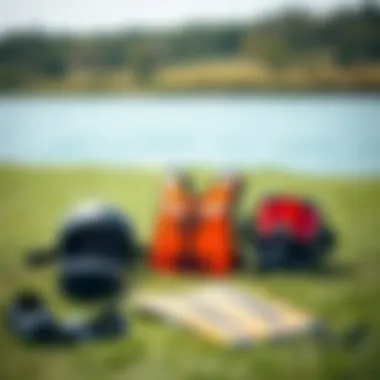

Before heading out, run through a simple checklist:
- Kite Integrity: Look for any tears or issues in the fabric.
- Line Condition: Check for tangles or frays that may impact performance.
- Harness Function: Ensure that it fits snugly and works properly.
Having a proper safety check could make the difference between a fun-filled day and a harrowing experience. And remember, safety gear like impact vests and helmets might not seem necessary at first, but they can be lifesavers. When you're out on the water, it's all about having a good time while still being smart about your well-being.
"An ounce of prevention is worth a pound of cure." - Benjamin Franklin
By avoiding these common mistakes, new kiteboarders can save themselves from costly errors and cultivate a more enjoyable and rewarding experience on the water.
Maintenance and Care of Kites
Maintaining and caring for your kite is not just about keeping it looking good; it’s crucial for ensuring its performance and longevity. With proper care, your kite will be reliable and enjoyable for much longer. Kites endure a lot of stress when flying, exposed to sun, wind, and water, which can weaken materials over time. Understanding how to effectively care for your kite enhances your experience and efficiency on the water.
Cleaning Techniques
Keeping your kite clean can greatly extend its life. After each session, it’s advisable to give your kite a quick rinse with fresh water. Saltwater can be particularly damaging, leading to deterioration of the fabrics if left unchecked. Here are some steps you might follow:
- Rinse Thoroughly: After a day spent riding waves, warmth, and salt can cling to your kite. Use a hose to rinse it down, making sure to get into the seams where grit might reside.
- Gentle Scrubbing: Should you find stubborn stains or sand, take a soft brush or cloth. Lightly scrub the area without being rough. You're aiming to clean, not to destroy.
- Drying: After rinsing, it’s better to let your kite dry in the shade. Direct sunlight can fade colors and weaken materials. Lay it flat on a clean surface, avoiding any sharp edges that could damage the fabric.
Regular cleaning is key for kite longevity. A little care goes a long way.
Storage Guidelines
How you store your kite is just as vital as how you clean it. When done right, storage ensures that your kite remains free from damage and retains its shape. Here are tips on how to store your kite:
- Use a Bag: Always store your kite in a designated kite bag. This helps in preventing scratches and creases, which can mess with the kite's aerodynamics.
- Avoid Hot Areas: Storing your kite in places with high temperatures, like a car on a sunny day, can harm the material. Opt for a cool, dry place instead.
- Inspect Before Packing: Before you stow it away, do a check for any damages or issues. Even tiny tears can turn into bigger problems later on.
- Loosely Roll it Up: Instead of stuffing, roll your kite in a way that maintains its shape. Keep the lines secure but not too tight to avoid causing kinks.
By taking care of your kite through regular cleaning and careful storage, you enhance not only your equipment's lifespan but also the quality of your kiteboarding experience. These practices may seem small, but together they hold significant value in maintaining the integrity and performance of your kite.
Resources for Beginners
Navigating the world of kiteboarding can feel a bit like stepping into a whirlwind of information. That's where having solid resources becomes a lifesaver for newcomers. Whether you're on the beach setting up your first kite or checking the wind patterns at your local spot, being informed can help turn an overwhelming experience into a smooth ride. These resources cover a range of elements: connecting with the community, accessing expert knowledge, and diving into learning materials that tailor to various skill levels.
Helpful Online Communities
One of the best ways to learn about kiteboarding is to join online communities where enthusiasts gather. Websites like Reddit have active forums where beginners can ask questions and receive advice from more experienced kiteboarders. There’s a treasure trove of shared personal experiences that can provide insight into common pitfalls and tips for improvement.
Additionally, Facebook groups dedicated to kiteboarding are another great place to seek guidance. Here, members share photos, videos, and instructional posts. Interacting with others who share your passion can be incredibly motivating and insightful. Getting feedback about your technique or gear can help you fine-tune your skills faster than you might on your own.
- Some key communities include:
- Kiteboarding on Reddit: reddit.com/r/kiteboarding
- The Kiteboarder Magazine Group on Facebook
Tutorial Videos and Courses
In terms of direct learning, you’ll find a wealth of tutorial videos online that visually demonstrate techniques, safety measures, and proper kite handling. YouTube is a goldmine for kiteboarding tutorials. Channels dedicated to the sport often break down complex maneuvers into digestible segments, perfect for visual learners. Watching videos can help solidify your understanding of difficult concepts before you hit the water.
As an alternative, structured courses from organizations like the International Kiteboarding Organization (IKO) can also be found. These online courses not only provide theoretical knowledge but often include practical components as well. Many IKO instructors share their insights through detailed video instruction, and their certifications help you find reliable techniques that can boost your confidence.
- Notable resources include:
- YouTube Channels: Search for "kiteboarding tutorials"
- IKO Courses: www.ikorg.com
Recommended Reading Material
There’s something about flipping through a good book that can deepen your understanding of kiteboarding. Here, reading materials can provide foundational knowledge that videos alone cannot convey. Recommended reading includes guides that discuss gear selection, navigational basics, and even the science of wind.
A highly recommended title is "Kiteboarding: The Ultimate Guide to Kitesurfing", which is designed specifically for beginners. It offers insights into the sport's various aspects, from choosing the right kite to understanding the physics that keep you airborne. Another great option is "The Complete Manual of Kitesurfing", which presents a comprehensive exploration of kiteboarding techniques and gear care fundamentals.
- Consider checking out the following resources:
- "Kiteboarding: The Ultimate Guide to Kitesurfing" by Karl D.
- "The Complete Manual of Kitesurfing" by R. Jacob
Engaging in these resources can not only enhance your skills but also connect you with a shared community of kiteboard enthusiasts.
Taking advantage of these resources can bridge the gap between theory and practical experience, making your introduction to kiteboarding smoother and more enjoyable. Understanding that you're not alone in this adventure, combined with the right tools and community support, will allow you to face the waves with confidence.
Frequently Asked Questions
In any field, especially one that involves a combination of skill, equipment, and environment like kiteboarding, questions often arise for beginners. This section plays a critical role in addressing those nagging uncertainties that can often deter newcomers from fully embracing the sport. It’s not just about quenching curiosity; answering these questions helps to demystify the kiteboarding process and provide clarity on fundamental topics, ensuring that beginners feel more confident and informed.
How Do Choose My First Kite?
Choosing your first kite can feel as overwhelming as picking a needle from a haystack. With so many options out there, it’s easy to feel lost. Here are a few points to guide you:
- Type of Kite: If you’re a beginner, opting for a Bow or Delta kite is often wise. They generally offer a larger wind window and are more forgiving.
- Size Matters: The size of your kite is pivotal. Beginners may be better off starting with a medium-sized kite, typically around 8 to 12 meters, depending on wind conditions.
- Wind Conditions: Always keep the wind in your sights. A session in light winds can provide a different experience than strong gusts. Stick to lighter kites for gentle breezes.
- Brands and Models: Research beginner-friendly kites. Brands such as Cabrinha, Naish, and Core have models specifically targeted to newcomers. Also, consider talking to instructors at local schools as they can offer valuable firsthand feedback on which kites work best.
- Test Before You Invest: If possible, try out different kites. Many shops offer demo days where you can fly multiple models.
What Are the Best Locations for Beginners?
Finding the right spot to practice can make all the difference, much like finding the right stage to put on a performance. Here’s what to look for:
- Flat Water vs. Waves: Flat water locations, like lakes or bays, are ideal for beginners. They offer a gentler environment to learn without dealing with the unpredictability of waves.
- Avoid Crowds: Popular beaches can be chaotic; steer clear at first. Seek out spots that have fewer advanced kiteboarders. This will not only allow you more space but minimize distractions.
- Wind-Friendly Areas: Ideally, choose locations known for consistent winds. Areas along coastlines that experience steady winds throughout the year are often more suitable.
- Kiteboarding Schools: Look for regions with schools offering rentals and lessons. Places like Puerto Rico’s La Parguera or Cabarete in the Dominican Republic welcome newcomers and have ample resources.
- Local Communities: Engaging with local kiteboarding communities online or in person can guide you to hidden gems where conditions are just right for beginners.
"Education is not preparation for life; education is life itself."
Kiteboarding is an exhilarating sport that, when approached with the right knowledge and environment, offers unmatched excitement. The questions above are just the tip of the iceberg; understanding your equipment and location will set you up for success. Taking the time to research and ask questions will ultimately deepen your commitment and enjoyment of this incredible sport.