Aqua Azul UV: The Interplay of Water and Light in Kiteboarding
Intro
Kiteboarding has become increasingly popular around the globe, drawing more enthusiasts to the water and transforming serene beaches into vibrant playgrounds. Elements like water clarity and sunlight play a pivotal role in how participants engage with their surroundings.
Water's unique hues, specifically the captivating aqua azul that often characterizes tropical locales, can deeply impact a kiteboarder's experience. Meanwhile, the unrelenting sun brings both opportunities and challenges, particularly when examining ultraviolet (UV) exposure. Understanding the delicate dance between these two elements not only enhances performance but also raises awareness of the potential risks involved. By exploring these dynamics, both novice and seasoned kiteboarders can elevate their skills and maintain safety on the water.
This article aims to shed light on the symbiosis of aqua azul waters and UV rays and their implications for kiteboarding enthusiasts. We will delve into gear recommendations, essential techniques, and tips necessary for riders to navigate this exhilarating sport while maintaining safety and maximizing enjoyment. As we journey through this discussion, we will offer insights grounded in both science and practical experience to help each kiteboarder more confidently harness the power of water and light.
Prelims to Aqua Azul and UV Light
Understanding the interplay between Aqua Azul and ultraviolet (UV) light is crucial for kiteboarding enthusiasts, as it greatly influences rider experience. Kiteboarding isn’t merely about skill and equipment; it’s about navigating the unique environment that the sport offers. The color of the water can alter the perception of depth, which in turn impacts the safety of the rider. On the flip side, UV light poses potential health risks that can be overlooked. Bringing these two elements together lays a robust groundwork for kiteboarding safety, performance, and enjoyment.
Defining Aqua Azul
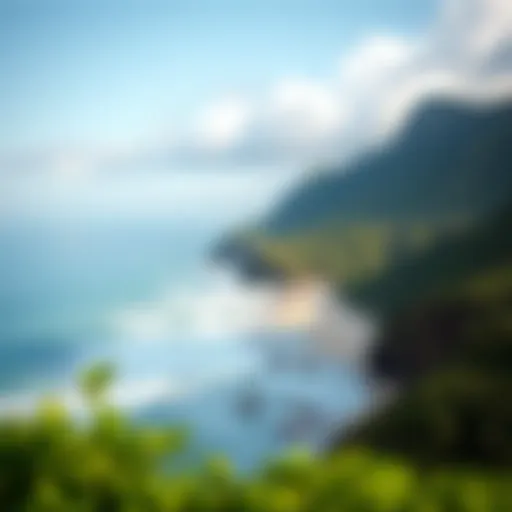
Aqua Azul refers to water that exhibits a striking blue hue, often associated with tropical and subtropical regions. This phenomenon occurs due to a combination of factors, including depth, the presence of phytoplankton, and the scattering of light. When sunlight hits the water, certain wavelengths are absorbed while others bounce back, giving the water its distinctive color.
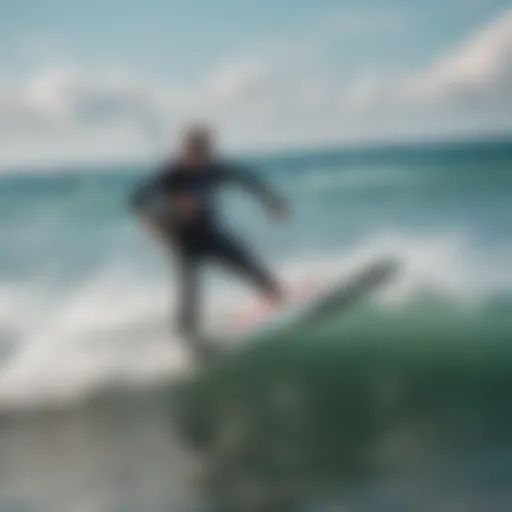
Consider a situation: you're making your way across a lagoon in Kite Beach, surrounded by calm waters that glisten in varying shades of blue and aqua. This vista contributes not only to a picturesque backdrop but also aids in visual clarity. The clear water can enhance visibility, allowing kiteboarders to better assess their surroundings, spot potential obstacles, and remain tuned in to the behavior of the wind and waves. In essence, the unique shade of Aqua Azul doesn't just charm the eye; it plays a pivotal role in how kiteboarders interact with the water.
Understanding Ultraviolet (UV) Light
To fully grasp the significance of UV light in the context of kiteboarding, one must first comprehend what UV light is. Ultraviolet light is categorized into three types: UVA, UVB, and UVC. Of these, UVA and UVB are of particular concern for kiteboarders. These rays come from the sun and can cause various types of skin damage ranging from sunburn to long-term health risks such as skin cancer.
Kiteboarding often takes place on sunny days, where UV exposure can be substantial. The reflection of sunlight off the water can amplify UV rays, leading to increased risk of overexposure.
“Always wear adequate protection against the sun’s rays—don’t let the beauty of the beach deceive you.”
The following factors influence the intensity of UV exposure:
- Time of day: UV rays are strongest between 10 a.m. and 4 p.m.
- Altitude: Higher elevations experience increased UV intensity.
- Reflective surfaces: Water can reflect up to 80% of UV rays.
Thus, understanding UV light empowers kiteboarders to take necessary precautions to protect their skin while enjoying their time on the water.
This detailed examination of Aqua Azul and UV light lays the foundation for further exploration into how these elements shape not only the aesthetics but also the safety and performance of kiteboarding.
The Relationship Between Water Color and Kiteboarding
Water color is not just a visual pleasure; it plays a significant role in kiteboarding. The relationship between the hue of the water and the riding experience is vital for several reasons. Changes in water color can affect visibility, safety, and even how riders feel during their sessions. Knowledge of these elements is crucial for anyone eager to enhance their kiteboarding adventures.
How Water Color Affects Visibility
One of the most immediate ways in which water color influences kiteboarding is through visibility. When you’re out on the water, the clarity of the aqua azul can make a world of difference. In clear blue waters, objects beneath the surface become more transparent, offering a better view of marine life and hazards. This visibility allows kiteboarders to navigate with confidence.
However, murky or greenish waters can obscure visibility, making it harder to spot obstacles. Riders may find themselves unexpectedly confronted with submerged rocks or other dangers, which can lead to accidents. Knowing the specific body of water and its color can help kiteboarders make informed decisions. For instance, a vibrant turquoise might indicate clean waters, while a muddy brown signals possible complications.
"The color of the water not only tells a story about environmental conditions but also shapes the kiteboarding experience."
Psychological Impacts of Water Color
Beyond safety considerations, the color of the water can also influence a rider's mentality. Research shows that colors can evoke different emotions and reactions. For example, aqua azul often evokes feelings of calmness and joy. This serene hue can enhance a kiteboarder’s confidence, allowing them to perform better and feel more connected to their surroundings.
On the flip side, darker or less inviting water colors can sometimes evoke feelings of unease or even anxiety. Such emotional responses may impact focus during a session, leading to distractions that can affect performance and enjoyment. Therefore, being aware of the psychological implications of water color can contribute to a more positive experience on the board.
The Science of UV Exposure
Understanding the science of ultraviolet (UV) exposure is essential for kiteboarders. This section delves into the different types of UV rays and their effects on the human body, along with the duration of exposure that kiteboarders face during their sessions. By grasping these concepts, riders can make informed decisions about their safety and performance in the water.
Types of UV Rays and Their Effects
UV radiation from the sun is powerful and can impact the skin in various ways. There are three primary types of UV rays: UV-A, UV-B, and UV-C.
- UV-A rays penetrate deep into the skin and are primarily responsible for skin aging and long-term skin damage. They also play a role in some skin cancers. These rays are present throughout the day and can penetrate clouds and glass.
- UV-B rays are responsible for causing sunburn and have a more immediate effect on the skin. They are most intense between 10 a.m. and 4 p.m., especially in the summer, and contribute significantly to skin cancer risk.
- UV-C rays are the least concerning for outdoor enthusiasts like kiteboarders, as they are absorbed by the Earth's atmosphere. However, they are the most dangerous type of UV radiation in artificial environments, such as those found in certain UV sterilization processes.
It's crucial for those engaged in kiteboarding to understand these types of UV radiation. Regular exposure to UV-A and UV-B rays can lead to skin damage, eye problems, and an increased risk of skin cancer.
"Not all sun is created equal; it’s the type you need to watch out for!"
Duration of UV Exposure during Kiteboarding
When kiteboarding, the duration of UV exposure can vary significantly based on different factors such as location, time of day, and even weather conditions. For instance, riding during mid-day, when the sun is at its peak, could expose kiteboarders to higher levels of UV radiation.
- Typical Exposure Times: A typical kiteboarding session might last anywhere from one to four hours. Riders should be particularly vigilant during high-intensity sessions when reflection off the water can boost UV exposure.
- Water Reflection: Light can reflect off the water's surface, increasing the likelihood of UV exposure significantly. In essence, being on the water can sometimes double the UV radiation hitting your skin. Knowing this can help kiteboarders plan their sessions accordingly.
- Location Impacts: If you're at a high altitude or near the equator, UV exposure intensifies. Regions like the Caribbean or South Pacific, where Aqua Azul waters are abundant, could expose riders to heightened UV conditions, making it vital to take preventive measures.
Ultimately, knowing how long you're out in the sun and the conditions you're riding in can help you prepare better for safety measures against UV exposure, ensuring a fun yet safe experience out on the water.
Health Implications of UV Exposure for Kiteboarders
When engaging in kiteboarding, it's easy to get lost in the thrill of the wind and water. However, it's essential for practitioners and enthusiasts alike to recognize the significant health implications related to UV exposure. Understanding these factors can lead to informed decisions that enhance one's experience while ensuring safety on the water. Kiteboarding in bright sunlit conditions means you're not just riding the waves but also navigating potential risks associated with UV rays. Knowledge is power, and by outlining both the short and long-term effects, we can better equip ourselves to enjoy this exhilarating sport while protecting our health.
Short-term Effects of UV Exposure
The immediate consequences of UV exposure may often be underestimated by those who are too focused on their performance rather than their wellbeing. After a day out under the sun, kiteboarders might experience symptoms like:
- Sunburn: The most common short-term effect, characterized by red, painful skin, severe burning sensation, or peeling days later.
- Skin Irritation: Increased likelihood of skin rashes or reactions due to direct sunlight.
- Heat Exhaustion: Extended exposure can lead to overheating, which also contributes to dehydration and fatigue.
Even without visible symptoms, it’s important to realize that sun exposure can subtly compromise a rider's performance.
"A sunburn might sideline you tomorrow; don’t let it steal your joy today."
In the heat of a session, kiteboarders often overlook the signs of sun damage. But remember, just one bad burn can increase risks in the future.
Long-term Health Risks
While kiteboarding provides a rush, frequent exposure to UV radiation can escalate into serious long-term health issues. Regular exposure without adequate protection can result in:
- Skin Cancer: The most severe long-term effect, especially melanoma, which is often linked to intermittent sunburns.
- Early Aging: Photodamage leads to premature wrinkles, fine lines, and a leathery appearance of the skin.
- Eye Damage: Conditions such as cataracts and macular degeneration can develop, which are serious risks for kiteboarders exposed to sunlight reflecting off water.
Thus, acknowledging these potential threats is crucial for both new and seasoned kiteboarders. It’s not just about enjoying the ride; safeguarding one's health ensures that the sport can be enjoyed for years to come. Each kiteboarding session should ideally incorporate proactive measures against UV exposure to create a sustainable riding experience.
Mitigation Strategies for UV Exposure
Understanding how to protect oneself from UV exposure is paramount for kiteboarders who want to enjoy their sport while minimizing health risks. The sun, particularly on the water, can be relentless, reflecting off the surface and intensifying exposure. This section breaks down practical steps to mitigate UV risks, ensuring a safer experience on the waves.

Clothing and Equipment Considerations
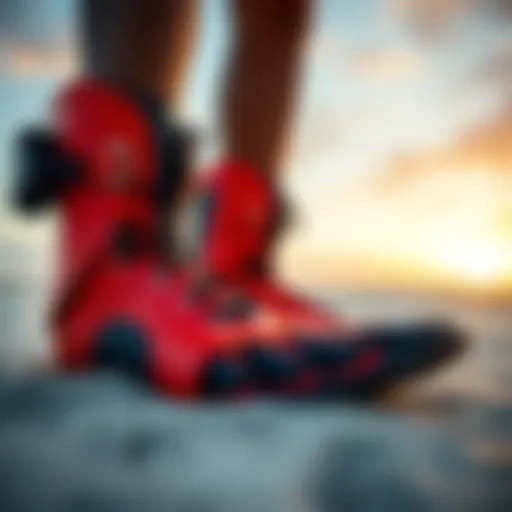
When kiteboarding, the right clothing plays a crucial role in UV protection. Choosing garments with a high Ultraviolet Protection Factor (UPF) can significantly reduce the risk of skin damage. Look for items that state their UPF rating on the label; these numbers tell you how much UV radiation can penetrate the fabric. Lightweight, long-sleeved shirts made from synthetics or tightly woven natural fibers are great options. Additionally, wearing a rash guard provides an extra layer of protection that shields against both the sun’s rays and the abrasive effects of the water.
Aside from clothing, consider equipping yourself with UV-blocking gear like polarized sunglasses and wide-brimmed hats. These accessories are not just for style; they provide essential protection for your eyes and face, areas most susceptible to sunburn. A solid pair of shades can make a world of difference in enhancing visibility while decreasing glare off the water.
"It’s not just about enjoying the ride; it’s also about being smart and safe under the sun."
Sunscreens and Their Effectiveness
Sunscreens are your armor against UV rays while engaging in outdoor activities. However, not all sunscreens are created equal. When selecting a sunscreen for kiteboarding, look for one that offers broad-spectrum protection, which means it safeguards against both UVA and UVB rays. The American Academy of Dermatology recommends SPF 30 or higher for best effectiveness.
Application plays a pivotal role in how well the sunscreen works. It's advisable to apply sunscreen at least 15 minutes before hitting the water and reapplying every two hours, or more frequently if you're perspiring heavily or swimming. Water-resistant sunscreens are especially useful in these situations; they tend to stay effective even when you’re splashed or submerged.
Moreover, ensure you use an adequate amount of sunscreen: about one ounce (the size of a shot glass) should cover your entire body. Remember to cover commonly overlooked areas like the tops of your feet, behind the ears, and the back of your neck. Even if you’re wearing protective clothing, it’s wise to apply sunscreen on exposed skin.
In addition, keep an eye on the expiration dates of your sunscreen. An expired product can lose its effectiveness, potentially leaving your skin unprotected at a crucial time.
By implementing these strategies, kiteboarders can significantly reduce their exposure to harmful UV rays, ensuring they can enjoy their time on the water safely. By putting thought into clothing choices and proper sunscreen usage, every ride can be more enjoyable, with less worry about the sun's harmful effects.
Environmental Factors Influencing Aqua Azul and UV Levels
Understanding the environmental factors that influence Aqua Azul and UV levels is crucial for kiteboarders seeking to optimize their experience out on the water. Various elements such as geographical location and weather conditions play a significant role in affecting both the color of water and the intensity of UV rays. This section will dive into how these factors interplay to create the ideal environments for kiteboarding.
Geographical Differences in Water Color
The world is a mosaic of water bodies, each flaunting shades of blue, green, or even gray. The geographical location of a body of water dramatically influences its color. This color, in turn, significantly affects how kiteboarders perceive their surroundings. For instance, waters in tropical regions often present that enchanting turquoise shade that kiteboarders crave. The Caribbean is a prime example, where the presence of coral reefs and clear skies contribute to that vibrant aqua hue. Conversely, in higher latitudes, coastal waters tend to be murkier, displaying darker shades due to sediment runoff and organic materials.
Additionally, freshwater bodies like lakes may have different attributes compared to oceans. Lakes fed by rivers can appear brown or green, influenced by the algae and other organic materials. Understanding these geographical differences is vital for kiteboarders choosing a location. The deeper the shade of aqua, the more visibility there is, allowing riders to read water conditions more accurately and avoid potential hazards like obstacles or shallow areas.
Weather Conditions and UV Intensity
Weather conditions don't just dictate whether you pack your kite gear — they heavily influence UV intensity as well. On a clear and sunny day, UV levels can spike, especially during midday. Atmospheric conditions like cloud cover and pollution also play a role in the penetration of UV rays. In areas with heavy air pollution, UV intensity may be lower due to particles scattering the sunlight. However, this does not mean one is entirely safe; UV rays can still reach the skin, requiring adequate protection.
On the flip side, certain weather phenomena can amplify UV exposure. For example, being out on the water enhances UV exposure because water reflects sunlight. A kiteboarder might think they’re safe under overcast skies when, in reality, up to 80% of UV rays can penetrate through clouds, especially near reflective surfaces.
To sum up the significance of these environmental elements:
- Geographical locations determine the color of water, affecting visibility and rider confidence.
- Weather conditions significantly influence UV intensity, posing varied risks based on current atmospheric conditions and reflective surfaces.
"A thorough understanding of these factors can make a world of difference for kiteboarders looking to harness both the beauty of Aqua Azul and the effects of UV light."
By keeping an eye on these environmental indicators, kiteboarders can choose their sessions wisely, ensuring safety without compromising on the enjoyment of the exhilarating ride.
Applications for Enhancing the Kiteboarding Experience
The intersection of aqua azul and UV exposure holds significant value for kiteboarders. Not only does it enhance the riding experience, but it also promotes safety and optimal performance. Choosing ideal locations and timing sessions based on UV intensity can dramatically alter how the session feels, both for the body and the mind. Recognizing these elements helps riders select the best conditions for their kiteboarding adventures.
Choosing Locations with Ideal Aqua Azul Conditions
When it comes to kiteboarding, not all waters are created equal. Some locations offer mesmerizing shades of blue or turquoise that can enhance visibility and create a stunning backdrop for riders. Aqua azul is not merely a pretty picture; it plays a role in the overall kiteboarding experience.
- Visibility: Clear, bright waters allow for better sight lines when navigating. The deeper the blue, the more vibrant your experience. You'll be able to spot those waves and kiteboard feeder schools easier, which means more time enjoying the ride and less time crashing into unexpected obstacles.
- Psychological Comfort: There's something about that brilliant blue hue that calms the mind; kiteboarders often feel more relaxed and in tune with the ocean. A location that embodies aqua azul can brighten your mood and give you a mental edge over your skills.
- Environmental Factors: Consider how local topography, flora, and fauna can influence water color—reef structures often can filter sunlight, leading to that distinctive aquamarine. Analyzing such factors can dictate where you'll want to set up shop on any given day. A little bit of background knowledge can quench curiosity while ensuring you’re in the right spot.
"Chasing the right color in water isn't just about how it looks; it’s a catalyst for your performance and state of mind."
Some locations renowned for optimal aqua azul conditions include places like the Caribbean Sea or Hawaii’s north shore. Knowing where to look is half the battle. Many avid kiteboarders crowd certain well-known spots, yet hidden gems may give you the same optically pleasing view without throngs of fellow enthusiasts. Keep an ear to the wind, or perhaps engage with local forums on sites like Reddit to unveil those lesser-known locations worth exploring.
Timing Your Kiteboarding Sessions for UV Safety
Understanding the rhythm of UV exposure is just as crucial as locating aqua azul waters. Kiteboarding at the right times can minimize harmful UV rays while optimizing your experience on the water.
- Peak UV Times: Generally, UV rays are at their most powerful between 10 AM to 4 PM local time. Avoiding these hours makes for a smarter, safer strategy. Plan morning or late afternoon sessions when UV levels tend to be lower — you’ll still catch the winds, but with less risk.
- Seasonal Awareness: Certain times of year increase UV exposure. If you’re planning your next adventure during summer months, keep in mind that the days might linger longer, but so does the fierce sun. Always check UV index forecasts using reliable weather sites like NOAA or your preferred meteorological service before heading out.
- Local Environmental Factors: Being aware of your surroundings helps too. Different geographical features can either intensify or minimize UV rays hitting the water.
The practice of observing and planning your kiteboarding timing based on UV indices isn’t just about keeping a sunburn at bay; it’s a direct connection to how energized you feel during and after riding. Optimizing for UV safety not only prolongs your kiteboarding sessions but contributes to sustainable adventure practices. Consider investing in gear that indicates UV levels or technologies—some innovative equipment is taking this approach to the next level.
Useful Resources
- NOAA Weather;
- Environmental Protection Agency - UV Index;
- Kiteboarding Forums on Reddit;
- World Meteorological Organization;
The Future of Kiteboarding and Environmental Awareness
As kiteboarding continues to gain traction as a thrilling water sport, the intersection of environmental awareness and sustainable practices becomes increasingly significant. The future of kiteboarding isn’t just about mastering techniques or catching the perfect wave. It's also about being responsible stewards of the waters we cherish. The effects of climate change, pollution, and habitat disturbance are real and pressing issues that can ultimately impact the very essence of kiteboarding itself. With this awareness, kiteboarders can ensure that future generations can also experience the joys of aqua azul waters and vibrant kite-filled skies.
"The beauty of kiteboarding lies in its connection to nature. To preserve that beauty, we must act now."
Promoting Sustainable Practices in Kiteboarding
Sustainability in kiteboarding involves various facets, from eco-friendly gear to community-driven environmental initiatives. Kiteboarders can drive positive change by choosing manufactures who are committed to sustainable materials, like boards made of recycled plastics or biodegradable lines.
Moreover, participating in local clean-up events, sharing knowledge about responsible practices, and fostering respect for marine ecosystems – these are essential steps toward a sustainable future. Each time a kiteboarder spends a day on the water, they have the opportunity to inspire others and lead by example. The more we advocate for responsible practices, the more we secure a vibrant future for this exhilarating sport.
- Invest in eco-friendly gear: When replacing or buying new equipment, look for brands that prioritize sustainability.
- Engage with local communities: Many kiteboarding communities actively participate in conservation efforts.
- Spread awareness: Share knowledge about the impact of waste and pollution on marine life with fellow enthusiasts.
Advocating for Research on Aqua Azul and UV Effects
Research plays a vital role in understanding how kiteboarding impacts both the environment and the sport itself. Advocates for research on aqua azul and UV effects can help bridge the gap between scientific insights and practical applications for kiteboarders. By supporting studies that investigate water quality, UV radiation levels, and the environmental consequences of kiteboarding, enthusiasts can stay informed and adapt their practices accordingly.
Understanding the connections between UV exposure, water color, and ecological health helps kiteboarders make better choices regarding timing, location, and gear, all while promoting the health of the oceans. Additionally, inviting academic institutions and environmental organizations to collaborate creates opportunities for community engagement and shared learning.
By rallying support for ongoing research and advocating for results to be shared with the kiteboarding community, the sport can evolve in a manner that respects and preserves the natural beauty that attracted so many to the sport in the first place.
Complementary resources include:
- Wikipedia on Environmental Sustainability
- Britannica on Climate Change Effects
- Reddit’s Kiteboarding Community
Finale
In wrapping up this exploration of Aqua Azul and ultraviolet (UV) light within the realm of kiteboarding, it's clear that understanding these elements is of paramount importance. The rich hue of Aqua Azul not only captivates visually, but also serves as a critical factor that affects kiteboarding conditions in various ways. Kiteboarders must recognize how water color impacts visibility and perception, which can significantly influence their performance and overall enjoyment on the water.
Likewise, UV exposure presents a double-edged sword; while it’s part of the allure of sunny kiteboarding days, it carries risks that shouldn't be taken lightly. Educating oneself about the spectrum of UV rays and their potential health implications encourages safer practices among riders.
The benefits of combining knowledge of water characteristics and UV factors cannot be overstated. Kiteboarders who consider these aspects are more likely to select optimal locations and times for their sessions, enhancing both safety and experience. Here are some considerations to keep in mind:
- Water Visibility: The clearer the water, the better the visibility of obstacles and potential hazards.
- Timing: Midday sun is the most intense for UV exposure. Early mornings or late afternoons can lessen risk.
- Safety Gear: Proper clothing and equipment, including UV-protective garments and sunscreens, can dramatically reduce harmful exposure.
Promoting environmental awareness is also crucial. Understanding the ecological dynamics of Aqua Azul can lead to sustainable practices that protect these beautiful waters we cherish. Advocating for more research on these topics can enrich our knowledge and ensure future generations enjoy the same vibrant landscapes.
As kiteboarders, emphasizing both the joy of riding and the responsibility towards our environment will enhance not just individual experiences, but the community as a whole. The synergy of water, light, and kiteboarding invites riders to immerse themselves fully while remaining mindful of their surroundings and impacts. A partnership with nature fosters a richer adventure, encouraging riders to not just soar above the waters, but also to protect the elements that make their passion possible.